Consumer research
Infectious inactivity
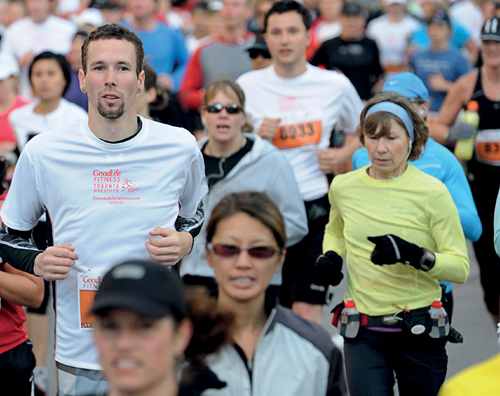
People across the UK believe the public as a whole is inactive – and many believe that’s justification for following suit. Ipsos MORI’s Bobby Duffy reports on new research



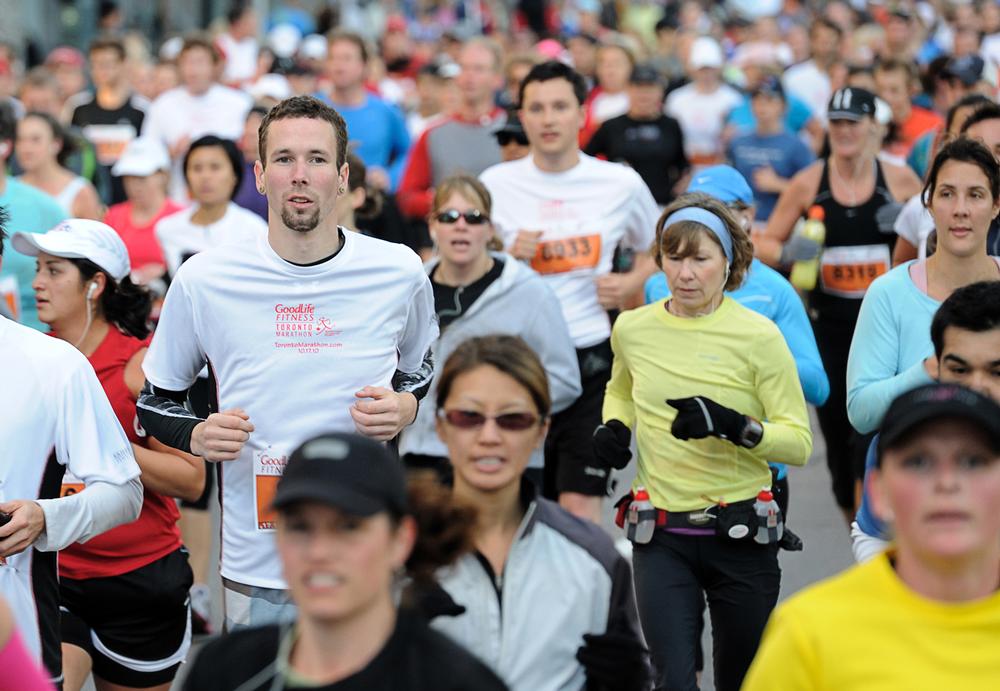
England is facing an epidemic of inactivity, according to Public Health England (PHE). We know from official figures that physical inactivity has been widespread in the UK population for years, and that inactivity in the UK is one of the highest in the world – higher even than that popularly-held beacon of sloth, the US.
And the impact of physical inactivity? A PHE report released in November notes that the effects of physical inactivity are so damaging that it’s a contributory factor in one in six deaths in the United Kingdom.
And yet physical inactivity is not the first thing that comes to mind when we ask people about public health threats. It’s not even the second, third or fourth thing. When we surveyed adults about public health issues they were concerned about – without giving them a list of issues to choose from – cancer was mentioned most frequently. Physical inactivity did not come out in the top 10, despite one in five expressing concern about obesity.
But it depends how we ask the question: while physical inactivity is not a top-of-mind response, when you give people a list of threats to select from, 37 per cent of adults consider lack of exercise to be a big threat to the health of the population (see Figure 1).
And most importantly, when asked what the biggest threat to their own health is, lack of exercise comes top, above every other item asked about (although stress comes close). This is a key point, and may give some insight into why inactivity may not get the attention it deserves as a health threat: people think it’s a problem they face alone, and they don’t generalise from that to the population as a whole as much as they do with other issues.
The same is true for stress – and again this fits with a view that mental health is under-emphasised in health policy, because people are less aware of how many people it affects.
Following the herd
This is reflected in our misunderstanding of what the ‘norm’ on exercise is: we have a very shaky understanding of how much activity other people do, which can in turn affect the amount of activity individuals undertake themselves.
One way of measuring this is people’s engagement with national activity guidelines. The Chief Medical Officer recommends that adults should do 150 minutes of moderate intensity activity each week in bouts of 10 minutes or more. Perhaps unsurprisingly, when presented with several alternatives, most people got the guidelines wrong. More surprisingly, nearly as many people overestimated the guidelines as underestimated them.
But when we compare awareness of the guidelines with levels of moderate intensity activity, it seems that overestimating the guidelines is a good thing. Over half of those who meet or exceed the activity guidelines believe the guidelines to be higher than they are. Conversely, 55 per cent of those who fall short of the guidelines believe the guidelines are lower than they are. So overestimation may be a good thing.
We can’t unpick cause and effect in a survey like this, but we know from broader lessons from behavioural science that our understanding of the social norm has a huge effect on how we act: if we think everyone else is doing it, we’re more likely to do it ourselves.
And there are important knowledge gaps on these norms – in a dangerous direction. Nearly three-quarters of us underestimate the percentage of people in England who meet the guidelines. This demonstrates that people think the norm in society is inactivity and, given a choice between official guidelines and perceived normal behaviour in society, people seem to opt for the norm.
A personal threat
Aside from setting guidelines, is there anything else that can be done to lift the norm to a healthier level? Our research has shown that Britons tend to be fairly averse to government interfering in people’s lifestyles: 35 per cent think government shouldn’t interfere, while 30 per cent think it should.
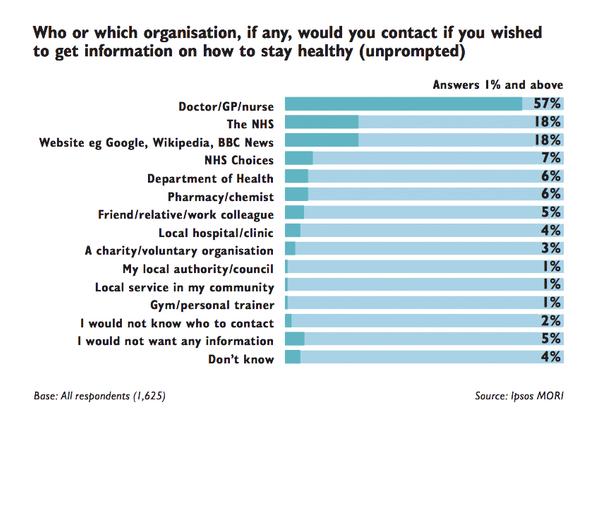
More favoured sources of influence come in the form of health professionals, who are our most trusted sources of health advice. Without being presented with pre-set options, people also mention websites and friends or relatives more readily than they mention gyms and personal trainers.
This is probably not a huge surprise, given our contact tends to be more with health professionals – but it points to two key messages: that health professionals need to be on board and equipped to give advice on activity, and that we need to keep finding ways to broaden the group of professionals who people will go to for healthy living advice.
These advocates have a role to play in ensuring people have the capability and opportunity to live an active lifestyle. PHE has said that, as a nation, we need to “embed physical activity into the fabric of daily life” and part of this will involve challenging social norms (see p38). Sport and leisure professionals have a key role to play here, raising awareness of the inactivity epidemic but mostly connecting the dots for individuals – inactivity is a very personal threat.
Figure 1 Lack of exercise is seen as one of
the top threats to people’s own health
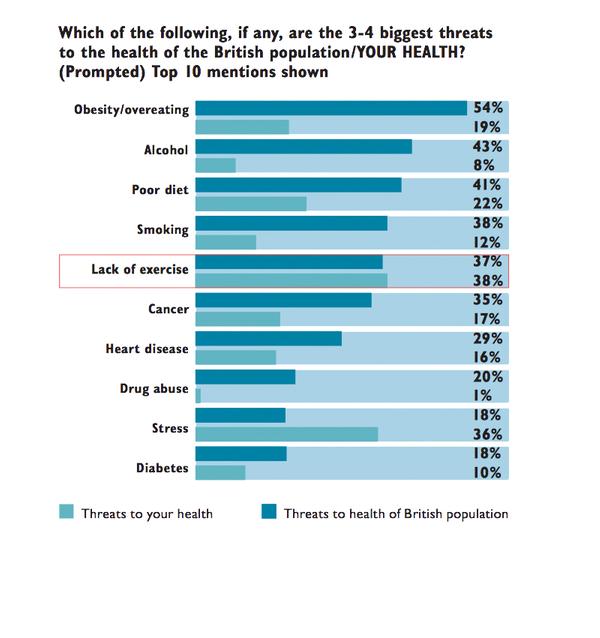
Figure 2 Only one in 10 people know the activity guidelines, with almost as many overestimating as underestimating the guidelines
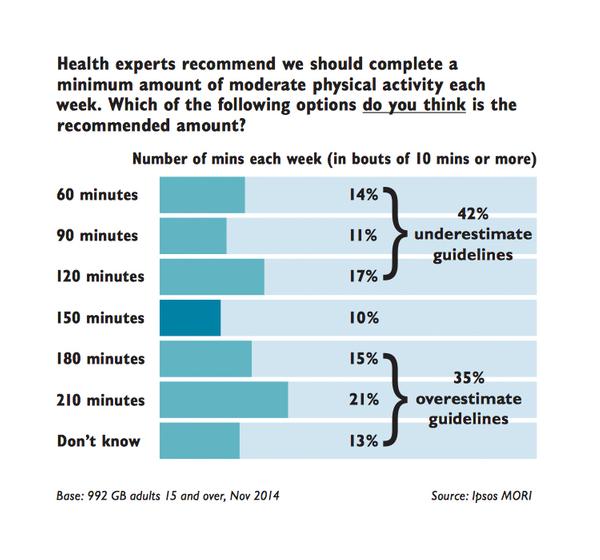
Figure 3 Health professionals come top on advice to stay healthy
ABOUT THE AUTHOR
Bobby Duffy is MD of Ipsos MORI’s Social Research Institute and the global director of the Ipsos Social Research Institute in more than 25 countries.
Ipsos MORI’s Social Research Institute – a leading UK-based market research company – supports politicians and decision-makers through well-researched analyses of a range of societally relevant topics, including in the healthcare field.
Twitter: @BobbyIpsosMORI
Web: www.ipsos-mori.com















Designed to restore neglected land and renew the identity of Iraq’s capital city, Baghdad Sustainable Forests promises a new way of living surrounded by nature. Gensler’s Ian Mulcahay tells us why he thinks the project could become a model for the repair and enhancement of urban centres