Everyone’s talking about...
Addressing inactivity
ukactive has thrown down the gauntlet with its Turning the Tide report, calling for a 1 per cent increase in levels of activity each year for five years. Is this achievable, and what are the next steps?



The situation is looking rather desperate: an estimated 25 per cent of the UK population are currently classed as inactive – with projections showing that inactivity levels are likely to increase by a further 15 per cent by 2030 – while physical inactivity is already cited by WHO as the fourth leading cause of global mortality.
In its new report, Turning the Tide of Inactivity, ukactive has also identified that inactive people spend 38 per cent more days in hospital than active people and visit the doctor 6 per cent more often. This is costing the UK economy £8.2bn a year (see HCM March 14, p28).
In response, ukactive has called on the government to place physical inactivity as a standalone public health risk, separate from obesity and weight management. It wants public health teams to prioritise and resource physical inactivity programmes to the same level as other top tier public health risks such as smoking and alcohol abuse.
ukactive has set the target of increasing levels of physical activity by 1 per cent a year for five years; as well as improving public health and reducing mortality, this could save the NHS £1.2bn.
It’s an excellent idea, but how can it be done? And how can individual health club operators play their part?
A separate piece of research by Bristol University found poor education, low household income and local area deprivation to be barriers to activity. So too are the availability of facilities and the weather: although in some cases a smaller number of high quality, well-designed facilities have been effective in driving down inactivity levels, ukactive found that in general, areas with the highest levels of inactivity have one-third fewer leisure facilities than areas with lower levels of inactivity.
The industry will have to find a way of connecting with inactive people, creating a new breed of activity that appeals to this audience. And with inactivity highest among the lower socioeconomic groups, where price is a barrier, these activities need to be cheap – or free. So what are the next steps? We ask the experts...
Dave Stalker,
CEO,
ukactive
“At a national level, we’re engaging with parliamentarians to embed physical inactivity as a top tier public health risk, outlining actions that can be taken to combat this severe risk. At a recent cross-party group of parliamentarians, they agreed progress and action needs to be taken; ukactive will be supporting them to do this.
Arrangements of a partnership with Public Health England are being finalised. This will take a localised approach, putting in place a regular, free, regional event programme, pulling together interested parties on a regular basis to share their expertise, experience and plans through established regional networks. These will be run nationwide and designed to support local authorities, public health professionals and the physical activity sector to better understand and engage with inactive people, through the sharing of best practice.
Gyms have a vital role to play in promoting the industrial scale shift that’s needed to get people moving and make children physically literate. They need to look at how they are perceived by stakeholders and local communities and ensure their programmes and businesses demonstrate a genuine motivation to make a difference to their customers’ health.”
Dr Paul Bedford,
Director,
Retention Guru
“This will be a massive challenge, because changing mass behaviour of people who are not interested in changing is not easy. But someone needed to step up to try and tackle this, so I think the industry should be positive about it.
It does put pressure on clubs, and clear direction will be needed from ukactive, as the majority of operators I have spoken to have no idea how to implement it.
For this to work, operators will need to broaden their remit, offering a wide range of activities in non-traditional fitness environments, such as walking in parks. Since they probably won’t have the resources to do this, funding will be necessary.
Building a relationship with inactive people will be one of the starting points. In order to do this, the sector will have to collaborate with organisations that already have direct access to inactive people – for example, youth groups, charities for older people and housing associations. It’s quicker and easier to work with those who already have a relationship with the target audience than trying to create a brand new relationship. This was the approach used by the YMCA’s Activate England campaign a few years ago. Using £3.5m from the Big Lottery Fund, this project got 8,500 people active in six weeks.”
Georgina Ford,
Director,
CK Academy
“As a sector, we’re still not reaching out and appealing to those who need our skills the most. It’s critical that we continue to look outside the sector and mirror other models that have broken new ground and reached new and diverse markets. Individually we don’t have the answer, so it has to be a collective sharing of ideas, embracing technology and being honest.
Being active requires a dedicated mindset shift for many individuals, so we have to get better at the emotional connections, offering real and effective support – both in the clubs and at home – and continuing to harness expertise in understanding behavioural change.
We must attract educated, passionate, enthusiastic, empathetic staff who enjoy supporting inactive people to develop lifestyle changes that are practical, lasting and have impact. We also need inspirational, dynamic, successful leaders who will not be afraid to turn our current models on their heads and speak unpalatable truths when required.
This is a tangible target that is achievable, but not in isolation. In order to tackle inactivity, and be heard by those who need us, the sector needs government to invest in a similar fashion to the successful smoking cessation campaigns.”
Michelle Segar,
SHARP Center co-director ,
University of Michigan, US
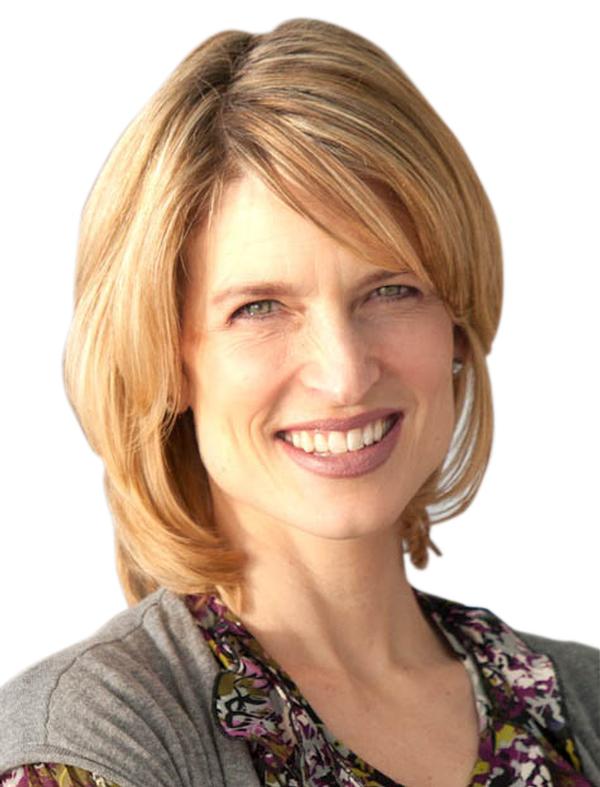
“Goals like this are important for focusing efforts and building momentum. Changing behaviour in sustainable ways is the key to success.
People’s motivation for being regularly active is what determines whether physical activity feels like a chore or a gift. So rather than promoting exercise as medicine, we should be promoting physical movement as a revitalisation strategy that helps us better succeed at what matters most.
Physical activity must feel accessible and do-able, and people should be given permission to move in ways that feel good to them. People need to believe all movement they can do counts, so they can be successful each day – something that motivates more movement. Research shows that, in general, if people exercise at higher intensities than they want to – because they’ve been directed to do so or feel they should – they have increased displeasure, and this becomes a recipe for them avoiding further exercise.
Ask your members to notice how they feel when they move during the day: do they have more energy or focus? Once people become aware of how physical movement enhances how they feel and function, it will become a ‘need’ instead of a ‘should’.”


















Designed to restore neglected land and renew the identity of Iraq’s capital city, Baghdad Sustainable Forests promises a new way of living surrounded by nature. Gensler’s Ian Mulcahay tells us why he thinks the project could become a model for the repair and enhancement of urban centres