Science centres must help public recognise truth in post-truth era, says Linda Conlon


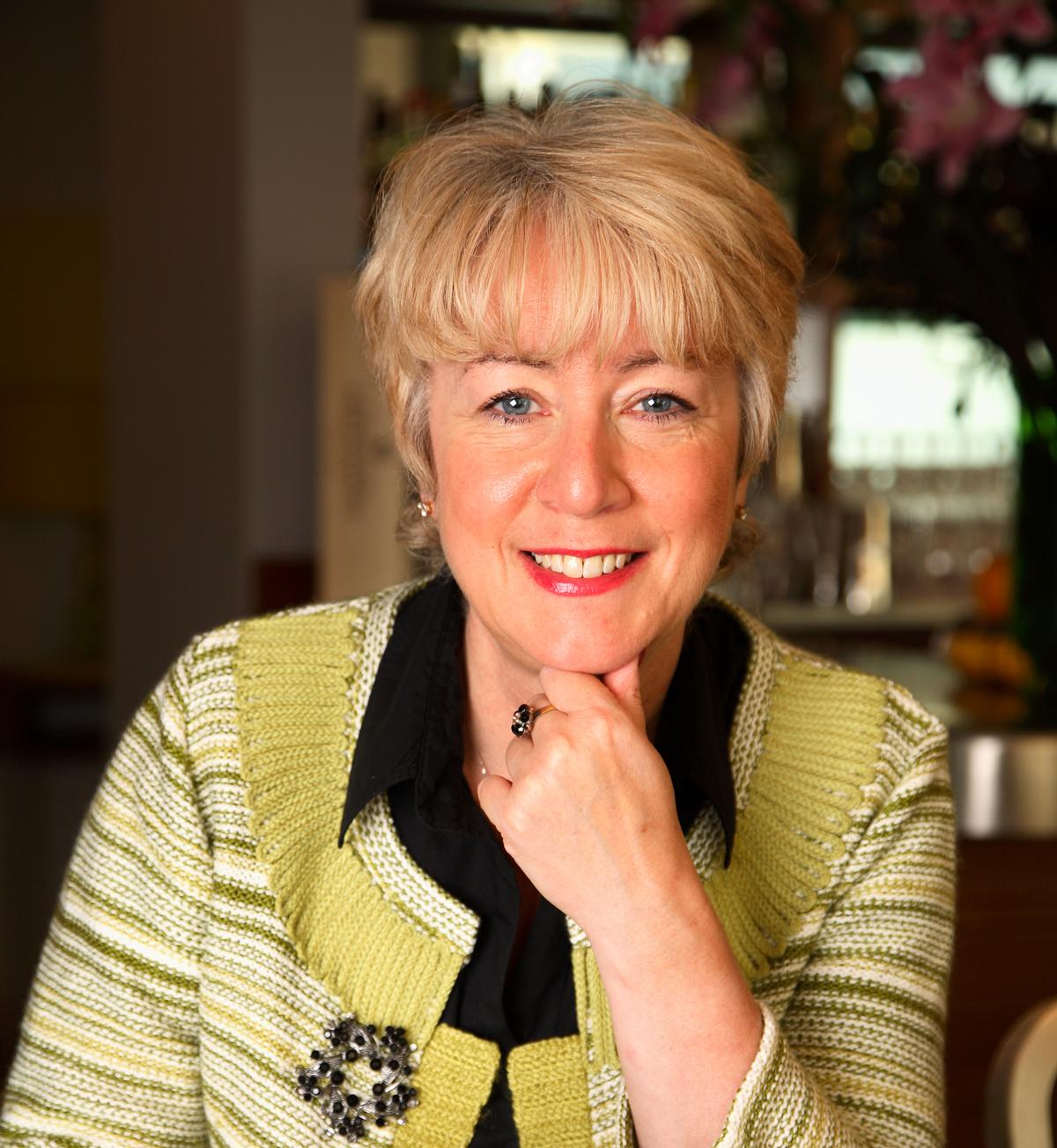
Science centres have a vital role to play in educating the public about “alternative facts”, fake news and the post-truth phenomenon, the chief executive of Newcastle’s International Centre for Life has told Attractions Management.
“I think it’s probably one of the key issues facing science centres,” said Linda Conlon, who is also chair of the Association of Science-Technology Centers (ASTC). “It’s something that’s very pertinent and is being fuelled by recent events, certainly in the West.”
Conlon said social media platforms such as Facebook – which facilitate the spread of false facts and fabricated news stories – have become a threat to science and accurate information, and she called on the science communication sector to do more to respond to the growing crisis.
“There’s nothing new about politicians saying outrageous things or mainstream media being partisan,” said Conlon. “And I think people are generally better educated than they ever have been. We can’t therefore attribute this post-truth phenomenon to politicians and the media. So what is it? I think the advent and massive rise of social media is what’s different.”
It’s important to understand the reach of Facebook. Conlon compares the social media giant, which boasts some 1.2 billion users a day, to a traditional news source such as the BBC’s News at 10 programme, which gets 4.5 million viewers. Even a globally popular news site like the Mail Online can’t compete, with its 15 million users a day.
When alternative facts or inaccurate information get shared, they can reach millions of people within minutes. Just one currently trending example on Facebook is an unusual numbers of posts and groups – with tens of thousands of members – claiming that the Earth is flat.
“Because of its personal content and the way it brings people together, millions of people check Facebook on a regular basis. Meanwhile, the company is gathering information about them and using algorithms to find out what they’re interested in.”
Conlon added that people are predisposed to click on links that suit what they already think and are also heavily influenced by friends and peer groups.
“Facebook has tapped into this,” she said. “Science centres have to think about how they respond – and there’s no simple sound-bite answer.”
Conlon suggested science centres could team up with schools, giving young people the tools they need to figure out what information is accurate and what is false. They could also focus more on teaching the process of science, the rigorous checking and verification that a hypothesis has to undergo to be accepted.
“Science isn’t always right or wrong, or black or white. There are nuances and complexities that you have to recognise. Science centres can help people understand that and help them develop their reasoning skills, deduction skills and 21st-century skills,” she said.
“Science centres are here to help people address the challenges of living in the 21st century, when the pace of science and technology is moving at an unprecedented rate. Change isn’t new, but what’s very different is the pace of change. That’s something we really need to think about.”
post-truth alternative facts fake news science science communication science centres flat earthFighting back against fake news a priority for new Ecsite president Herbert Munder
Science centres must engage with more diverse audiences or risk becoming 'obsolete'
FEATURE: Interview – Linda Conlon
BIG unveils Eve Music Hall as Croatia venue nears completion
Bob Rogers hands BRC to long-serving leadership team

Wellness care hospital opens in Vilnius with innovative spa and hospitality concept

Universal and Puy du Fou projects point to rise of Oxford–Cambridge corridor
A proposed Puy du Fou development near Bicester and Universal Destinations and Experiences’ planned resort in Bedford are emerging as part of a wider transformation of the Oxford–Cambridge Growth Corridor into a major centre for UK leisure and tourism investment.
For years, the corridor has been associated primarily with science, technology, housing and university-led economic growth. However, the clustering of large-scale visitor attraction projects along the
All-inclusive eco-wellness development Auko to open near Vietnam’s Son Doong caves
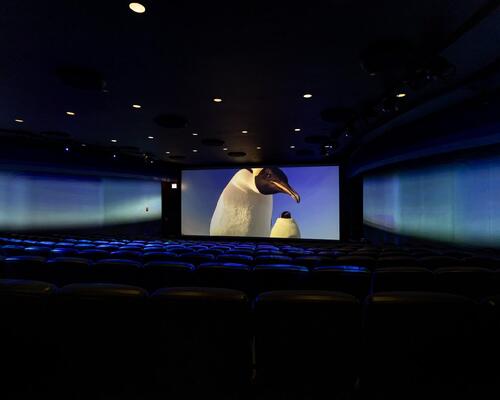
Shedd Aquarium upgrades its visitor experience with new Immersion Theater
Shedd Aquarium has opened the Immersion Theater developed in partnership with SimEx-Iwerks, as part of a wider strategy to enhance the guest experience and create additional revenue opportunities.
The attraction has transformed the aquarium’s Phelps Auditorium into a multi-sensory venue combining panoramic projection, environmental effects and interactive technology.
A new pre-show area allows visitors to engage with augmented reality marine animals before entering the
Mandarin Oriental announces standalone Mansions-branded residences for Abu Dhabi
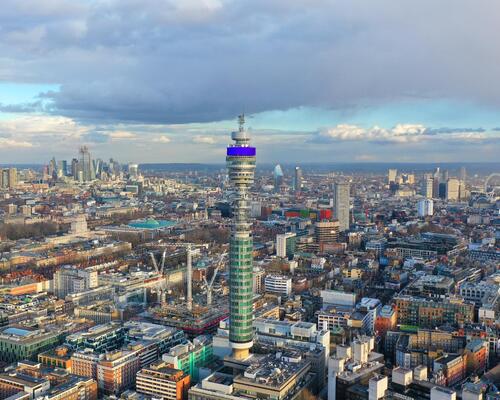
MCR is planning a luxury hotel for London's BT Tower
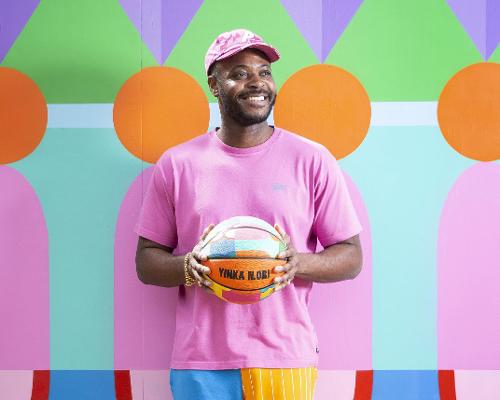
Joy as a radical act: Yinka Ilori launches solo exhibition celebrating the rebellious power of spreading happiness

Work gets underway on Madrid's €800 million leisure complex
Work is underway in Madrid on one of Europe’s most significant multi-functional complexes, combining sport, entertainment, culture and education.
The €800 million initiative to regenerate the former Olympic Aquatic Centre in the north-east of the city, next to the Riyadh Air Metropolitano stadium, is being led by Barsento – a joint venture between Live Nation Entertainment, Oak View Group and Atlético de Madrid. The project will
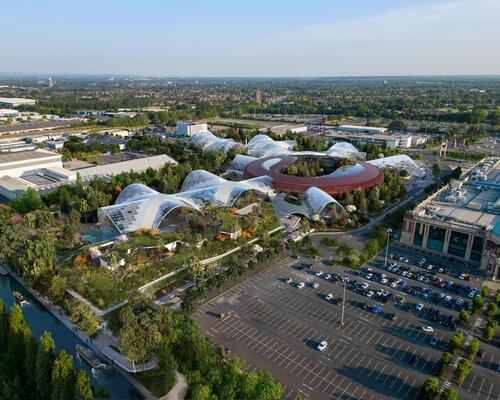
Therme Manchester reveals 90:90 strategy – 90 per cent of the UK population within a 90-minute drive of a Therme

Four Seasons’ Naples Beach Club opens 2,800sq m Sanctuary spa inspired by indigenous Calusa people
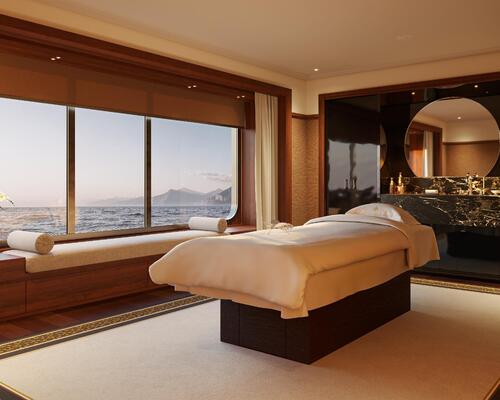
Orient Express Corinthian to host Ocean Rebirth wellness retreat in collaboration with Guerlain
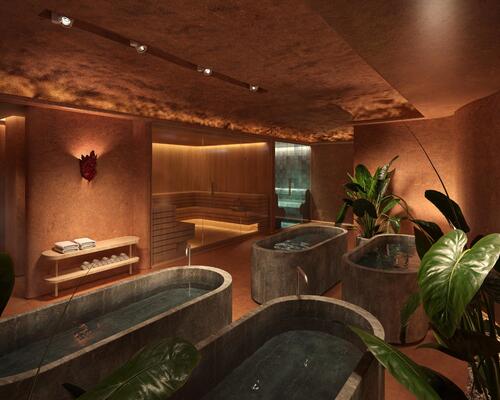
Famed London nightclub, Tramp, launches Tramp Health
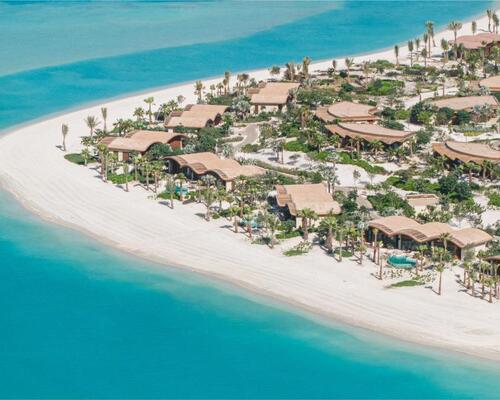
First look: Miraval opens on the Red Sea in Saudi Arabia

Hainan Science Museum by Ma Yansong, opens in China
A new science museum has opened to the public in Haikou after attracting more than 350,000 visitors during a four-month soft opening period.
Designed by Ma Yansong and his practice MAD Architects, the Hainan Science Museum is located on the edge of Wuyuan River National Wetland Park and has already recorded peak attendance of more than 5,800 visitors in a single day.
Commissioned by
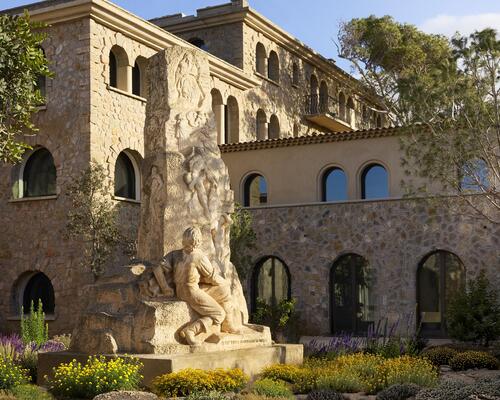
Zannier Île De Bendor launches with design by Hardel Le Bihan Architectes
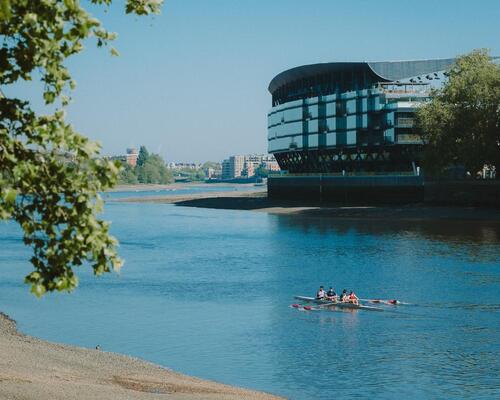
Sæl Spa readies for launch in London: “a modern British sanctuary”
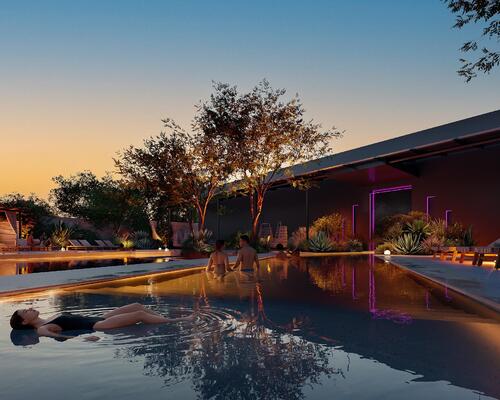
Immersive art bathhouse Submersive announces debut location in Austin

Construction begins on regenerative wellness destination The Shenandoah Nature Resort

Royal Caribbean reveals record-breaking cruise ship
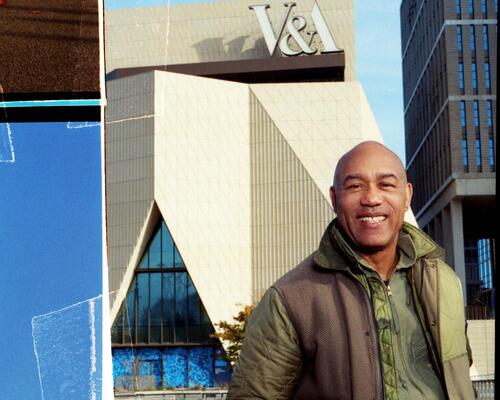
V&A East opens in London
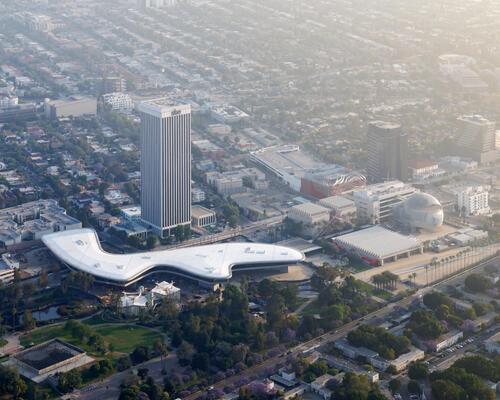
David Geffen galleries open at LACMA

New venue The Lands by Capella includes a longevity centre to complement sister hotel Capella Sydney

World of Frozen launches at Disneyland Paris
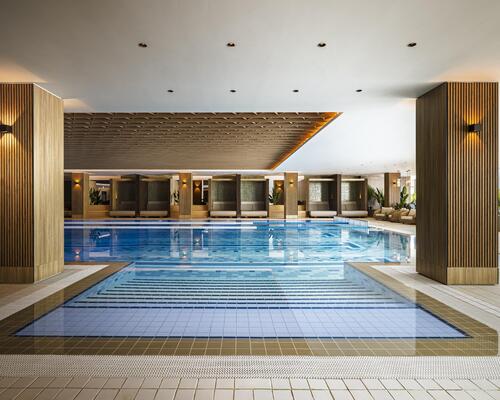
Pical Resort by Valamar reveals first Croatian spa under the ESPA brand

Mandarin Oriental creates end-to-end Egyptian journey with two new hotels and first-ever luxury river cruise

Designers Mendil + Meyer launch new division called Lām Concepts for strategic wellness projects
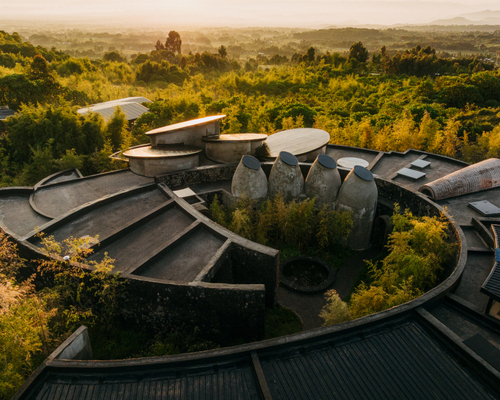
Wilderness Bisate in Rwanda reveals brand’s second Sanctuary spa
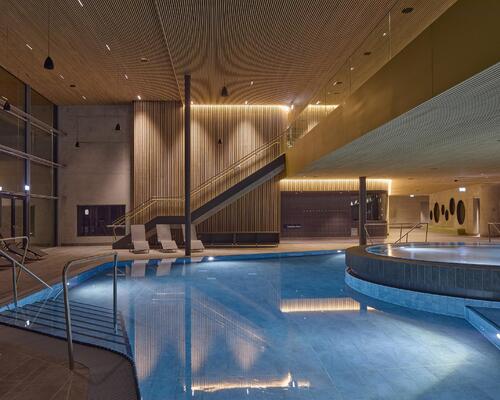
4a Architekten shares details of wellness extension at Salinarium Bad Dürkheim Thermal Spa



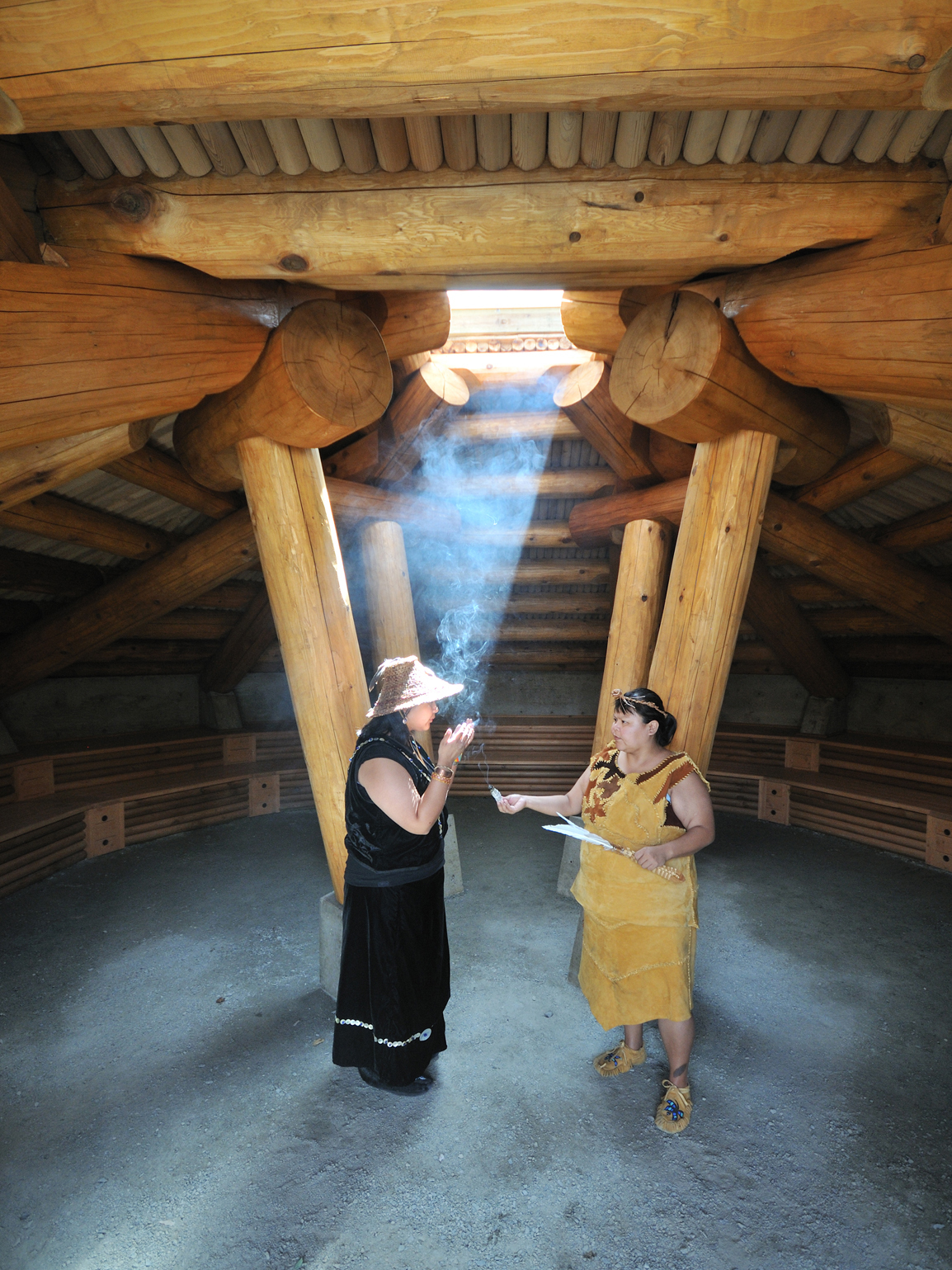

Designed to restore neglected land and renew the identity of Iraq’s capital city, Baghdad Sustainable Forests promises a new way of living surrounded by nature. Gensler’s Ian Mulcahay tells us why he thinks the project could become a model for the repair and enhancement of urban centres