Government reveals new obesity strategy – but where's the bit about gyms?


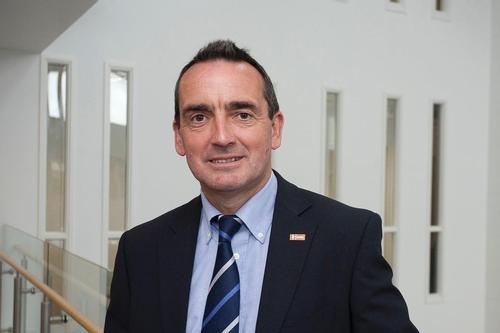
– Mark Sesnan
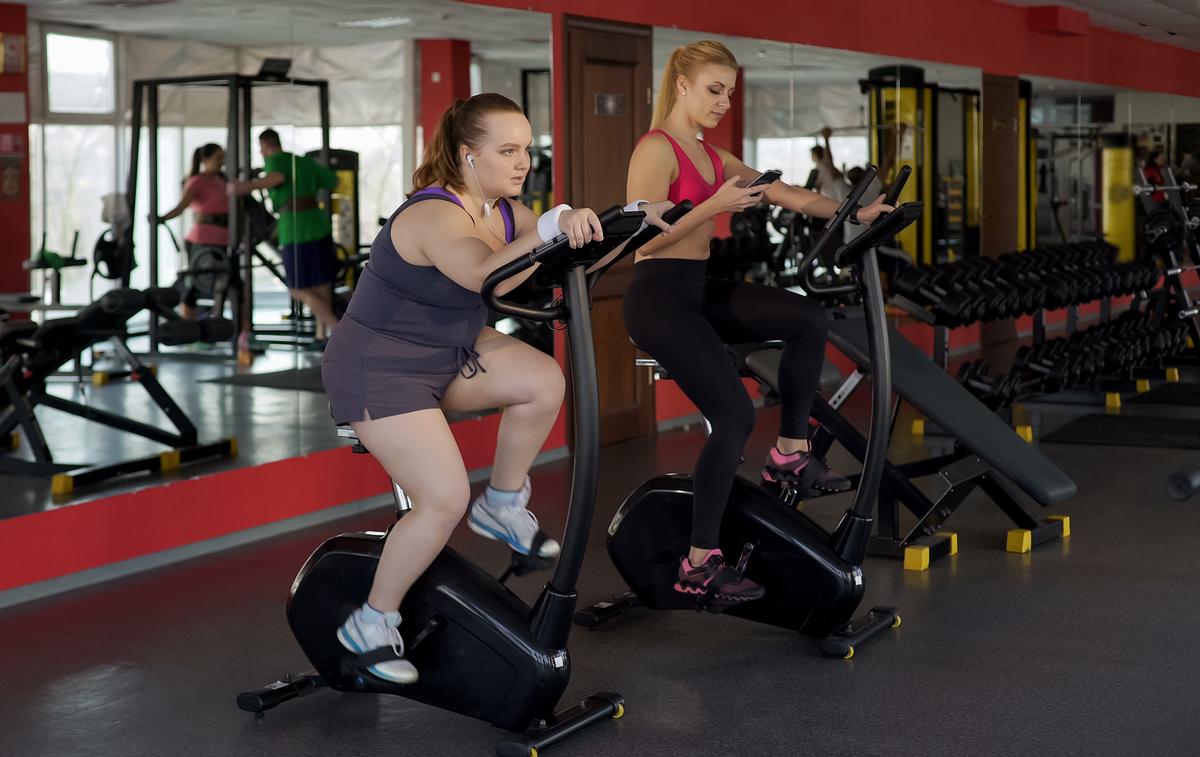
Bans on meal deals, stricter rules on food advertising and printing calorie contents on menus are among the measures introduced in the government's new anti-obesity strategy – but there is little mentioning of gyms or exercise.
Prime Minister Boris Johnson revealed the new strategy – called Tackling obesity: empowering adults and children to live healthier lives – today (27 July).
All of the strategy's headline-grabbing measures are to do with making diets healthier – and include a ban on junk food adverts before 9pm, a review of the current traffic light labelling on food and consultation on whether to stop fast food adverts online altogether.
While there is no doubt that the measures, if implemented, will result in a radical change to the way food is marketed and advertised, the lack of detailed policy items relating to exercise and physical activity has been called "disappointing" and "counterintuitive" by some in the active leisure industry.
The only item that refers to exercise in a somewhat vague way is the pledge to give greater incentives for GPs to tackling excess weight – including the use of exercise referrals.
"Many GPs around the country can already refer people living with obesity to weight management services," the strategy reads.
"We will encourage local authorities to expand their provision and where these services are not available doctors can guide people to the free NHS 12-week plan, which we will develop and enhance over time drawing on new insights about what works."
In its response to the strategy, industry body ukactive called on the government to rethink its plans and to ensure physical activity has an "equal footing" with diet.
"We believe that this complex issue requires a cross-party, multi-agency strategy to be successful, extending far beyond the framework announced today," said ukactive CEO Huw Edwards.
"This strategy must place diet, mental health and physical activity on equal footing, backed by real investment, changes in taxation and regulatory reform for the physical activity sector that will help people to be more active.
"The are many facets of physical, mental, emotional, and social health that cannot be addressed through diet alone.
"Physical activity has a central role to play in obesity and weight management, as well as the overall improvement of health, happiness, quality of life, and economic prosperity.
"The Government has the opportunity, working with its agencies and the sector, to bring plans together in the coming weeks that harness the value of physical activity.
"We believe these plans should contain, as a minimum, four components.
"First, a new model to open school sport facilities as community hubs, during out-of-school times, for children and families. All main political parties should commit to taking this model to national scale as soon as possible, reaching more than 6,500 school facilities by 2022.
"Second, we feel that VAT relief and the continuation of the business rate holiday would help stimulate and revitalise our high streets and towns. In March, the chancellor announced a business rates holiday for the leisure sector for the rest of the financial year, and this measure should be extended beyond March 2021.
"A Workout from Work scheme, extending the Cycle to Work, should also be introduced, offering a wider array of opportunities and equipment, including fitness trackers and gym memberships. This would bring £240m in savings for the Treasury, through reduced NHS costs, improved workplace productivity, and reduced premature mortality.
"Lastly, we need to establish a more ambitious frontline preventative health system in which GPs can confidently use social prescribing services to offer patients physical activity to aid recovery and health in patients undergoing prehab, rehab or managing long-term health conditions."
Speaking to HCM, Mark Sesnan, CEO of leisure operator GLL, questioned the lack of a joined-up approach, which would directly involve leisure facilities.
"While I welcome the launch of the Government’s obesity strategy, it seems counter-intuitive, when community leisure centres, gyms and pools across the UK are facing the biggest crisis in their history.
“The sector needs urgent financial support, similar to the package offered to the arts, to ensure that we don’t lose these crucial community facilities, which should be central to the fight against obesity.
“Many may never reopen following the four-month lockdown as they are unable to recoup the losses incurred.
"This will leave local communities with nowhere to exercise in a safe and supervised environment, particularly in the winter months when it’s dark & cold outside.
“Of course it will be the poorest in society who will lose out the most. Because they don’t have the financial resources to pay for an expensive private gym or personal trainer. Yet all research points to a clear connection between poverty and obesity.
“We are calling on central Government to take a more joined up approach and to link its new obesity strategy with public leisure facilities.
"They are already at the heart of the community, offer a range of ways to keep physically active and have qualified fitness experts onsite.
“There really is no need to reinvent the wheel. Using the facilities and expertise that is already in place is a no brainer; it’ll be more effective, easier to implement and cheaper in the long run.”
anti-obesity exercise Boris Johnson Tackling obesity Mark Sesnan Huw Edwards GLLGet fit and lose weight now says deputy chief medical officer
FEATURE: Immunity – Best defence
FEATURE: Editor's letter – Editor's letter
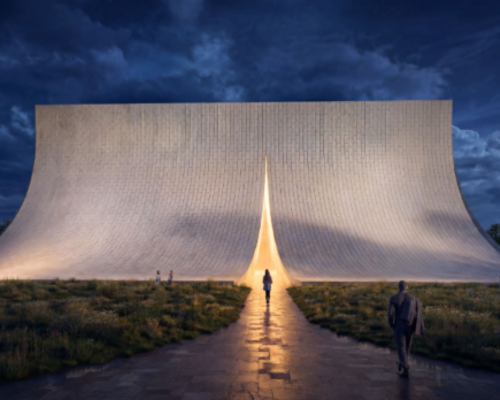
BIG unveils Eve Music Hall as Croatia venue nears completion
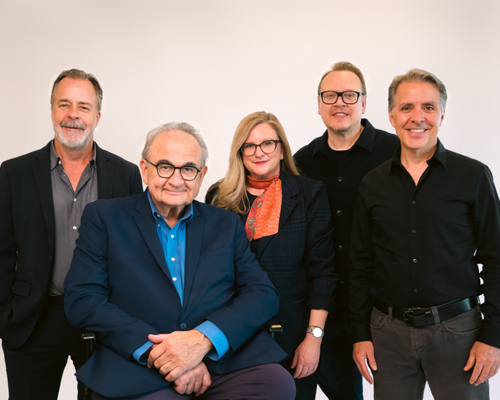
Bob Rogers hands BRC to long-serving leadership team

Wellness care hospital opens in Vilnius with innovative spa and hospitality concept

Universal and Puy du Fou projects point to rise of Oxford–Cambridge corridor
A proposed Puy du Fou development near Bicester and Universal Destinations and Experiences’ planned resort in Bedford are emerging as part of a wider transformation of the Oxford–Cambridge Growth Corridor into a major centre for UK leisure and tourism investment.
For years, the corridor has been associated primarily with science, technology, housing and university-led economic growth. However, the clustering of large-scale visitor attraction projects along the

All-inclusive eco-wellness development Auko to open near Vietnam’s Son Doong caves
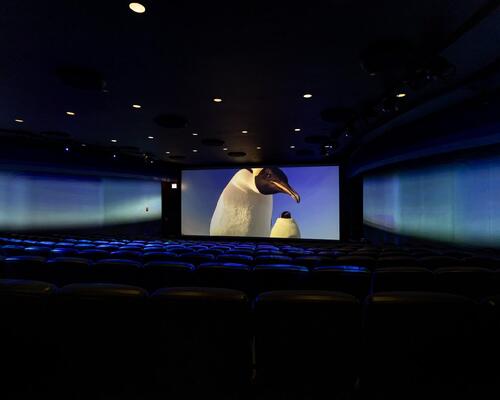
Shedd Aquarium upgrades its visitor experience with new Immersion Theater
Shedd Aquarium has opened the Immersion Theater developed in partnership with SimEx-Iwerks, as part of a wider strategy to enhance the guest experience and create additional revenue opportunities.
The attraction has transformed the aquarium’s Phelps Auditorium into a multi-sensory venue combining panoramic projection, environmental effects and interactive technology.
A new pre-show area allows visitors to engage with augmented reality marine animals before entering the
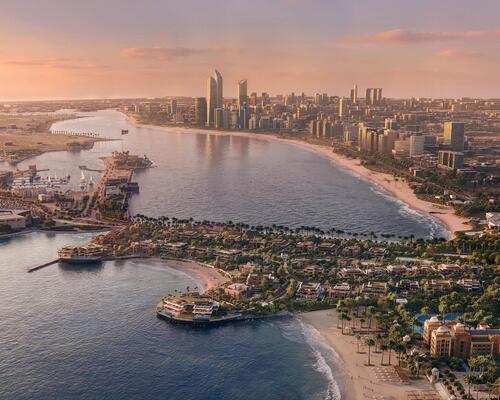
Mandarin Oriental announces standalone Mansions-branded residences for Abu Dhabi
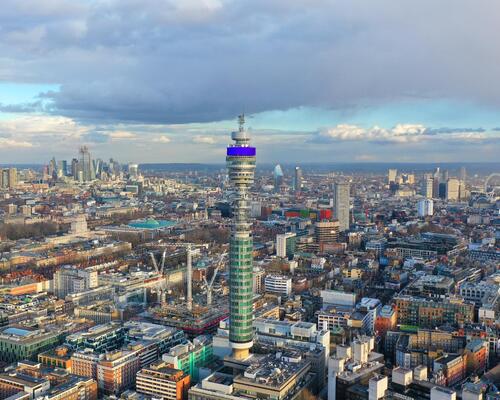
MCR is planning a luxury hotel for London's BT Tower
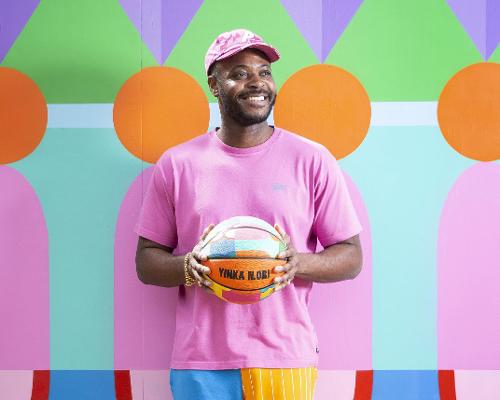
Joy as a radical act: Yinka Ilori launches solo exhibition celebrating the rebellious power of spreading happiness

Work gets underway on Madrid's €800 million leisure complex
Work is underway in Madrid on one of Europe’s most significant multi-functional complexes, combining sport, entertainment, culture and education.
The €800 million initiative to regenerate the former Olympic Aquatic Centre in the north-east of the city, next to the Riyadh Air Metropolitano stadium, is being led by Barsento – a joint venture between Live Nation Entertainment, Oak View Group and Atlético de Madrid. The project will
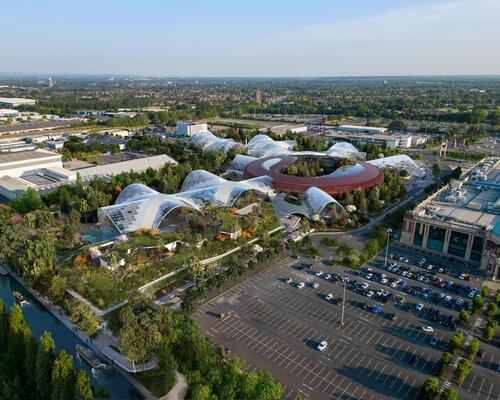
Therme Manchester reveals 90:90 strategy – 90 per cent of the UK population within a 90-minute drive of a Therme

Four Seasons’ Naples Beach Club opens 2,800sq m Sanctuary spa inspired by indigenous Calusa people
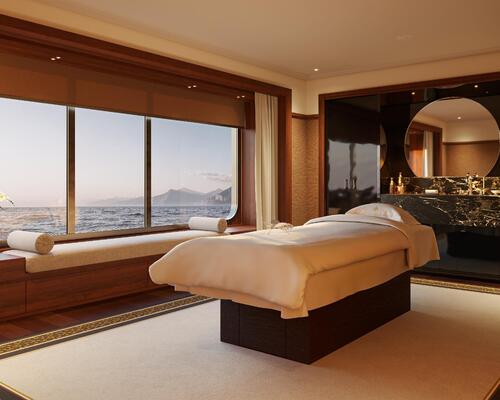
Orient Express Corinthian to host Ocean Rebirth wellness retreat in collaboration with Guerlain
Famed London nightclub, Tramp, launches Tramp Health
First look: Miraval opens on the Red Sea in Saudi Arabia

Hainan Science Museum by Ma Yansong, opens in China
A new science museum has opened to the public in Haikou after attracting more than 350,000 visitors during a four-month soft opening period.
Designed by Ma Yansong and his practice MAD Architects, the Hainan Science Museum is located on the edge of Wuyuan River National Wetland Park and has already recorded peak attendance of more than 5,800 visitors in a single day.
Commissioned by
Zannier Île De Bendor launches with design by Hardel Le Bihan Architectes
Sæl Spa readies for launch in London: “a modern British sanctuary”
Immersive art bathhouse Submersive announces debut location in Austin

Construction begins on regenerative wellness destination The Shenandoah Nature Resort

Royal Caribbean reveals record-breaking cruise ship
V&A East opens in London

David Geffen galleries open at LACMA

New venue The Lands by Capella includes a longevity centre to complement sister hotel Capella Sydney

World of Frozen launches at Disneyland Paris
Pical Resort by Valamar reveals first Croatian spa under the ESPA brand

Mandarin Oriental creates end-to-end Egyptian journey with two new hotels and first-ever luxury river cruise

Designers Mendil + Meyer launch new division called Lām Concepts for strategic wellness projects
Wilderness Bisate in Rwanda reveals brand’s second Sanctuary spa
4a Architekten shares details of wellness extension at Salinarium Bad Dürkheim Thermal Spa




Designed to restore neglected land and renew the identity of Iraq’s capital city, Baghdad Sustainable Forests promises a new way of living surrounded by nature. Gensler’s Ian Mulcahay tells us why he thinks the project could become a model for the repair and enhancement of urban centres