UK Active and Savanta launch quarterly consumer engagement insight



Improving physical strength and fitness, mental health and confidence are the main reasons for joining a health club, while cost, time and motivation are the main reasons for leaving.
These were some of the key findings of the first UK Active Consumer Engagement report, undertaken in collaboration with insight specialist Savanta.
The report is based on 16 months' of data and five waves of polling.
This first report will be followed by the publication of quarterly insights which provide analysis of consumer attitudes and trends – supporting the sector in its goal of reaching five million new members by 2030 as part of UK Active’s Vision 2030 strategy.
It will also be used to help the sector create a more inclusive service, with new programmes and services and insight-led, inclusive, targeted campaigns.
More than 10,000 existing, former and potential health club members were asked about their physical activity levels; health club membership status and usage; barriers and motivations to physical activity participation; what health means to them; the impact of the cost-of-living crisis; and how the sector is supporting them with long-term health conditions.
The fact that existing, former and potential health club members were polled on a variety of variables enables the report to make numerous comparisons between these three groups, creating complex layers of analysis which are beyond the scope of this news story.
You can enjoy our summary below, look out for more in-depth analysis in the next edition of HCM and read the report here.
HCM SUMMARY – UK Active Consumer Engagement report
Reasons for joining
At 82 per cent, improving or maintaining physical strength and fitness are the most popular reasons for joining a gym.
This was followed by improving mental health and wellbeing, including managing anxiety or depression (79 per cent).
Improving overall confidence and improving and maintaining physical appearance both scored 75 per cent, while 67 per cent took out a membership to improve their sleep – a growing priority for consumers and a factor that has not been assessed in many previous research studies.
Also scoring well were making new friends (46 per cent) or to prepare for an important event such as a wedding, or holiday (43 per cent).
The most important factors for choosing which specific health club to join are location, cost, quality of facilities through the variety of weights and machines and swimming pool access.
Of lesser importance for existing members and the lowest reasons provided for selecting a particular facility were the staff (6 per cent), recommendations from someone else (6 per cent), additional facilities such as creche, café (6 per cent) and access to online content (3 per cent).
There are many reasons for these 'lesser importance' scores. There is no breakdown given in the research as to whether the clubs selected were staffed or unstaffed and this would impact the staffing score, for example. Also it could be that access to online content is now so ubiquitous that it is expected and therefore is no longer a differentiator.
The scores do not indicate that these variables are universally of lesser importance in choosing to join a health club, only that they are not a differentiator between clubs.
'Current members' are the biggest engagers in home activity at 42 per cent, compared to 22 per cent of 'never-been' members, while 34 per cent of 'former members' still work out at home, suggesting they still have an appetite for being active, but are using other methods of exercising outside the health club.
BarriersThe main reasons for not taking out a health club membership were cited as the cost, with 69 per cent still seeing a membership as too expensive and there being 'no need for a membership' (47 per cent).
It's worth noting that low-cost options are not available everywhere and in rural locations, with low populations, memberships can cost more than in urban areas.
Not having the confidence to join a health club was cited by 43 per cent and some said they felt uncomfortable at the thought of joining a health club or leisure facility or were simply not interested.
Why consumers view health clubs as being too costly to join is not examined, so we are not clear on whether this is an absolute measure – ie, they do not have the funds – whether this is an assessment of the perceived value of health clubs, given what consumers understand about them or whether this is a judgement they make around expenditure in relation to health clubs versus other areas of discretionary spend.
These are all areas where HCM would like to see further research being conducted.
Cost was also the main reason for ending a membership; followed by not using the health club enough; the impact of the cost of living crisis; lost motivation and not having enough time.
The UK Active/Savanta research found people appear to lose the most motivation in July, possibly because of the draw to be outside, childcare responsibilities and the holiday season bringing about a loss of routine.
Opportunities or challenges
Solutions need to be found to the main issues of cost, time and motivation, which cause people to leave. UK Active suggests flexible price plans, loyalty points and schemes for regular attendance.
Digital tours could be used more as a tool to overcome the fear of joining, so prospective members have an idea of what to expect.
UK Active is calling on the government to help spread the message of the health benefits of health club membership, as well as making people with health conditions aware of how local gyms and leisure centres can help them.
Efforts should be made to keep current members engaged, for example, by highlighting new products.
Next stepsUK Active will be using the data in its lobbying efforts and calling for the government to raise awareness of health programmes available in health clubs and leisure centres.
Huw Edwards, CEO of UK Active, said: “Any future government must prioritise three simple things if it is serious about shifting the dial on the nation’s health and our economy. The first is working with our sector to recognise the fullest role it can play in supporting the nation’s mental health.
“The second is empowering our sector to reach even more people, which can be achieved through reforms to the tax and regulatory system that would help operators to lower prices. Finally, collaborate with our sector on a national campaign to increase awareness of the fantastic health programmes that are available in gyms* and leisure centres," he said.
UK Active Consumer Engagement reportThe insight assessed:
• Current physical activity levels• Gym membership status, length, usage and uptake
• Barriers and motivations for physical activity participation and membership at a gym or leisure centre• Workplace physical activity opportunities and impact of avoiding sickness and work absence
• Leisure facility digital platform user experience• What health means to consumers and how leisure facilities can support health conditions
• The impact of the cost-of-living crisis• Environmental sustainability importance
Sign up to get the your free digital edition of HCM containing our report on this research.
* Editor's note
In using the term 'gym' UK Active means health clubs, studios and gyms across all sectors.
Consumer Engagement Report ukactive Savanta Huw Edwards4Global and UK Active launch private sector health club benchmarking
New campaign challenges politicians to prove they're 'Fit for Office' by engaging in physical activity
No wealth without health, says UK Active chief Huw Edwards


BIG unveils Eve Music Hall as Croatia venue nears completion
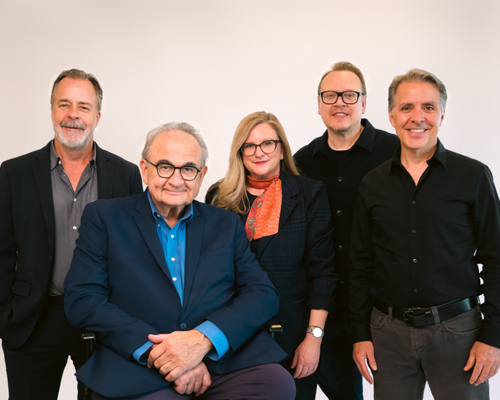
Bob Rogers hands BRC to long-serving leadership team

Wellness care hospital opens in Vilnius with innovative spa and hospitality concept

Universal and Puy du Fou projects point to rise of Oxford–Cambridge corridor
A proposed Puy du Fou development near Bicester and Universal Destinations and Experiences’ planned resort in Bedford are emerging as part of a wider transformation of the Oxford–Cambridge Growth Corridor into a major centre for UK leisure and tourism investment.
For years, the corridor has been associated primarily with science, technology, housing and university-led economic growth. However, the clustering of large-scale visitor attraction projects along the

All-inclusive eco-wellness development Auko to open near Vietnam’s Son Doong caves
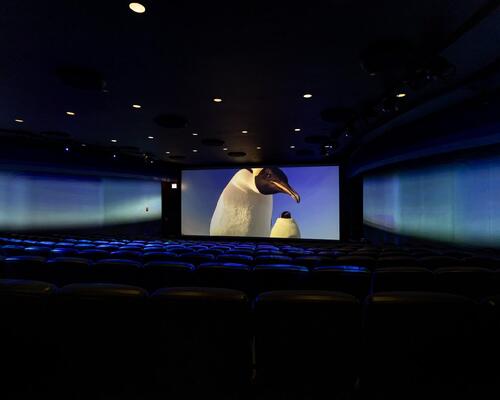
Shedd Aquarium upgrades its visitor experience with new Immersion Theater
Shedd Aquarium has opened the Immersion Theater developed in partnership with SimEx-Iwerks, as part of a wider strategy to enhance the guest experience and create additional revenue opportunities.
The attraction has transformed the aquarium’s Phelps Auditorium into a multi-sensory venue combining panoramic projection, environmental effects and interactive technology.
A new pre-show area allows visitors to engage with augmented reality marine animals before entering the

Mandarin Oriental announces standalone Mansions-branded residences for Abu Dhabi

MCR is planning a luxury hotel for London's BT Tower

Joy as a radical act: Yinka Ilori launches solo exhibition celebrating the rebellious power of spreading happiness

Work gets underway on Madrid's €800 million leisure complex
Work is underway in Madrid on one of Europe’s most significant multi-functional complexes, combining sport, entertainment, culture and education.
The €800 million initiative to regenerate the former Olympic Aquatic Centre in the north-east of the city, next to the Riyadh Air Metropolitano stadium, is being led by Barsento – a joint venture between Live Nation Entertainment, Oak View Group and Atlético de Madrid. The project will
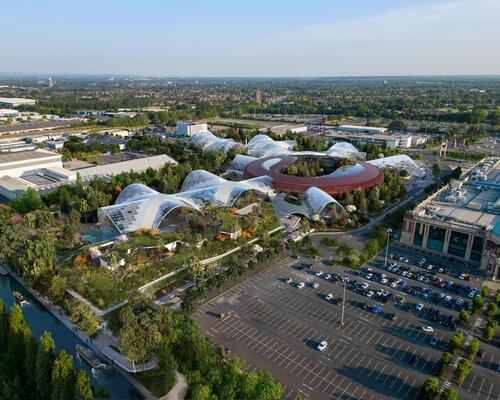
Therme Manchester reveals 90:90 strategy – 90 per cent of the UK population within a 90-minute drive of a Therme

Four Seasons’ Naples Beach Club opens 2,800sq m Sanctuary spa inspired by indigenous Calusa people
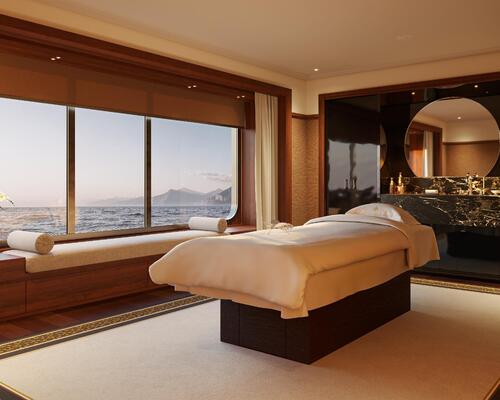
Orient Express Corinthian to host Ocean Rebirth wellness retreat in collaboration with Guerlain

Famed London nightclub, Tramp, launches Tramp Health

First look: Miraval opens on the Red Sea in Saudi Arabia

Hainan Science Museum by Ma Yansong, opens in China
A new science museum has opened to the public in Haikou after attracting more than 350,000 visitors during a four-month soft opening period.
Designed by Ma Yansong and his practice MAD Architects, the Hainan Science Museum is located on the edge of Wuyuan River National Wetland Park and has already recorded peak attendance of more than 5,800 visitors in a single day.
Commissioned by

Zannier Île De Bendor launches with design by Hardel Le Bihan Architectes

Sæl Spa readies for launch in London: “a modern British sanctuary”

Immersive art bathhouse Submersive announces debut location in Austin

Construction begins on regenerative wellness destination The Shenandoah Nature Resort

Royal Caribbean reveals record-breaking cruise ship

V&A East opens in London

David Geffen galleries open at LACMA

New venue The Lands by Capella includes a longevity centre to complement sister hotel Capella Sydney

World of Frozen launches at Disneyland Paris
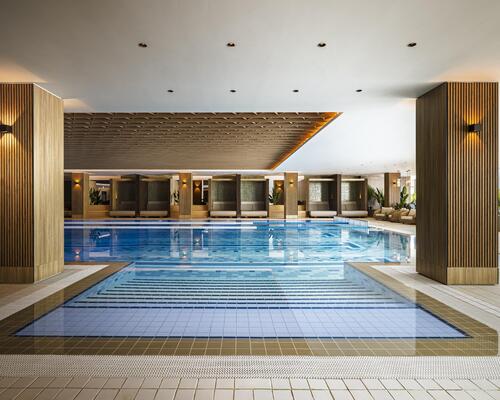
Pical Resort by Valamar reveals first Croatian spa under the ESPA brand

Mandarin Oriental creates end-to-end Egyptian journey with two new hotels and first-ever luxury river cruise

Designers Mendil + Meyer launch new division called Lām Concepts for strategic wellness projects

Wilderness Bisate in Rwanda reveals brand’s second Sanctuary spa
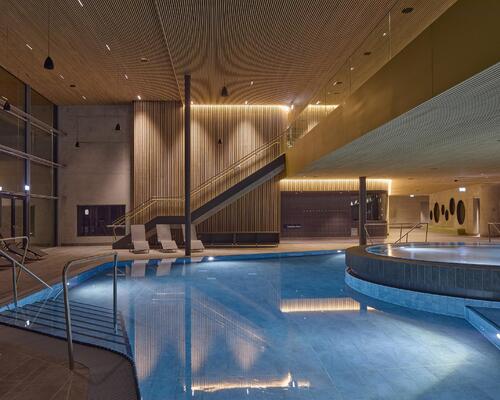
4a Architekten shares details of wellness extension at Salinarium Bad Dürkheim Thermal Spa



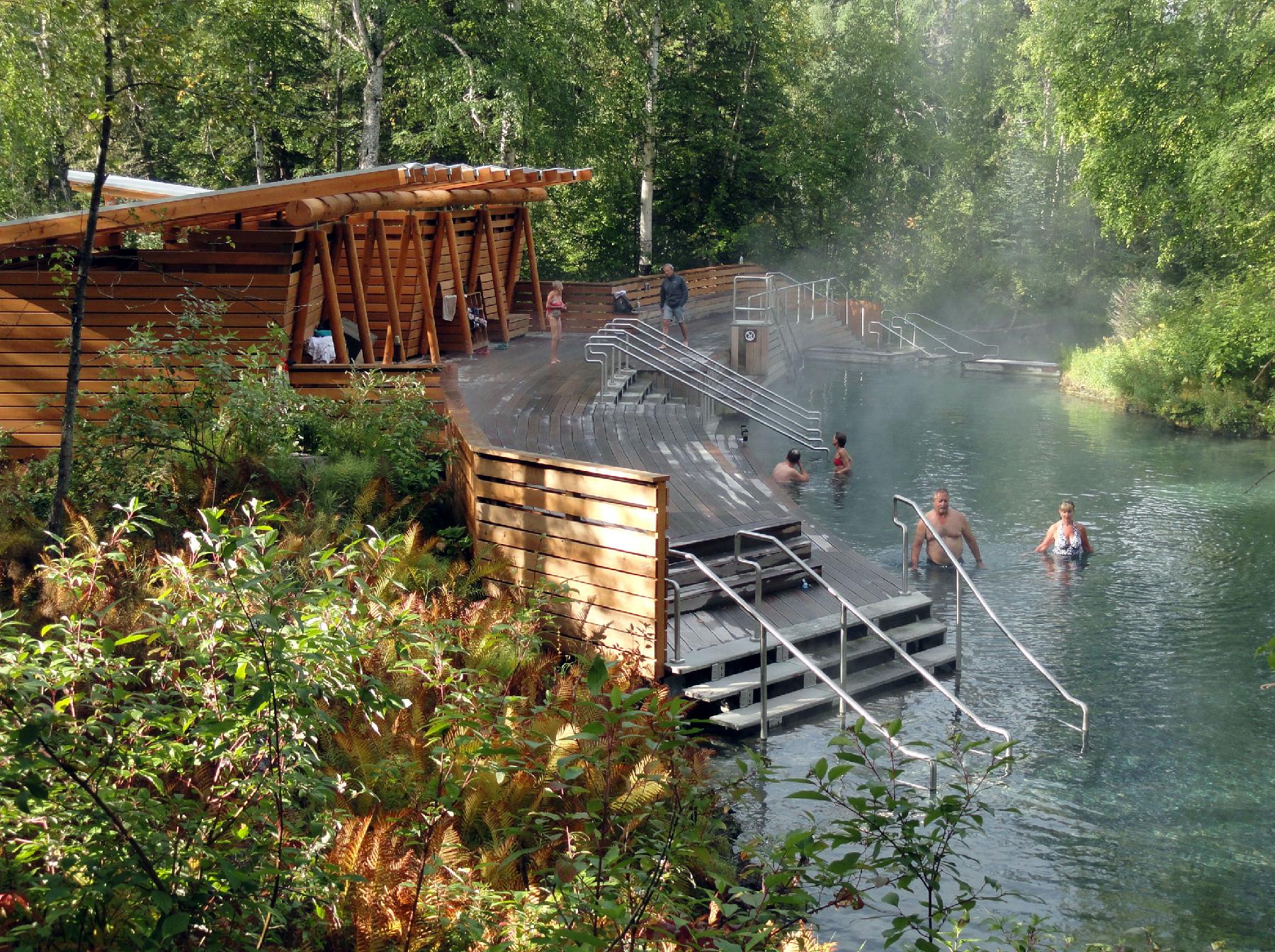















Designed to restore neglected land and renew the identity of Iraq’s capital city, Baghdad Sustainable Forests promises a new way of living surrounded by nature. Gensler’s Ian Mulcahay tells us why he thinks the project could become a model for the repair and enhancement of urban centres