Themed Index 2016: Disney dominates while museums spin their wheels


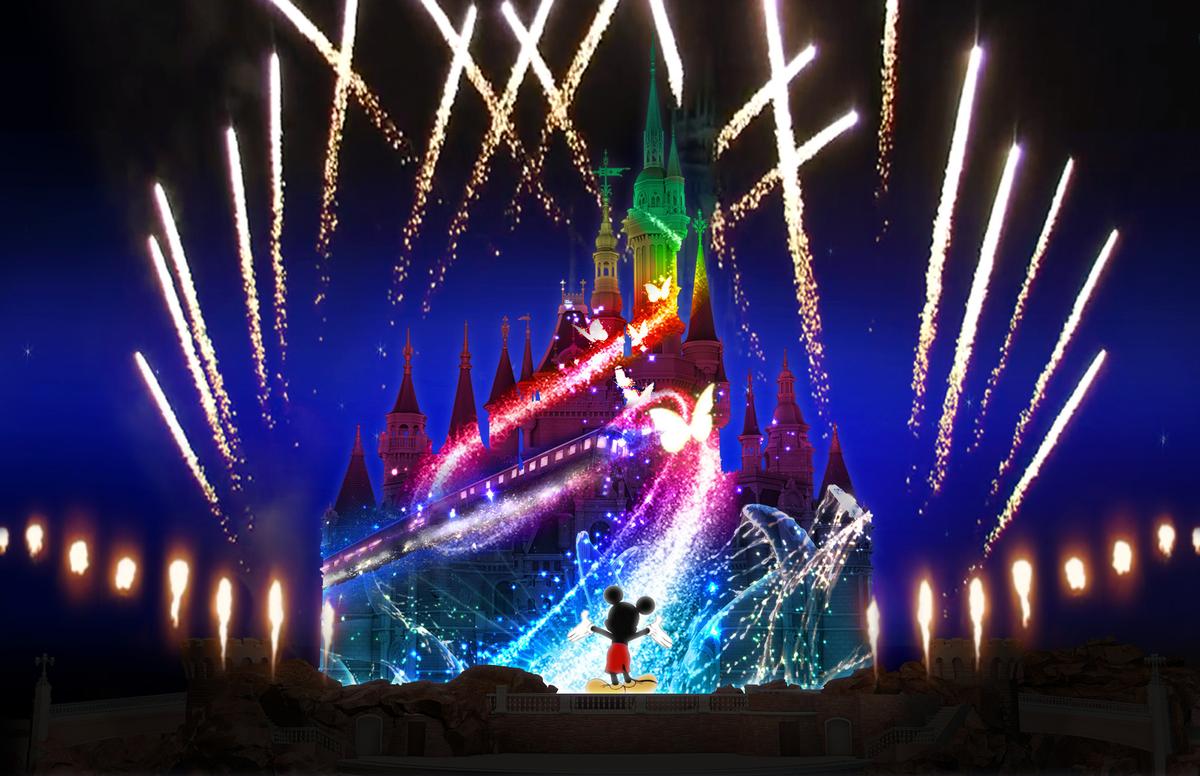
The world’s top theme parks recorded tremendous growth in 2015, while visitor numbers to museums entered overall decline, according to the 2016 edition of the TEA/AECOM Themed Index Report.
Released today (25 May), the 10th edition of the Themed Index Report recorded a 7.2 per cent increase in attendance across the world’s top 10 theme park groups, with the top 25 achieving more than 5 per cent growth year-on-year.
Walt Disney is the dominant market leader, marking a 2.7 per cent increase in visitor numbers to 137.9 million people. Merlin finished a distant second, with its visitor numbers increasing 0.2 per cent as 62.9 million people visited its attractions. Universal rounded off the big three, recording an impressive 11.8 per cent increase in visitor numbers, up to 44.8 million. Total attendance for theme park groups worldwide was 420.4 million, up from 382.8 million in 2014.
For individual parks, Florida’s Magic Kingdom was king-of-the-hill, with a 6 per cent rise in visitor numbers to 20.5 million. Disney’s theme park dominance was echoed here as it filled the top three spots, with Disneyland California and Tokyo Disneyland welcoming 18.3 million and 16.6 million visitors respectively.
Universal recorded particularly strong growth at its parks in Osaka and Orlando, something the operator attributes to the success of its Harry Potter attractions. Universal Japan’s numbers rose a staggering 17.8 per cent, up to 13.9 million from 11.8 million, while Universal Orlando produced similar increases, welcoming 9.6 million visitors to record a 16 per cent attendance spike.
Waterparks have remained relatively stable over the 2014-2015 period. For the world’s top 20 waterparks there was a slight increase in attendance, with 28.7 million people visiting in 2015, compared to 28.1 million the year before. Of the top 20 waterparks, Germany’s Therme Erding recorded the largest visitor increase, which jumped nearly a quarter to 23.5 per cent, up to 1.2 million from 1 million in 2014. Chimelong Waterpark in Guangzhou, China, remains the most visited, with a 4.1 per cent rise in visitors to 2.35 million.
While the North America is the dominant region for global attractions, results from the past 10 years suggest Asia-Pacific is hot on its heels as geographic distribution of attractions moves east. According to the Themed Index, the Asia-Pacific region now draws 42 per cent of the world’s major attractions – an increase of 7 per cent in the last decade. This has resulted in slight dips for the North America and EMEA regions, down 5 and 2 per cent respectively.
While things are looking rosy for the wider global attractions industry, museums appear to be in a phase of transition. The fourth year the report has tracked the performance of museums in its Museum Index, overall attendance saw a slight decrease, with numbers for the top 20 museums worldwide down 0.7 per cent to 106.5m – a drop of 800,000 people.
The Louvre continues to be the world’s most-visited museum despite a 6.5 per cent decrease in attendance. Welcoming 8.7 million people, the Parisian landmark leads the pack, ahead of the National Museum of China as the second-most visited in the world at 7.3 million visitors, while Washington’s National Museum of Natural History and National Air and Space Museum tied a joint third with 6.9 million visitors.
According to the report, attendance swings across the world’s top museums are largely tied to the presence or absence of significant exhibitions or major events occurring in their host markets. The sharp drop at the Tate Modern in London, for example, was in part due to the all-time high achieved in 2014 for its Henri Matisse exhibition, exacerbated by exhibition closures at the nearby Southbank Centre. In contrast, the Victoria & Albert Museum saw a dramatic rise in attendance due to its most popular exhibition ever, Savage Beauty: Alexander McQueen.
London’s status as the global capital of museums has been reaffirmed, with six of its museums in the English capital making the top 20 list – more than any other city worldwide. The British Museum was the capital’s most attended museum, with visitor numbers up 1.9 percent in 2015 over the previous year, earning it fifth place in the global table. Other British museums in the top 20 are the National Gallery, Natural History Museum, Tate Modern, the V&A and the Science Museum.
The sector also starred some standouts, with North America’s visitor numbers for museums rising 3 per cent and the Hermitage in Russia increasing numbers by 12.9 per cent. The Shanghai Science and Technology Museum recorded arguably the most impressive performance with a phenomenal year-on-year attendance increase of 40.9 per cent – up to a total of 5.95 million visitors.
“With 10 years of data, the TEA/AECOM Theme Index and Museum Index reveals the true breadth, success and impact of the visitor attractions industry,” said TEA International Board president Steve Birket. “The study shows global theme park attendance in 2015 was driven largely by the strong performance of the major Asian and US operators, including OCT Parks China, Chimelong, Fantawild, SongCheng, Disney and Universal. The museum market was led by a few standouts with double digit growth, including the Hermitage in Russia and the Shanghai Science and Technology Museum.”
To read the full report, click here.
Themed Index Disney Theme Park Waterpark Museum Universal Themed Index Report TEA AECOM
‘One tiger no match for a pack of wolves’ says Wanda chair warning Disney off China
'Jimmy' offers Disney the evolution of human-controlled robots
Disney theme parks soar while media division stutters in Q2 earnings
China to catch US by 2020 in race for theme park supremacy
Theme Index 2014: North American theme parks back in business
AI firm Midjourney enters wellness with spa, fitness and body scanning concept
Hot spring wellness community Ameyalli sells residences and breaks ground on resort and spa

OMA completes New Museum transformation with landmark expansion and Oberon restaurant
OMA has completed a major transformation of New York's New Museum, creating a larger cultural campus that combines expanded exhibition spaces with learning, performance, hospitality and public programming. The latest addition, Oberon, extends the visitor experience beyond the gallery, reflecting a growing trend for museums to become all-day destinations.
The New Museum in New York has entered a new chapter with the completion of a major
David Rockwell creates immersive magic destination, The Hand and The Eye
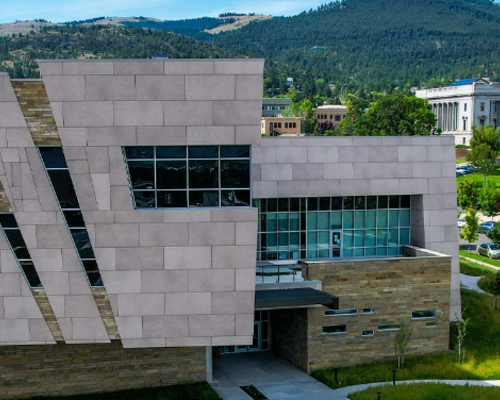
Montana Heritage Center by Cushing Terrell opens after US$107 million investment
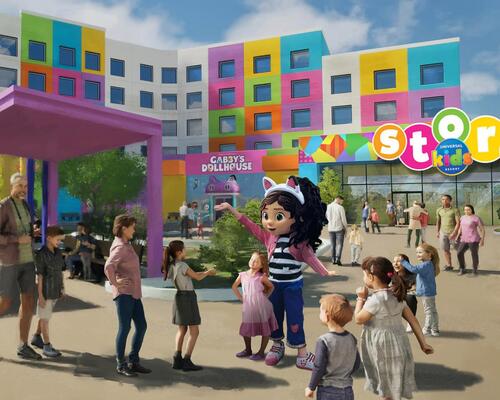
Universal launches new theme park model with Kids Resort
'Minor wellness hotels' recorded the strongest growth across top KPIs in 2025, finds RLA Global
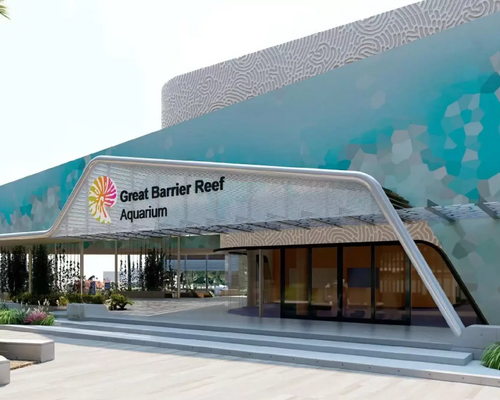
Great Barrier Reef attraction set for AU$180 million reinvention
Fairmont Cheshire, The Mere, has architecture by Leach Rhodes Walker and interiors by Bergman Design House.
Marriott International partners with Fitwel for wellness solutions across its residential portfolio
Preidlhof Luxury DolceVita Resort to unveil new spa in February 2027
Places Leisure is working with Roberts Limbrick to build £60m wellness flagship in Basingstoke
Hoshino Resorts opens Kai Kusatsu as it expands the Kai onsen ryokan brand
Qiddiya and Populous share details of Saudi Arabia’s National Tennis Centre
Disney confirms US$30 billion investment programme as it highlights its economic impact
Until combines multiple disciplines at new Canary Wharf club
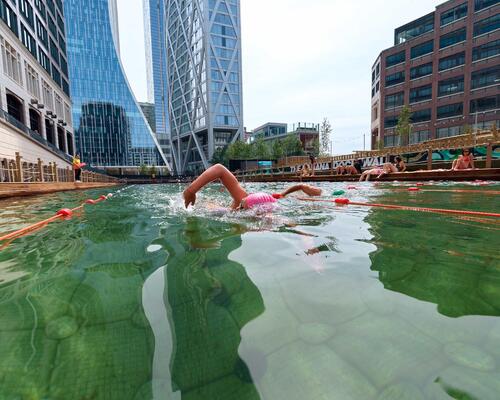
Sea Lanes opens following a partnership between The Eden Project and Canary Wharf Group
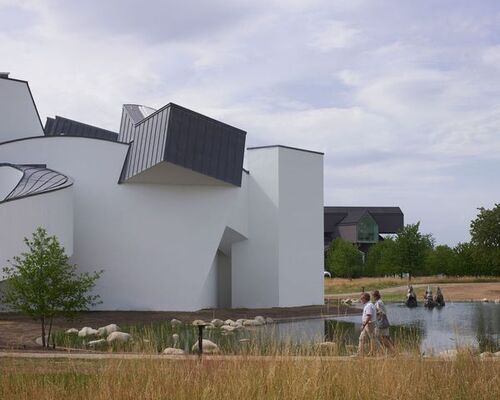
Bas Smets brings water and wilderness to Vitra
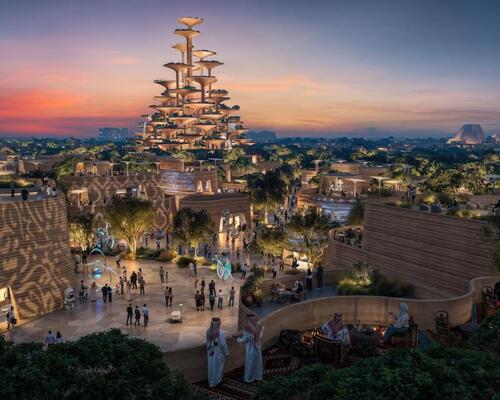
Expo 2030 Riyadh will create a permanent global destination
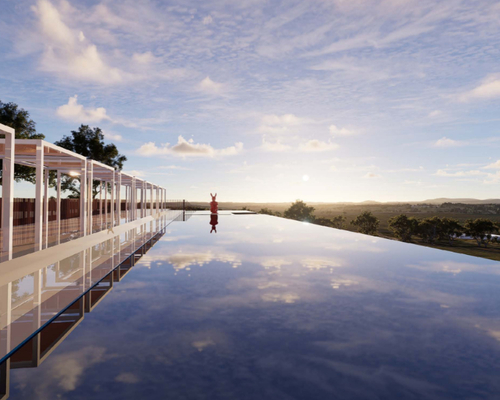
Luxury resort coming to Hunter Valley will have longevity spa
'Data chocolate', dreams made real and artworks shaped by visitors’ emotions: Refik Anadol’s AI art museum launches in Los Angeles
London Museum reveals 2026 opening date for new Smithfield home
BIG unveils Eve Music Hall as Croatia venue nears completion
Bob Rogers hands BRC to long-serving leadership team
Palazzo di Varignana launches family wellbeing and longevity retreat in Emilia Romagna
Anasa Wellness and Spa debuts at Patmos Aktis as it joins Marriott
Design-led Koru Health Club combines high-performance training with recovery

Wellness care hospital opens in Vilnius with innovative spa and hospitality concept

Universal and Puy du Fou projects point to rise of Oxford–Cambridge corridor
A proposed Puy du Fou development near Bicester and Universal Destinations and Experiences’ planned resort in Bedford are emerging as part of a wider transformation of the Oxford–Cambridge Growth Corridor into a major centre for UK leisure and tourism investment.
For years, the corridor has been associated primarily with science, technology, housing and university-led economic growth. However, the clustering of large-scale visitor attraction projects along the

All-inclusive eco-wellness development Auko to open near Vietnam’s Son Doong caves