Thai spa industry study unveiled at WSWC 2014
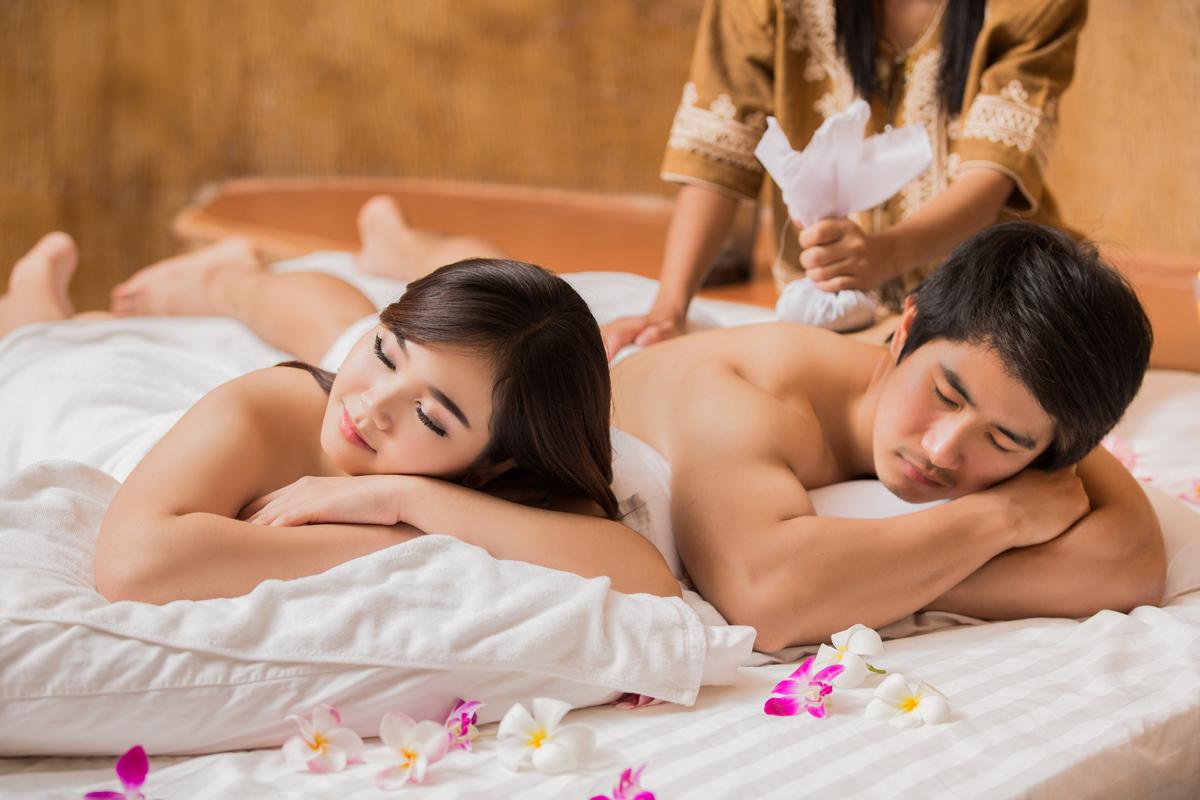
Stenden Rangsit University, in collaboration with the Thai Spa Association, presented the latest research results of the Spa Industry Study at the World Spa & Wellbeing Convention (WSWC) 2014 in Bangkok.
This is the second edition of the study – the first was published last year at the WSWC 2013 after former president of the Thai Association, Andrew Jacka, proposed the collaboration. Jacka is the current chair of the organisation committee for the WSWC. The 2014 study is therefore a continuation of this collaboration, led by Prantik Bordoloi, the research co-ordinator at Stenden Rangsit University.
“There is a continuation of the trends that we had identified last year, for example, that spa consumers place a lot of importance on recommendations by friends when choosing a spa,” said Bordoloi. “This year we see that the spa consumers are very positive about their experience and would continue to visit and spend more in the upcoming 12 months.”
The study was carried out in two parts: spa consumer research and spa operator research. 295 spa consumers took part in the research and 115 spa managers were surveyed online.
Spa Operator Study Results
Of the 115 spa operator respondents, almost half of them were from Thailand, followed by China and India. Other respondents were from the US, Australia and France. Around two-thirds of these participants were female.
49 per cent of online participants were from spas in Thailand and almost 60 per cent reported to be working at hotel or resort spas.
These spa operators noted the three most important characteristics they look for when recruiting therapists: attitude, experience and communication/language skills.
One third of respondents execute a training programme for staff every month – this is the most common training frequency recorded during the survey.
Operators highlighted expatriates as the most important target market for their spas, followed by locals and then tourists. Europeans (18.1 per cent) and the Chinese (16.4 per cent) make up the majority of the target groups, followed by Thais (9.5 per cent), Japanese (8.6 per cent), Australians (7.6 per cent) and Americans (6.9 per cent).
In terms of marketing their spas, 46 per cent of respondents stated they follow some kind of a customer relationship management programme. 52 per cent believe that customers are willing to pay more for certified therapists and 61 per cent of operators think that scientific validation of claims made by therapies/ treatments are important to attracting customers.
Spa Consumer Study Results
Of the 295 spa consumer respondents, 68 per cent were female and 32 per cent were male. 85 per cent were residents of Thailand, but only 76 per cent of these participants are Thai citizens.
The majority of consumers said they go to spas for relaxation purposes. Female spa consumers are more likely to visit a spa with friends and family than male consumers, who are more likely to visit a spa with their partner or spouse.
The most common time for consumers to visit spas is at the weekend between 3-8pm, the study found. Female spa consumers choose more facials, body scrubs, hand and foot care therapies and slimming treatments than male consumers, who predominantly choose Swedish massage, Balinese massage and reflexology.
41 per cent of respondents said they spent more than THB 1,500 ($50, €40, £31) on average per spa visit. 30 per cent of participants spent more than THB 3,000 ($100, €79, £62).
Consumer opinion regarding the use of products at the spa was divided. 51 per cent preferred a well-known brand, while 44 per cent preferred the spa’s in-house brand. Most consumers prefer the use of organic products and when buying a spa product the three most important considerations include price, natural and organic ingredients and packaging.
Female spa consumers have a higher preference for female therapists (73 per cent) than male consumers. 18 per cent of male spa consumers prefer male therapists.
49 per cent of respondents expect to spend more than THB 1,500 on average per spa visit in the next 12 months. In the past 12 months, 41 per cent of the respondents did so. On average, the survey participants expect to visit a spa nine times in the next 12 months. Over the past 12 months, respondents visited spas seven times on average.
The research was released at the WSWC 2014, which is organised by the Thai Spa Association and co-organised by the Department of International Trade Promotion and Ministry of Commerce. The event included the third World Spa & Wellbeing Congress, the third Thailand Spa & Wellbeing Awards, the second Global Wellness Tourism Workshop, the second Thailand Hot Spring Forum and the first Spa & Wellness Association Presidents’ Breakfast. Affiliated activities included the Spa Industry Study and Spa Study Tours.
Thailand to consider scrapping excise tax on spa fees to promote tourism
Six Senses Spa to complete resort offering at Thailand's Evason Hua Hin
Five reasons to attend World Spa & Well-being Convention 2014
WSWC to pair with Beyond Beauty ASEAN event in Bangkok
FEATURE: Asia Research – Both Sides
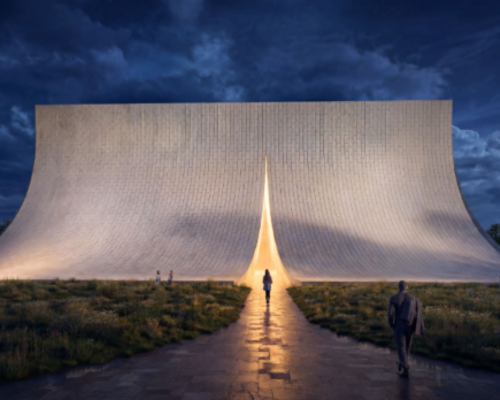
BIG unveils Eve Music Hall as Croatia venue nears completion


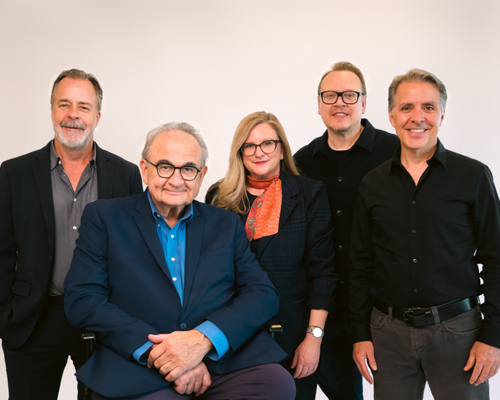
Bob Rogers hands BRC to long-serving leadership team

Wellness care hospital opens in Vilnius with innovative spa and hospitality concept

Universal and Puy du Fou projects point to rise of Oxford–Cambridge corridor
A proposed Puy du Fou development near Bicester and Universal Destinations and Experiences’ planned resort in Bedford are emerging as part of a wider transformation of the Oxford–Cambridge Growth Corridor into a major centre for UK leisure and tourism investment.
For years, the corridor has been associated primarily with science, technology, housing and university-led economic growth. However, the clustering of large-scale visitor attraction projects along the
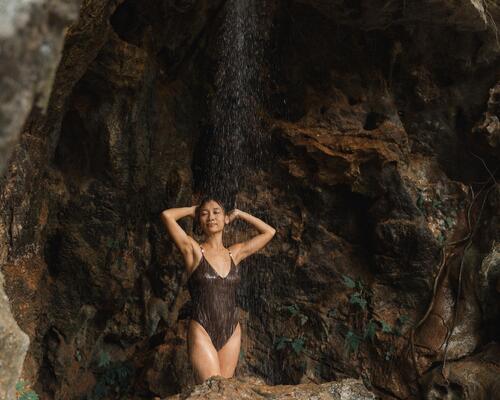
All-inclusive eco-wellness development Auko to open near Vietnam’s Son Doong caves
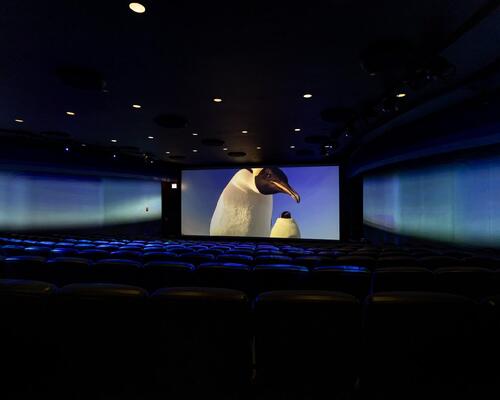
Shedd Aquarium upgrades its visitor experience with new Immersion Theater
Shedd Aquarium has opened the Immersion Theater developed in partnership with SimEx-Iwerks, as part of a wider strategy to enhance the guest experience and create additional revenue opportunities.
The attraction has transformed the aquarium’s Phelps Auditorium into a multi-sensory venue combining panoramic projection, environmental effects and interactive technology.
A new pre-show area allows visitors to engage with augmented reality marine animals before entering the
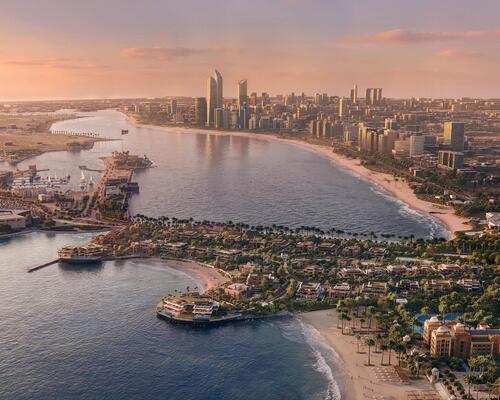
Mandarin Oriental announces standalone Mansions-branded residences for Abu Dhabi
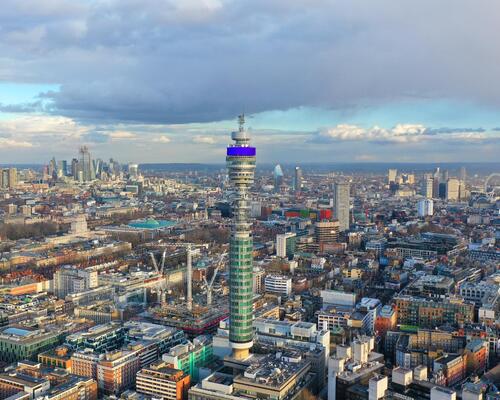
MCR is planning a luxury hotel for London's BT Tower
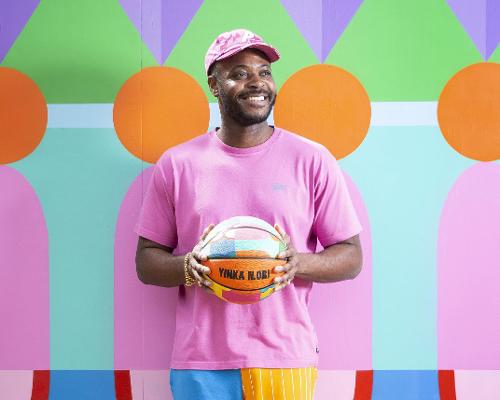
Joy as a radical act: Yinka Ilori launches solo exhibition celebrating the rebellious power of spreading happiness

Work gets underway on Madrid's €800 million leisure complex
Work is underway in Madrid on one of Europe’s most significant multi-functional complexes, combining sport, entertainment, culture and education.
The €800 million initiative to regenerate the former Olympic Aquatic Centre in the north-east of the city, next to the Riyadh Air Metropolitano stadium, is being led by Barsento – a joint venture between Live Nation Entertainment, Oak View Group and Atlético de Madrid. The project will
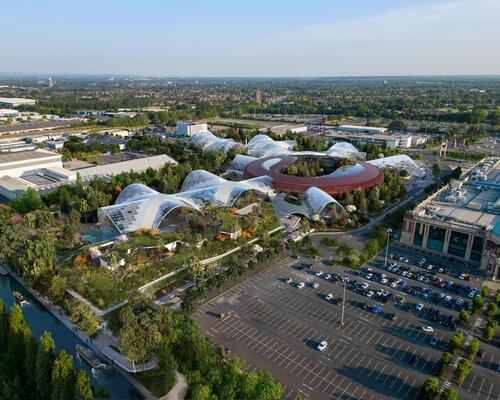
Therme Manchester reveals 90:90 strategy – 90 per cent of the UK population within a 90-minute drive of a Therme

Four Seasons’ Naples Beach Club opens 2,800sq m Sanctuary spa inspired by indigenous Calusa people
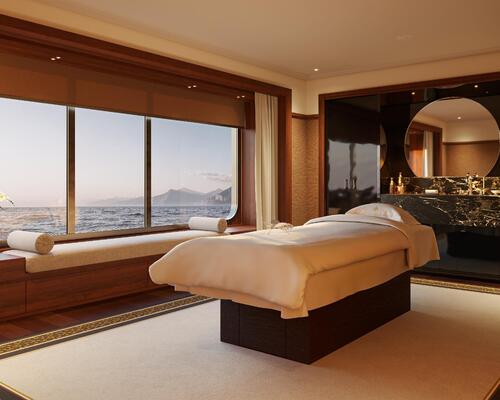
Orient Express Corinthian to host Ocean Rebirth wellness retreat in collaboration with Guerlain
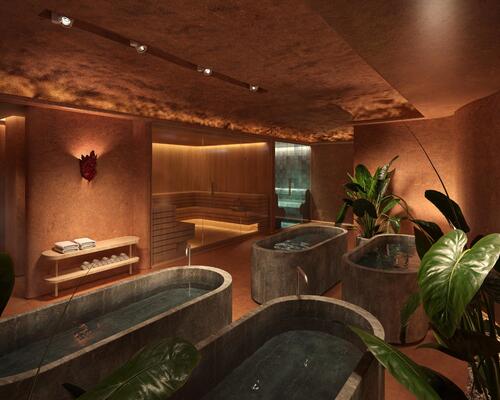
Famed London nightclub, Tramp, launches Tramp Health
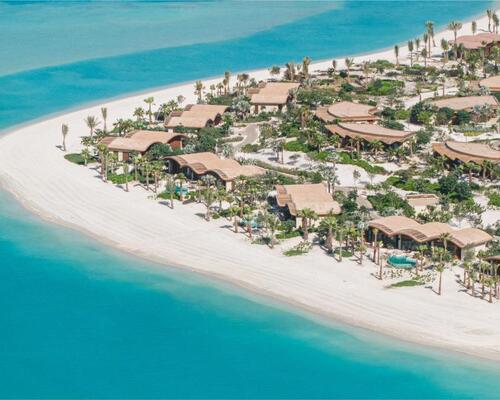
First look: Miraval opens on the Red Sea in Saudi Arabia

Hainan Science Museum by Ma Yansong, opens in China
A new science museum has opened to the public in Haikou after attracting more than 350,000 visitors during a four-month soft opening period.
Designed by Ma Yansong and his practice MAD Architects, the Hainan Science Museum is located on the edge of Wuyuan River National Wetland Park and has already recorded peak attendance of more than 5,800 visitors in a single day.
Commissioned by
Zannier Île De Bendor launches with design by Hardel Le Bihan Architectes
Sæl Spa readies for launch in London: “a modern British sanctuary”
Immersive art bathhouse Submersive announces debut location in Austin

Construction begins on regenerative wellness destination The Shenandoah Nature Resort

Royal Caribbean reveals record-breaking cruise ship
V&A East opens in London

David Geffen galleries open at LACMA

New venue The Lands by Capella includes a longevity centre to complement sister hotel Capella Sydney

World of Frozen launches at Disneyland Paris
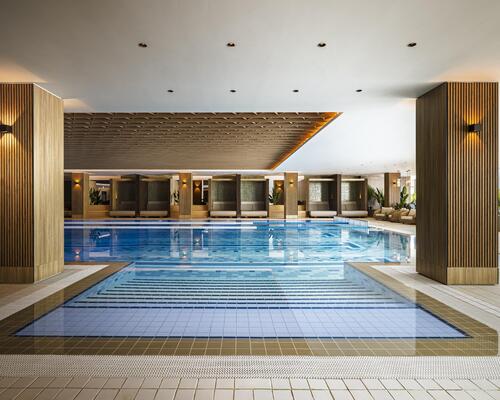
Pical Resort by Valamar reveals first Croatian spa under the ESPA brand

Mandarin Oriental creates end-to-end Egyptian journey with two new hotels and first-ever luxury river cruise

Designers Mendil + Meyer launch new division called Lām Concepts for strategic wellness projects
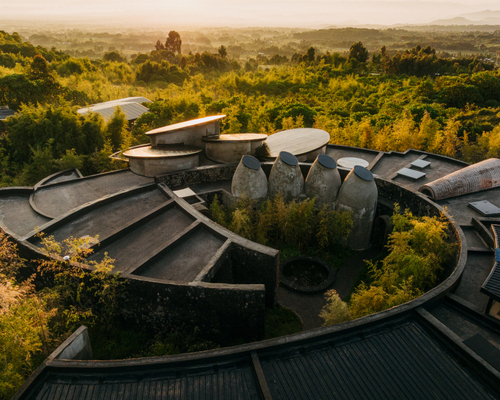
Wilderness Bisate in Rwanda reveals brand’s second Sanctuary spa
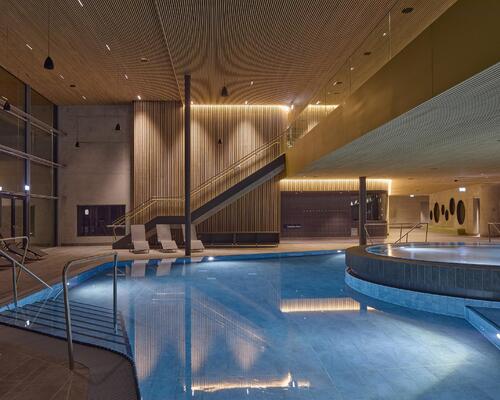
4a Architekten shares details of wellness extension at Salinarium Bad Dürkheim Thermal Spa