Pokéttractions Management: What are the pros and cons of Pokémon Go for your visitor attraction?


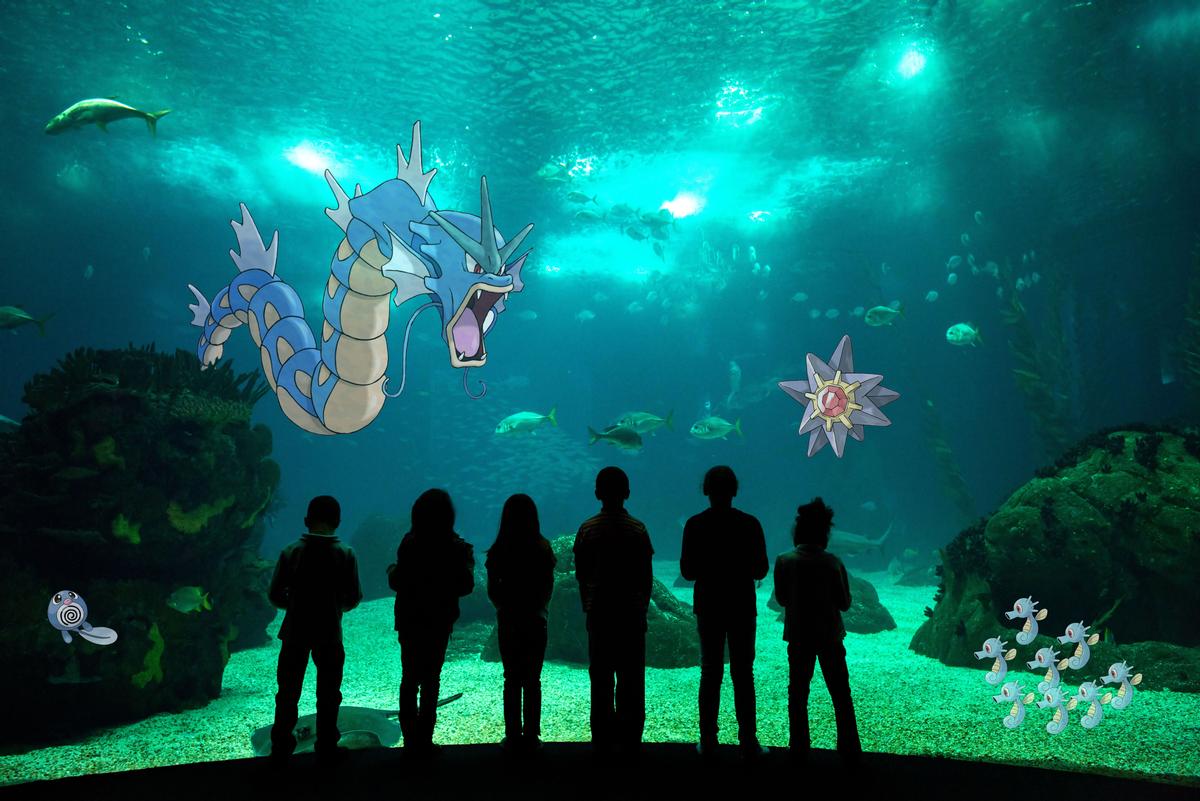
You’ve probably seen it, large groups of people wandering seemingly aimlessly around your city or town, heads buried in their phone with a vacant expression on their face.
Initially there was public confusion with these groups mistaken for anything from drug dealers to teenage gangs. But what’s really happening is quite astonishing – the advent of augmented reality and the arrival of Pokémon Go.
Capturing the hearts, minds and eyeballs of the millennial generation, the game– first released in February 1996 – turns what was originally a pixelated adventure on the Game Boy handheld console into an adventure that quite literally is playable all over the world – the canvas for the first-of-its-kind Pokémon adventure.
In just a matter of weeks, people who preferred to sit on the sofa playing videogames have taken the game with them into the big wide world, dramatically increasing outdoor activity and actively seeking out special landmarks and heritage sites in their quest to ‘Catch Em All’.
Pay day
The success of Pokémon Go is unprecedented. In less than 30 days, the game passed 100 million downloads and US$160m (€143.5m, £121.7m) in revenue, surpassing Twitter on active users and Facebook on engagement. In the space of two weeks the valuation of Nintendo more than doubled and the company briefly overtook rival Sony in terms of share value. That was before even launching in Japan, the home of Pokémon. The game is currently available in more than 30 countries thanks to a steady rollout across Europe and is generating around US$10m (€9m, £7.6m) a day from its pool of users through in-game purchases.
Mind the gap
While the game has been widely recognised as a roaring success, there have been a couple of bumps in the road to world domination. The popularity of the game has caused the servers to collapse multiple times, while reports of injuries caused by careless users have also surfaced in recent weeks.
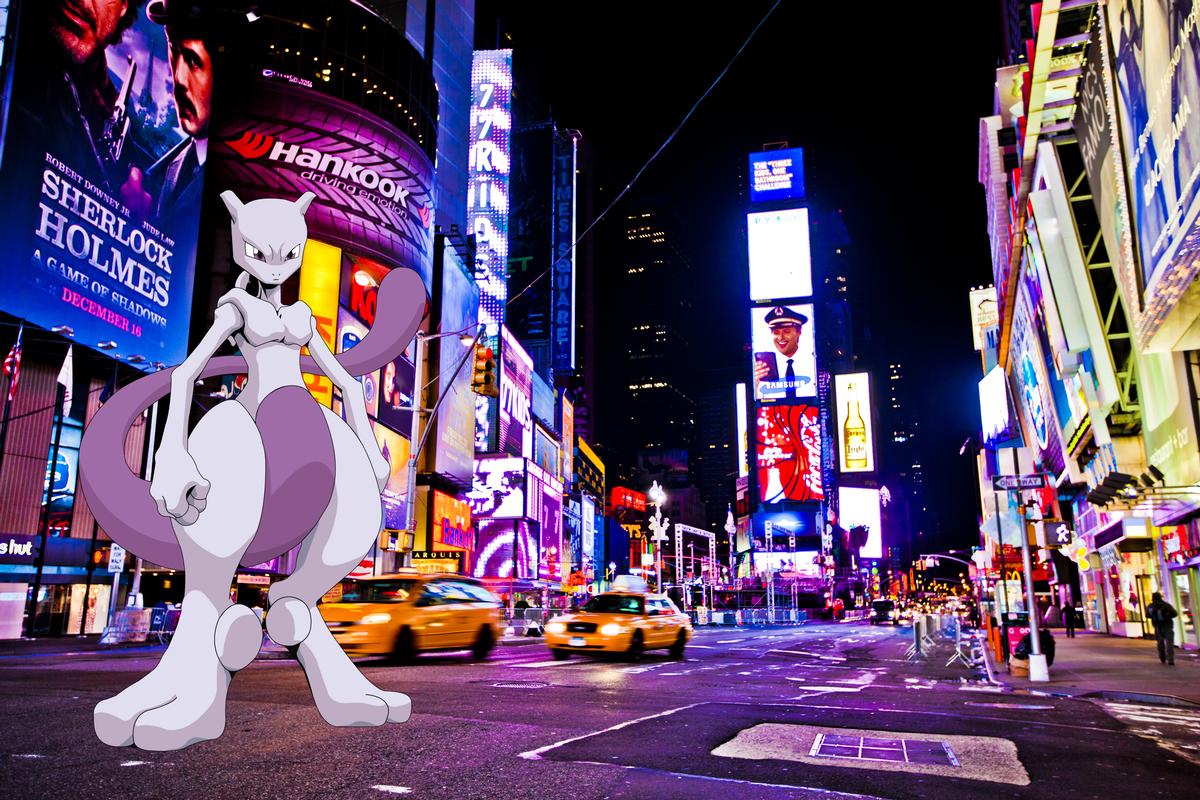
One of the game’s flaws, when it comes to appropriateness and taste, is the location of some of its ‘Gyms’ and ‘Pokéstops’. Based on heritage landmarks, museums and other significant locations, the game has had to deal with some uncomfortable situations, such as the poisonous Koffing pokémon spawning at Pokéstops inside Washington’s Holocaust Museum and Pokémon appearing at Auschwitz-Birkenau – the site where approximately 1.1 million people were murdered during World War Two.
Just a day after the game’s launch in Japan, many of the country’s most popular tourist attractions urged caution about playing the game or put a halt to it altogether. One such example was the Izumo-taisha shrine, considered the second most sacred site in Japan, which banned the use of Pokémon Go within its premises to preserve the “solemn” atmosphere of the sanctuary. Safety in some attractions is also a concern, with Himeji Castle, Japan’s best preserved feudal fortress, placing signs around its grounds urging visitors not to play while walking through the complex through, with castle representatives fearful of visitors risking injury by entering restricted or dangerous parts of the historic location.
Japan’s government has also become involved such has been the excitement among players, with the nation’s leaders launching a campaign promoting safe use of the game. The government also had to ask Niantic – the game’s creators – for the Fukushima nuclear exclusion zone to be classified as a no-go area for Pokémon after the discovery of at least one of the game’s characters on the power station’s site.
Such a large and expansive game is a trial and error process and Niantic says that for those who don’t want the attention, they’ll be working on removing certain locations to stay respectful of the real world.
An augmented evolution
Virtual reality is dead and Pokémon Go killed it. That’s the opinion of some tech leaders, who have called the augmented reality tech a “watershed moment in technology history”.
If Pokémon Go turns out to be more than a fad and the dawn of the augmented reality era, it poses questions for technology companies as products previously confined to the home or the device become more prominent in relation to public space. The success of Pokémon Go is sure to inspire imitators who must try to address the issues Niantic is still struggling with. When companies such as Google and Facebook start to blur the worlds of virtual and physical, as they plan to, they will have to take a responsible approach to the physical environments in which their technologies operate – something that could be achieved with the dawn of the smart city – in which technology almost self-governs city infrastructure.
The attractions angle
For the attractions industry, the potential of Pokémon Go and the games that will be inevitably spawned by its existence is huge. Already operators from every sector within the industry have experienced increased visitor numbers with people up and about who might have opted to stay indoors otherwise. Many of these operators are being proactive, using the game to draw in customers, hosting what have become known as “lure parties” – events where lures are put down in-game to attract more Pokémon – and are hosting Pokémon-themed events in an attempt to get a slice of the Poké-pie.
English Heritage is one example of a body which has fully-embraced the spirit of the game, which is linked to cultural and heritage locations for its Pokéstops and Gyms. Creating a guide, which covers more than 400 sites across Britain, English Heritage has urged players to bring a battery pack owing to the lack of power sources at most of its sites, stay focused so as not to get injured, avoid accessing areas not open to the public, let the on-site teams know if they can’t reach a location and, embracing the theme of heritage, take tips from history, comparing Pokémon battles to those from real-life battles dating back hundreds of years.
Some have underestimated the popularity of the game however, with Bristol Zoo forced to close its doors after promoting a Pokémon Go event that attracted more than 2,000 people, reaching capacity within 30 minutes of opening. The zoo, which raised around £6,000 with a £3 donation per entry, held a second event for those who didn’t make it in, with fans queuing up for a reported four hours.
With visitor attractions all over the world using Pokémon Go to entice would-be customers to their various offerings, Pennsylvania’s Da Vinci Science Center put a spin on the game, using it as an education tool to teach guests about the science behind its workings.
On the back of increased attention from Pokémon Go players, the institution held its very first Pokémon Go Day in which educators from the science centre offered hands-on scientific activities explaining the game’s mechanics, held Pokémon exhibit scavenger hunts and offered an opportunity for young people to play the game in a friendly environment.
With it being impossible to escape the Pokémon Go phenomenon, SeaWorld got in on the act, going out of its way to accommodate players pursuing Pokémon glory, hosting a lure event and becoming the first major destination in Orlando to do so.
During the event, pass holders were offered early access, giving them the ability to explore a significantly quieter SeaWorld while visiting the park’s 50 Pokéstops.
“It’s a very organic thing that’s happened,” says SeaWorld CEO Joel Manby. “We launched something over the weekend where we told our customers to come to our parks for a Pokémon Go experience. We had a really good weekend with it. We jumped on it, it’s a great idea and it has a lot of potential.”
Should you stay or should you Go?
While Pokémon Go has some issues that need to be fine-tuned, it’s certainly proving to be popular, capturing a nostalgic audience’s attention, turning the much beloved game once confined to a Game Boy to something that can be played all over the world.
So is it a fad or is it the next big thing? Either way – taste and common sense permitting – attractions operators should be jumping on the popularity of the game, which is gaining more and more traction every day.
Pokemon Go visitor attractions augmented reality technology Pikachu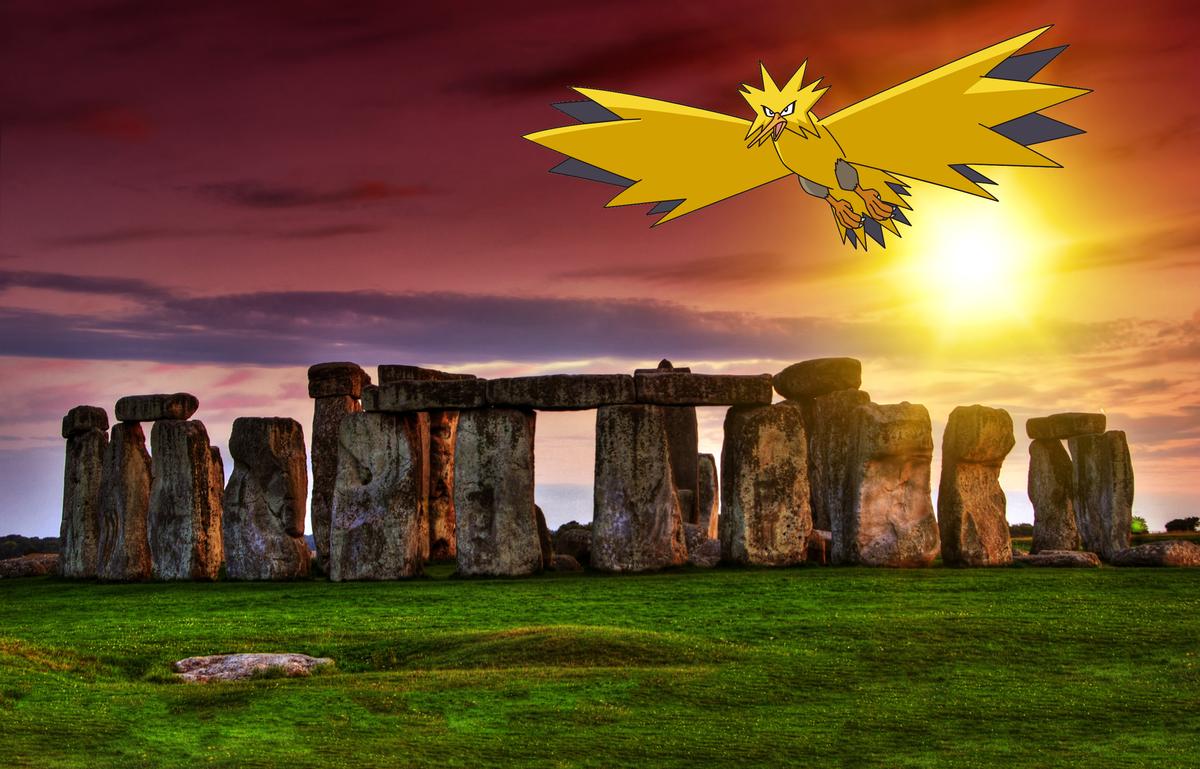


Educational institution puts scientific spin on Pokémon Go
Pokemon Go getting people active
Six Flags using Pokémon Go to draw visitors with trainer guides
Pokémon Go sends augmented reality mainstream with phenomenal success
Will Pokémon Go prove an unlikely weapon in the war on inactivity?
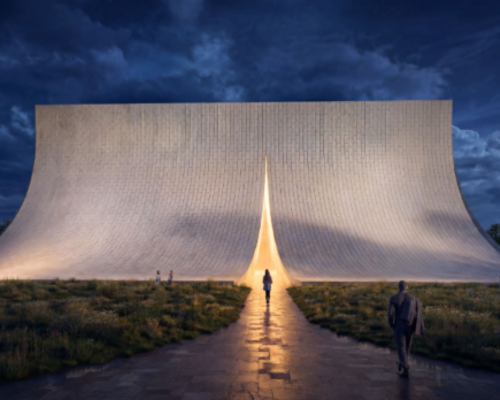
BIG unveils Eve Music Hall as Croatia venue nears completion

Bob Rogers hands BRC to long-serving leadership team

Wellness care hospital opens in Vilnius with innovative spa and hospitality concept

Universal and Puy du Fou projects point to rise of Oxford–Cambridge corridor
A proposed Puy du Fou development near Bicester and Universal Destinations and Experiences’ planned resort in Bedford are emerging as part of a wider transformation of the Oxford–Cambridge Growth Corridor into a major centre for UK leisure and tourism investment.
For years, the corridor has been associated primarily with science, technology, housing and university-led economic growth. However, the clustering of large-scale visitor attraction projects along the

All-inclusive eco-wellness development Auko to open near Vietnam’s Son Doong caves
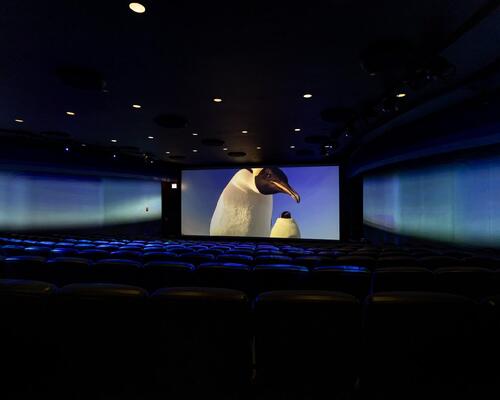
Shedd Aquarium upgrades its visitor experience with new Immersion Theater
Shedd Aquarium has opened the Immersion Theater developed in partnership with SimEx-Iwerks, as part of a wider strategy to enhance the guest experience and create additional revenue opportunities.
The attraction has transformed the aquarium’s Phelps Auditorium into a multi-sensory venue combining panoramic projection, environmental effects and interactive technology.
A new pre-show area allows visitors to engage with augmented reality marine animals before entering the
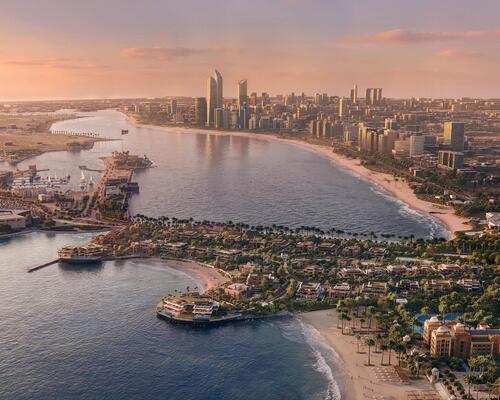
Mandarin Oriental announces standalone Mansions-branded residences for Abu Dhabi
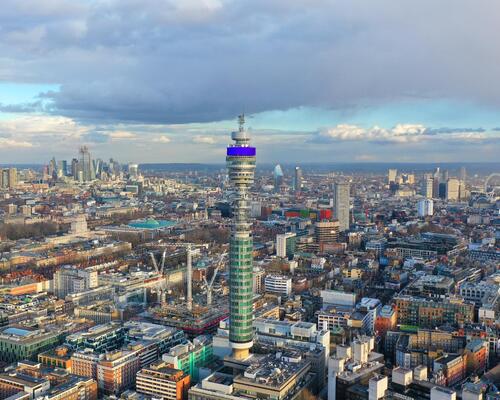
MCR is planning a luxury hotel for London's BT Tower

Joy as a radical act: Yinka Ilori launches solo exhibition celebrating the rebellious power of spreading happiness

Work gets underway on Madrid's €800 million leisure complex
Work is underway in Madrid on one of Europe’s most significant multi-functional complexes, combining sport, entertainment, culture and education.
The €800 million initiative to regenerate the former Olympic Aquatic Centre in the north-east of the city, next to the Riyadh Air Metropolitano stadium, is being led by Barsento – a joint venture between Live Nation Entertainment, Oak View Group and Atlético de Madrid. The project will
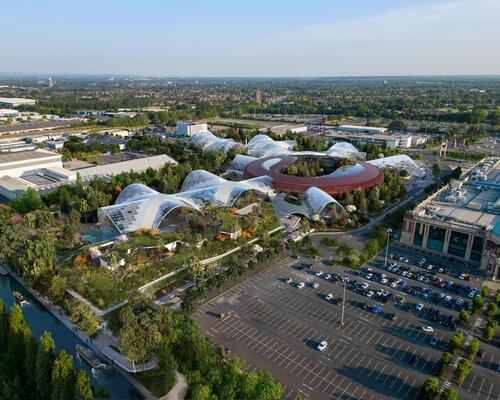
Therme Manchester reveals 90:90 strategy – 90 per cent of the UK population within a 90-minute drive of a Therme

Four Seasons’ Naples Beach Club opens 2,800sq m Sanctuary spa inspired by indigenous Calusa people

Orient Express Corinthian to host Ocean Rebirth wellness retreat in collaboration with Guerlain

Famed London nightclub, Tramp, launches Tramp Health
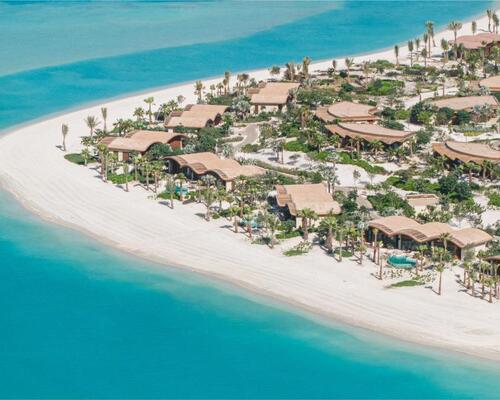
First look: Miraval opens on the Red Sea in Saudi Arabia

Hainan Science Museum by Ma Yansong, opens in China
A new science museum has opened to the public in Haikou after attracting more than 350,000 visitors during a four-month soft opening period.
Designed by Ma Yansong and his practice MAD Architects, the Hainan Science Museum is located on the edge of Wuyuan River National Wetland Park and has already recorded peak attendance of more than 5,800 visitors in a single day.
Commissioned by
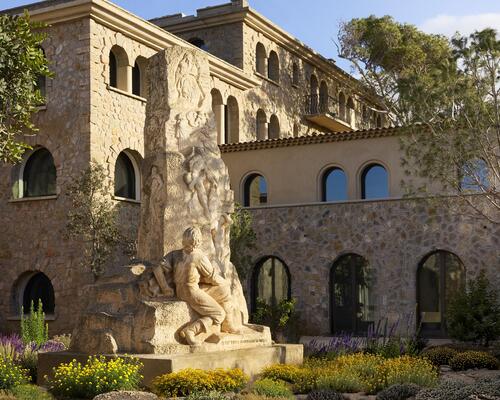
Zannier Île De Bendor launches with design by Hardel Le Bihan Architectes
Sæl Spa readies for launch in London: “a modern British sanctuary”
Immersive art bathhouse Submersive announces debut location in Austin

Construction begins on regenerative wellness destination The Shenandoah Nature Resort

Royal Caribbean reveals record-breaking cruise ship

V&A East opens in London
David Geffen galleries open at LACMA

New venue The Lands by Capella includes a longevity centre to complement sister hotel Capella Sydney
World of Frozen launches at Disneyland Paris

Pical Resort by Valamar reveals first Croatian spa under the ESPA brand

Mandarin Oriental creates end-to-end Egyptian journey with two new hotels and first-ever luxury river cruise

Designers Mendil + Meyer launch new division called Lām Concepts for strategic wellness projects
Wilderness Bisate in Rwanda reveals brand’s second Sanctuary spa
4a Architekten shares details of wellness extension at Salinarium Bad Dürkheim Thermal Spa




















Designed to restore neglected land and renew the identity of Iraq’s capital city, Baghdad Sustainable Forests promises a new way of living surrounded by nature. Gensler’s Ian Mulcahay tells us why he thinks the project could become a model for the repair and enhancement of urban centres