Peter Zumthor unveils design for Basel's Beyeler Foundation extension



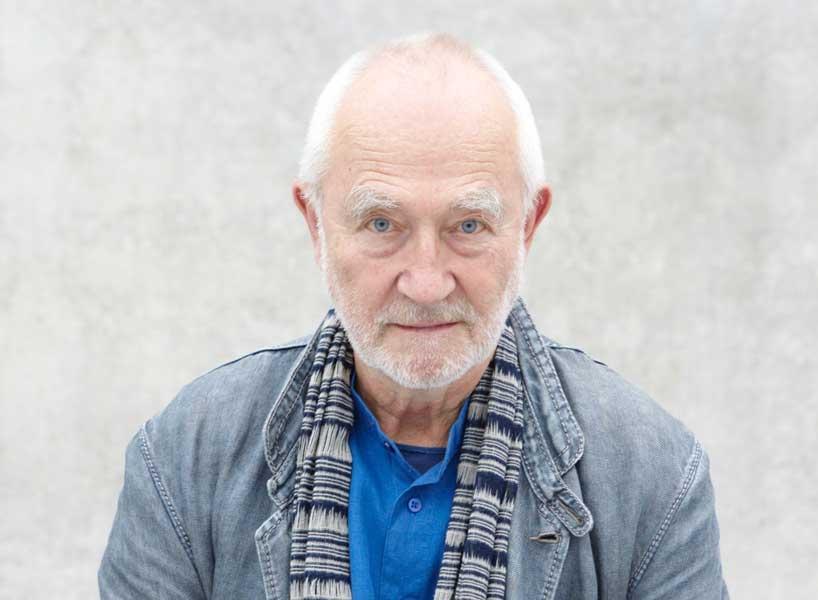
– Peter Zumthor
Swiss architect Peter Zumthor has presented his designs for the extension of Renzo Piano’s Fondation Beyeler in Basel.
The CHF100m (US$101m, €92.2m, £78.1m) project will be constructed on the previously private land of the Iselin-Weber Park. It will see the addition of a simple service building for administration and deliveries, a transparent pavilion for events and a House for Art to display expanded collections of modern and contemporary art.
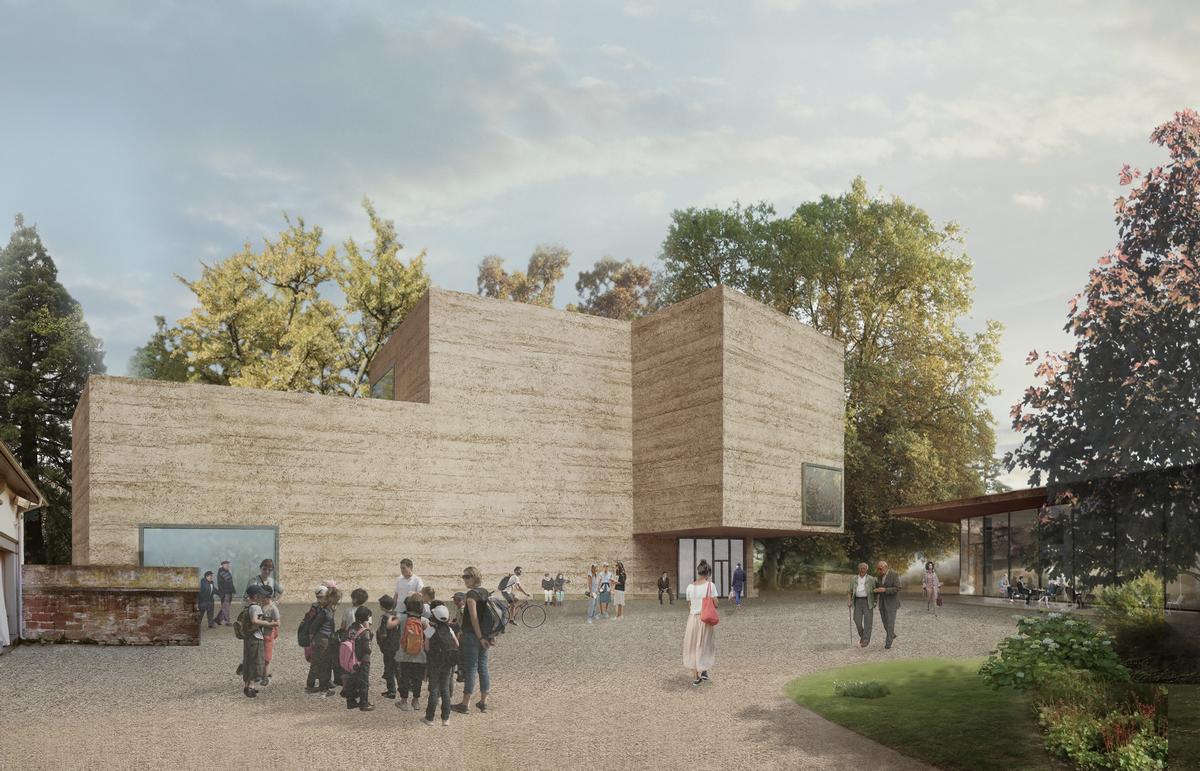
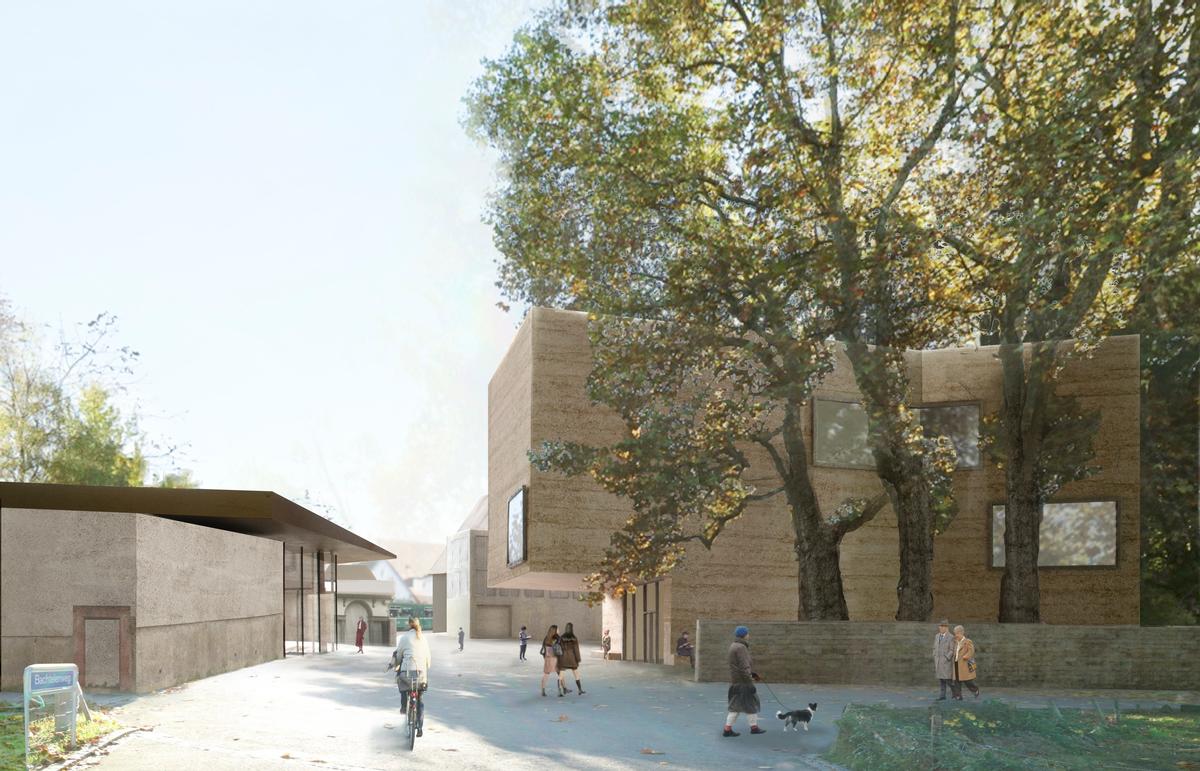
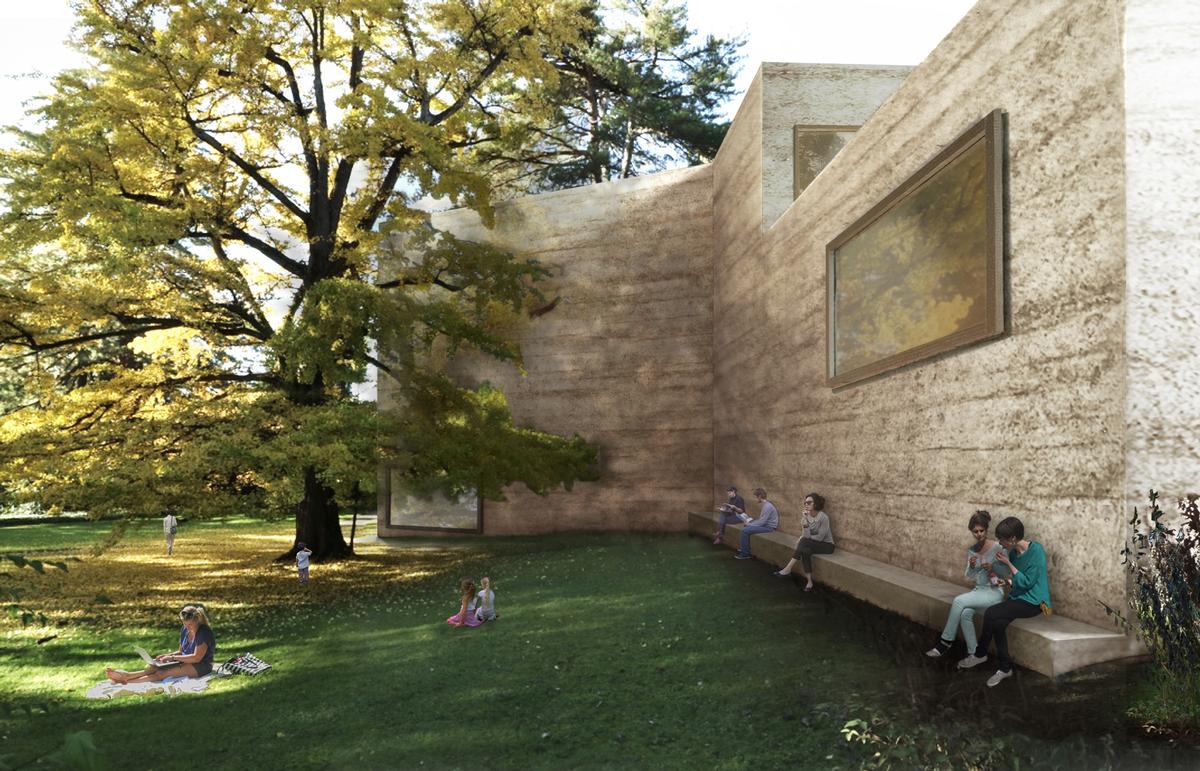
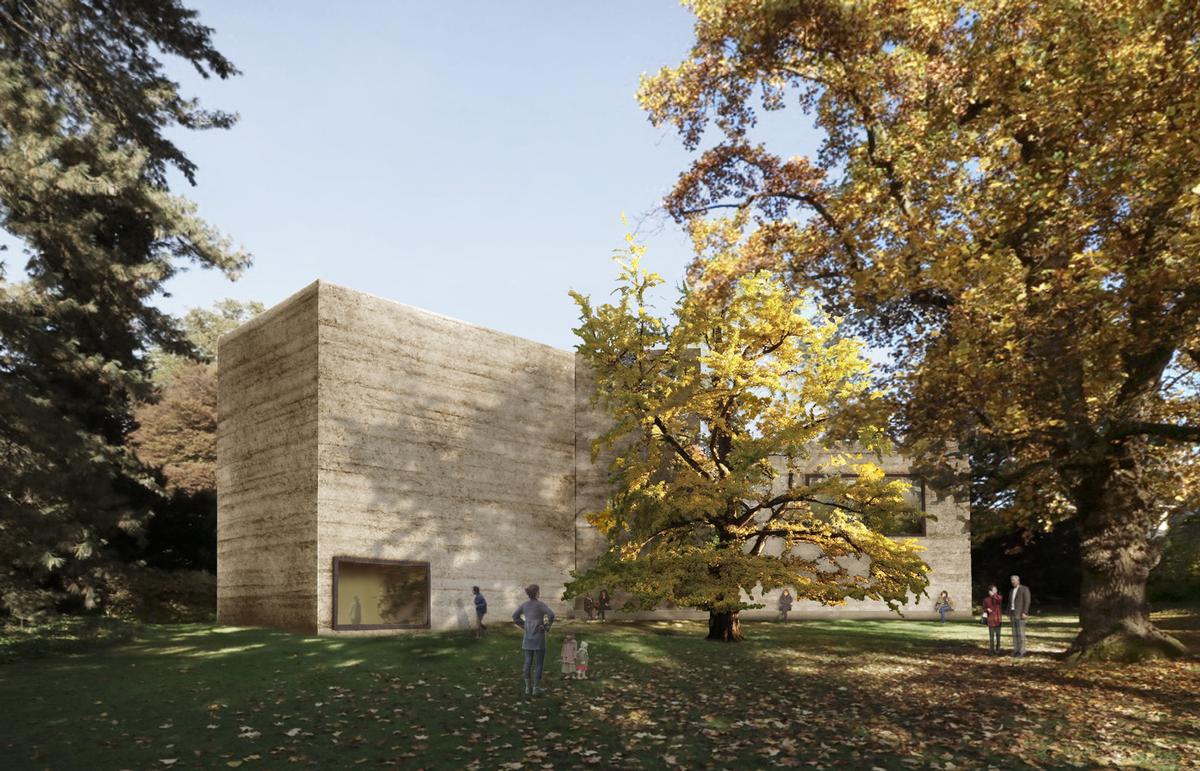
The latter appears monolithic and has a sculptural form – “as if hewn from a massive block,” according to the architect – and responds to the mature trees surrounding it.
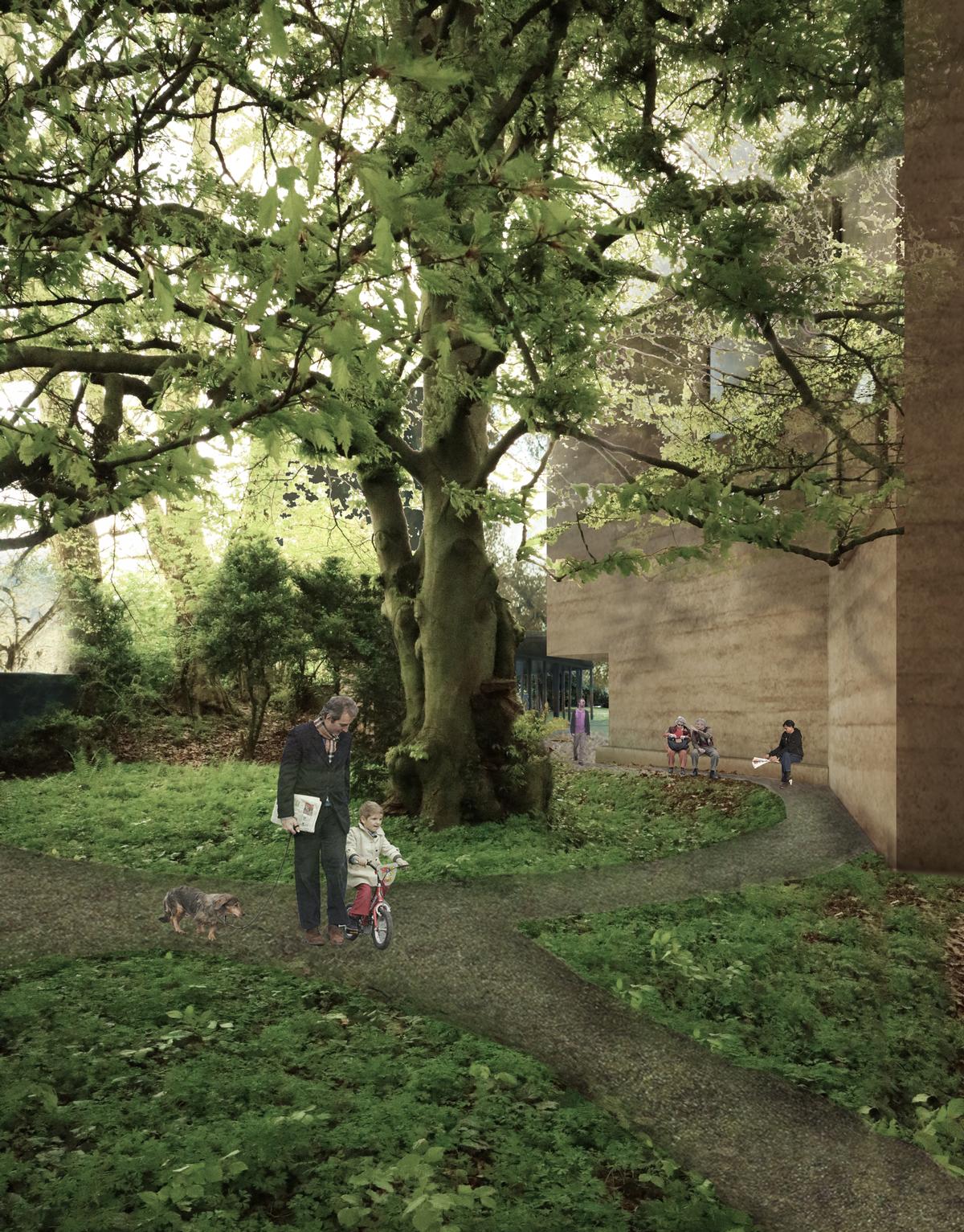
Zumthor’s design concept is adapted to the village-like character of the Riehen municipality, and is intended to blend harmoniously into the natural environment. The new structures will create a subtle link between the two parks, designed by Jean-François Caillat in the early 19th century, doubling the museum’s outdoor public space.
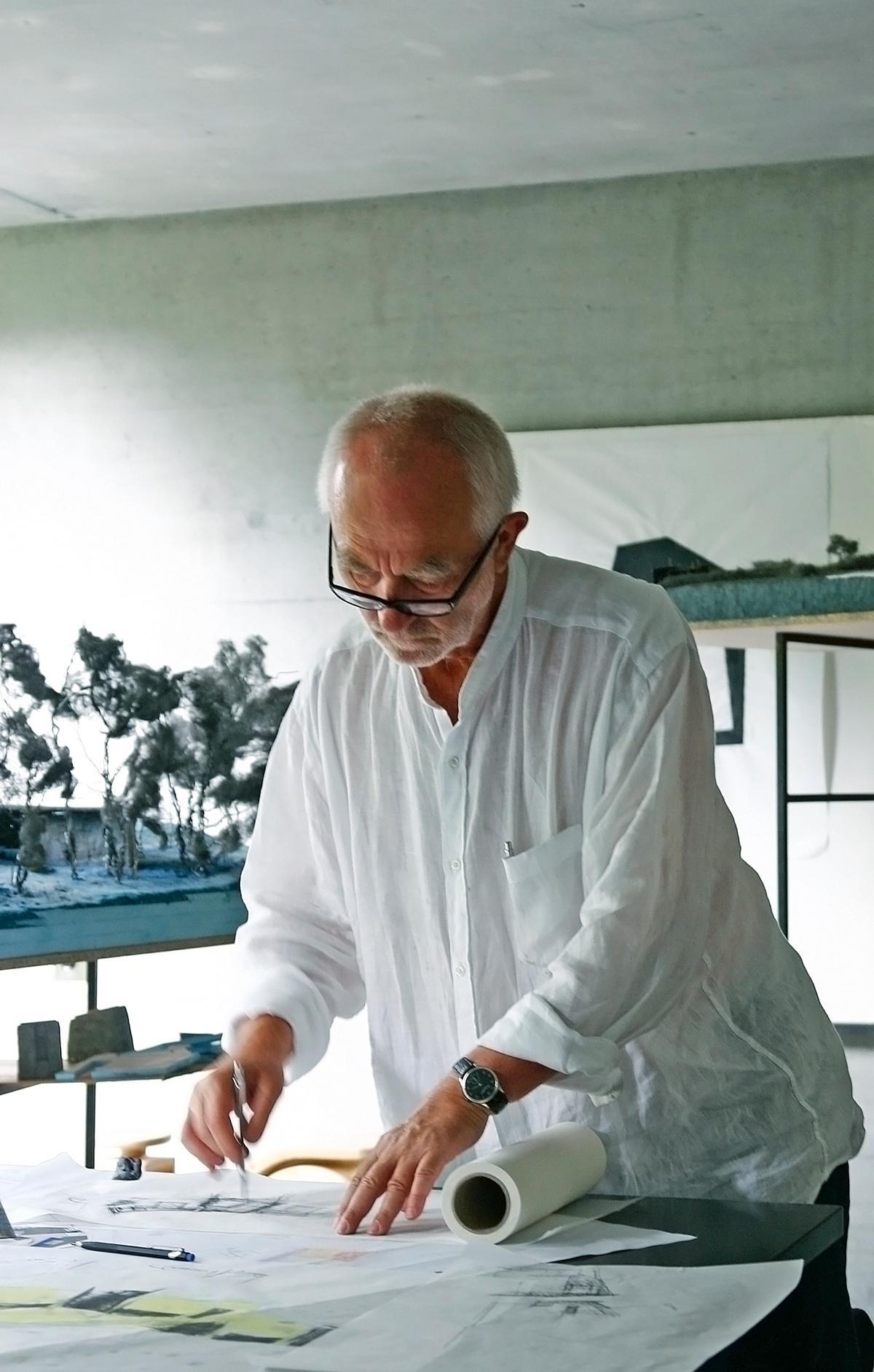
Explaining his vision, Zumthor said: “I want to create buildings that are loved. Having the chance to do so in Basel, the city of my youth, is a particular honour for me.”
According to the directors of the foundation, the extension is required to allow for the organisation of cultural events and art education, and to offer more space for permanent collections of art in what is the most visited art museum in Switzerland.
Currently, cultural events have to take place in the galleries of Piano’s museum building, creating organisational and technical challenges and additional costs.
“Peter Zumthor brings great experience to the construction of cultural buildings and has the necessary sensitivity to build a museum of outstanding quality in this very special spot in the heart of Riehen,” said Sam Keller, the director of the Fondation Beyeler.
“The interaction between human beings, nature, art and architecture that has always characterised the Fondation Beyeler will be as successfully achieved as it was twenty years ago by Renzo Piano.”
The acquisition of the land and existing buildings, funding of the new building, and operating and maintenance costs for the first ten years is being privately financed. An amount of CHF 50m (US$50.5m, €46m, £39m) has already been committed.
An international jury composed of prominent figures from the worlds of art and design – including architects Jean Nouvel, Annabelle Selldorf and outgoing Tate director Sir Nicholas Serota – unanimously selected Zumthor to lead the project. He was chosen for his history of designing museum buildings, such as the Kunsthaus Bregenz, the Kolumba Kunstmuseum in Cologne and the forthcoming Los Angeles County Museum of Art.
The Fondation Beyeler is and has attracted over 6.2 million people from all continents since its inauguration in 1997.
An exclusive interview with Zumthor appeared in the Q1 2017 issue of CLADmag. Speaking about his desire to create emotional spaces, he said: “As an architect you have to follow the technical levels, the urbanistic levels and so on, but the most important is probably a beautiful unity of use, atmosphere, space. So that the kitchen of my mother looks the kitchen of my mother and not like something strange. It’s about the real thing. That’s what I go for.
“I don’t treat the profession of architecture as a profession of arranging and inventing forms. You don’t hear anything from me like that. These things I want to do need a form, and so I give them this form. I’m extremely sensitive to things which don’t work.”
The long-stretching grounds of the Beyeler Museum in Riehen that owes much of its character to the outline of the Baroque Berowergut, is to be extended to the south into the existing Iselin-Weber Park. This historic park with its stock of mature trees, which has remained private until now, is a discovery. As part of the new grounds of the Museum it will be opened and become accessible to the public.
Sitting between these two historic Parks is the Bachtelenweg, an old existing route that leads from the village of Riehen down to Langen Erlen. It is there that three new buildings are situated as part of our design for the extension of the Fondation Beyeler. Just as the impressive museum by Renzo Piano responds to the length of the site to the north with its linearity, so the three additions in the south; the new ”House for Art”, the Service Building and the Pavilion, are arranged more freely, intertwining with the historical buildings at the outer rim of the village.
At the entrance of Iselin-Weber Park, the biggest of the three buildings, is exclusively dedicated to art. Its rooms are all naturally lit and provide views into the surrounding park and the landscape beyond.
By the Bachtelenweg, the smaller Service Building houses technical and administrative functions for the running of the museum – the delivery of art, storage and offices. It forms a new gateway into the museum complex, covering a party wall of an existing building to the east. It has an underground connection to the new “House for Art”.
With only one story, the third building, designed for events, assumes the character of a garden pavilion. It lies in the middle of the extended site creating a relationship between the new “House for Art”, the existing historical buildings and the Renzo piano building. It is a place for artist talks, film screenings, concerts, lectures and vernissages etc., but also a place to relax, talk and read. A light timber roof grows from the back of the existing Berower Park garden wall, sheltering the interior. The façade facing the park is glazed and can be slid open. It is protected from the sun and rain with a generous overhang – an invitation to relax in the open air.
The new “House for Art” appears monolithic and has a sculptural form, as if hewn from a massive block – one can readily appreciate it as a response to the impressive mature trees surrounding it. It is made of rammed concrete that comes to life with the irregular stratification of layer upon layer of naturally settling concrete, notable in the entire façade. Its structure is open porous. The gravel and sand used in this type of rammed concrete are quarried from Jura chalk and give the overall building a warm and light colour.
The interior of the new “House for Art” offers approximately 1,500 square meters of exhibition space over three floors that vary in height. The floor plan shows three intertwined wings and a central core with elevator and ancillary rooms around which the enclosure finds a fulcrum. Moving from room to room and climbing the stairs, the sequence of the bright chalk-coloured spaces evolve from the entrance at the Bachtelenweg to a large double height hall with an impressively large window allowing direct views of the trees in front of the northwest façade. Through the leaves and branches it is possible to see Tüllinger Hill in the distance. The building has the character of a spacious villa for the viewing and contemplation of art, tailor-made for this specific place.
Peter Zumthor returns home to Basel to extend Renzo Piano's Fondation Beyeler art museum
BIG unveils Eve Music Hall as Croatia venue nears completion
Bob Rogers hands BRC to long-serving leadership team

Wellness care hospital opens in Vilnius with innovative spa and hospitality concept

Universal and Puy du Fou projects point to rise of Oxford–Cambridge corridor
A proposed Puy du Fou development near Bicester and Universal Destinations and Experiences’ planned resort in Bedford are emerging as part of a wider transformation of the Oxford–Cambridge Growth Corridor into a major centre for UK leisure and tourism investment.
For years, the corridor has been associated primarily with science, technology, housing and university-led economic growth. However, the clustering of large-scale visitor attraction projects along the
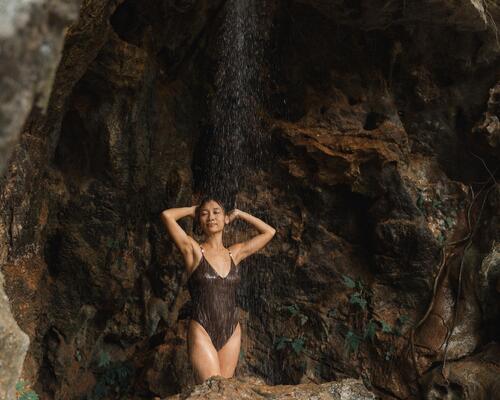
All-inclusive eco-wellness development Auko to open near Vietnam’s Son Doong caves
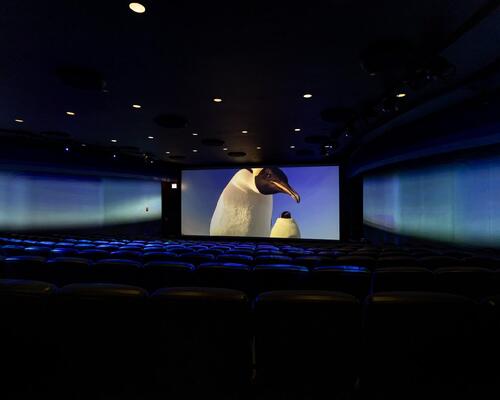
Shedd Aquarium upgrades its visitor experience with new Immersion Theater
Shedd Aquarium has opened the Immersion Theater developed in partnership with SimEx-Iwerks, as part of a wider strategy to enhance the guest experience and create additional revenue opportunities.
The attraction has transformed the aquarium’s Phelps Auditorium into a multi-sensory venue combining panoramic projection, environmental effects and interactive technology.
A new pre-show area allows visitors to engage with augmented reality marine animals before entering the
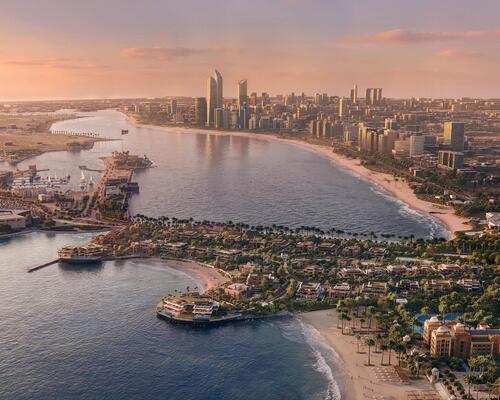
Mandarin Oriental announces standalone Mansions-branded residences for Abu Dhabi
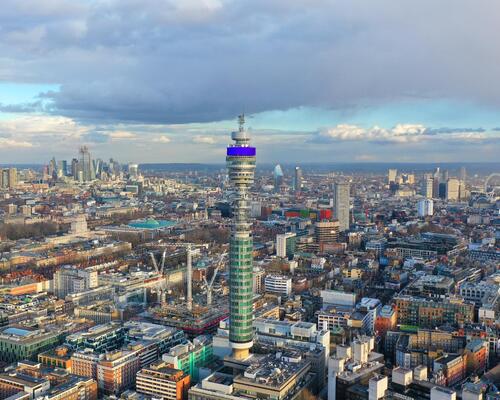
MCR is planning a luxury hotel for London's BT Tower

Joy as a radical act: Yinka Ilori launches solo exhibition celebrating the rebellious power of spreading happiness

Work gets underway on Madrid's €800 million leisure complex
Work is underway in Madrid on one of Europe’s most significant multi-functional complexes, combining sport, entertainment, culture and education.
The €800 million initiative to regenerate the former Olympic Aquatic Centre in the north-east of the city, next to the Riyadh Air Metropolitano stadium, is being led by Barsento – a joint venture between Live Nation Entertainment, Oak View Group and Atlético de Madrid. The project will
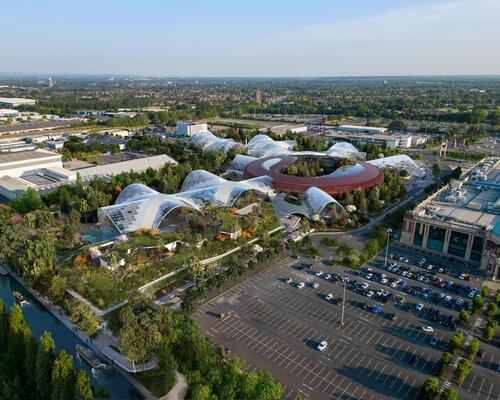
Therme Manchester reveals 90:90 strategy – 90 per cent of the UK population within a 90-minute drive of a Therme

Four Seasons’ Naples Beach Club opens 2,800sq m Sanctuary spa inspired by indigenous Calusa people
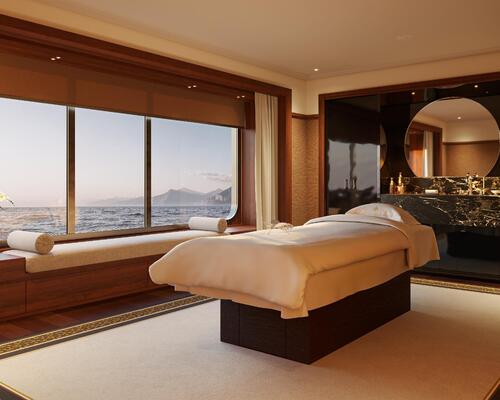
Orient Express Corinthian to host Ocean Rebirth wellness retreat in collaboration with Guerlain
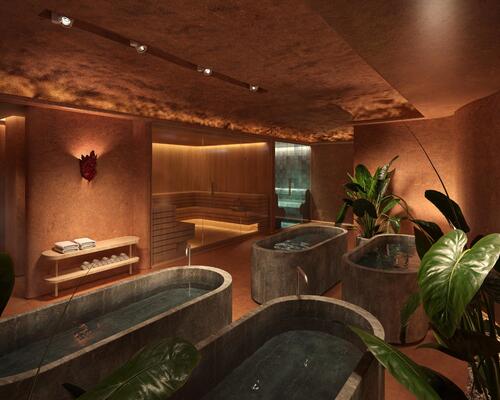
Famed London nightclub, Tramp, launches Tramp Health
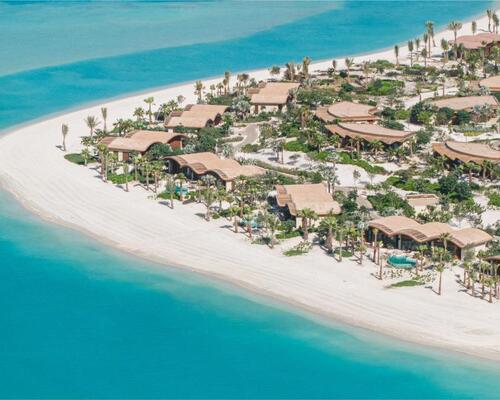
First look: Miraval opens on the Red Sea in Saudi Arabia

Hainan Science Museum by Ma Yansong, opens in China
A new science museum has opened to the public in Haikou after attracting more than 350,000 visitors during a four-month soft opening period.
Designed by Ma Yansong and his practice MAD Architects, the Hainan Science Museum is located on the edge of Wuyuan River National Wetland Park and has already recorded peak attendance of more than 5,800 visitors in a single day.
Commissioned by
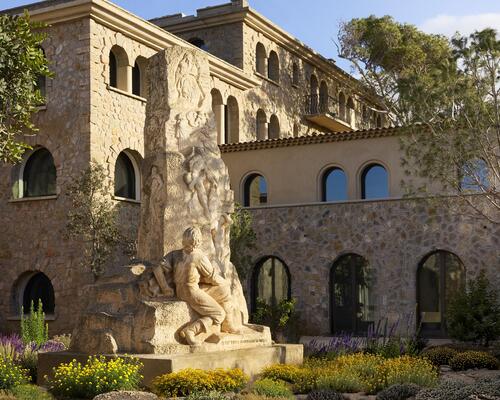
Zannier Île De Bendor launches with design by Hardel Le Bihan Architectes
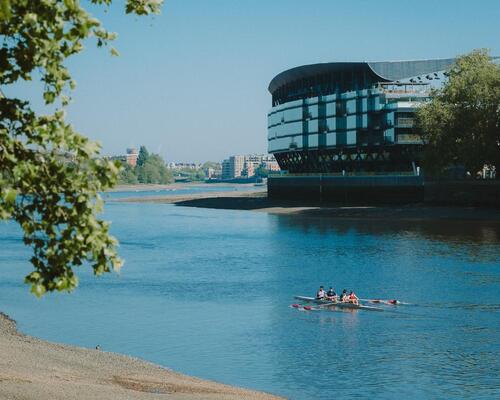
Sæl Spa readies for launch in London: “a modern British sanctuary”
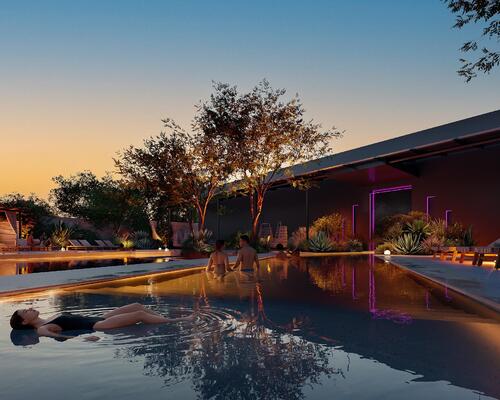
Immersive art bathhouse Submersive announces debut location in Austin

Construction begins on regenerative wellness destination The Shenandoah Nature Resort

Royal Caribbean reveals record-breaking cruise ship
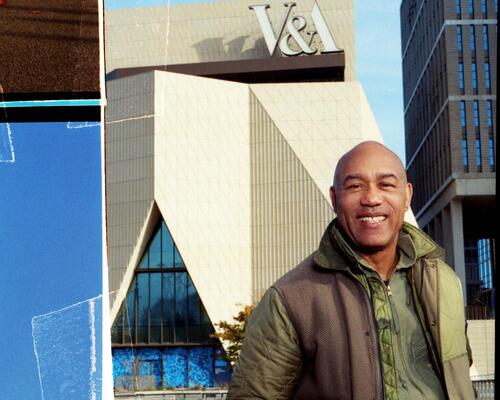
V&A East opens in London
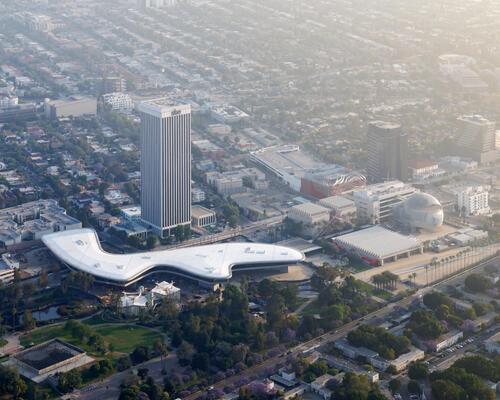
David Geffen galleries open at LACMA

New venue The Lands by Capella includes a longevity centre to complement sister hotel Capella Sydney

World of Frozen launches at Disneyland Paris
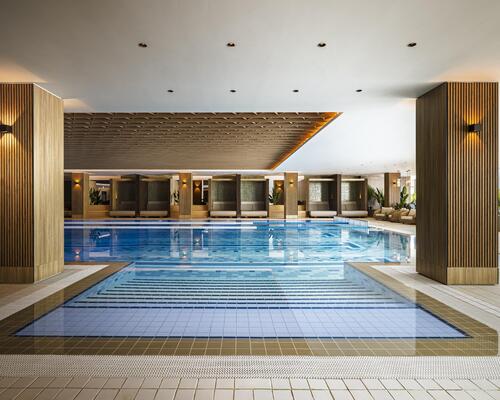
Pical Resort by Valamar reveals first Croatian spa under the ESPA brand

Mandarin Oriental creates end-to-end Egyptian journey with two new hotels and first-ever luxury river cruise

Designers Mendil + Meyer launch new division called Lām Concepts for strategic wellness projects
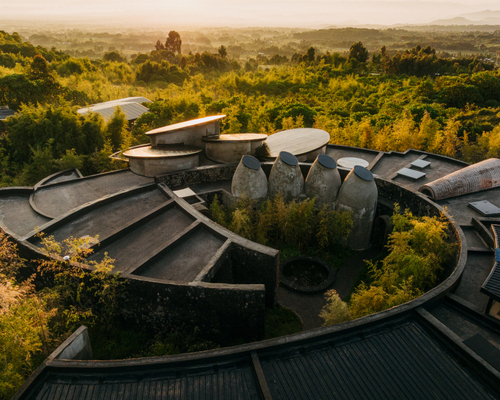
Wilderness Bisate in Rwanda reveals brand’s second Sanctuary spa
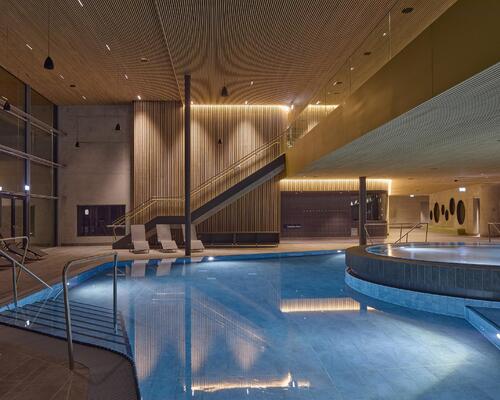
4a Architekten shares details of wellness extension at Salinarium Bad Dürkheim Thermal Spa









Designed to restore neglected land and renew the identity of Iraq’s capital city, Baghdad Sustainable Forests promises a new way of living surrounded by nature. Gensler’s Ian Mulcahay tells us why he thinks the project could become a model for the repair and enhancement of urban centres