MuseumNext Europe 2018: Museums urged to adopt AI as technology comes to the forefront


For museums to succeed, they must adapt to the ever-expanding presence of artificial intelligence. That was the message delivered to delegates at the MuseumNext European conference, currently taking place in London.
Speaking at the event, Sara Boutall a museum technologist and an account executive at data analytics company Dexibit, asked the question of how AI plays into the museum sector, laying out several roles the technology will, and in some cases already does, play.
"It's really interesting how the conversation around technology has changed," she said.
"When AI entered the conversation, we used to refer to it as almost magic. You put something behind those doors, somebody presses some buttons and suddenly you have something new and amazing. Slowly but surely, however, AI has been sneaking into our everyday lives."
Robotics, machine learning and natural language processing are among the key AI applications for museums. In that context, these technologies already help to forecast visitor numbers, respond to guest queries and better catalogue digital collections. Through the use of big data analytics, the sector is also developing an ‘in the moment’ view of the present.
"We have to get our heads around AI and what it is in a museum context," said Boutall. "We expect Amazon to know what we want to buy or Uber to know where we are. Soon people will expect that kind of intuition in our institutions."
A number of projects have already shown good use of AI in a creative way. San Francisco's Museum of Modern Art recently introduced Send Me – an SMS service which acts as an art discovery tool where users text a number with a keyword or emoji. In response, they will receive a related artwork with a caption.
In Philadelphia, the Barnes Foundation art gallery used machine learning to interpret art, pairing digital work together using 'visual identity' to recognise art style, objects and even images of Jesus, which users could then access online to view the artificially generated art collections.
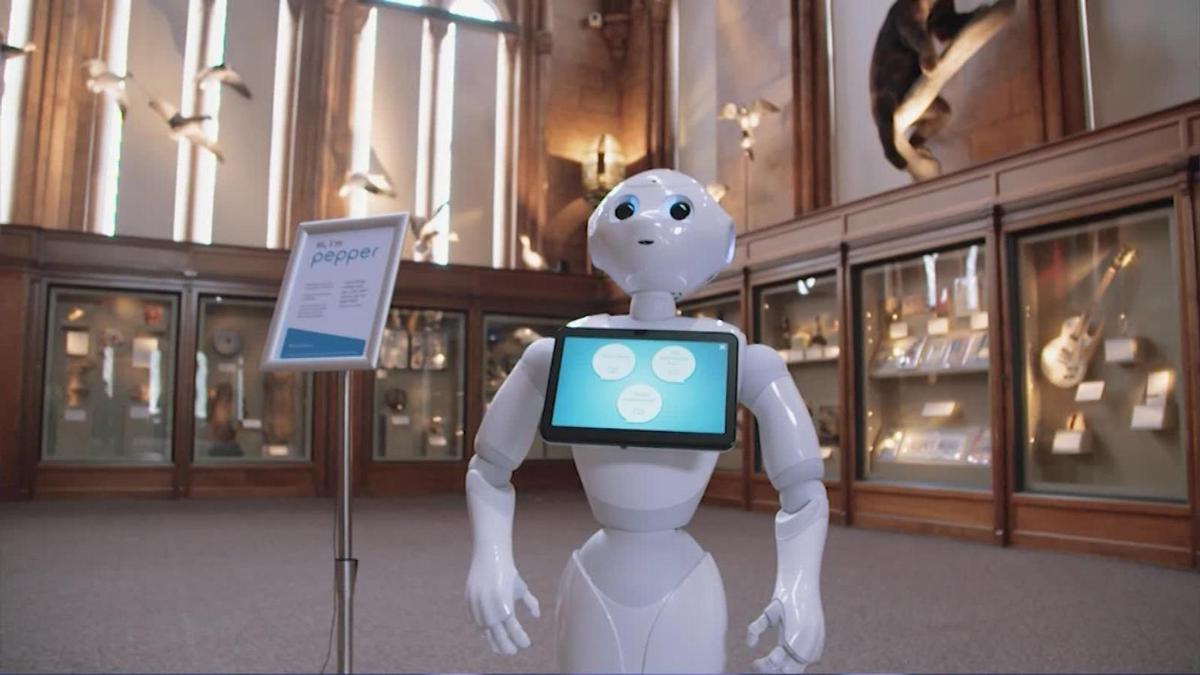
Artificial concierges are also a new innovation. The Smithsonian Institute, for example, is developing Pepper – a 4-foot-tall interactive humanoid robot. The first museum in the world to experiment with the technology, Pepper can answer visitor's questions, collect information, dance, play games and pose for selfies. The robot can also display images, text and video on a tablet mounted to its chest.
AI can also be used for more practical day-to-day tasks in the museum realm, which Boutall highlighted. She also addressed certain challenges.
"AI doesn't have an embedded sense of ethics," she said. "When Microsoft launched Tay, the AI Twitter bot was shut down within 24 hours due to concerns with its inability to recognise when it was making offensive or racist statements it learned from other users.
"On the other hand, the AI path is leading us down the line to predict very specific behaviours, one example being dynamic pricing. It's one of the ways AI can create these concrete practical changes that will benefit both the museum and its visitors.
"We need to embrace AI. It's a growing part of our lives, we need to teach it to our children. We can use it for the world of museums to make them better, more agile, more open and more flexible."
museums MuseumNext Europe Sara Boutall Dexibit museum Museum of Modern Art Barnes FoundationLooking forward as London prepares for MuseumNext
MuseumNext lands in Melbourne for Australia debut
MuseumNext makes call for papers for Rotterdam conference
AI firm Midjourney enters wellness with spa, fitness and body scanning concept
Hot spring wellness community Ameyalli sells residences and breaks ground on resort and spa

OMA completes New Museum transformation with landmark expansion and Oberon restaurant
OMA has completed a major transformation of New York's New Museum, creating a larger cultural campus that combines expanded exhibition spaces with learning, performance, hospitality and public programming. The latest addition, Oberon, extends the visitor experience beyond the gallery, reflecting a growing trend for museums to become all-day destinations.
The New Museum in New York has entered a new chapter with the completion of a major
David Rockwell creates immersive magic destination, The Hand and The Eye
Montana Heritage Center by Cushing Terrell opens after US$107 million investment
Universal launches new theme park model with Kids Resort
'Minor wellness hotels' recorded the strongest growth across top KPIs in 2025, finds RLA Global
Great Barrier Reef attraction set for AU$180 million reinvention
Fairmont Cheshire, The Mere, has architecture by Leach Rhodes Walker and interiors by Bergman Design House.
Marriott International partners with Fitwel for wellness solutions across its residential portfolio
Preidlhof Luxury DolceVita Resort to unveil new spa in February 2027
Places Leisure is working with Roberts Limbrick to build £60m wellness flagship in Basingstoke
Hoshino Resorts opens Kai Kusatsu as it expands the Kai onsen ryokan brand
Qiddiya and Populous share details of Saudi Arabia’s National Tennis Centre
Disney confirms US$30 billion investment programme as it highlights its economic impact
Until combines multiple disciplines at new Canary Wharf club
Sea Lanes opens following a partnership between The Eden Project and Canary Wharf Group
Bas Smets brings water and wilderness to Vitra
Expo 2030 Riyadh will create a permanent global destination
Luxury resort coming to Hunter Valley will have longevity spa
'Data chocolate', dreams made real and artworks shaped by visitors’ emotions: Refik Anadol’s AI art museum launches in Los Angeles
London Museum reveals 2026 opening date for new Smithfield home
BIG unveils Eve Music Hall as Croatia venue nears completion
Bob Rogers hands BRC to long-serving leadership team
Palazzo di Varignana launches family wellbeing and longevity retreat in Emilia Romagna
Anasa Wellness and Spa debuts at Patmos Aktis as it joins Marriott
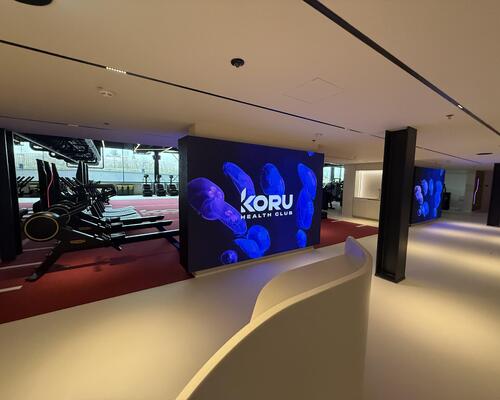
Design-led Koru Health Club combines high-performance training with recovery

Wellness care hospital opens in Vilnius with innovative spa and hospitality concept

Universal and Puy du Fou projects point to rise of Oxford–Cambridge corridor
A proposed Puy du Fou development near Bicester and Universal Destinations and Experiences’ planned resort in Bedford are emerging as part of a wider transformation of the Oxford–Cambridge Growth Corridor into a major centre for UK leisure and tourism investment.
For years, the corridor has been associated primarily with science, technology, housing and university-led economic growth. However, the clustering of large-scale visitor attraction projects along the

All-inclusive eco-wellness development Auko to open near Vietnam’s Son Doong caves



Designed to restore neglected land and renew the identity of Iraq’s capital city, Baghdad Sustainable Forests promises a new way of living surrounded by nature. Gensler’s Ian Mulcahay tells us why he thinks the project could become a model for the repair and enhancement of urban centres