Museum of the Future in Dubai, designed by Shaun Killa, breaks ground this week


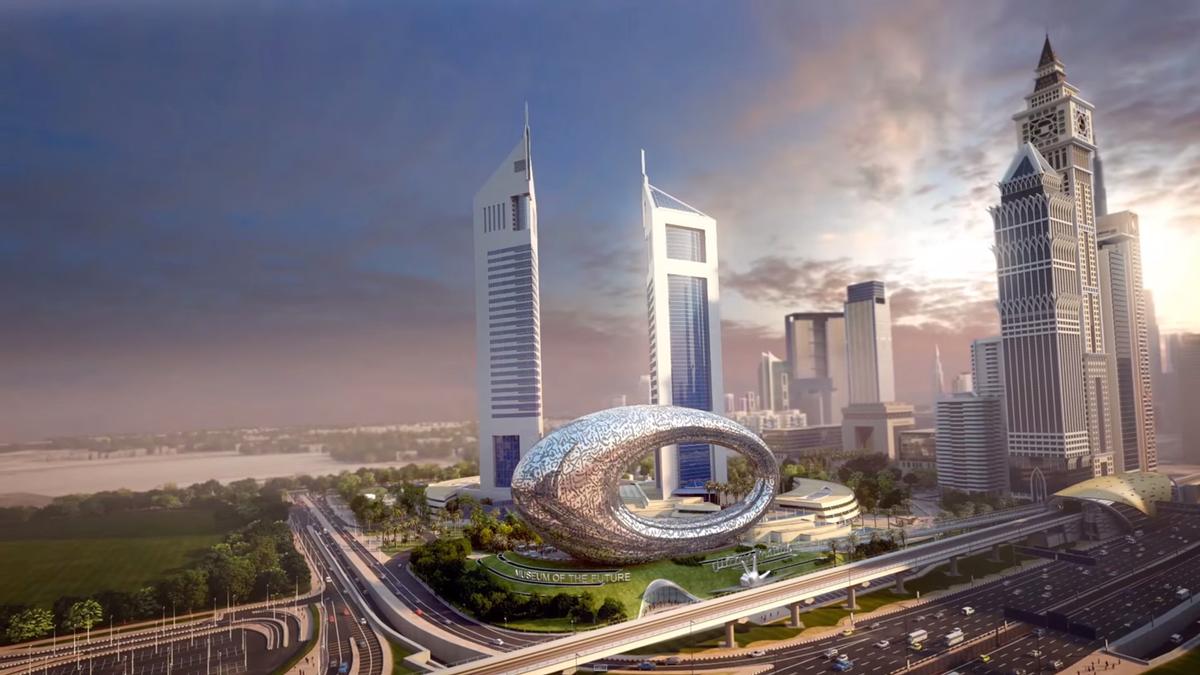
The Museum of the Future in Dubai, announced last week by Sheikh Mohammed Bin Rashid Al Maktoum, vice-president and prime minister of the United Arab Emirates, will start on site this week.
The museum has been designed by architect Shaun Killa, for 16 years a director of Atkins, and responsible for some of the Middle East’s most celebrated buildings. Killa's new architectural practice, Killa Design – which is based in Dubai – will undertake the work.
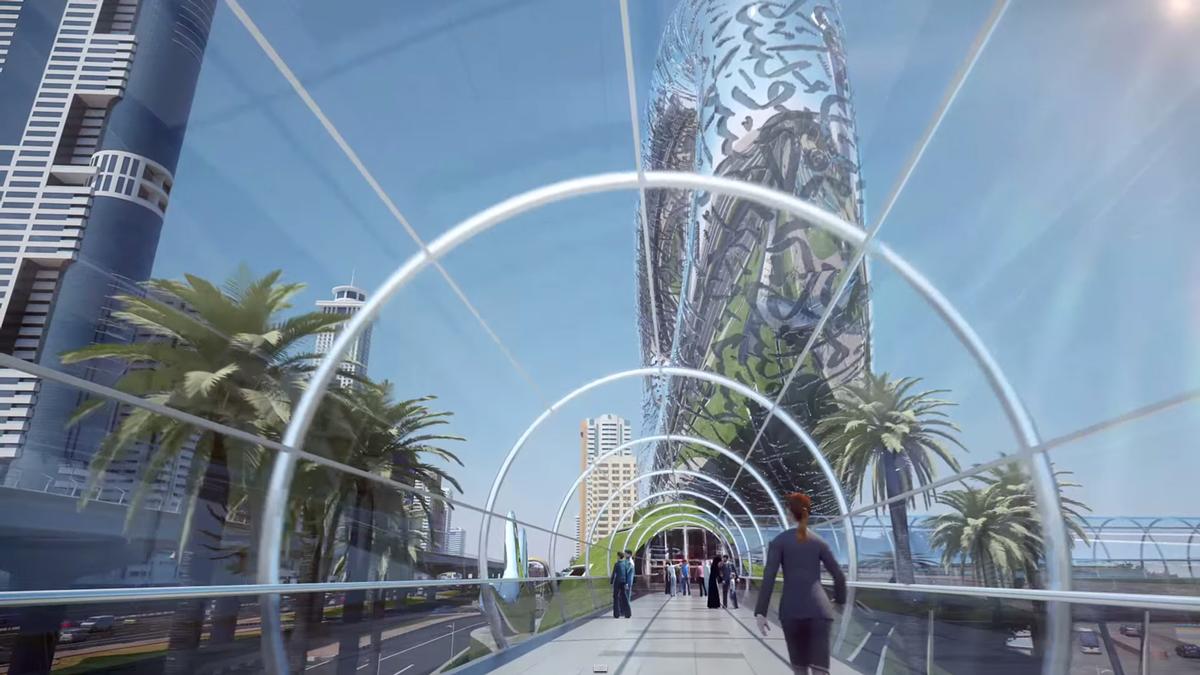
Located next to the Emirates Towers on Dubai's Sheikh Zayed Road, the AED500m (US$136.1m, €123.2m, £89.4m) museum will be housed in a mirrored, elliptical, ring-shaped building, with a void at the centre. A short promotional video shows this void space being used to display a projection.
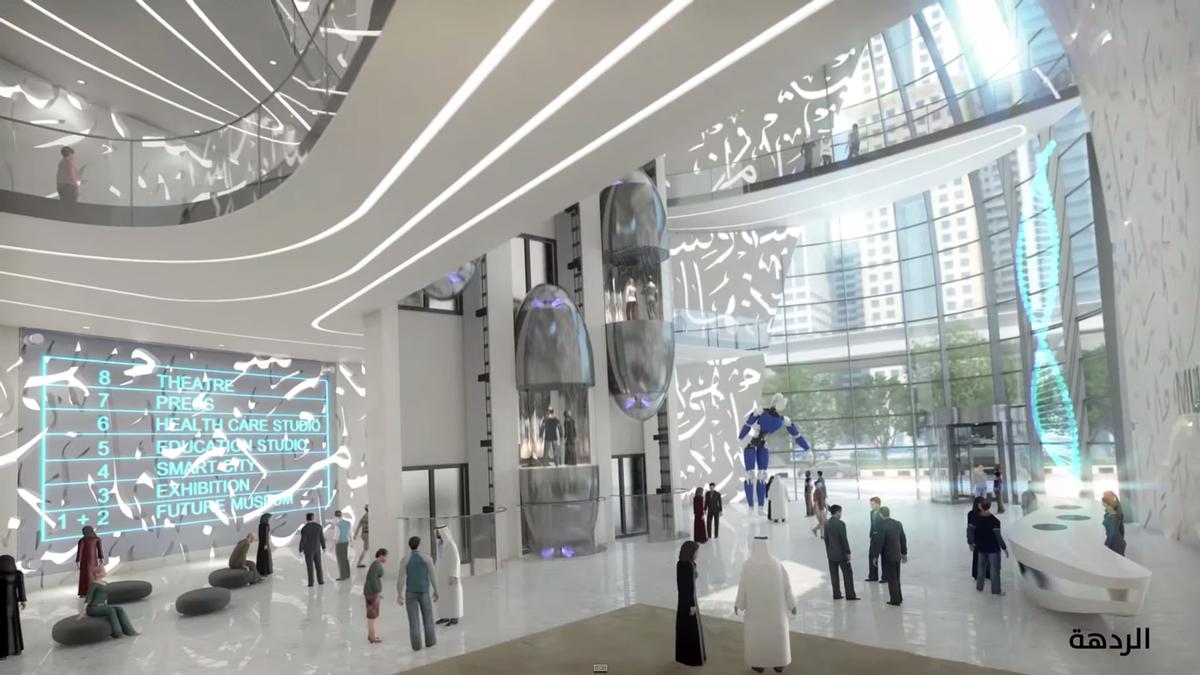
The UAE’s minister of cabinet affairs, Mohammed Al Gergawi, said the building’s curved, steel-clad exterior will feature the Arabic poetry of Sheikh Mohammed. Light will enter the building through the perforated text, casting patterns of Arabic script.
The purpose of the museum is to act as a catalyst for innovation and real change, both in the UAE and wider afield. Sheikh Mohammed took to Twitter to describe it as “an integrated environment, empowering creative minds to test, fund and market ideas for futuristic prototypes and services”, and a "destination for the best and brightest inventors and entrepreneurs”.
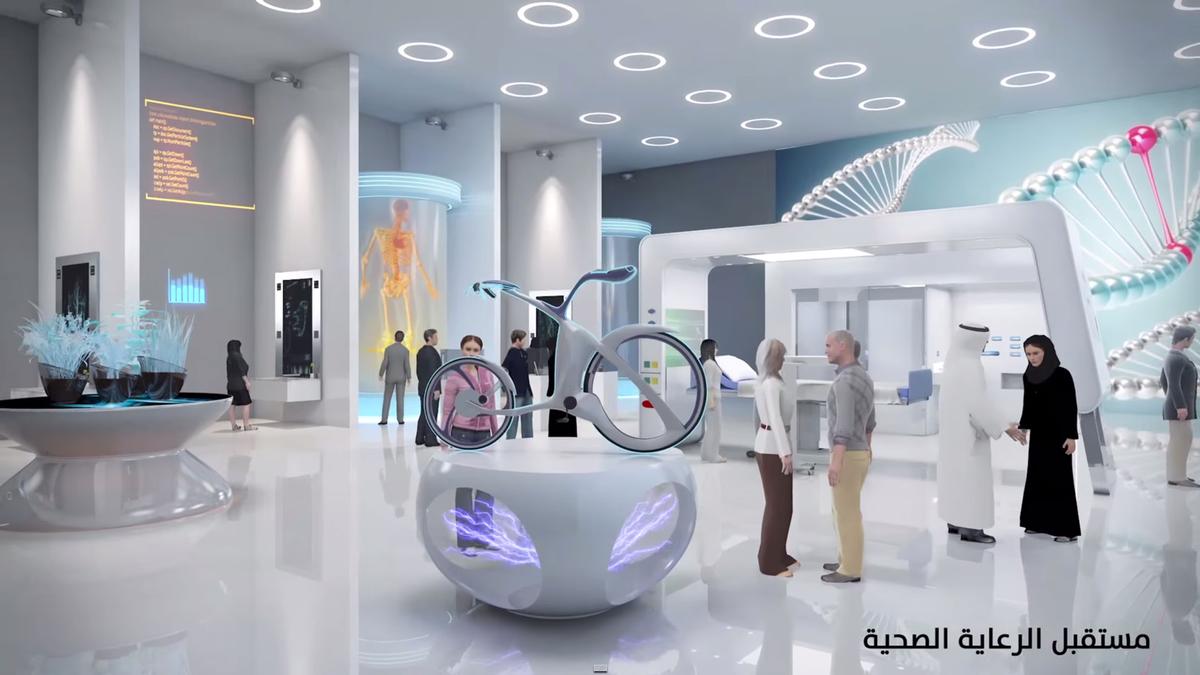
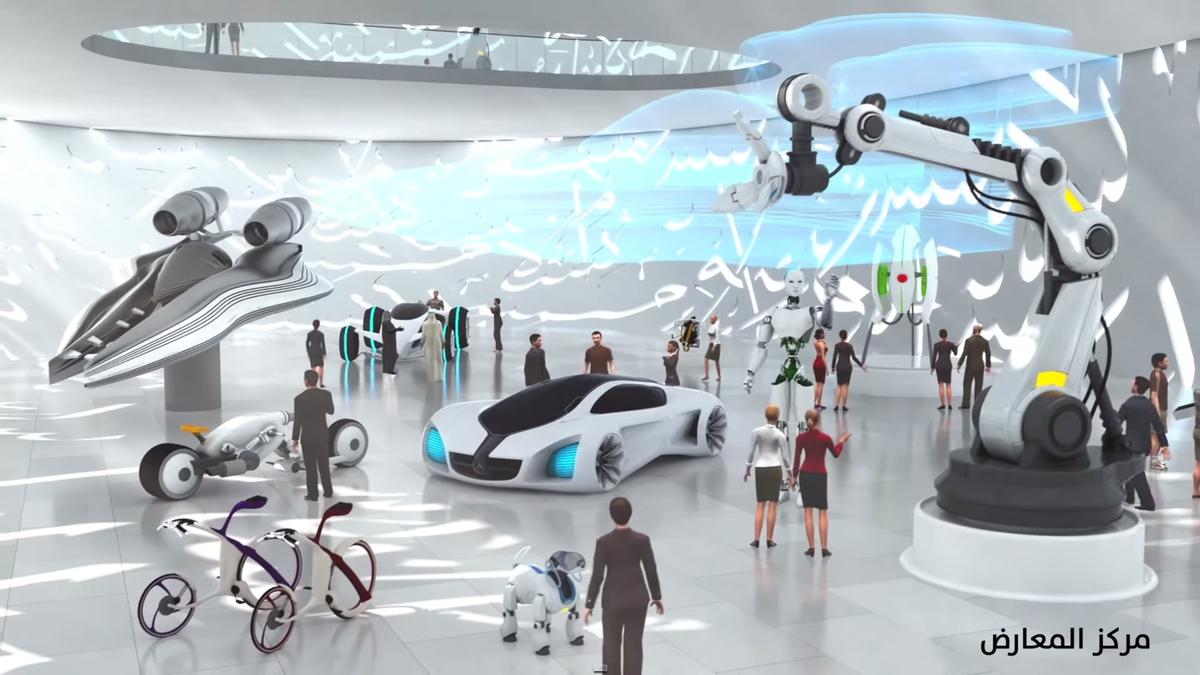
Plans are for the museum to change its exhibits every six months to keep pace with changing technology. The aim is to "always be 10 years ahead of today."
Sheikh Mohammed said the museum will provide a “permanent home for the world’s greatest innovations.” It will be used by people in industry, education and tourism, offering advanced courses and specialised workshops and won’t just showcase prototypes, but will also develop them in special innovation labs — in line with its official motto, “See the Future, Create the Future.”
"The future belongs to those who can imagine it, design it, and execute it. While others try to predict the future, we will create it," he added.
Sheikh Mohammed said the museum is the “first step of many to come”, in his efforts to turn the UAE into a global engine for change. The UAE government has named 2015 as the Year of Innovation, saying it aims to create “a major international destination for innovators.”
It has also been increasing its investment in technology, by supporting tech start-ups and sponsoring initiatives such as Drones for Good, which is exploring humanitarian uses for drones.
In an associated move, the UAE’s Du Telecoms organisation is collaborating with MIT’s Senseable City Lab. The partners are exploring how tech can be used to improve the city of the future.
The museum will open in 2017 and in keeping with its theme, some of the elements of the building will be 3D printed, while it will also incorporate bespoke technology.
Dubai's Meraas Holding to float theme park development on stock market
Plans for record breaking Twin Towers revealed in Dubai
Legoland, Hollywood and Bollywood theme parks all coming to Dubai as part of AED10bn mega resort plans
AI firm Midjourney enters wellness with spa, fitness and body scanning concept
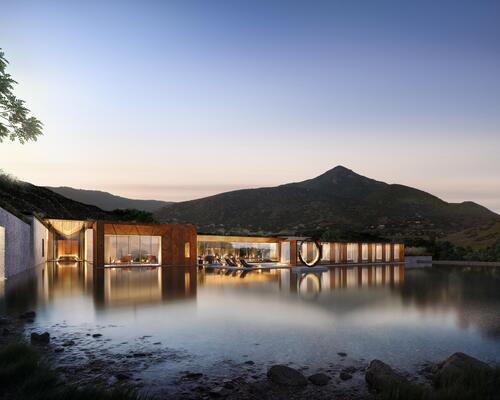
Hot spring wellness community Ameyalli sells residences and breaks ground on resort and spa

OMA completes New Museum transformation with landmark expansion and Oberon restaurant
OMA has completed a major transformation of New York's New Museum, creating a larger cultural campus that combines expanded exhibition spaces with learning, performance, hospitality and public programming. The latest addition, Oberon, extends the visitor experience beyond the gallery, reflecting a growing trend for museums to become all-day destinations.
The New Museum in New York has entered a new chapter with the completion of a major
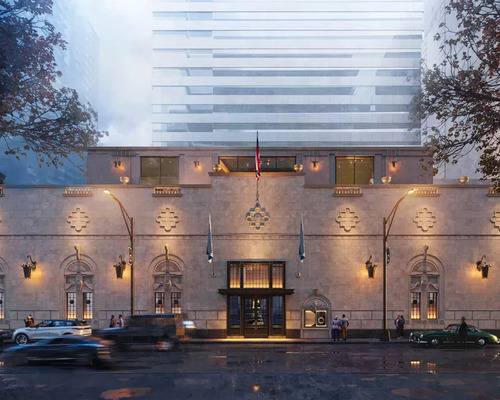
David Rockwell creates immersive magic destination, The Hand and The Eye
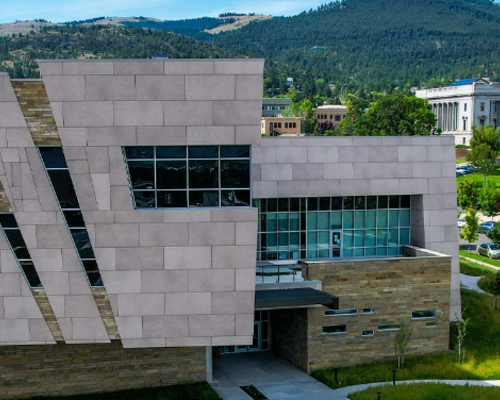
Montana Heritage Center by Cushing Terrell opens after US$107 million investment
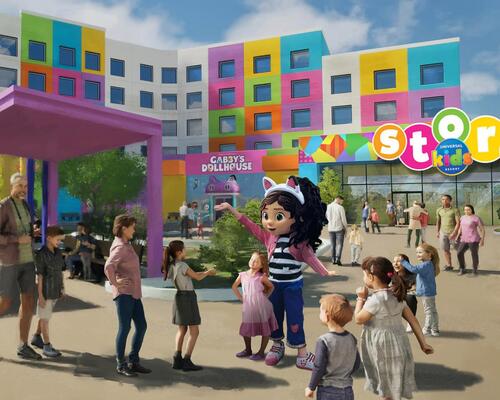
Universal launches new theme park model with Kids Resort
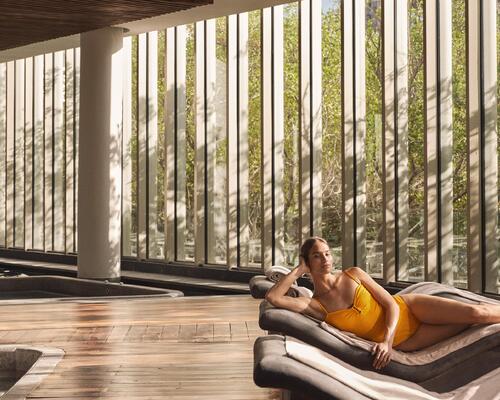
'Minor wellness hotels' recorded the strongest growth across top KPIs in 2025, finds RLA Global
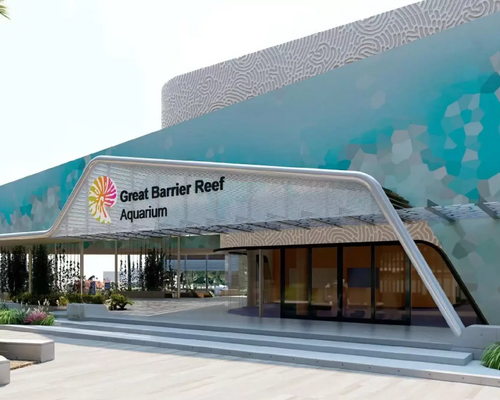
Great Barrier Reef attraction set for AU$180 million reinvention
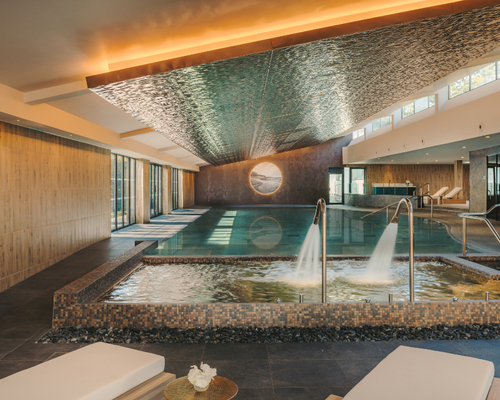
Fairmont Cheshire, The Mere, has architecture by Leach Rhodes Walker and interiors by Bergman Design House.
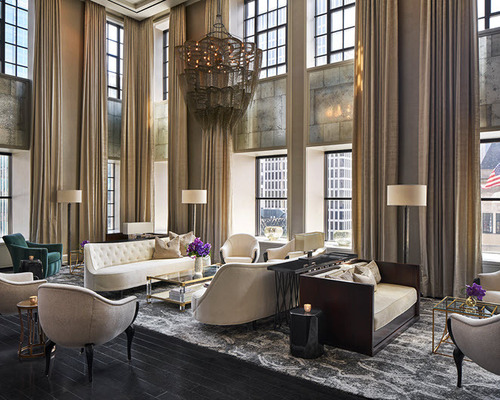
Marriott International partners with Fitwel for wellness solutions across its residential portfolio
Preidlhof Luxury DolceVita Resort to unveil new spa in February 2027
Places Leisure is working with Roberts Limbrick to build £60m wellness flagship in Basingstoke
Hoshino Resorts opens Kai Kusatsu as it expands the Kai onsen ryokan brand
Qiddiya and Populous share details of Saudi Arabia’s National Tennis Centre
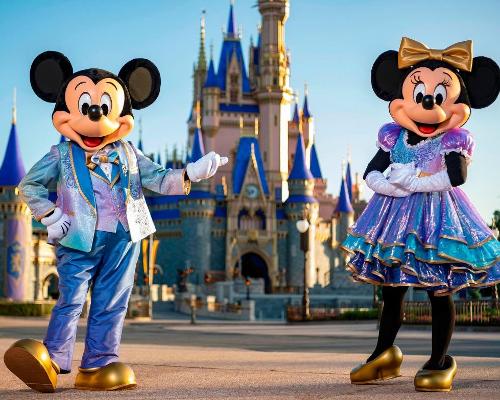
Disney confirms US$30 billion investment programme as it highlights its economic impact
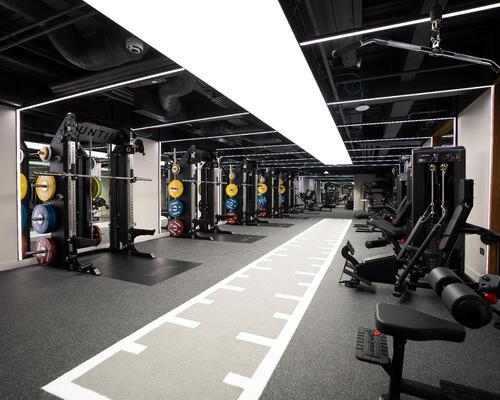
Until combines multiple disciplines at new Canary Wharf club
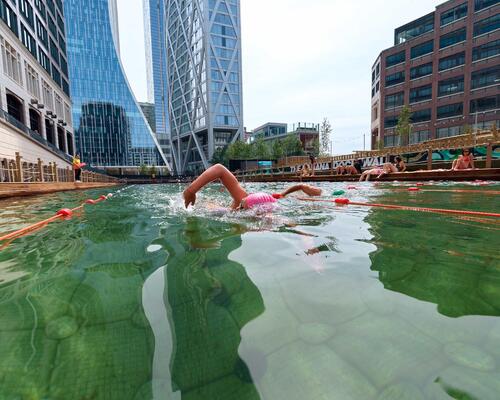
Sea Lanes opens following a partnership between The Eden Project and Canary Wharf Group
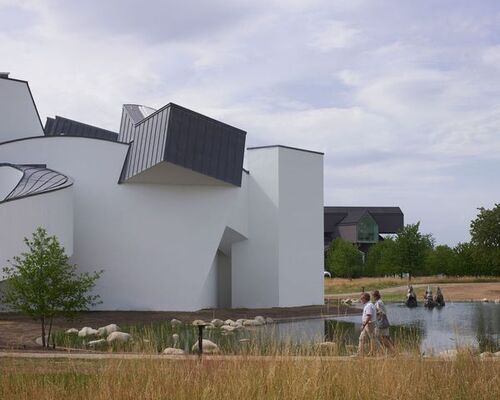
Bas Smets brings water and wilderness to Vitra
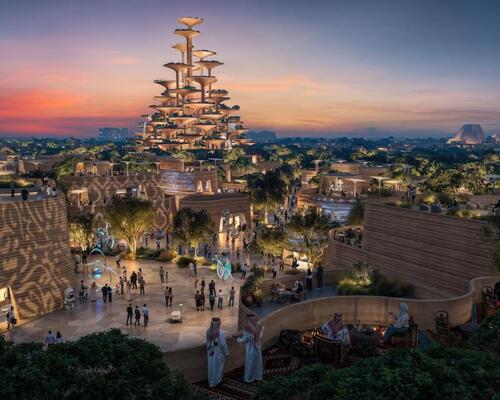
Expo 2030 Riyadh will create a permanent global destination
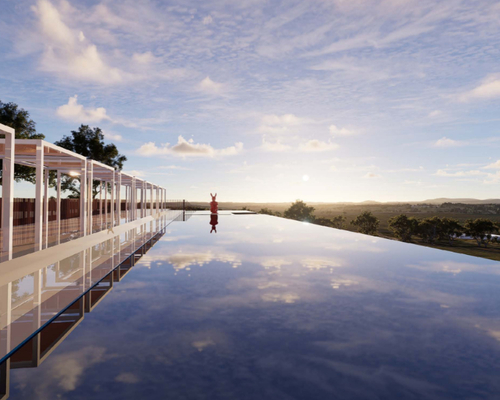
Luxury resort coming to Hunter Valley will have longevity spa
'Data chocolate', dreams made real and artworks shaped by visitors’ emotions: Refik Anadol’s AI art museum launches in Los Angeles
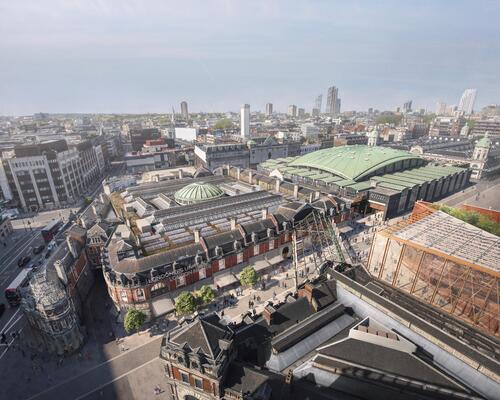
London Museum reveals 2026 opening date for new Smithfield home
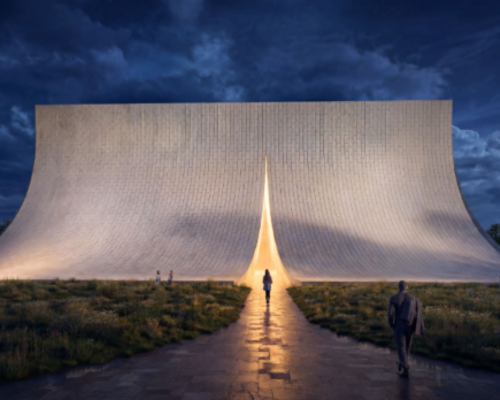
BIG unveils Eve Music Hall as Croatia venue nears completion
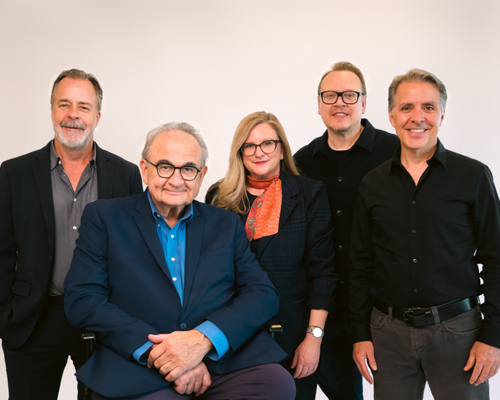
Bob Rogers hands BRC to long-serving leadership team
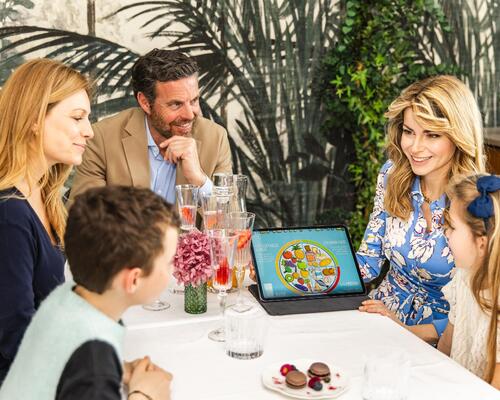
Palazzo di Varignana launches family wellbeing and longevity retreat in Emilia Romagna
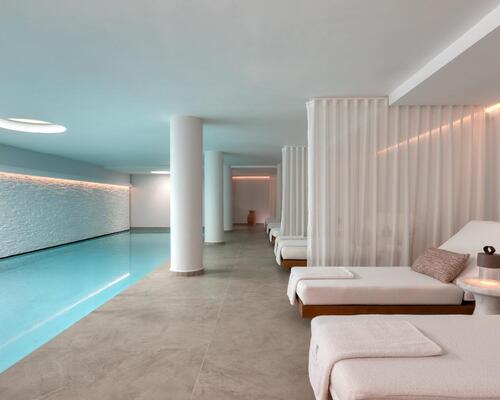
Anasa Wellness and Spa debuts at Patmos Aktis as it joins Marriott
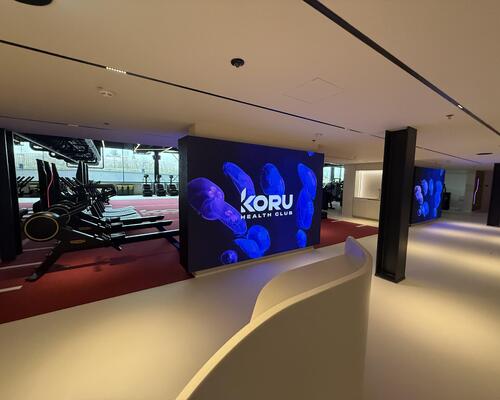
Design-led Koru Health Club combines high-performance training with recovery

Wellness care hospital opens in Vilnius with innovative spa and hospitality concept
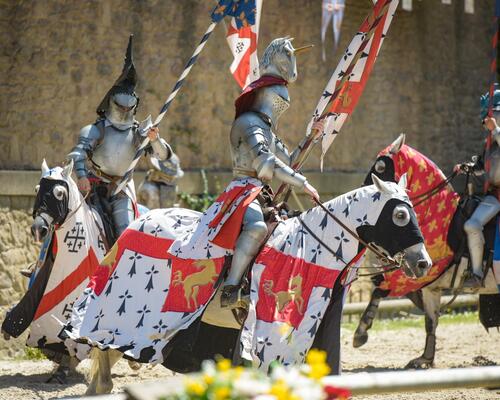
Universal and Puy du Fou projects point to rise of Oxford–Cambridge corridor
A proposed Puy du Fou development near Bicester and Universal Destinations and Experiences’ planned resort in Bedford are emerging as part of a wider transformation of the Oxford–Cambridge Growth Corridor into a major centre for UK leisure and tourism investment.
For years, the corridor has been associated primarily with science, technology, housing and university-led economic growth. However, the clustering of large-scale visitor attraction projects along the
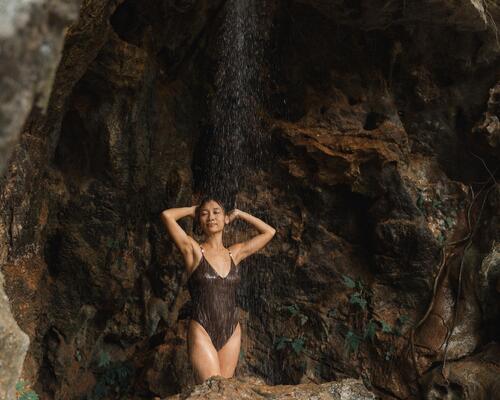
All-inclusive eco-wellness development Auko to open near Vietnam’s Son Doong caves