As cost of living crisis reduces activity levels in the least well off. Mike Hill calls for subsidies and flexible provision



Two new research reports have highlighted the impact of the UK's cost of living crisis on people's physical activity levels and there have been calls for interventions to make access more affordable.
The first study, The rising cost of living and its impact on sport and physical activity, is a new report from Sport England and Sheffield Hallam University and found that although headline participation rates in physical activity have remained stable compared to pre-COVID levels, inequalities in participation continue to persist.
Nick Pontefract, Sport England's chief strategy officer, said: "People from the most deprived areas and from lower socioeconomic backgrounds are more likely to say their levels of physical activity have been negatively affected by cost of living increases.
"These pressures are entrenching behavioural changes that are unlikely to reverse until household finances improve."
The quango predicts inflation will return to the 2 per cent target level by the end of 2024 and that living standards will return to 2021/22 levels by 2027/28, although this will still be at below pre-pandemic levels in real terms.
Other impacts of the cost of living crisis identified in the report include; cost pressures on sports clubs which are affecting club finances and making access less affordable for some; reduced levels of volunteering due to time constraints and; pressures on paid staff – especially those with low wages or who are in casual positions – some of whom are leaving for better paid opportunities elsewhere.
Redundancies and facility closures due to budget constraints are also reducing the number of career openings.
“At Sport England, we’re doing everything we can to support the sector through this time," said Pontefract.
"This includes managing the Government-funded Swimming Pool Support Fund, a £60 million package to help keep public leisure facilities with swimming pools open.
"We also recently announced a £250m expansion to our Place Partnerships and this money is specifically aimed at the places with the greatest need, and where the impact of cost-of-living pressures will be most pronounced."
Read more about place partnership funding a href="https://www.healthclubmanagement.co.uk/health-club-management-news/Shocking-health-inequalities-in-England-prompt-250m-investment-in-physical-activity/352231">here.
The second report – Moving Communities 2023 Customer Experience Survey – a monitor of physical activity measured through the public sector, also found the cost of living crisis negatively impacting general access to physical activity for those who are less well off.
The annual survey was carried out from June to October 2023 and published at the turn of the year.
It found 9 per cent of respondents saying their efforts to be physically active have been 'significantly' impacted by higher living costs, while a further 31 per cent said they had been 'somewhat' impacted.
ie, 60 per cent have not been impacted and 40 per cent have been 'somewhat' or 'substantially' impacted.
The impact on the use of sports, leisure, and health facilities was found to be in line with the previous year, with 6 per cent of people saying attendances have been 'significantly' impacted and 25 per cent reporting that their use of facilities has been 'somewhat' impacted
ie, 60 per cent have not had their attendance impacted and 31 per cent have been 'somewhat' or 'substantially' impacted.
Active Insight’s director and Moving Communities lead, Mike Hill, is calling on the industry to explore collaborative efforts with local authorities to introduce measures such as subsidised memberships or flexible plans to enhance accessibility and overcome these barriers.
Despite the economic challenges, the survey showed that the vast majority of people are still choosing to prioritise their spend on health. The 16-to-24 age group show the strongest intent, at 90 per cent, which is attributed to the growing awareness of the mental health benefits of physical activity. “Leisure centres are encouraged to capitalise on this commitment by integrating mental health support services and tailoring programmes,” says Hill.
When it comes to operations, looking after the basics is as important as ever, with the friendliness of staff and cleanliness of the facility ranking highly for customers.
Millennials are the hardest group to please, according to the Moving Communities Net Promoter Score: 69 per cent report they are satisfied, compared to 93 per cent of the over 85s. Hill attributes this to the Millennials’ emphasis on experiences and technology-driven solutions, saying: “The survey results suggest a compelling case for leisure centres to integrate innovate technologies and personalised training plans in order to resonate more effectively with this demographic.”
With 42 per cent of members participating in sport and exercise outside leisure centres, there are a further opportunities for facilities to extend their reach – with virtual offerings, for example.
Participation in group exercise remained strong, increasing by 3 per cent on already robust numbers, while the survey showed a slight downturn in active commuting, with a 3 per cent decrease in walking and a 5 per cent increase in driving.
The Moving Communities’ annual survey is the largest of its kind in the leisure sector, with 36,000 respondents across 49 operators, 619 sites and partnering with 184 local authorities.
It combines the expertise of Sport England with a group of partners including Active Insights (formerly leisure-net), the Sport Industry Research Group at Sheffield Hallam University, 4Global and Quest.
Together, Moving Communities provides insight based on the largest data set ever gathered for the local authority leisure sector.
Download The rising cost of living and its impact on sport and physical activity here.
Download Moving Communities here
Responding to the Sport England study, Huw Edwards, CEO of UK Active said: "The continuing cost of living challenges we face have had an impact on the physical activity sector and the community it serves.
“Despite these pressures, the sector continues to grow and receive huge demand for services, with parts of the sector reporting record numbers of membership driven by a growing consumer demand to manage health conditions and support their mental health.
“There are a range of cost-effective memberships available at budget gyms and local leisure centres to suit people from all backgrounds, starting from as little as £4 a week. Many operators have also adapted their offering to include shorter memberships for people to try before signing a longer contract, as well as spreading the cost.”
“To support the sector and ensure people can feel the lifelong benefits of activity, we want the Government to support the essential services provided by gyms and leisure facilities. Through levers such as VAT relief, they can encourage sector growth as well as incentivising people to stay active. This support will reduce any financial burden being placed unnecessarily on consumers and will allow gyms to continue providing affordable options for people from all socio-economic backgrounds, and consumers to keep visiting the sites they need and love.
“We'll continue to support the Government and its agencies to fully understand the size, scale and value – both economic and social – of the fitness and leisure sector.”
The bigger picture
Writing in HCM, change agent Martyn Allison says social care costs are putting too much of a strain on local authority budgets and that the sector needs to collaborate with other industries to lobby politicians to solve the problem. Read morehere
Moving Communities Active Insight Mike Hill Sport Industry Research Group Sheffield Hallam University 4Global Quest

BIG unveils Eve Music Hall as Croatia venue nears completion
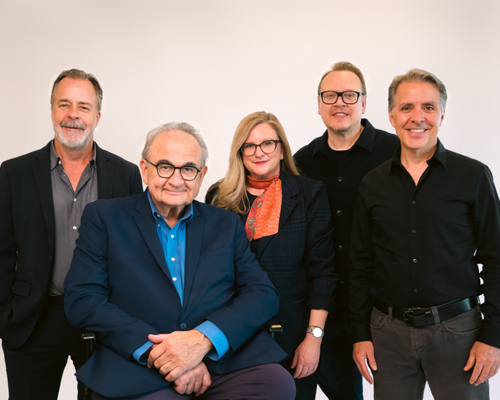
Bob Rogers hands BRC to long-serving leadership team

Wellness care hospital opens in Vilnius with innovative spa and hospitality concept

Universal and Puy du Fou projects point to rise of Oxford–Cambridge corridor
A proposed Puy du Fou development near Bicester and Universal Destinations and Experiences’ planned resort in Bedford are emerging as part of a wider transformation of the Oxford–Cambridge Growth Corridor into a major centre for UK leisure and tourism investment.
For years, the corridor has been associated primarily with science, technology, housing and university-led economic growth. However, the clustering of large-scale visitor attraction projects along the

All-inclusive eco-wellness development Auko to open near Vietnam’s Son Doong caves

Shedd Aquarium upgrades its visitor experience with new Immersion Theater
Shedd Aquarium has opened the Immersion Theater developed in partnership with SimEx-Iwerks, as part of a wider strategy to enhance the guest experience and create additional revenue opportunities.
The attraction has transformed the aquarium’s Phelps Auditorium into a multi-sensory venue combining panoramic projection, environmental effects and interactive technology.
A new pre-show area allows visitors to engage with augmented reality marine animals before entering the

Mandarin Oriental announces standalone Mansions-branded residences for Abu Dhabi

MCR is planning a luxury hotel for London's BT Tower

Joy as a radical act: Yinka Ilori launches solo exhibition celebrating the rebellious power of spreading happiness

Work gets underway on Madrid's €800 million leisure complex
Work is underway in Madrid on one of Europe’s most significant multi-functional complexes, combining sport, entertainment, culture and education.
The €800 million initiative to regenerate the former Olympic Aquatic Centre in the north-east of the city, next to the Riyadh Air Metropolitano stadium, is being led by Barsento – a joint venture between Live Nation Entertainment, Oak View Group and Atlético de Madrid. The project will
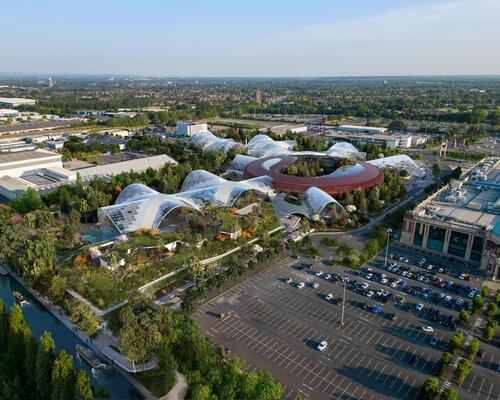
Therme Manchester reveals 90:90 strategy – 90 per cent of the UK population within a 90-minute drive of a Therme

Four Seasons’ Naples Beach Club opens 2,800sq m Sanctuary spa inspired by indigenous Calusa people

Orient Express Corinthian to host Ocean Rebirth wellness retreat in collaboration with Guerlain

Famed London nightclub, Tramp, launches Tramp Health

First look: Miraval opens on the Red Sea in Saudi Arabia

Hainan Science Museum by Ma Yansong, opens in China
A new science museum has opened to the public in Haikou after attracting more than 350,000 visitors during a four-month soft opening period.
Designed by Ma Yansong and his practice MAD Architects, the Hainan Science Museum is located on the edge of Wuyuan River National Wetland Park and has already recorded peak attendance of more than 5,800 visitors in a single day.
Commissioned by

Zannier Île De Bendor launches with design by Hardel Le Bihan Architectes
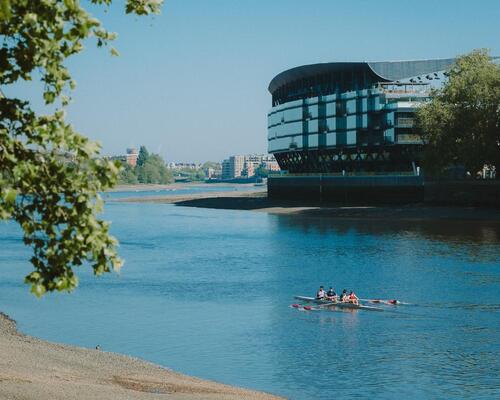
Sæl Spa readies for launch in London: “a modern British sanctuary”

Immersive art bathhouse Submersive announces debut location in Austin

Construction begins on regenerative wellness destination The Shenandoah Nature Resort

Royal Caribbean reveals record-breaking cruise ship

V&A East opens in London

David Geffen galleries open at LACMA

New venue The Lands by Capella includes a longevity centre to complement sister hotel Capella Sydney

World of Frozen launches at Disneyland Paris
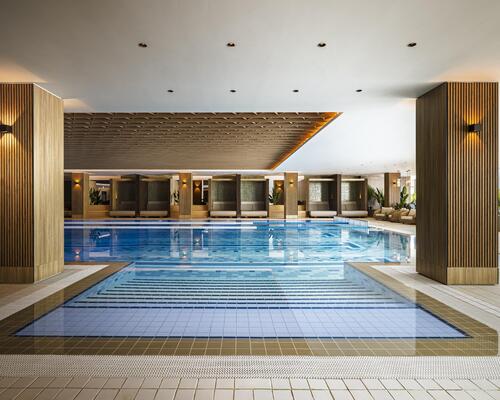
Pical Resort by Valamar reveals first Croatian spa under the ESPA brand

Mandarin Oriental creates end-to-end Egyptian journey with two new hotels and first-ever luxury river cruise

Designers Mendil + Meyer launch new division called Lām Concepts for strategic wellness projects

Wilderness Bisate in Rwanda reveals brand’s second Sanctuary spa
4a Architekten shares details of wellness extension at Salinarium Bad Dürkheim Thermal Spa










Designed to restore neglected land and renew the identity of Iraq’s capital city, Baghdad Sustainable Forests promises a new way of living surrounded by nature. Gensler’s Ian Mulcahay tells us why he thinks the project could become a model for the repair and enhancement of urban centres