Mindfulness meditation shown to reduce pain: study



Scientists at Wake Forest Baptist Medical Center in North Carolina, US, have found new evidence that mindfulness meditation reduces pain.
The research, published in the Journal of Neuroscience, showed that study participants who practiced mindfulness meditation reported greater pain relief than placebo.
Significantly, brain scans showed that mindfulness meditation produced very different patterns of activity than those produced by placebo to reduce pain.
“We were completely surprised by the findings,” said Fadel Zeidan, Ph.D., assistant professor of neurobiology and anatomy at Wake Forest Baptist and lead investigator of the study.
“While we thought that there would be some overlap in brain regions between meditation and placebo, the findings from this study provide novel and objective evidence that mindfulness meditation reduces pain in a unique fashion.”
The study used a two-pronged approach – pain ratings and brain imaging – to determine whether mindfulness meditation is merely a placebo effect.
Seventy-five healthy, pain-free participants were randomly assigned to one of four groups: mindfulness meditation, placebo meditation (“sham” meditation), placebo analgesic cream (petroleum jelly) or control.
Pain was induced by using a thermal probe to heat a small area of the participants’ skin to 49 degrees Centigrade (120.2 degrees Fahrenheit), a level of heat most people find very painful. Study participants then rated pain intensity (physical sensation) and pain unpleasantness (emotional response). The participants’ brains were scanned with arterial spin labelling magnetic resonance imaging (ASL MRI) before and after their respective four-day group interventions.
The mindfulness meditation group reported that pain intensity was reduced by 27 per cent and by 44 per cent for the emotional aspect of pain. In contrast, the placebo cream reduced the sensation of pain by 11 per cent and emotional aspect of pain by 13 per cent.
“The MRI scans showed for the first time that mindfulness meditation produced patterns of brain activity that are different than those produced by the placebo cream,” Zeidan said.
Mindfulness meditation reduced pain by activating brain regions associated with the self-control of pain, while the placebo cream lowered pain by reducing brain activity in pain-processing areas.
Another brain region, the thalamus – an area that serves as a gateway to determine if sensory information is allowed to reach higher brain centres – was deactivated during mindfulness meditation, but was activated during all other conditions.
By deactivating this area, mindfulness meditation may have caused signals about pain to simply fade away, Zeidan said.
Mindfulness meditation also was significantly better at reducing pain intensity and pain unpleasantness than the placebo meditation.
The placebo-meditation group had relatively small decreases in pain intensity (9 per cent) and pain unpleasantness (24 per cent). The study findings suggest that placebo meditation may have reduced pain through a relaxation effect that was associated with slower breathing.
“This study is the first to show that mindfulness meditation is mechanistically distinct and produces pain relief above and beyond the analgesic effects seen with either placebo cream or sham meditation,” Zeidan said.
“Based on our findings, we believe that as little as four 20-minute daily sessions of mindfulness meditation could enhance pain treatment in a clinical setting.”
However, Zeidan cautioned, given that the study examined healthy, pain-free volunteers, the findings cannot be generalised to cover chronic pain patients yet.

BIG unveils Eve Music Hall as Croatia venue nears completion
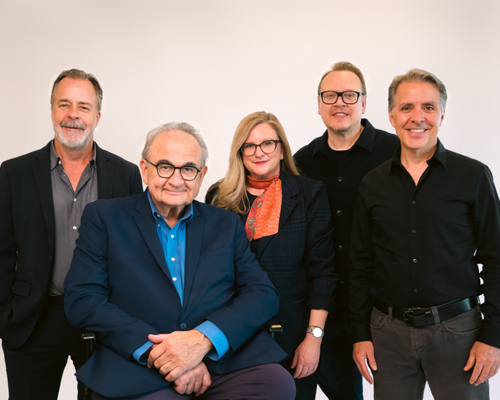
Bob Rogers hands BRC to long-serving leadership team

Wellness care hospital opens in Vilnius with innovative spa and hospitality concept

Universal and Puy du Fou projects point to rise of Oxford–Cambridge corridor
A proposed Puy du Fou development near Bicester and Universal Destinations and Experiences’ planned resort in Bedford are emerging as part of a wider transformation of the Oxford–Cambridge Growth Corridor into a major centre for UK leisure and tourism investment.
For years, the corridor has been associated primarily with science, technology, housing and university-led economic growth. However, the clustering of large-scale visitor attraction projects along the

All-inclusive eco-wellness development Auko to open near Vietnam’s Son Doong caves

Shedd Aquarium upgrades its visitor experience with new Immersion Theater
Shedd Aquarium has opened the Immersion Theater developed in partnership with SimEx-Iwerks, as part of a wider strategy to enhance the guest experience and create additional revenue opportunities.
The attraction has transformed the aquarium’s Phelps Auditorium into a multi-sensory venue combining panoramic projection, environmental effects and interactive technology.
A new pre-show area allows visitors to engage with augmented reality marine animals before entering the
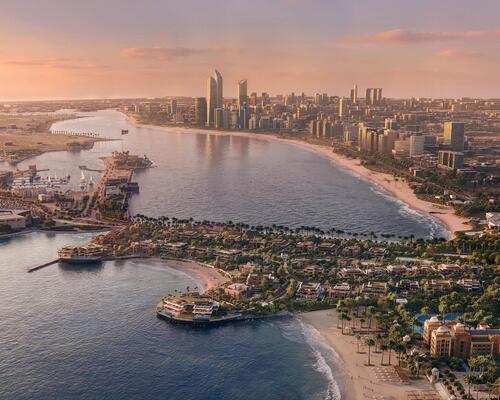
Mandarin Oriental announces standalone Mansions-branded residences for Abu Dhabi
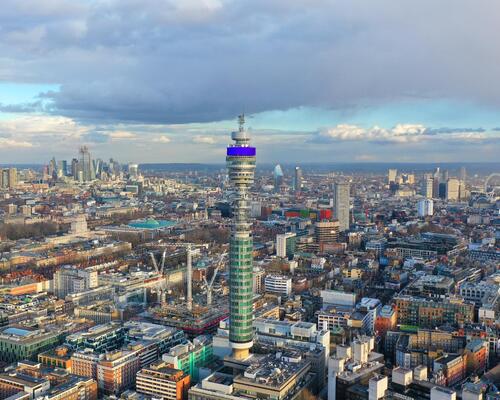
MCR is planning a luxury hotel for London's BT Tower

Joy as a radical act: Yinka Ilori launches solo exhibition celebrating the rebellious power of spreading happiness

Work gets underway on Madrid's €800 million leisure complex
Work is underway in Madrid on one of Europe’s most significant multi-functional complexes, combining sport, entertainment, culture and education.
The €800 million initiative to regenerate the former Olympic Aquatic Centre in the north-east of the city, next to the Riyadh Air Metropolitano stadium, is being led by Barsento – a joint venture between Live Nation Entertainment, Oak View Group and Atlético de Madrid. The project will
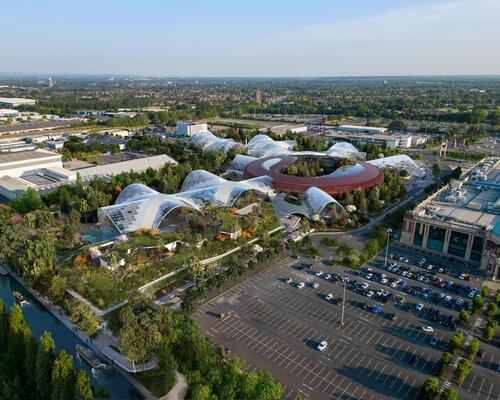
Therme Manchester reveals 90:90 strategy – 90 per cent of the UK population within a 90-minute drive of a Therme

Four Seasons’ Naples Beach Club opens 2,800sq m Sanctuary spa inspired by indigenous Calusa people
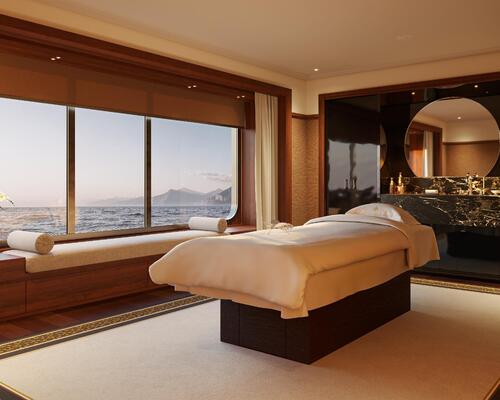
Orient Express Corinthian to host Ocean Rebirth wellness retreat in collaboration with Guerlain
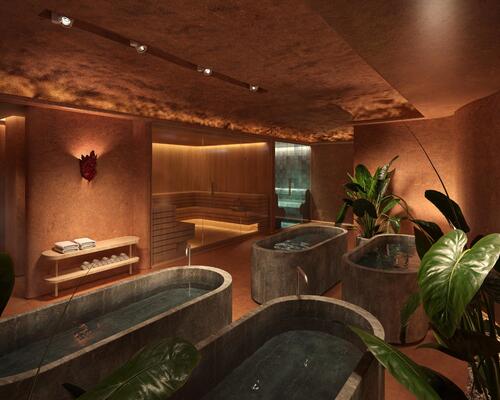
Famed London nightclub, Tramp, launches Tramp Health
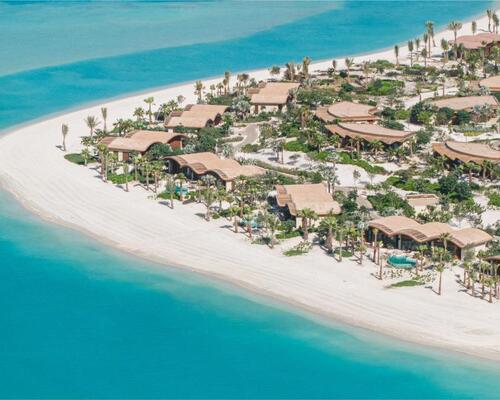
First look: Miraval opens on the Red Sea in Saudi Arabia

Hainan Science Museum by Ma Yansong, opens in China
A new science museum has opened to the public in Haikou after attracting more than 350,000 visitors during a four-month soft opening period.
Designed by Ma Yansong and his practice MAD Architects, the Hainan Science Museum is located on the edge of Wuyuan River National Wetland Park and has already recorded peak attendance of more than 5,800 visitors in a single day.
Commissioned by
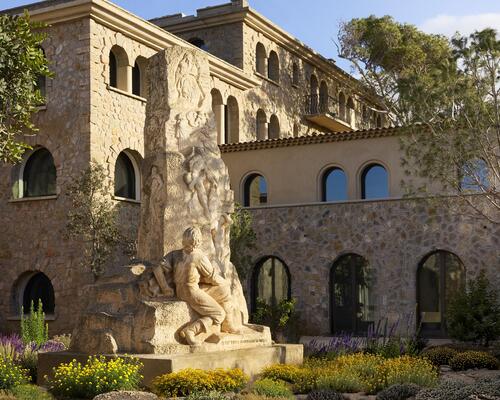
Zannier Île De Bendor launches with design by Hardel Le Bihan Architectes
Sæl Spa readies for launch in London: “a modern British sanctuary”
Immersive art bathhouse Submersive announces debut location in Austin

Construction begins on regenerative wellness destination The Shenandoah Nature Resort

Royal Caribbean reveals record-breaking cruise ship

V&A East opens in London

David Geffen galleries open at LACMA

New venue The Lands by Capella includes a longevity centre to complement sister hotel Capella Sydney

World of Frozen launches at Disneyland Paris
Pical Resort by Valamar reveals first Croatian spa under the ESPA brand

Mandarin Oriental creates end-to-end Egyptian journey with two new hotels and first-ever luxury river cruise

Designers Mendil + Meyer launch new division called Lām Concepts for strategic wellness projects
Wilderness Bisate in Rwanda reveals brand’s second Sanctuary spa
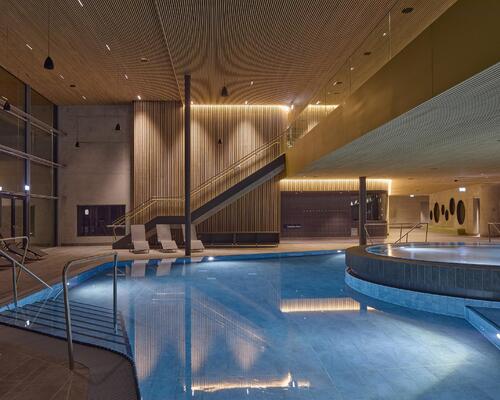
4a Architekten shares details of wellness extension at Salinarium Bad Dürkheim Thermal Spa



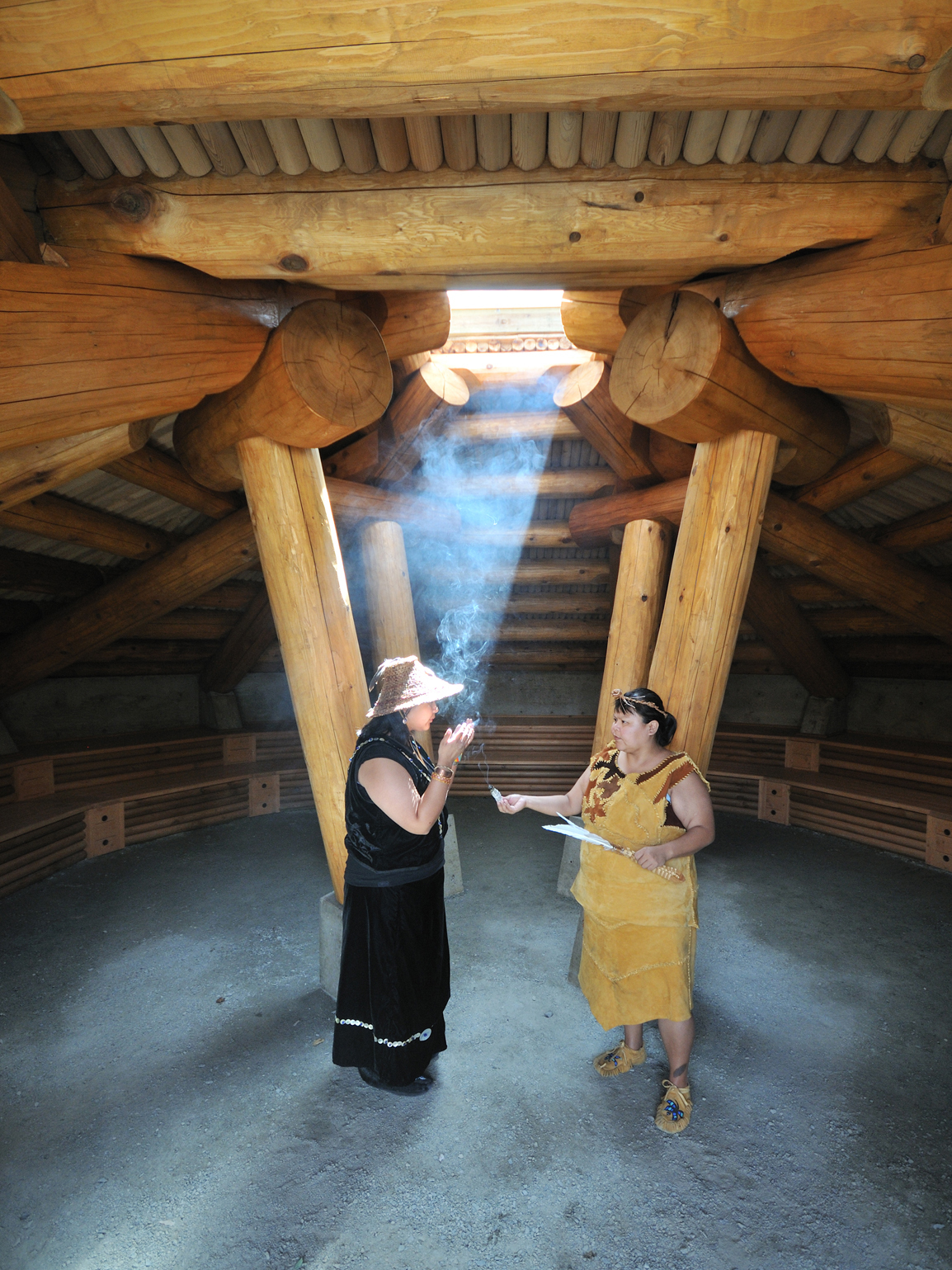












Designed to restore neglected land and renew the identity of Iraq’s capital city, Baghdad Sustainable Forests promises a new way of living surrounded by nature. Gensler’s Ian Mulcahay tells us why he thinks the project could become a model for the repair and enhancement of urban centres