Sesnan questions Tower Hamlet insourcing decision – says it will increase costs by £2.1m a year



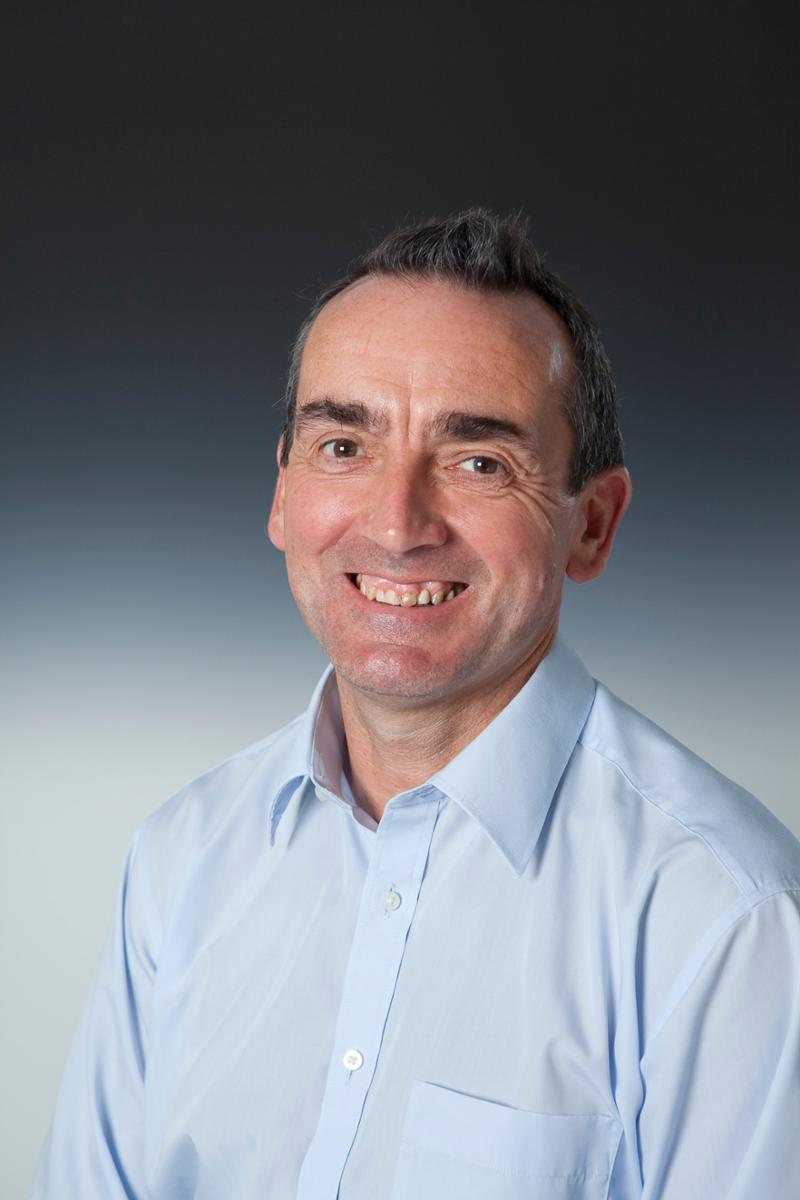
– Mark Sesnan, CEO GLL
Mark Sesnan, CEO of GLL, has pushed back on Tower Hamlet Council’s decision to take the operation of its leisure services back in-house when GLL’s contract ends in April 2024, saying it will increase costs.
Sesnan told HCM “We’re obviously extremely disappointed with the decision to change delivery arrangements, particularly given the clear recommendations of an independent Leisure Recommissioning Report, which advised that the current delivery model offers the best value-for-money.“
He said “We’ve always maintained excellent working relationships with Tower Hamlet Council and will continue to work closely with them as we approach 2024, however, it’s hard to understand why some councils have decided that insourcing their leisure centres is in the interests of customers, the staff or the wider community; particularly as – in the case of Tower Hamlets, it has been calculated by the independent review that it will cost local ratepayers an additional £2.1m every year.
“Insourcing will also stifle staff career opportunities and restrict customer choice, as their access to leisure services will be limited to ‘home borough facilities only’ – but it is of course the council’s right to so choose,” he said.
Tower Hamlets Council is the latest London authority to take direct control of its leisure services, following Southwark and Lambeth Councils.
Tower Hamlets currently owns seven leisure centres, which have been managed by GLL for the past 18 years.
To accompany the announcement, the council pledged to invest £35m in leisure, as part of a renewed focus on providing a service that "benefits hard-to-reach communities", such as BAME women and children with special educational needs.
The £35m investment in services revealed by the council includes the building of a new leisure centre in Shadwell.
According to Lutfur Rahman, mayor of Tower Hamlets, the decision to insource services aligns with the council’s leisure strategy, to "enable and support local people to live healthier and physically active lives".
“It is important for local people to have access to high-quality facilities to play sport, stay healthy and come together as a community," Rahman said.
"The decision to bring leisure services in-house is as much about public health as it is about managing our services on behalf of residents.
"The new leisure centre at St George’s (in Shadwell) will be a great asset for local people and demonstrates our commitment to providing affordable and accessible facilities and housing for residents,” he said.
However, Sesnan said GLL has already been offering strong support for community access and inclusion, commenting: “As a staff-owned charitable social enterprise, we're proud of the progress we’ve made providing leisure services to the local Tower Hamlets community over the past 18 years. During that time we’ve consistently invested in the local area and worked with all ages, fitness levels, ethnicities and cultures to promote the benefits of exercise to residents’ physical health and mental wellbeing.
“Initiatives we’ve delivered in Tower Hamlets include highly successful targeted women-only swimming, gym and activity sessions, intensive learn to swim classes for children from deprived backgrounds and a Young at Heart activity programme for older people. We also provide financial and practical support to talented young athletes from Tower Hamlets through our GLL Sport Foundation.”
The council's decision has sparked discussion among industry thought leaders – including on the LinkedIn open forum, where one commentator expressed the opinion that insourcing – particularly through a pure in-house model – will almost always result in higher costs compared to procuring a leisure contract through a multi-site operator.
However, it was acknowledged that some councils are looking to take more control of their services and for them to work as part of a wider health and wellbeing system and that they're prepared to pay to fund this.
It was ultimately deemed unlikely that we'll see a major shift back to insourcing, as many councils don't have the capacity or desire to run services themselves.
Neil Hutchinson, MD of Bolton Middlebrook Leisure Trust – and former head of group operations at Burnley Leisure Trust – said: “It feels as though the industry is going full circle.
"I started my career with the council in-house before moving to a trust – and now I see many going back to in-house or using LATCos.
"We need to get consistency across the country so users have the same opportunities and variety of services and facilities everywhere. Another exciting time to be in the industry,” he said.
Dan Flahive, centre manager at Circadian Trust, said: "Interesting to see this and if more councils follow suit.
"Councils taking on leisure facilities need to maintain high standards in operation, as this is where they've fallen down in the past. Interesting times."
Some in the industry see the decision as a, trend with an increasing number of councils opting to bring services in-house or to adopt a LATCo model, as a way to manage costs, generate revenue and deliver positive outcomes.
GLL Tower Hamlets leisure services Mark Sesnan Lutfur RahmanLGA and ukactive call for fundamental reform of UK public leisure services
FEATURE: News report – Tackling inequality
FEATURE: Everyone’s talking about – Insourcing


AI firm Midjourney enters wellness with spa, fitness and body scanning concept
Hot spring wellness community Ameyalli sells residences and breaks ground on resort and spa

OMA completes New Museum transformation with landmark expansion and Oberon restaurant
OMA has completed a major transformation of New York's New Museum, creating a larger cultural campus that combines expanded exhibition spaces with learning, performance, hospitality and public programming. The latest addition, Oberon, extends the visitor experience beyond the gallery, reflecting a growing trend for museums to become all-day destinations.
The New Museum in New York has entered a new chapter with the completion of a major
David Rockwell creates immersive magic destination, The Hand and The Eye

Montana Heritage Center by Cushing Terrell opens after US$107 million investment

Universal launches new theme park model with Kids Resort
'Minor wellness hotels' recorded the strongest growth across top KPIs in 2025, finds RLA Global
Great Barrier Reef attraction set for AU$180 million reinvention
Fairmont Cheshire, The Mere, has architecture by Leach Rhodes Walker and interiors by Bergman Design House.
Marriott International partners with Fitwel for wellness solutions across its residential portfolio
Preidlhof Luxury DolceVita Resort to unveil new spa in February 2027
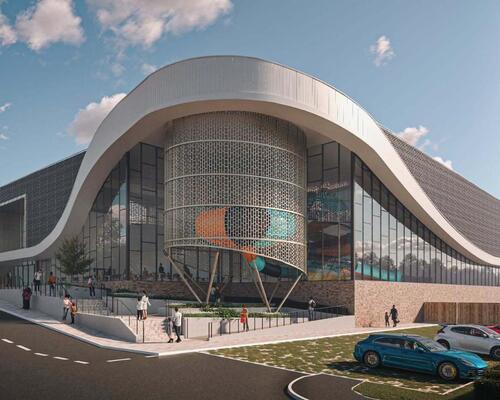
Places Leisure is working with Roberts Limbrick to build £60m wellness flagship in Basingstoke
Hoshino Resorts opens Kai Kusatsu as it expands the Kai onsen ryokan brand
Qiddiya and Populous share details of Saudi Arabia’s National Tennis Centre
Disney confirms US$30 billion investment programme as it highlights its economic impact
Until combines multiple disciplines at new Canary Wharf club

Sea Lanes opens following a partnership between The Eden Project and Canary Wharf Group
Bas Smets brings water and wilderness to Vitra
Expo 2030 Riyadh will create a permanent global destination
Luxury resort coming to Hunter Valley will have longevity spa
'Data chocolate', dreams made real and artworks shaped by visitors’ emotions: Refik Anadol’s AI art museum launches in Los Angeles
London Museum reveals 2026 opening date for new Smithfield home
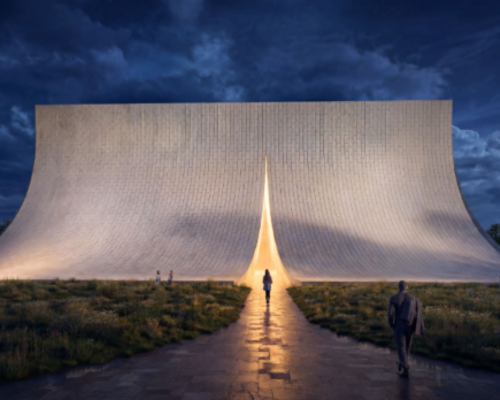
BIG unveils Eve Music Hall as Croatia venue nears completion
Bob Rogers hands BRC to long-serving leadership team
Palazzo di Varignana launches family wellbeing and longevity retreat in Emilia Romagna
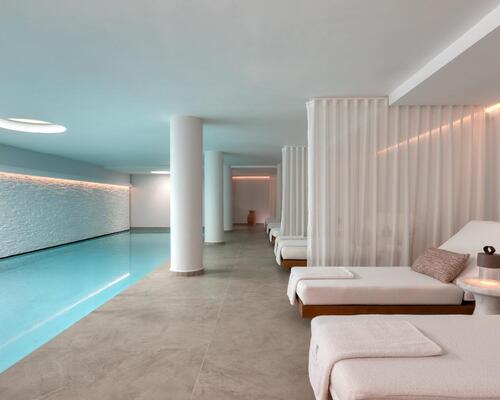
Anasa Wellness and Spa debuts at Patmos Aktis as it joins Marriott
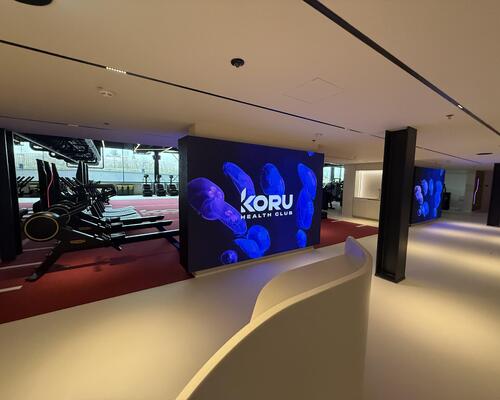
Design-led Koru Health Club combines high-performance training with recovery

Wellness care hospital opens in Vilnius with innovative spa and hospitality concept

Universal and Puy du Fou projects point to rise of Oxford–Cambridge corridor
A proposed Puy du Fou development near Bicester and Universal Destinations and Experiences’ planned resort in Bedford are emerging as part of a wider transformation of the Oxford–Cambridge Growth Corridor into a major centre for UK leisure and tourism investment.
For years, the corridor has been associated primarily with science, technology, housing and university-led economic growth. However, the clustering of large-scale visitor attraction projects along the

All-inclusive eco-wellness development Auko to open near Vietnam’s Son Doong caves




Designed to restore neglected land and renew the identity of Iraq’s capital city, Baghdad Sustainable Forests promises a new way of living surrounded by nature. Gensler’s Ian Mulcahay tells us why he thinks the project could become a model for the repair and enhancement of urban centres