Technology is turning the fitness tide, says Rasmus Ingerslev


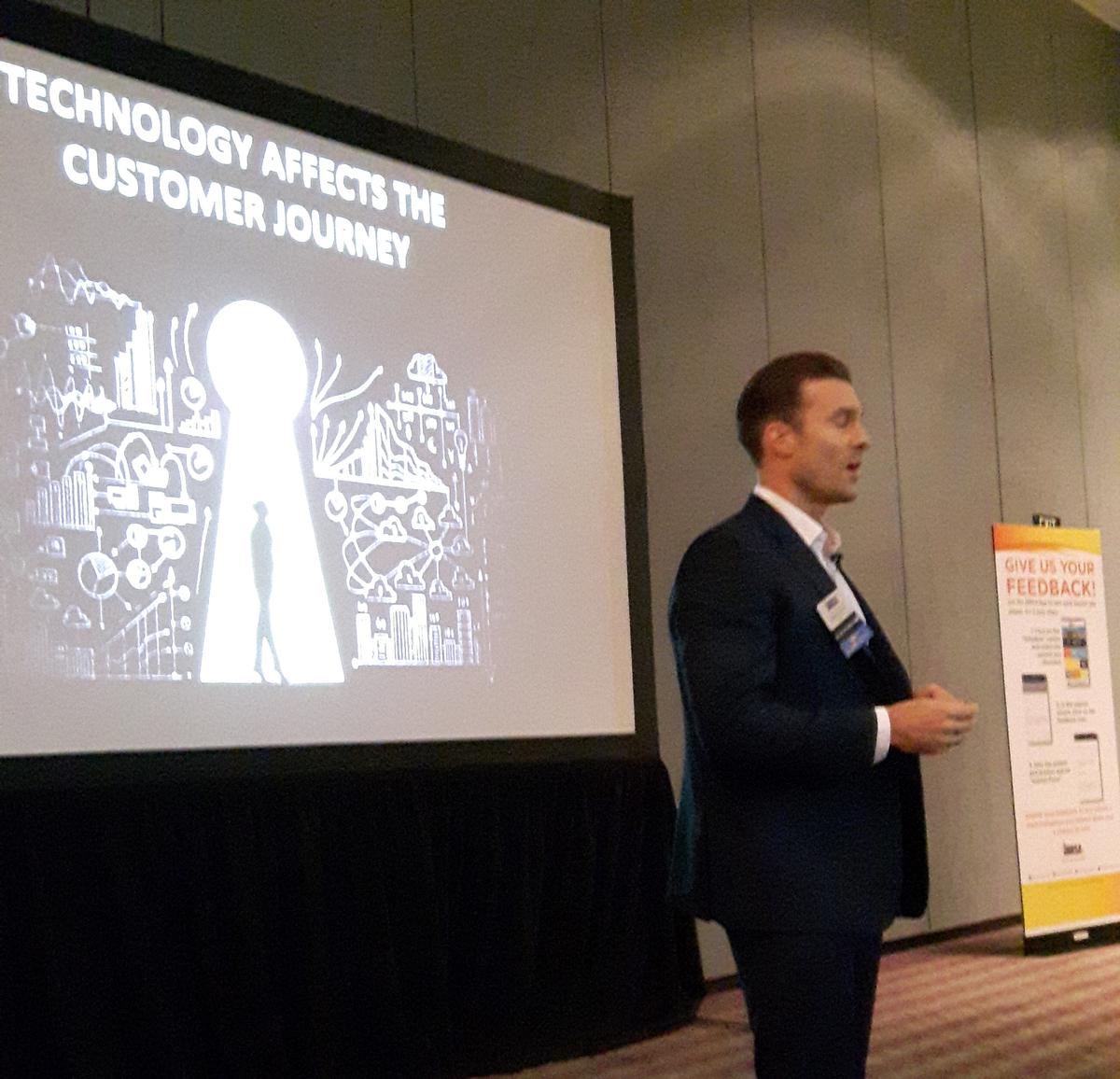
Health clubs must embrace and optimise the technology which is transforming the marketplace or they will inevitably become obsolete, said fitness entrepreneur Rasmus Ingerslev.
Ingerslev – who has an enviable fitness pedigree as the founder of Fresh Fitness and Wexer, as well as being an IHRSA board member – said change is progressing at a faster rate than ever before, in an educational session on ‘Future proofing your club’ at IHRSA 2016 in Orlando yesterday (21 March).
In terms of technological advancement, he said the next 20 years will yield more progress than has been seen in the past 100 years and examples of this change are all around us. He cited the success of companies such as Uber, Airbnb and ClassPass – who have joined the ranks of the biggest players in their respective markets without owning or operating a single outlet – as evidence of the shift from a physical to a digital world.
Technology, said Ingerslev, is transforming the member journey and the first place that potential members will come into contact with a health club is online – so the quality of an operator’s digital presence is key.
“It’s not a question of if, but when will these changes become significant to your business and how will it happen,” he added.
Speaking from a personal perspective, he said technology had helped to take a lot of time and cost out of his former health club business’s sale process, while RFID-chip technology enabled him to increase secondary spend on vending machines and gain huge amounts of consumer data, as well as streamlining access control and freeing up staff members for other tasks. These developments, he added, enabled Fresh Fitness to operate cashless-clubs – making the sites less vulnerable to theft and unencumbered by banking processes.
Despite these benefits, the four-walls of the gym are under attack, he noted, from areas such as wearables, tracking, streaming from home and online exercise programmes supplanting in-house PTs. He said this all ties into the trend of 'quantified self', whereby consumers are eager to measure and analyse every aspect of their lives.
One of the biggest benefits of technology for fitness is that it will ‘eliminate the guesswork’ when it comes to setting goals and workout plans to suit this 'quantified self'. He highlighted how some operators are already offering members DNA tests to ensure that customised programmes are perfectly in sync with their genetic make-up.
With a wink perhaps to his own company Wexer, Ingerslev highlighted how virtual training can help operators to limit staff costs, provide a broader offering to members for cheaper and longer, as well as creating additional opportunities to sell in-club advertising.
He also praised advances in virtual reality in bringing fitness classes to life and said group exercise providers such as Zumba and Les Mills are leading the way with new concepts.
“Virtual reality is fascinating and its only your own imagination which limits how this technology can be used in the fitness industry,” added Ingerslev.
Concluding the session, Ingerslev said operators must decide ‘How big, or how many pieces of the technology puzzle they want to be,’ and consider whether they want to offer an exclusive development to a limited audience, or make technology more accessible and widely available to a larger market.
He also noted that there is “so much technology out there already” that operators should assess the marketplace for potential off-the-shelf solutions to their needs, rather than investing large amounts of time and capital in developing their own product from scratch.
IHRSA Orlando technology 2016 Rasmus Ingerslev
BIG unveils Eve Music Hall as Croatia venue nears completion
Bob Rogers hands BRC to long-serving leadership team

Wellness care hospital opens in Vilnius with innovative spa and hospitality concept

Universal and Puy du Fou projects point to rise of Oxford–Cambridge corridor
A proposed Puy du Fou development near Bicester and Universal Destinations and Experiences’ planned resort in Bedford are emerging as part of a wider transformation of the Oxford–Cambridge Growth Corridor into a major centre for UK leisure and tourism investment.
For years, the corridor has been associated primarily with science, technology, housing and university-led economic growth. However, the clustering of large-scale visitor attraction projects along the

All-inclusive eco-wellness development Auko to open near Vietnam’s Son Doong caves
Shedd Aquarium upgrades its visitor experience with new Immersion Theater
Shedd Aquarium has opened the Immersion Theater developed in partnership with SimEx-Iwerks, as part of a wider strategy to enhance the guest experience and create additional revenue opportunities.
The attraction has transformed the aquarium’s Phelps Auditorium into a multi-sensory venue combining panoramic projection, environmental effects and interactive technology.
A new pre-show area allows visitors to engage with augmented reality marine animals before entering the
Mandarin Oriental announces standalone Mansions-branded residences for Abu Dhabi
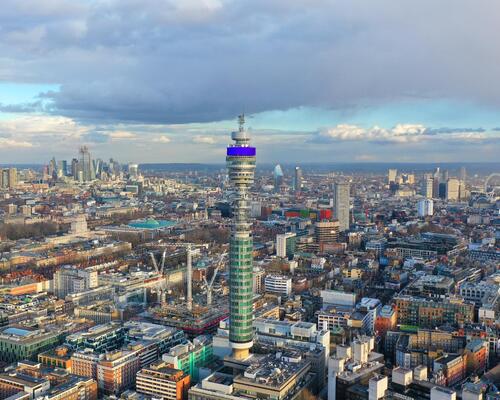
MCR is planning a luxury hotel for London's BT Tower
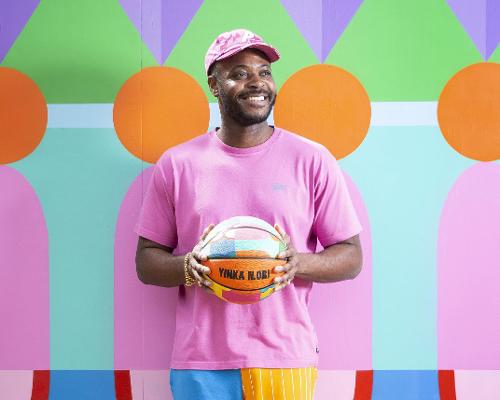
Joy as a radical act: Yinka Ilori launches solo exhibition celebrating the rebellious power of spreading happiness

Work gets underway on Madrid's €800 million leisure complex
Work is underway in Madrid on one of Europe’s most significant multi-functional complexes, combining sport, entertainment, culture and education.
The €800 million initiative to regenerate the former Olympic Aquatic Centre in the north-east of the city, next to the Riyadh Air Metropolitano stadium, is being led by Barsento – a joint venture between Live Nation Entertainment, Oak View Group and Atlético de Madrid. The project will
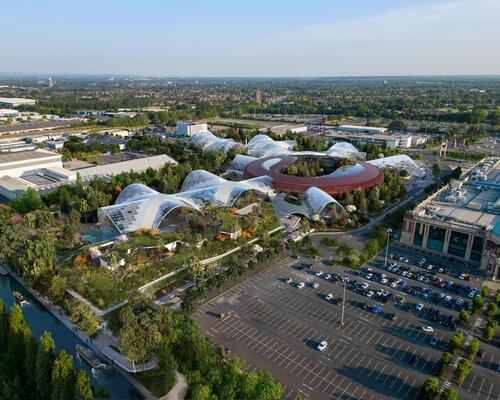
Therme Manchester reveals 90:90 strategy – 90 per cent of the UK population within a 90-minute drive of a Therme

Four Seasons’ Naples Beach Club opens 2,800sq m Sanctuary spa inspired by indigenous Calusa people
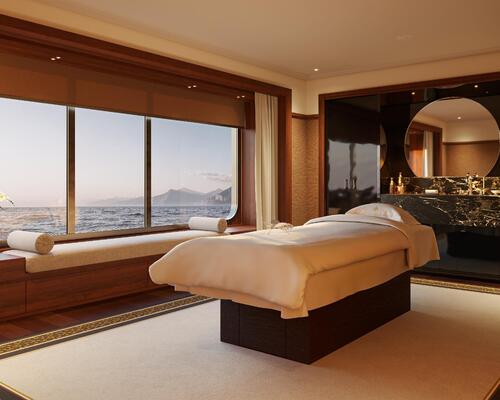
Orient Express Corinthian to host Ocean Rebirth wellness retreat in collaboration with Guerlain
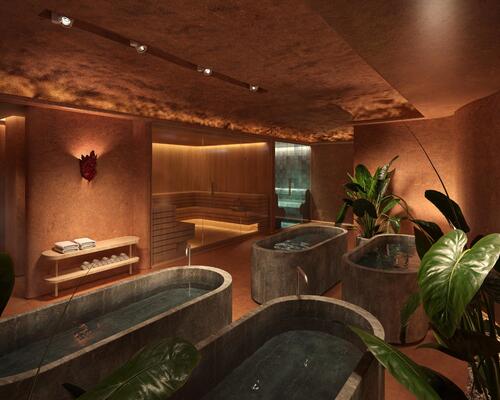
Famed London nightclub, Tramp, launches Tramp Health
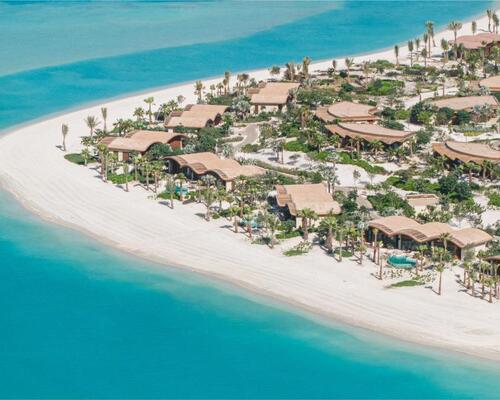
First look: Miraval opens on the Red Sea in Saudi Arabia

Hainan Science Museum by Ma Yansong, opens in China
A new science museum has opened to the public in Haikou after attracting more than 350,000 visitors during a four-month soft opening period.
Designed by Ma Yansong and his practice MAD Architects, the Hainan Science Museum is located on the edge of Wuyuan River National Wetland Park and has already recorded peak attendance of more than 5,800 visitors in a single day.
Commissioned by
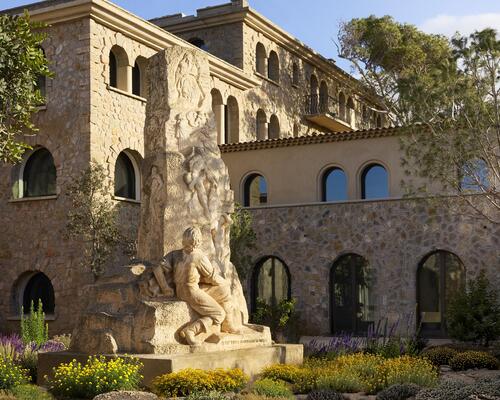
Zannier Île De Bendor launches with design by Hardel Le Bihan Architectes
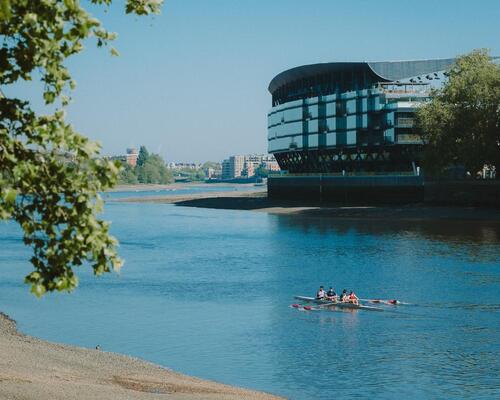
Sæl Spa readies for launch in London: “a modern British sanctuary”
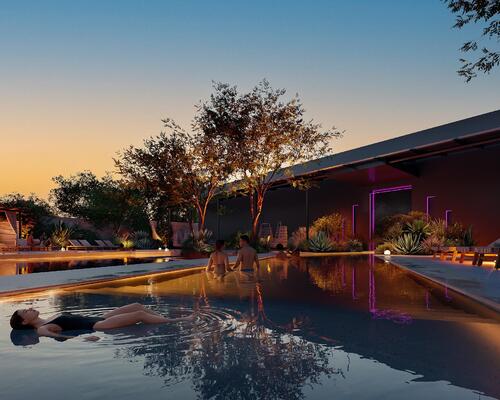
Immersive art bathhouse Submersive announces debut location in Austin

Construction begins on regenerative wellness destination The Shenandoah Nature Resort

Royal Caribbean reveals record-breaking cruise ship
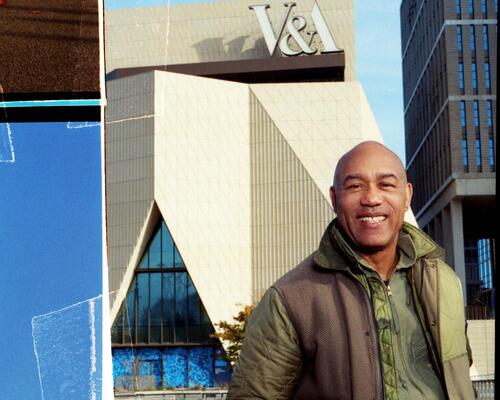
V&A East opens in London
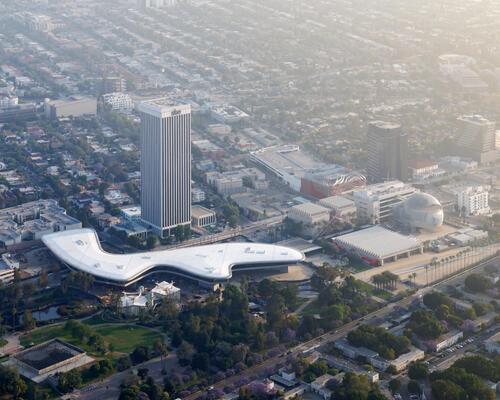
David Geffen galleries open at LACMA

New venue The Lands by Capella includes a longevity centre to complement sister hotel Capella Sydney

World of Frozen launches at Disneyland Paris
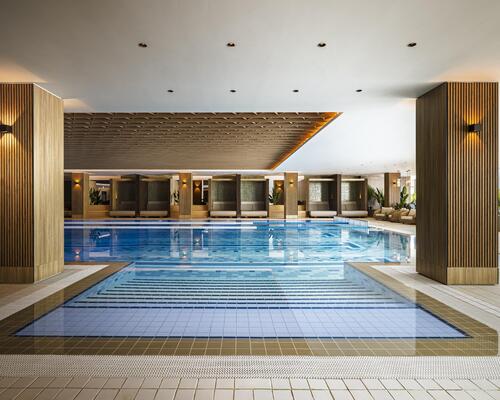
Pical Resort by Valamar reveals first Croatian spa under the ESPA brand

Mandarin Oriental creates end-to-end Egyptian journey with two new hotels and first-ever luxury river cruise

Designers Mendil + Meyer launch new division called Lām Concepts for strategic wellness projects
Wilderness Bisate in Rwanda reveals brand’s second Sanctuary spa
4a Architekten shares details of wellness extension at Salinarium Bad Dürkheim Thermal Spa

















Designed to restore neglected land and renew the identity of Iraq’s capital city, Baghdad Sustainable Forests promises a new way of living surrounded by nature. Gensler’s Ian Mulcahay tells us why he thinks the project could become a model for the repair and enhancement of urban centres