How are different countries supporting the tourism and attractions sectors through coronavirus?


With certain turbulent times for the global tourism and visitor attractions sectors, governments around the world are implementing new emergency policies to support these crucial sectors.
The global travel and tourism sector grew by 3.9 per cent in 2018 to contribute a record US$8.8tn to the global market, supporting 19 million jobs worldwide and generating 10.4 per cent of the world’s total economic activity.
By 2025 the sector is predicted to account for more than 10 per cent of global GDP. According to World Travel and Tourism Council (WTTC) president, Gloria Guevara, travel and tourism is now responsible for creating one in fever five jobs worldwide. By 2029, 421 million people are expected to be working within the industry.
UK
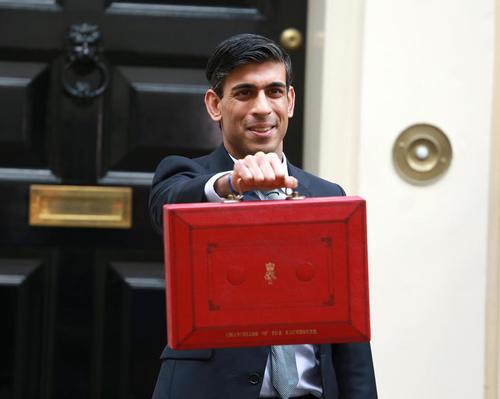
Chancellor Rishi Sunak has set out a package of temporary, timely and targeted measures to support public services, people and businesses, currently amounting to £330bn (US$388.9bn, €357bn).
Measures include a 12-month business rates holiday for all retail, hospitality and leisure businesses in England; a grant funding of £25,000 for retail, hospitality and leisure businesses with property with a rateable value between £15,000 and £51,000; small business grant funding of £10,000 for all business in receipt of small business rate relief or rural rate relief.
The Coronavirus Business Interruption Loan Scheme has also been launched, with loans of up to £5m available for SMEs through the British Business Bank.
No business will pay VAT from now until the end of June and the government has also stepped in to pay people’s wages with a grant covering 80 per cent of wages up to £2,500 for employees kept on payroll. This will be open for three months, with the possibility of extension, and will cover businesses of any size. The first of these payments will be made by the end of April.
USThe US is planning a US$1tn (€926bn, £851bn) financial package, which will "send money directly to Americans" as part of a stimulus attempting to avert an economic crisis caused by COVID-19.
As part of this package, airlines and hotels will receive a bailout. The proposal is yet to be approved by Congress. Separate to this package, US Treasury secretary Steven Mnuchin has said the government will also allow companies and individuals to delay their tax payments for 90 days.
Italy
The Italian government has presented its "Italy Cure" package, which puts the safety and wellbeing of its workers at its core.
The government is paying 80 per cent of its employees' salaries across every sector, with self-employed or seasonal workers able to apply for a special pay-out of €600 in March. Families can also suspend their mortgage payments, while parental leave has been extended to 15 days and in March and April. A €500m fund has also been set up to help protect the aviation industry.
GermanyGermany's government has pledged unlimited financial assistance to German businesses. The government has predicted this will costs around €550bn from the nation's development bank.
Australia
As part of an AUS$17.6bn (US$10.3bn, €9.4bn, £8.7bn) stimulus plan, with an additional AUS$64.6bn (US$22.7bn, €20.8bn, £19.2bn) to be spent over the next six months, the government has pledged AUS$1bn (US$613m, €562.7m, £520m) to support those sectors, regions and communities, including tourism, that have been affected by the virus.
As part of this stimulus plan, fees and charges for tourism businesses that operate in the Great Barrier Reef Marine Park and Commonwealth National Parks will be waivered. These measures will support more than 3.5 million businesses and an estimated 3 in every 4 workers nationwide.
Hong Kong
In its attempts to support the sector, Hong Kong has created an Anti-Epidemic Fund’s Travel Agents Subsidy Scheme. Through this, some 1,350 travel events have received payments through the to help them tide over the financial difficulties arriving from the outbreak, with 98 per cent of travel agents in Hong Kong signing up.
FranceThe French government has established a €2bn (US$2.2bn, £1.85bn) Solidarity Fund, which many tourism and attractions businesses are eligible for.
Non-food trade and tourism SMEs that have lost turnover by more than 70 per cent compared to March 2019 and SMEs with a turnover of less than €1m (US$1.1m, £924,000) can apply for the fund.
A wider €45bn (US$49bn, £41.6bn) package includes supplementary funding funding of short-time working/partial unemployment measures equal to 70 per cent of gross salary. Employees with minimum wage or less are fully compensated for lost earnings.
Spain
The Spanish government is supporting tourism companies with a financing line of €400m (US$432m, £367.8m) with guarantee from the ICO (Official Credit Institute of Spain), for self-employed and tourism companies. The financing – which has a maximum credit limit of €500,000 (US$540,000) per company – includes transport companies, taxis, hotels, restaurants, car rentals, travel agencies and museums. The fund will operate as a 4-year loan; with a fixed interest rate to a max of 1.5 per cent.
The government has also launched a €200bn (US$215.6bn, £183.9bn) package to help companies, workers and other vulnerable groups affected by the crisis. Half of the fund is being delivered by a public guarantee scheme to ensure liquidity for struggling businesses.
PortugalThe Portuguese government has launched more than 30 initiatives aimed at protecting workers and families, and at mitigating the economic impacts of COVID-19 during the course of the pandemic.
Travel and tourism has been highlighted, with the establishment of a €60m (US$64.8m, £55.2m) credit line for micro-businesses in the sector. The government has also teamed up with Portugal's tourist board – Turismo de Portugal – to bolster national capacity and respond to the pandemic.
Wider measures currently in place include a €200m (US$216m, £183.8m) credit line for businesses, as well as support for the maintenance of employment contracts.
Singapore
With Singapore handling the outbreak since January, a number of measures are now in place to support the tourism and attractions industries.
Its support package is seeing the government waiving license fees for hotels, travel agents and tour guides and enhanced training schemes, and subsidising them up to 90 per cent. Singapore's workforce is receiving up to 70 per cent of fixed monthly salaries – capped at US$2000 – and the government has also created a temporary bridging loan programme for cash flow support.
The PhilippinesTourism has been handed a significant portion of the government’s US$523m support package to combat the coronavirus outbreak.
US$271m in aid will come from the Tourism Infrastructure and Enterprise Zone Authority (TIEZA) has been earmarked for various programmes and projects of the Department of Tourism. US$23m will be used as unemployment benefits for workers from the private sector with a further US$58m dedicated to a scholarship grant for the upskilling and reskilling of temporarily displaced workers. US$40m will also be allocated for social protection programmes for workers in organisations affected by COVID-19.
The country has also laid out its recovery strategy, with the Department of Tourism (DOT) allocating US$118m to the cause, with a new campaign for domestic travel and a campaign to create content targetting countries unaffected by COVID-19.
tourism attractions Gloria Guevara Rishi Sunak coronavirus COVID-19Coronavirus: Tokyo Olympic Games postponed to 2021
Hal McEvoy calls for US$250bn fund to protect attractions during pandemic
Culture in Quarantine: BBC bringing the arts to people's homes with special festival
50 million tourism jobs at stake as WTTC pens open letter to world's governments
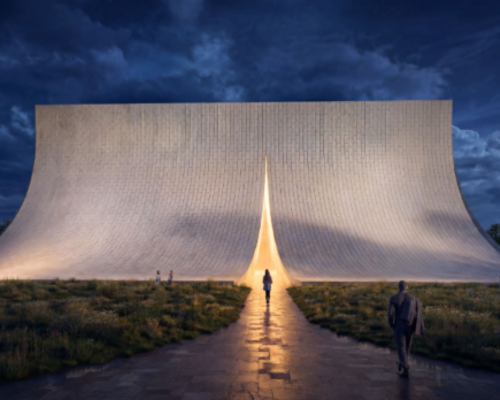
BIG unveils Eve Music Hall as Croatia venue nears completion
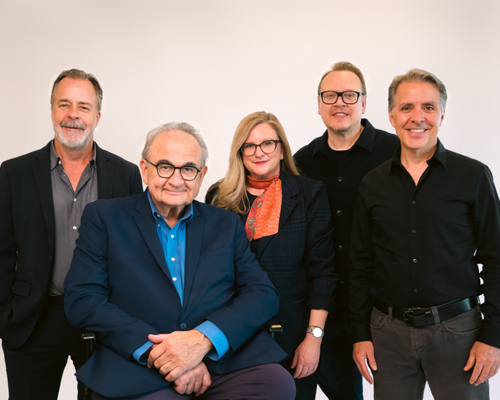
Bob Rogers hands BRC to long-serving leadership team

Wellness care hospital opens in Vilnius with innovative spa and hospitality concept

Universal and Puy du Fou projects point to rise of Oxford–Cambridge corridor
A proposed Puy du Fou development near Bicester and Universal Destinations and Experiences’ planned resort in Bedford are emerging as part of a wider transformation of the Oxford–Cambridge Growth Corridor into a major centre for UK leisure and tourism investment.
For years, the corridor has been associated primarily with science, technology, housing and university-led economic growth. However, the clustering of large-scale visitor attraction projects along the

All-inclusive eco-wellness development Auko to open near Vietnam’s Son Doong caves
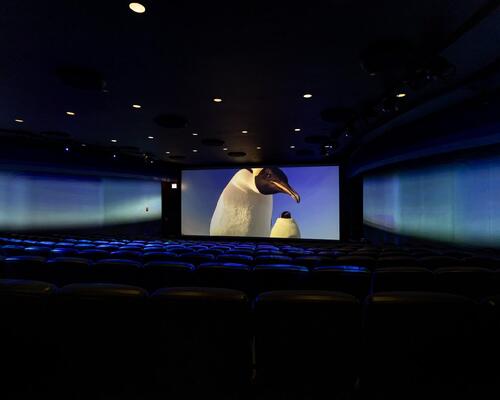
Shedd Aquarium upgrades its visitor experience with new Immersion Theater
Shedd Aquarium has opened the Immersion Theater developed in partnership with SimEx-Iwerks, as part of a wider strategy to enhance the guest experience and create additional revenue opportunities.
The attraction has transformed the aquarium’s Phelps Auditorium into a multi-sensory venue combining panoramic projection, environmental effects and interactive technology.
A new pre-show area allows visitors to engage with augmented reality marine animals before entering the
Mandarin Oriental announces standalone Mansions-branded residences for Abu Dhabi
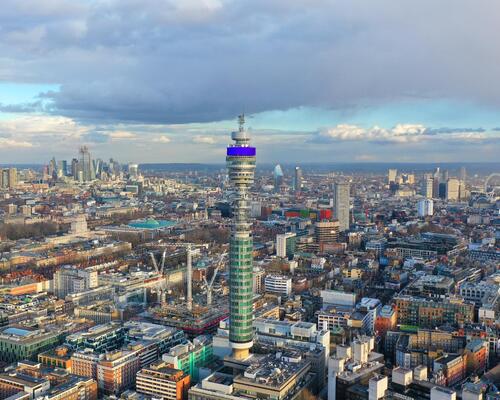
MCR is planning a luxury hotel for London's BT Tower
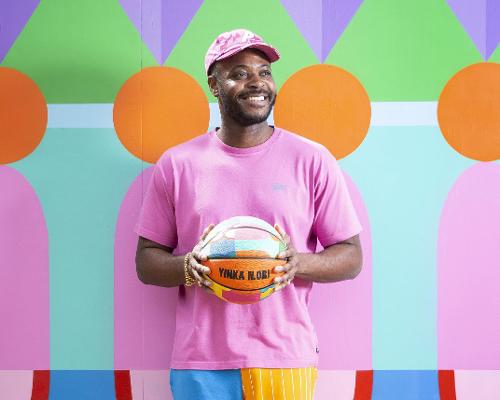
Joy as a radical act: Yinka Ilori launches solo exhibition celebrating the rebellious power of spreading happiness

Work gets underway on Madrid's €800 million leisure complex
Work is underway in Madrid on one of Europe’s most significant multi-functional complexes, combining sport, entertainment, culture and education.
The €800 million initiative to regenerate the former Olympic Aquatic Centre in the north-east of the city, next to the Riyadh Air Metropolitano stadium, is being led by Barsento – a joint venture between Live Nation Entertainment, Oak View Group and Atlético de Madrid. The project will
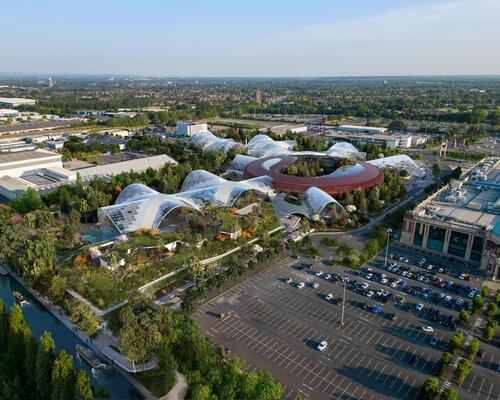
Therme Manchester reveals 90:90 strategy – 90 per cent of the UK population within a 90-minute drive of a Therme

Four Seasons’ Naples Beach Club opens 2,800sq m Sanctuary spa inspired by indigenous Calusa people
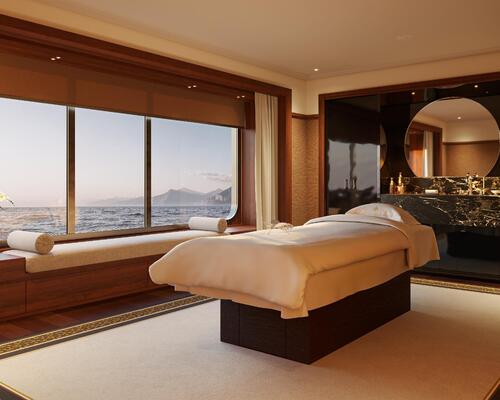
Orient Express Corinthian to host Ocean Rebirth wellness retreat in collaboration with Guerlain
Famed London nightclub, Tramp, launches Tramp Health
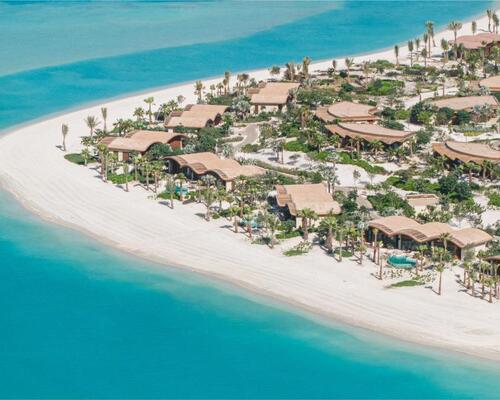
First look: Miraval opens on the Red Sea in Saudi Arabia

Hainan Science Museum by Ma Yansong, opens in China
A new science museum has opened to the public in Haikou after attracting more than 350,000 visitors during a four-month soft opening period.
Designed by Ma Yansong and his practice MAD Architects, the Hainan Science Museum is located on the edge of Wuyuan River National Wetland Park and has already recorded peak attendance of more than 5,800 visitors in a single day.
Commissioned by
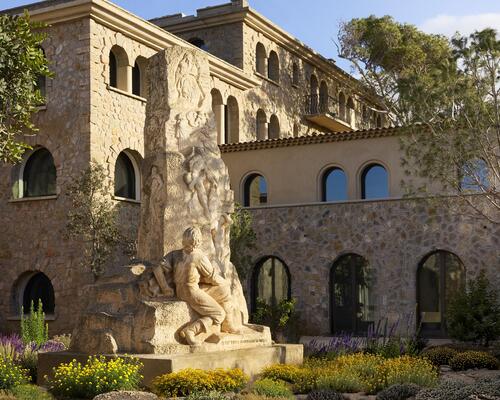
Zannier Île De Bendor launches with design by Hardel Le Bihan Architectes
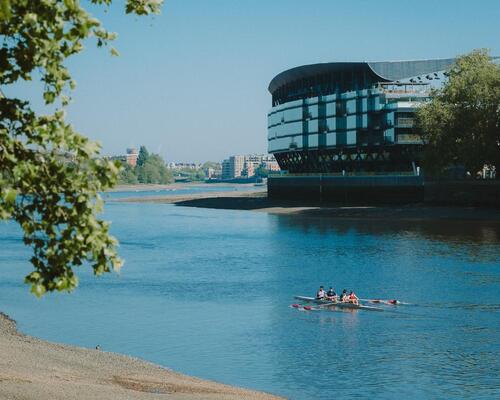
Sæl Spa readies for launch in London: “a modern British sanctuary”
Immersive art bathhouse Submersive announces debut location in Austin

Construction begins on regenerative wellness destination The Shenandoah Nature Resort

Royal Caribbean reveals record-breaking cruise ship
V&A East opens in London
David Geffen galleries open at LACMA

New venue The Lands by Capella includes a longevity centre to complement sister hotel Capella Sydney
World of Frozen launches at Disneyland Paris
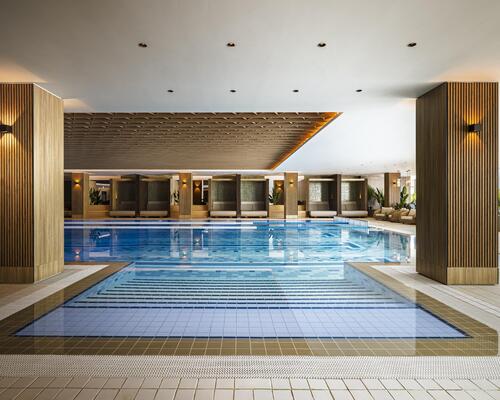
Pical Resort by Valamar reveals first Croatian spa under the ESPA brand

Mandarin Oriental creates end-to-end Egyptian journey with two new hotels and first-ever luxury river cruise

Designers Mendil + Meyer launch new division called Lām Concepts for strategic wellness projects
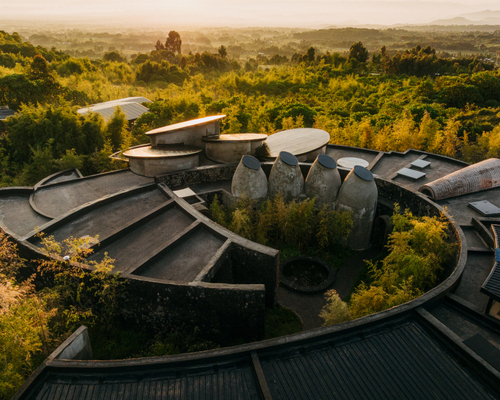
Wilderness Bisate in Rwanda reveals brand’s second Sanctuary spa
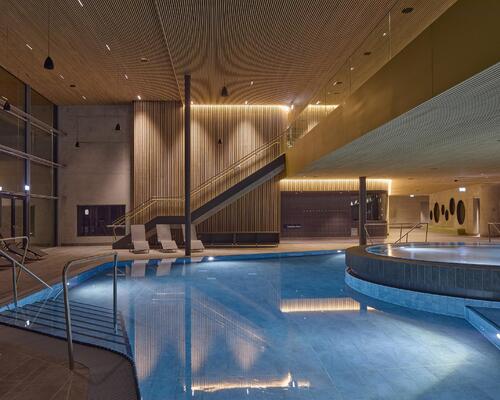
4a Architekten shares details of wellness extension at Salinarium Bad Dürkheim Thermal Spa



Designed to restore neglected land and renew the identity of Iraq’s capital city, Baghdad Sustainable Forests promises a new way of living surrounded by nature. Gensler’s Ian Mulcahay tells us why he thinks the project could become a model for the repair and enhancement of urban centres