Grassroots sport remains resilient – but 'requires further support' after losing 60 per cent of members


There is "incredible resilience" in the sports and physical activity sector – but the industry requires further support to bounce back from the devastating effects of the pandemic.
That is the headline finding of a new report, based on a survey of more than 1,400 community sport providers involved in the delivery of more than 75 sports and activities across the UK.
Conducted in partnership between the Sport and Recreation Alliance (SRA) and the Sport Industry Research Group at Sheffield Hallam University, the survey found that volunteers were crucial in supporting clubs during lockdowns and that the lack of income during the pandemic has placed additional pressure on the financial reserves of community organisations.
Respondents to the survey were asked to consider their position prior to the onset of the pandemic, how this has changed since restrictions were imposed, and the effects of this experience on their ability to restart activity once restrictions had been eased.
When it comes to participation, the findings showed that virtually all participation opportunities organised by community sport providers ceased during lockdown and that organisations responding to the survey lost an average of 60 per cent of their members.
This figure is projected to recover to 75 per cent of pre-pandemic levels once restrictions are removed, with clubs and other providers expecting to deliver 90 per cent of their participation opportunities once restrictions are fully lifted.
This suggests that organisations believe that could deliver activity at, or close to, their pre-pandemic operating capacity.
Meanwhile, the pandemic has had an effect on the sector's workforce too.
Among the main concerns emerging from the study was the need to support the UK’s three million coaches, from elite down to grassroots.
Paid coaches were the individuals within the sport and physical activity workforce that suffered the most significant fall in numbers, dropping by 63 per cent during the pandemic.
Overall, the pandemic has had a huge effect on the finances of clubs and sports providers.
According to the survey results, around one in three providers now operate without any financial cushion.
During the pandemic period, those providers with cash reserves saw them decline by 18 per cent, while liabilities increased by an average of 20 per cent.
To mitigate the impact of lockdown on participation levels, most providers have reduced expenditure in line with this decrease in activity, although the 41 per cent reduction in expenditure was outpaced by a 51 per cent drop in income. Due to the shutdown in provision, the sparsity of new funding opportunities also presented a challenge for generating income for grassroots clubs.
The study also shows that the impact of the lockdown on providers’ financial viability, while broadly negative, may be reversed if organisations are able to return to delivering income generating activities at the earliest opportunity, with the availability of facilities a priority in this area.
Commenting on the report, SRA chief executive, Lisa Wainwright, said: “This research highlights how successfully our community clubs have coped in unprecedented times. The resilience, determination and passion shown is to be commended and this is why grassroots activity remains in a healthy position.
“As a sector, it is really important that we make being active the easy choice and one that is safe, enjoyable and beneficial to all.
“Any decline in the quantity or quality of coaching available is likely to have a negative impact on returning members and so it is crucial this is addressed to avoid a further decline in activity levels.
“The availability of facilities is also fundamental to the entire eco-system of delivery for sport and activity providers and is key to the restart process.
“We must make sure that facilities are opened as quickly and as widely as possible to encourage participants back and to allow our community organisations to start building their income once again and provide them with the financial sustainability to continue delivering their activity.
“This has taken on even greater significance following the latest Active Lives Adult Survey from Sport England which has shown a concerning drop in activity levels, with certain demographics harder hit than others.
“Community sport clubs are the lifeblood of cities, towns and village across the country and we must support them as the nation recovers, to allow everyone to take advantage of the incredible wellbeing benefits of sport and recreation.”
• To read the full report, based on the survey, click here.
Sport and Recreation Alliance SRA Sport Industry Research Group Sheffield HallamSport and Recreation Alliance's new strategy looks to help industry 'recover and achieve'
House of Lords committee to scrutinise UK government's record on increasing participation in physical activity
Black Lives Matter: sports sector 'hasn't done enough' on inequalities
Industry reacts to childhood inactivity survey – figures branded 'shocking' and 'a national disgrace'
BIG unveils Eve Music Hall as Croatia venue nears completion
Bob Rogers hands BRC to long-serving leadership team

Wellness care hospital opens in Vilnius with innovative spa and hospitality concept

Universal and Puy du Fou projects point to rise of Oxford–Cambridge corridor
A proposed Puy du Fou development near Bicester and Universal Destinations and Experiences’ planned resort in Bedford are emerging as part of a wider transformation of the Oxford–Cambridge Growth Corridor into a major centre for UK leisure and tourism investment.
For years, the corridor has been associated primarily with science, technology, housing and university-led economic growth. However, the clustering of large-scale visitor attraction projects along the

All-inclusive eco-wellness development Auko to open near Vietnam’s Son Doong caves
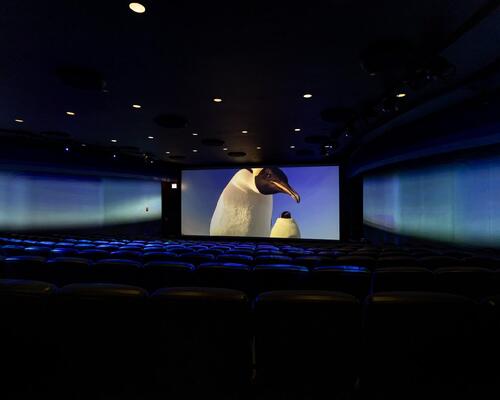
Shedd Aquarium upgrades its visitor experience with new Immersion Theater
Shedd Aquarium has opened the Immersion Theater developed in partnership with SimEx-Iwerks, as part of a wider strategy to enhance the guest experience and create additional revenue opportunities.
The attraction has transformed the aquarium’s Phelps Auditorium into a multi-sensory venue combining panoramic projection, environmental effects and interactive technology.
A new pre-show area allows visitors to engage with augmented reality marine animals before entering the

Mandarin Oriental announces standalone Mansions-branded residences for Abu Dhabi

MCR is planning a luxury hotel for London's BT Tower

Joy as a radical act: Yinka Ilori launches solo exhibition celebrating the rebellious power of spreading happiness

Work gets underway on Madrid's €800 million leisure complex
Work is underway in Madrid on one of Europe’s most significant multi-functional complexes, combining sport, entertainment, culture and education.
The €800 million initiative to regenerate the former Olympic Aquatic Centre in the north-east of the city, next to the Riyadh Air Metropolitano stadium, is being led by Barsento – a joint venture between Live Nation Entertainment, Oak View Group and Atlético de Madrid. The project will
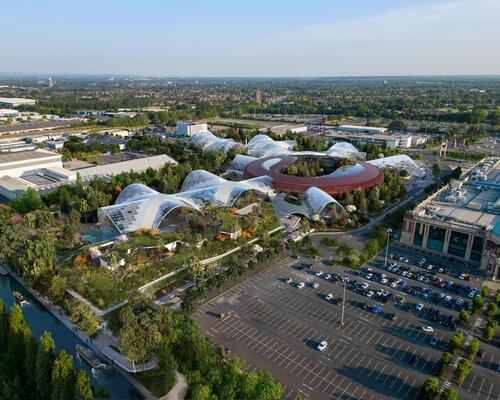
Therme Manchester reveals 90:90 strategy – 90 per cent of the UK population within a 90-minute drive of a Therme

Four Seasons’ Naples Beach Club opens 2,800sq m Sanctuary spa inspired by indigenous Calusa people
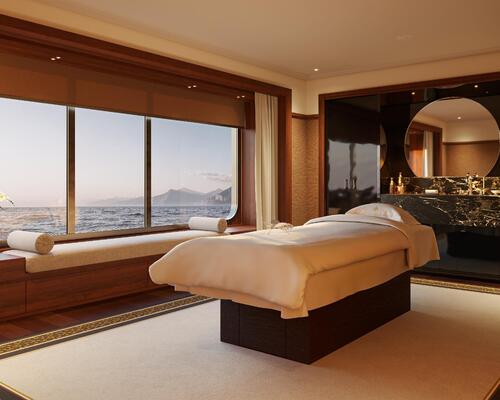
Orient Express Corinthian to host Ocean Rebirth wellness retreat in collaboration with Guerlain

Famed London nightclub, Tramp, launches Tramp Health
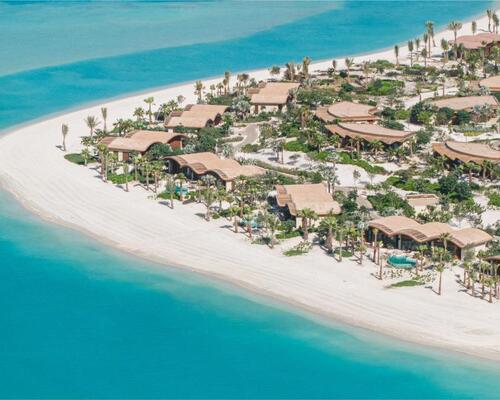
First look: Miraval opens on the Red Sea in Saudi Arabia

Hainan Science Museum by Ma Yansong, opens in China
A new science museum has opened to the public in Haikou after attracting more than 350,000 visitors during a four-month soft opening period.
Designed by Ma Yansong and his practice MAD Architects, the Hainan Science Museum is located on the edge of Wuyuan River National Wetland Park and has already recorded peak attendance of more than 5,800 visitors in a single day.
Commissioned by
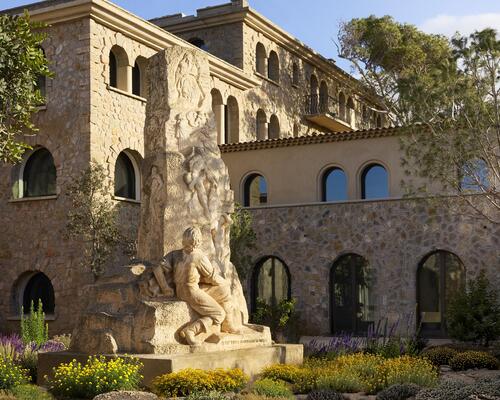
Zannier Île De Bendor launches with design by Hardel Le Bihan Architectes
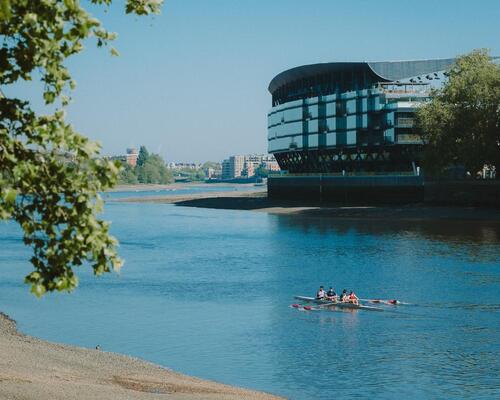
Sæl Spa readies for launch in London: “a modern British sanctuary”
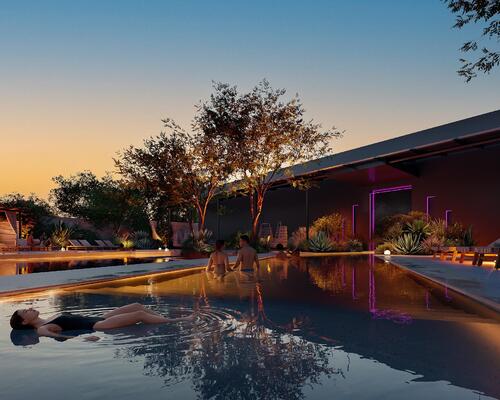
Immersive art bathhouse Submersive announces debut location in Austin

Construction begins on regenerative wellness destination The Shenandoah Nature Resort

Royal Caribbean reveals record-breaking cruise ship

V&A East opens in London

David Geffen galleries open at LACMA

New venue The Lands by Capella includes a longevity centre to complement sister hotel Capella Sydney

World of Frozen launches at Disneyland Paris
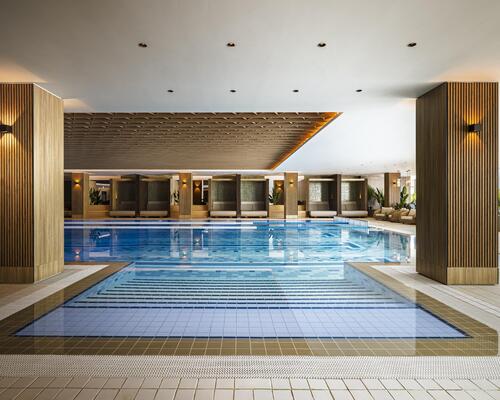
Pical Resort by Valamar reveals first Croatian spa under the ESPA brand

Mandarin Oriental creates end-to-end Egyptian journey with two new hotels and first-ever luxury river cruise

Designers Mendil + Meyer launch new division called Lām Concepts for strategic wellness projects
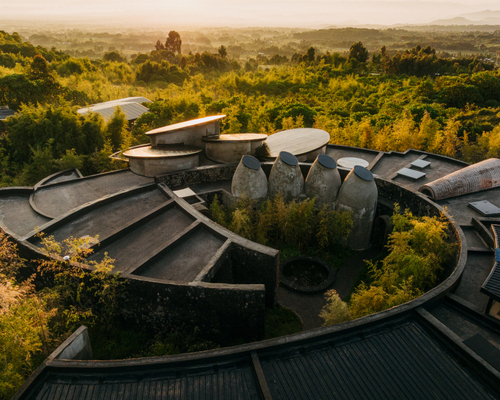
Wilderness Bisate in Rwanda reveals brand’s second Sanctuary spa
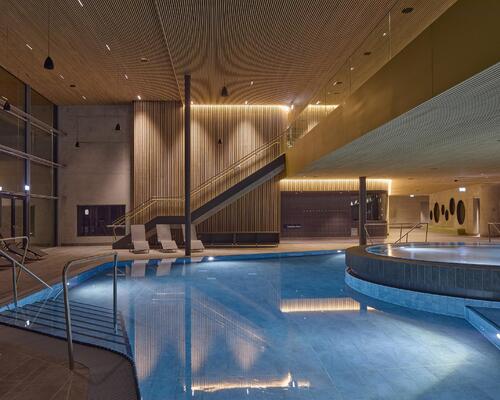
4a Architekten shares details of wellness extension at Salinarium Bad Dürkheim Thermal Spa










Designed to restore neglected land and renew the identity of Iraq’s capital city, Baghdad Sustainable Forests promises a new way of living surrounded by nature. Gensler’s Ian Mulcahay tells us why he thinks the project could become a model for the repair and enhancement of urban centres