Exclusive: New technologies driving digital culture says Google Cultural Institute's James Davis


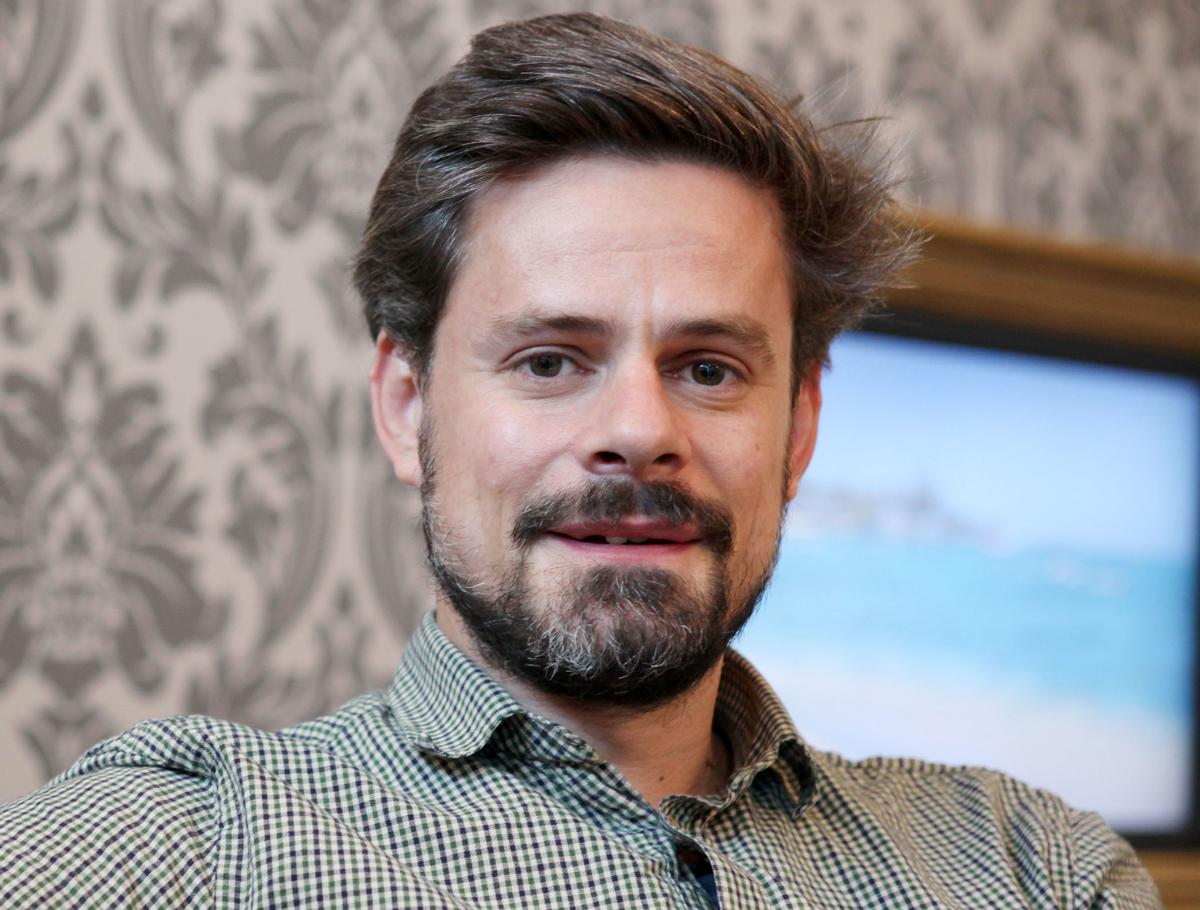
James Davis, program manager of the Google Cultural Institute, has revealed how Google’s technological advances will benefit the future of the arts and culture sectors, with digital opening up a new pathway for the consumer.
Davis, who joined Google in June 2011 after spending seven years at Tate Online and Tate Britain, told Attractions Management that what we are seeing now from Google is just the start and that as accessibility increases, so will interest in arts and culture.
“I think digital culture is heading to much bigger audiences,” said Davis. “One of the real compelling reasons to have digital cultural experiences is that if you’re interested in something the other side of the world, that might be an obstacle for you going to see it. However if it’s available directly from your pocket, then it’s extremely accessible to you.
“We are absolutely convinced that the global audience for culture will increase because of people having access to cultural organisations all around the world and as a result I think and hope that physical attendance will increase,” he continued. “It’s something we’ve begun to see anecdotally. If you get a larger audience interested in this topic – for example introducing people to a particular museum for the very first time – some of them are going to go to that museum when they weren’t beforehand because they hadn’t heard of it. That’s the direction that the Google Cultural Institute is going.”
In the five years since Google create its Cultural Institute in 2011, the project has gone from strength-to-strength. The project now has more than 1,000 cultural partners from 60 countries, and has several-thousand exhibits and millions of artefacts digitised in its public archive. 675,000 people have created galleries on the platform, telling their own stories and curating their own exhibitions, while the project has a large and critically engaged social following.
“I think Google has created a new way into art and culture for consumers and audiences,” said Davis. “We hope to develop best standards in the field. We know what we’re doing with technology so we hope to be able to create standards that become more shareable with the community. The aim is that the art and culture sector will be able to benefit from our investments in experimentation and iteration over the last few years.”
Davis added that Google sees its cultural platform as an add-on rather than a replacement, with the hope that its service encourages people to actually visit museums and galleries.
“We don’t want to change the nature of how cultural experiences occur because we’re not cultural experts and that’s not our job,” he said. “We want to add a digital component to them rather than take away from the experience, hopefully driving people to seek out culture in more physical forms.”
As it continues to add to its archive and team with more and more institutions around the world, the Institute is also trying to stay on the cutting edge, creating innovation for the sector as it operates, using tools like its own various Google platforms, as well as its physical Culture Lab in Paris to develop a new way of thinking and to drive forward a new approach to art and culture using future technologies.
“We have a continuing iteration process so some of the work that we’ve been doing with our mobile app, we’re going into more experimentation with machine learning,” said Davis. “Using our powerful algorithms applied to cultural artefacts, we’re trying to see how we can provide access to them, how we can encourage serendipitous encounters and what useful ways that might be integrated with other experiences through platforms like Google Now and Google Search.
“The second thing we’re looking at is virtual reality. We’re very proud that Google Cardboard came from our Culture Lab. I led a project last year with performing arts organisations applying the technology we developed and allowing you to get on stage during a performance and look around in 360 degree vision. We’re really intrigued about the possibilities of VR and 360 video, those are the two big areas for us coming next.”
Google Cultural Institute Google Google Art Project James Davis Art Gallery Museum Culture Google Cardboard Google Culture LabGoogle installs 'animal selfie' cameras at Los Angeles Zoo
Google launches virtual reality division
Mattel and Google tie-up reimagines View-Master as affordable VR alternative
British Museum teams up with Google to create virtual tour of institution
Google reveals London's galleries, museums and performing arts are world's most searched for online
BIG unveils Eve Music Hall as Croatia venue nears completion
Bob Rogers hands BRC to long-serving leadership team

Wellness care hospital opens in Vilnius with innovative spa and hospitality concept

Universal and Puy du Fou projects point to rise of Oxford–Cambridge corridor
A proposed Puy du Fou development near Bicester and Universal Destinations and Experiences’ planned resort in Bedford are emerging as part of a wider transformation of the Oxford–Cambridge Growth Corridor into a major centre for UK leisure and tourism investment.
For years, the corridor has been associated primarily with science, technology, housing and university-led economic growth. However, the clustering of large-scale visitor attraction projects along the
All-inclusive eco-wellness development Auko to open near Vietnam’s Son Doong caves
Shedd Aquarium upgrades its visitor experience with new Immersion Theater
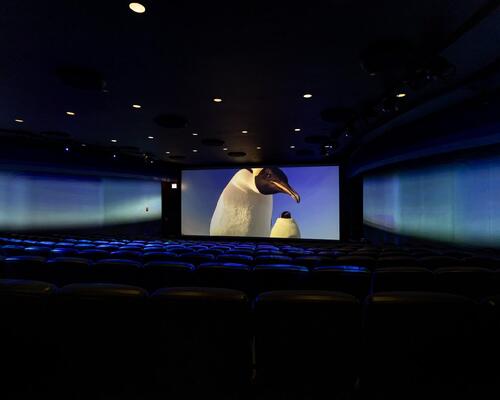
Shedd Aquarium has opened the Immersion Theater developed in partnership with SimEx-Iwerks, as part of a wider strategy to enhance the guest experience and create additional revenue opportunities.
The attraction has transformed the aquarium’s Phelps Auditorium into a multi-sensory venue combining panoramic projection, environmental effects and interactive technology.
A new pre-show area allows visitors to engage with augmented reality marine animals before entering the
Mandarin Oriental announces standalone Mansions-branded residences for Abu Dhabi
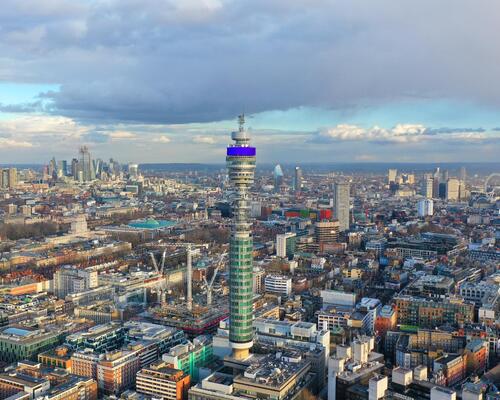
MCR is planning a luxury hotel for London's BT Tower
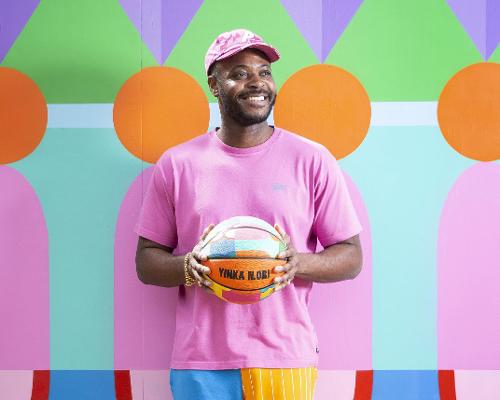
Joy as a radical act: Yinka Ilori launches solo exhibition celebrating the rebellious power of spreading happiness

Work gets underway on Madrid's €800 million leisure complex
Work is underway in Madrid on one of Europe’s most significant multi-functional complexes, combining sport, entertainment, culture and education.
The €800 million initiative to regenerate the former Olympic Aquatic Centre in the north-east of the city, next to the Riyadh Air Metropolitano stadium, is being led by Barsento – a joint venture between Live Nation Entertainment, Oak View Group and Atlético de Madrid. The project will
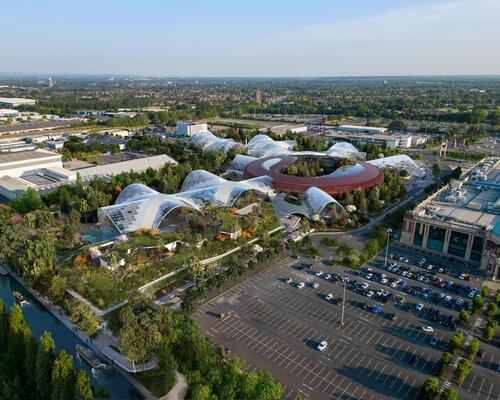
Therme Manchester reveals 90:90 strategy – 90 per cent of the UK population within a 90-minute drive of a Therme

Four Seasons’ Naples Beach Club opens 2,800sq m Sanctuary spa inspired by indigenous Calusa people
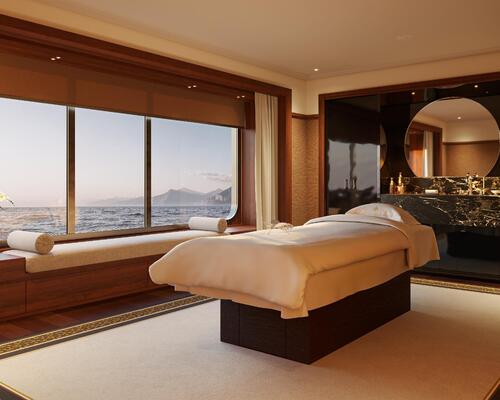
Orient Express Corinthian to host Ocean Rebirth wellness retreat in collaboration with Guerlain
Famed London nightclub, Tramp, launches Tramp Health
First look: Miraval opens on the Red Sea in Saudi Arabia

Hainan Science Museum by Ma Yansong, opens in China
A new science museum has opened to the public in Haikou after attracting more than 350,000 visitors during a four-month soft opening period.
Designed by Ma Yansong and his practice MAD Architects, the Hainan Science Museum is located on the edge of Wuyuan River National Wetland Park and has already recorded peak attendance of more than 5,800 visitors in a single day.
Commissioned by
Zannier Île De Bendor launches with design by Hardel Le Bihan Architectes
Sæl Spa readies for launch in London: “a modern British sanctuary”
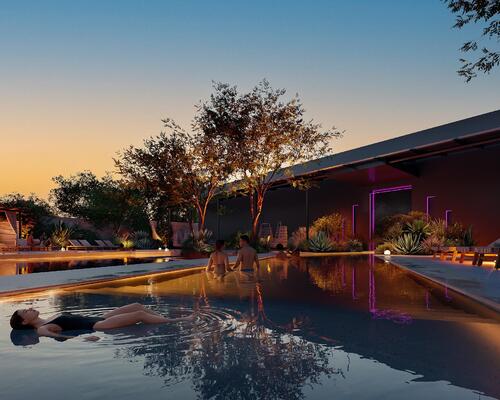
Immersive art bathhouse Submersive announces debut location in Austin

Construction begins on regenerative wellness destination The Shenandoah Nature Resort

Royal Caribbean reveals record-breaking cruise ship
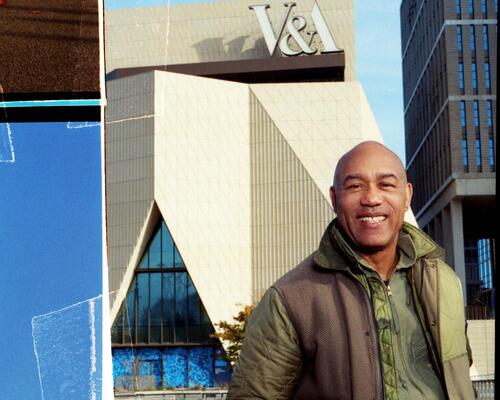
V&A East opens in London
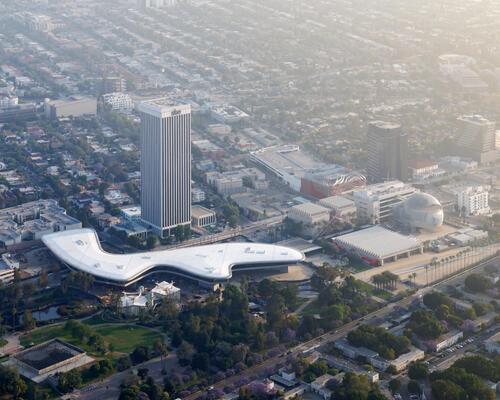
David Geffen galleries open at LACMA

New venue The Lands by Capella includes a longevity centre to complement sister hotel Capella Sydney

World of Frozen launches at Disneyland Paris
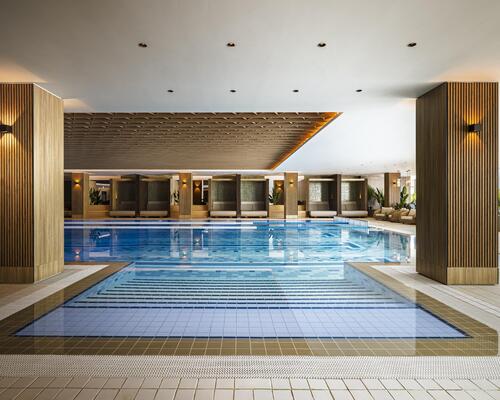
Pical Resort by Valamar reveals first Croatian spa under the ESPA brand

Mandarin Oriental creates end-to-end Egyptian journey with two new hotels and first-ever luxury river cruise

Designers Mendil + Meyer launch new division called Lām Concepts for strategic wellness projects
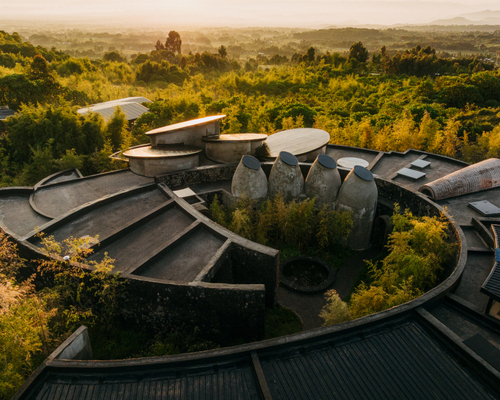
Wilderness Bisate in Rwanda reveals brand’s second Sanctuary spa
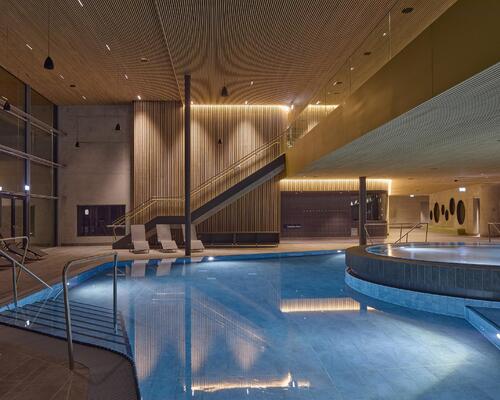
4a Architekten shares details of wellness extension at Salinarium Bad Dürkheim Thermal Spa















Designed to restore neglected land and renew the identity of Iraq’s capital city, Baghdad Sustainable Forests promises a new way of living surrounded by nature. Gensler’s Ian Mulcahay tells us why he thinks the project could become a model for the repair and enhancement of urban centres