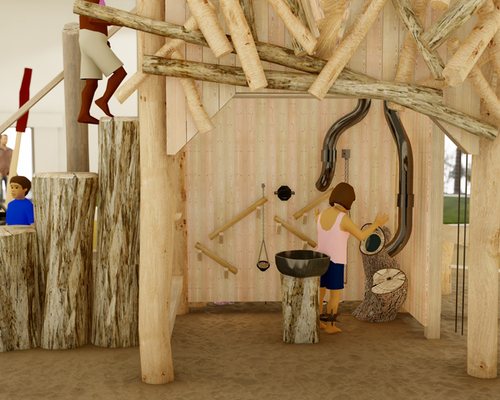
Generation inactive a ‘ticking time-bomb’ for NHS, warns ukactive report



Only half of seven-year-olds are meeting recommended physical activity guidelines of 60 minutes per day, according to a landmark ukactive report which lifts the lid on youth inactivity.
Published tomorrow (16 June), the Generation Inactive report examines the extent of inactivity in schools and warns that children will remain a ‘ticking time-bomb’ for the NHS if decisive action is not taken. With the health service needing to make extra savings of £8.2bn a year by 2020, the report cites government figures estimating the direct and indirect costs of inactivity in the UK total £20bn a year.
Freedom of Information (FOI) requests by ukactive revealed that less than half of schools surveyed (43 per cent) record the length of time children actually spend being physically active in PE lessons. As a result, the body is calling for primary schools to test pupils’ fitness in the same way as subjects like Maths and English to ensure children are meeting basic guidelines.
“The focus should be on ensuring that children are given all the necessary support possible in order to achieve the 60 minutes of daily activity recommended in the Chief Medical Officer’s guidelines,” said ukactive chair Baroness Tanni Grey-Thompson.
“This does not mean we wish to see 60 minutes of timetabled PE per day. Instead, we are calling for a focus on a ‘whole school approach’. This means looking at how children travel to and from school, the manner in which they integrate activity as simple as standing in lessons, the development of more effective and structured use of play time opportunities and the provision of pre- and post school activities.”
ukactive’s report, which has received backing from the Royal College of Paediatrics and Child Health, makes a number of recommendations to overcome the youth inactivity epidemic. It says the government should extend the National Child measurement programme to record fitness levels in addition to the current reading of BMI, as this gives little indication of a child’s activity levels.
There are also calls for the forthcoming Childcare Bill, which guarantees 30 hours’ free childcare per week for children aged 3-4, to include a statutory requirement for a dedicated allocation of time for play, physical activity and cultivating physical literacy skills.
“A sedentary lifestyle doesn’t just mean a child could be overweight, it is an issue that can affect a child’s entire life, from poor concentration levels impacting on life chances post school, and increased risk of emotional and wellbeing issues like depression, right through to developing life-long medical conditions like type two diabetes,” said Professor Russell Viner from the Royal College of Paediatrics and Child Health.
“We already know that a healthy child is much more likely to go on to be a healthy adult, so it is important that we set children on the right trajectory from an early age and continue to encourage healthy lifestyles as they move through life.”
ukactive has pledged an increased focus on youth inactivity in recent months. The organisation recently launched ukactive Kids as a result of its recent merger with the body for school sport and activity providers – Compass. Meanwhile, this year’s National Fitness Day – the largest celebration of physical activity in the UK – will see schools included in the initiative for the first time, as organiser ukactive targets a bigger and better event than ever before.
Dean Horridge, chair of ukactive Kids and CEO of Fit For Sport, said the Generation Inactive report marks a large step forward in tackling youth inactivity and believes more insightful analysis will be key to changing behaviours.
"Whilst many schools are informally monitoring activity levels, the time has come for more widespread use of Formal Measurement for physical literacy and motor skills; something only one per cent of schools currently do," said Horridge.
"The long-term aim of more standardised data recording is to create a way of building our knowledge base and more effectively targeting our efforts. The dialogue initiated by the ukactive Kids report is one we must all contribute to if we are to resign the concept of i>Generation Inactive to the annals of history, which we absolutely must.
Wealth through health: active populations through active design are vital for economic success, study proves
Tanni Grey-Thompson hails physical activity vision of new sports minister
LIW 2015 to focus on tackling physical inactivity through educational programme
Sport England sets sights on tackling inactivity with £5.4m investment
Brits ‘twice as likely’ to workout than go to the pub
ukactive’s Tanni Grey-Thompson urges MPs to back physical activity

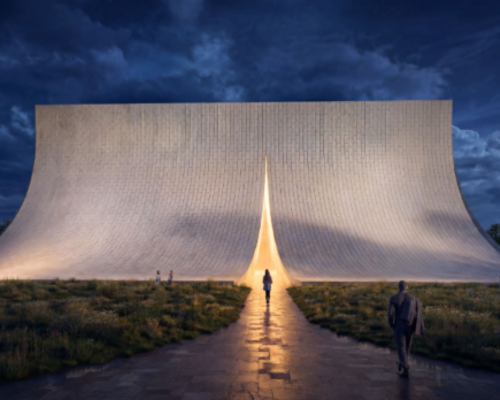
BIG unveils Eve Music Hall as Croatia venue nears completion
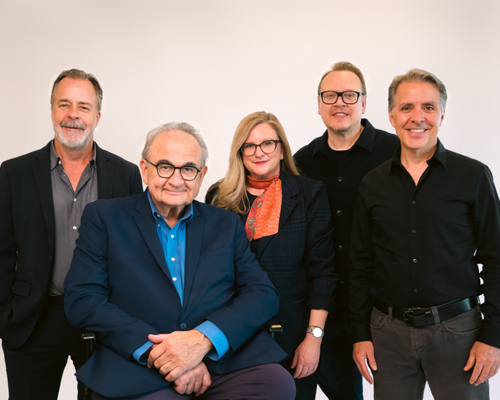
Bob Rogers hands BRC to long-serving leadership team

Wellness care hospital opens in Vilnius with innovative spa and hospitality concept

Universal and Puy du Fou projects point to rise of Oxford–Cambridge corridor
A proposed Puy du Fou development near Bicester and Universal Destinations and Experiences’ planned resort in Bedford are emerging as part of a wider transformation of the Oxford–Cambridge Growth Corridor into a major centre for UK leisure and tourism investment.
For years, the corridor has been associated primarily with science, technology, housing and university-led economic growth. However, the clustering of large-scale visitor attraction projects along the

All-inclusive eco-wellness development Auko to open near Vietnam’s Son Doong caves
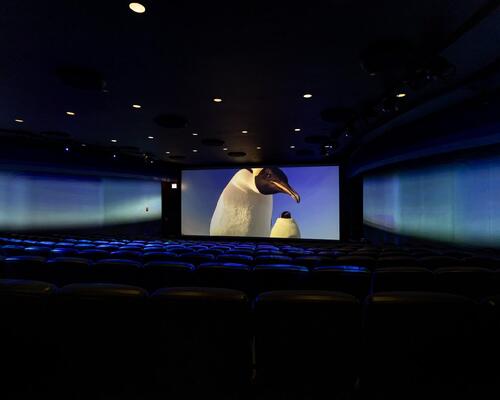
Shedd Aquarium upgrades its visitor experience with new Immersion Theater
Shedd Aquarium has opened the Immersion Theater developed in partnership with SimEx-Iwerks, as part of a wider strategy to enhance the guest experience and create additional revenue opportunities.
The attraction has transformed the aquarium’s Phelps Auditorium into a multi-sensory venue combining panoramic projection, environmental effects and interactive technology.
A new pre-show area allows visitors to engage with augmented reality marine animals before entering the
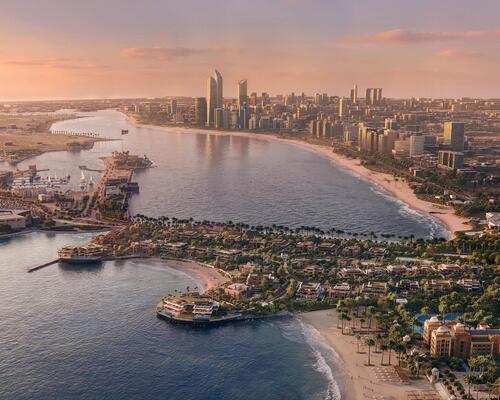
Mandarin Oriental announces standalone Mansions-branded residences for Abu Dhabi

MCR is planning a luxury hotel for London's BT Tower

Joy as a radical act: Yinka Ilori launches solo exhibition celebrating the rebellious power of spreading happiness

Work gets underway on Madrid's €800 million leisure complex
Work is underway in Madrid on one of Europe’s most significant multi-functional complexes, combining sport, entertainment, culture and education.
The €800 million initiative to regenerate the former Olympic Aquatic Centre in the north-east of the city, next to the Riyadh Air Metropolitano stadium, is being led by Barsento – a joint venture between Live Nation Entertainment, Oak View Group and Atlético de Madrid. The project will
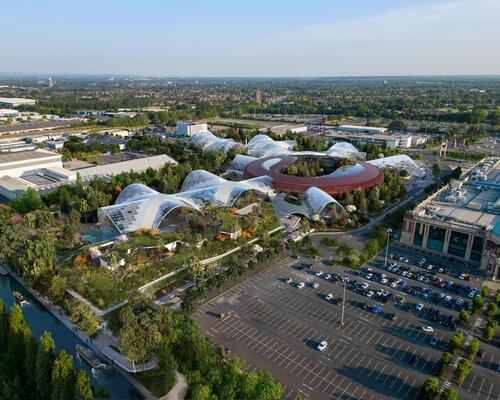
Therme Manchester reveals 90:90 strategy – 90 per cent of the UK population within a 90-minute drive of a Therme

Four Seasons’ Naples Beach Club opens 2,800sq m Sanctuary spa inspired by indigenous Calusa people
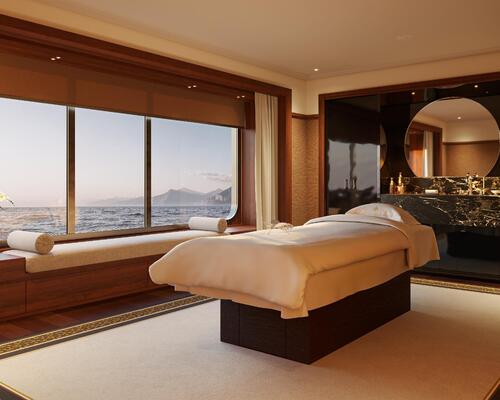
Orient Express Corinthian to host Ocean Rebirth wellness retreat in collaboration with Guerlain
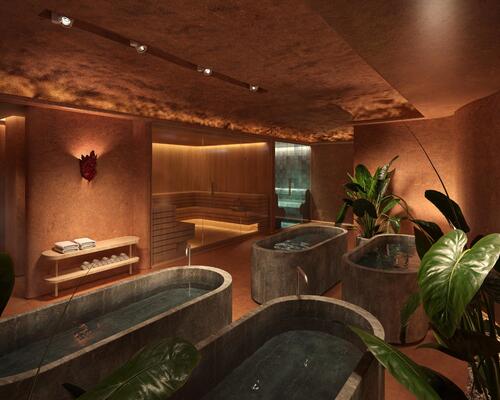
Famed London nightclub, Tramp, launches Tramp Health
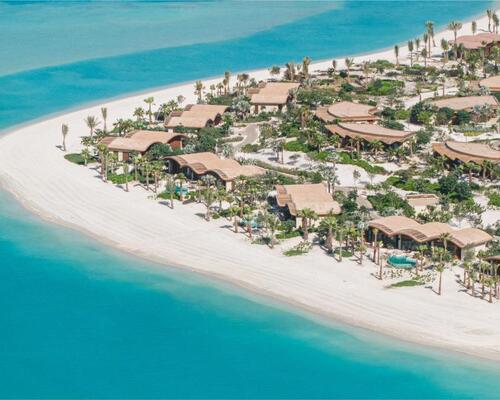
First look: Miraval opens on the Red Sea in Saudi Arabia

Hainan Science Museum by Ma Yansong, opens in China
A new science museum has opened to the public in Haikou after attracting more than 350,000 visitors during a four-month soft opening period.
Designed by Ma Yansong and his practice MAD Architects, the Hainan Science Museum is located on the edge of Wuyuan River National Wetland Park and has already recorded peak attendance of more than 5,800 visitors in a single day.
Commissioned by
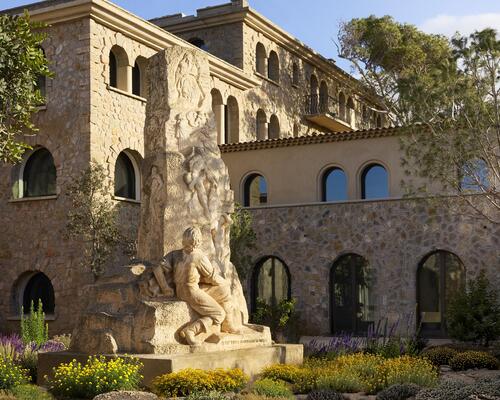
Zannier Île De Bendor launches with design by Hardel Le Bihan Architectes
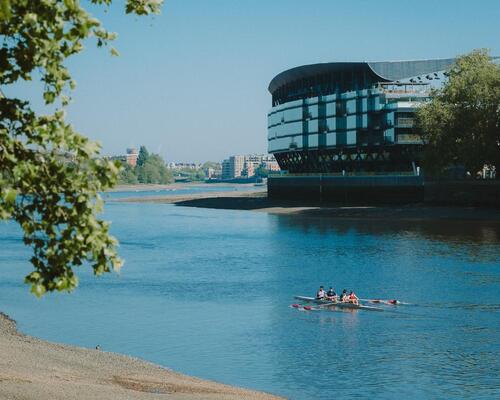
Sæl Spa readies for launch in London: “a modern British sanctuary”
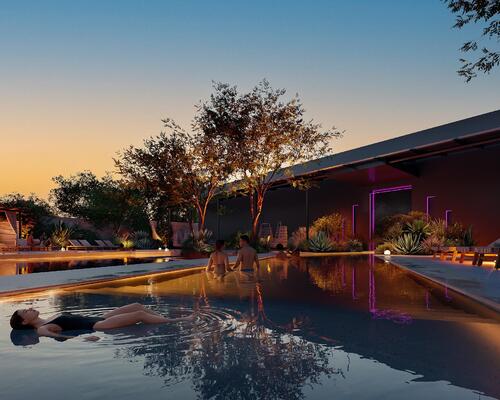
Immersive art bathhouse Submersive announces debut location in Austin

Construction begins on regenerative wellness destination The Shenandoah Nature Resort

Royal Caribbean reveals record-breaking cruise ship

V&A East opens in London

David Geffen galleries open at LACMA

New venue The Lands by Capella includes a longevity centre to complement sister hotel Capella Sydney

World of Frozen launches at Disneyland Paris
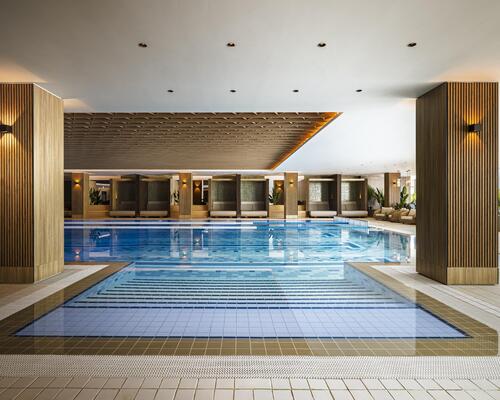
Pical Resort by Valamar reveals first Croatian spa under the ESPA brand

Mandarin Oriental creates end-to-end Egyptian journey with two new hotels and first-ever luxury river cruise

Designers Mendil + Meyer launch new division called Lām Concepts for strategic wellness projects
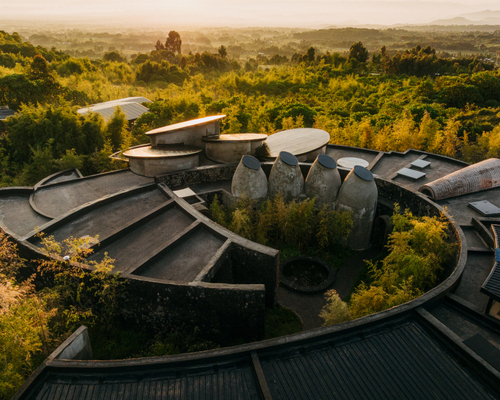
Wilderness Bisate in Rwanda reveals brand’s second Sanctuary spa
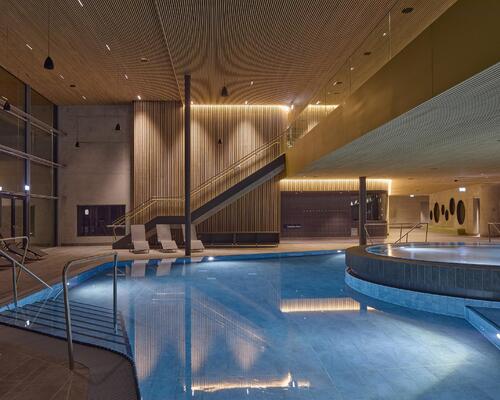
4a Architekten shares details of wellness extension at Salinarium Bad Dürkheim Thermal Spa