Experts challenge ROI definitions at corporate wellness roundtable

Evaluations of corporate wellness programmes need to expand beyond the conventional financial parameters of return on investment (ROI) and include physiological, psychological and social factors to truly gauge their effectiveness.
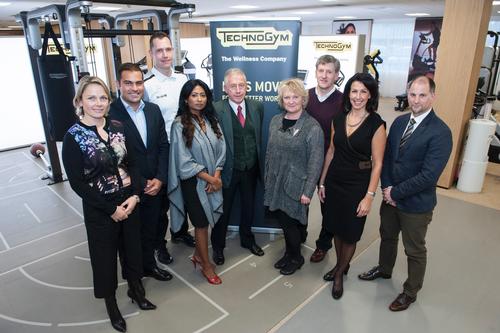
That was the conclusion from a recent roundtable - hosted by wellness giant Technogym - which gathered experts from a number of industries to explore the future of corporate wellness programmes. The group highlighted that the best corporate wellness programmes take into consideration a company’s unique profile, needs and objectives, and focus on sustained, consistent implementation that integrates wellness into its culture and DNA.
Corporate wellness programmes continue to grow in prominence, but methods to evaluate their efficacy remain underutilised. A recent study by PricewaterhouseCoopers found that 90 per cent of US corporations don’t have sufficient data to measure the return they get on wellness programme investment.
The roundtable consensus was that initial engagement with wellness programmes is usually driven by organisational values and philosophy, instead of financial gain. However, the experts pointed out that while many organisations have a performance driven culture that demands benchmarks and metrics, wellbeing measures – such as a Health and Psychosocial Instruments (HAPI) index, data from staff satisfaction surveys and employee turnover data – need to sit alongside business numbers for an accurate measurement of success.
The group noted investment in corporate wellbeing cannot be adequately assessed if only quantifiable measures are used. Many kinds of data are difficult to acquire, such as long and short-term absenteeism, productivity and staff engagement. Other measures of success such as enhanced company reputation, contribution to corporate and social responsibility (CSR) policies are difficult to quantify, and also exclude the employees’ experiences.
In establishing what factors lead to a corporate wellness programmes, the panel first sought to define what makes one. ‘An ongoing sustainable programme that includes the regular collection and evaluation of data,’ was the group view, drawing the distinction from arbitrary ‘health promotion’, which is usually marked by short term initiatives with little or no data collected.
Four factors were found to be key to the success of a corporate wellness programme:
1. Consideration of the corporate culture, values and aspirations
2. Consistent collection of data to evaluate the programme3. Quality and reach, both of the programme and of its implementers
4. A strategy of engagement with both management and workforce
The notion that the ‘reach’ or diversity of the programme is a key factor, echoes findings from a 2014 study by Corporate Wellness 365. The research indicated that businesses must provide employees with access to a broader range of fitness and wellness activities that go beyond traditional gym membership if they want to engage them with new healthy behaviours.
Leading the Technogym roundtable was Sue Pritchard of corporate consultancy Aditi Unlimited. She said: “This Corporate Wellness Roundtable white paper challenges some of the accepted barriers to considering and implementing corporate wellness programmes and offers some well researched, tried and tested methods for introducing them into organisational life.
“We benefited from the perspectives of those who have researched health and wellbeing for decades, alongside others who have led the field in implementing ground-breaking initiatives in organisation settings.”
The roundtable brought together representatives from academia, human resource and corporate wellness provision, including: Anna Daniels, founder of Daniels Fitness; Clayton Green, human performance programme manager at McLaren; Dr Dorian Dugmore, CEO of the Wellness Academy and director of corporate wellbeing at Perform at St George’s Park; Fabrizio Cecchinelli, marketing manager of health corporate and public divisions at Technogym; Gillian Pillans, research director of the Corporate Research Forum; and Prof John Buckley, programme leader at the Department of Clinical Science, University of Chester.
To download a copy of the Corporate Wellness Roundtable white paper, click here.
White Paper calls for greater confidence in exercise referrals
Employers should provide a wide range of wellness activities – not just gym memberships
PwC survey reveals US participation in corporate wellness programmes
Wellbeing measurement tool developed to assess corporate wellness
FEATURE: Promotional Feature – Technogym
BIG unveils Eve Music Hall as Croatia venue nears completion


Bob Rogers hands BRC to long-serving leadership team

Wellness care hospital opens in Vilnius with innovative spa and hospitality concept

Universal and Puy du Fou projects point to rise of Oxford–Cambridge corridor
A proposed Puy du Fou development near Bicester and Universal Destinations and Experiences’ planned resort in Bedford are emerging as part of a wider transformation of the Oxford–Cambridge Growth Corridor into a major centre for UK leisure and tourism investment.
For years, the corridor has been associated primarily with science, technology, housing and university-led economic growth. However, the clustering of large-scale visitor attraction projects along the
All-inclusive eco-wellness development Auko to open near Vietnam’s Son Doong caves
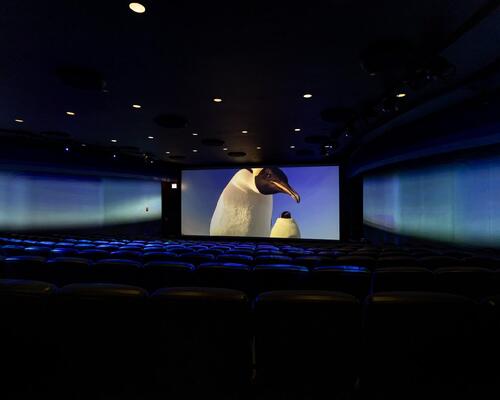
Shedd Aquarium upgrades its visitor experience with new Immersion Theater
Shedd Aquarium has opened the Immersion Theater developed in partnership with SimEx-Iwerks, as part of a wider strategy to enhance the guest experience and create additional revenue opportunities.
The attraction has transformed the aquarium’s Phelps Auditorium into a multi-sensory venue combining panoramic projection, environmental effects and interactive technology.
A new pre-show area allows visitors to engage with augmented reality marine animals before entering the
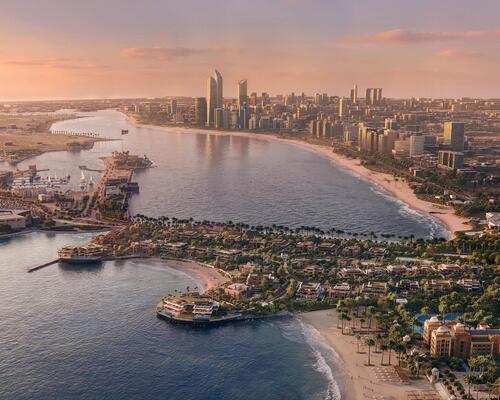
Mandarin Oriental announces standalone Mansions-branded residences for Abu Dhabi
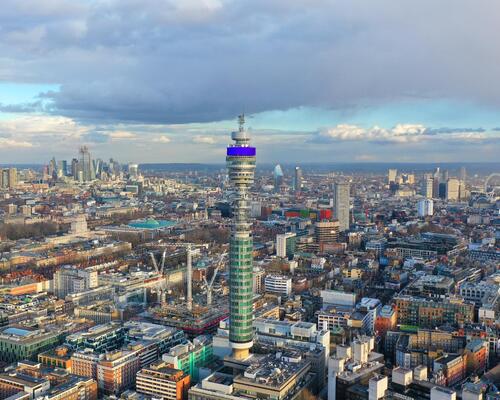
MCR is planning a luxury hotel for London's BT Tower
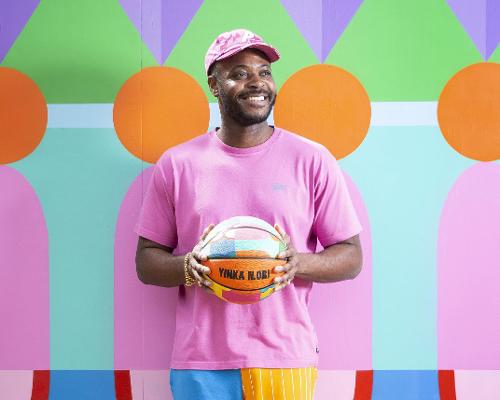
Joy as a radical act: Yinka Ilori launches solo exhibition celebrating the rebellious power of spreading happiness

Work gets underway on Madrid's €800 million leisure complex
Work is underway in Madrid on one of Europe’s most significant multi-functional complexes, combining sport, entertainment, culture and education.
The €800 million initiative to regenerate the former Olympic Aquatic Centre in the north-east of the city, next to the Riyadh Air Metropolitano stadium, is being led by Barsento – a joint venture between Live Nation Entertainment, Oak View Group and Atlético de Madrid. The project will
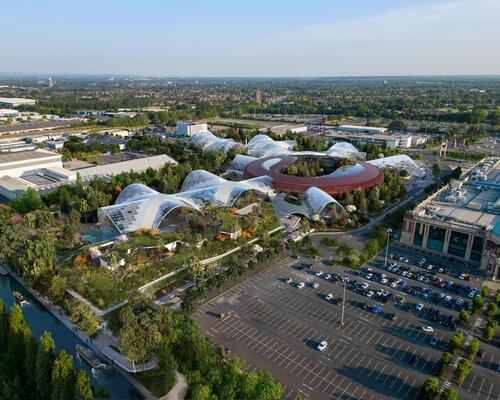
Therme Manchester reveals 90:90 strategy – 90 per cent of the UK population within a 90-minute drive of a Therme

Four Seasons’ Naples Beach Club opens 2,800sq m Sanctuary spa inspired by indigenous Calusa people
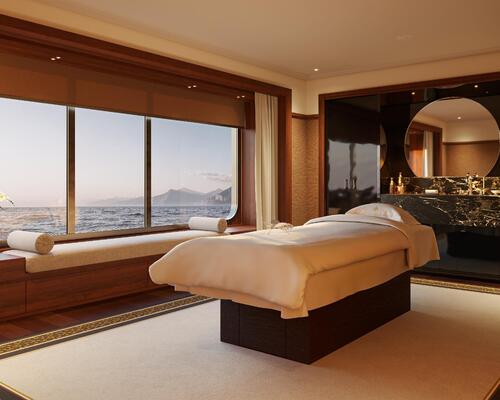
Orient Express Corinthian to host Ocean Rebirth wellness retreat in collaboration with Guerlain
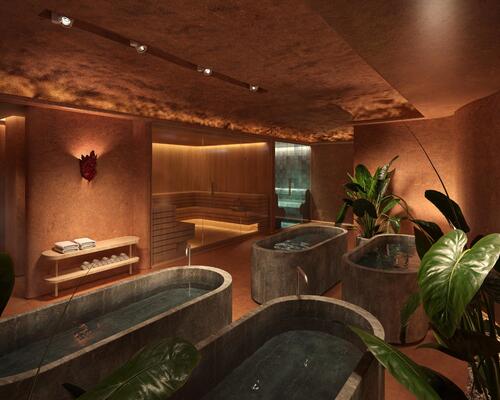
Famed London nightclub, Tramp, launches Tramp Health
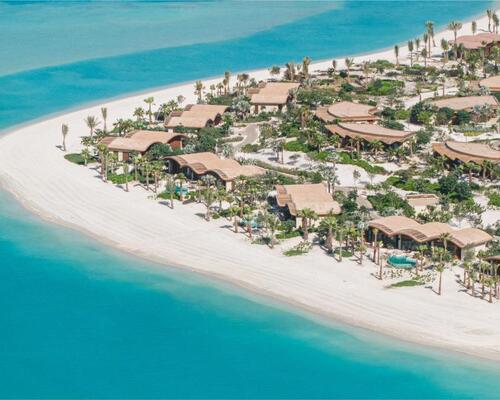
First look: Miraval opens on the Red Sea in Saudi Arabia

Hainan Science Museum by Ma Yansong, opens in China
A new science museum has opened to the public in Haikou after attracting more than 350,000 visitors during a four-month soft opening period.
Designed by Ma Yansong and his practice MAD Architects, the Hainan Science Museum is located on the edge of Wuyuan River National Wetland Park and has already recorded peak attendance of more than 5,800 visitors in a single day.
Commissioned by
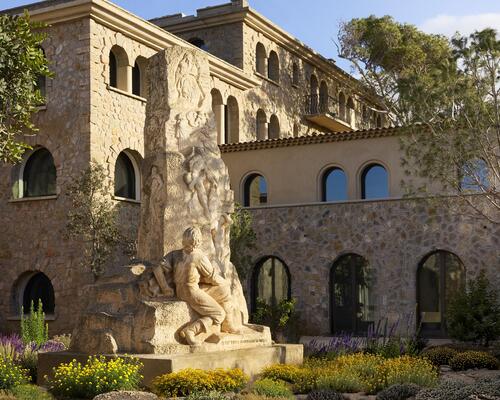
Zannier Île De Bendor launches with design by Hardel Le Bihan Architectes
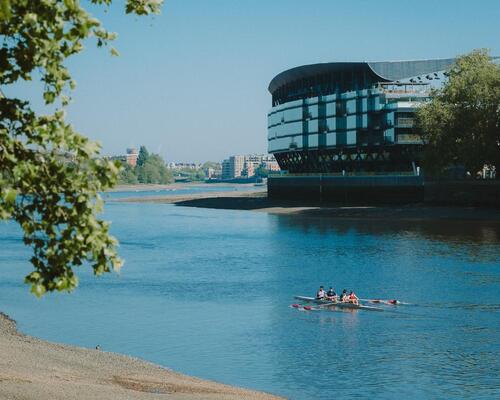
Sæl Spa readies for launch in London: “a modern British sanctuary”
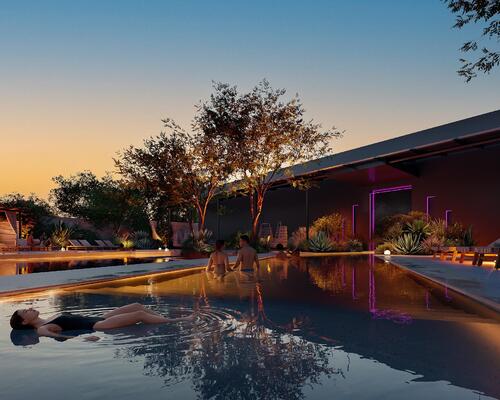
Immersive art bathhouse Submersive announces debut location in Austin

Construction begins on regenerative wellness destination The Shenandoah Nature Resort

Royal Caribbean reveals record-breaking cruise ship
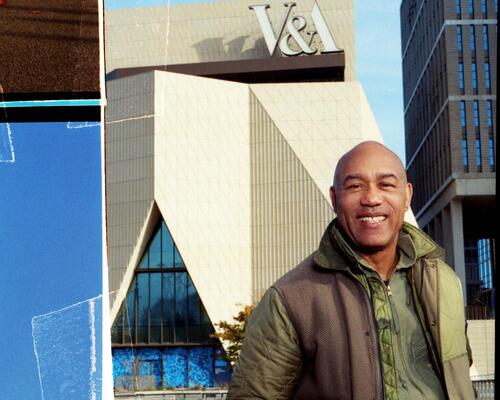
V&A East opens in London
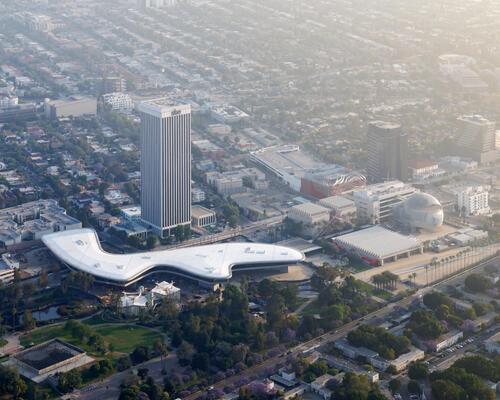
David Geffen galleries open at LACMA

New venue The Lands by Capella includes a longevity centre to complement sister hotel Capella Sydney

World of Frozen launches at Disneyland Paris
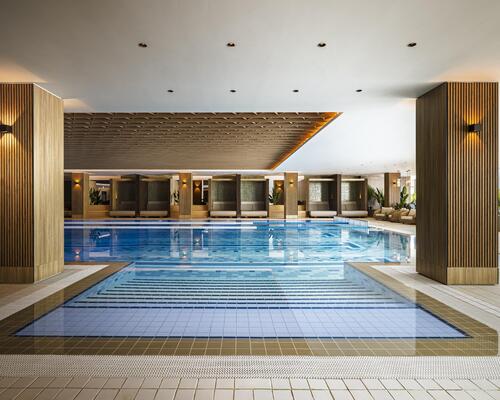
Pical Resort by Valamar reveals first Croatian spa under the ESPA brand

Mandarin Oriental creates end-to-end Egyptian journey with two new hotels and first-ever luxury river cruise

Designers Mendil + Meyer launch new division called Lām Concepts for strategic wellness projects
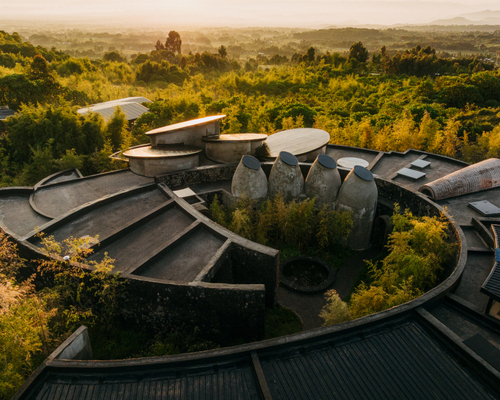
Wilderness Bisate in Rwanda reveals brand’s second Sanctuary spa
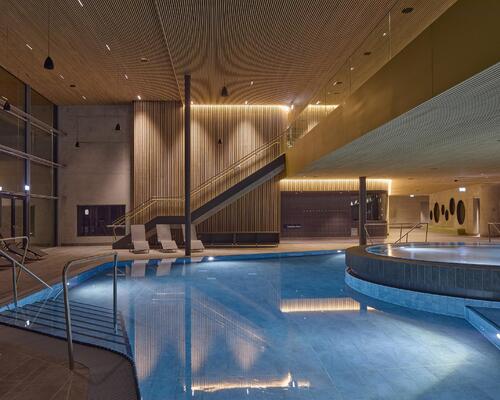
4a Architekten shares details of wellness extension at Salinarium Bad Dürkheim Thermal Spa