Kid's activity levels back to pre-pandemic levels in UK, but lack of government support would threaten recovery



– Tim Hollingsworth, chief executive of Sport England
Children’s and young people’s activity levels are back to pre-pandemic levels, confirms Sport England in its annual Active Lives Children and Young People Survey 2021-2022.
Published annually, Active Lives reports that 47 per cent of children meet the guidelines of taking part in an average of 60 minutes or more of physical activity a day. The survey clarifies that physical activity can mean dance, cycling, sporting activities, informal activity, scooter, walking and fitness activities.
Overall, activity levels are up 2.6 per cent, meaning there are 219,000 more active children compared to the previous academic year – back in line with the 2018-2019 academic year – the last full year before the pandemic.
The in-school increase of 2.2 per cent, or almost 190,000 more children and young people, taking part in an average of 30 minutes or more sport and physical activity a day, demonstrates the work schools have put in to get pupils active.
“It's encouraging to see that activity levels for children and young people have recovered to pre-pandemic levels,” said Tim Hollingsworth, chief executive of Sport England. Hollingsworth credits programmes such as the Secondary School Teacher Training programme to upskill PE teachers in sport and PE promotion and Studio You, the free video-based PE lessons for 13-16-year-old girls, powered by the This Girl Can campaign with supporting these positive results.
However, Hollingsworth believes there's a long way to go to change the overall level to where it needs to be. “We will continue to advocate for children and young people, particularly those facing inequalities and less likely to take part in sport and physical activity, to be given a voice in decisions which affect their experiences to help ensure that those experiences are positive,” he said.
The results show that boys’ activity levels have largely driven the recovery with 50 per cent now doing the 60-minute average compared with 45 per cent of girls. There's also evidence that children and young people are exercising more to improve their mental health outcomes, with 1.2 per cent more engaging in activity to “relax and worry less”. The number of young people exercising to have “fun with friends” has grown by 2.1 per cent.
Nick Pontefract, chief strategy officer at Sport England, agrees with Hollingsworth that while at headline level the findings paint a promising picture, some groups are being left behind. “Primary aged children, specifically those in school Years 3-4 (ages 7-9), and Black boys are not seeing the same recovery,” he said. “In addition, Black girls are reporting significantly fewer positive attitudes towards sport and physical activity than before the pandemic.”
Physical literacy levels, which are linked to higher levels of activity and wellbeing, have not returned to pre-pandemic levels. The International Physical Literacy Association’s definition of physical literacy has four elements: motivation, confidence, physical competence, knowledge and understanding which “help an individual value and take responsibility for engagement in physical activities for life”.
“It’s therefore vital there’s a focus on providing positive experiences of physical activity, with children and young people involved in decisions around their design and delivery,” said Pontefract. “And while activity levels are recovering, there are warning signs that more needs to be done – with the ongoing challenges of the cost of living posing a risk to continued recovery and growth.”
UK Active’s Open Doors programme – which has a scale-up strategy and blueprint to boost the transformation of closed schools’ sports facilities into holiday activity hubs – has played a part in growing exercise levels and active play among children.
Huw Edwards, CEO of UK Active warns that while the survey has shown positive results, rising energy costs could have a potentially catastrophic impact on the gyms, pools and leisure centres that are crucial to the continuation of this recovery. A recent survey from UK Active showed that 40 per cent of council leisure centres and 100 swimming pools are at risk of closure by March 2023 if they do not receive additional government funding.
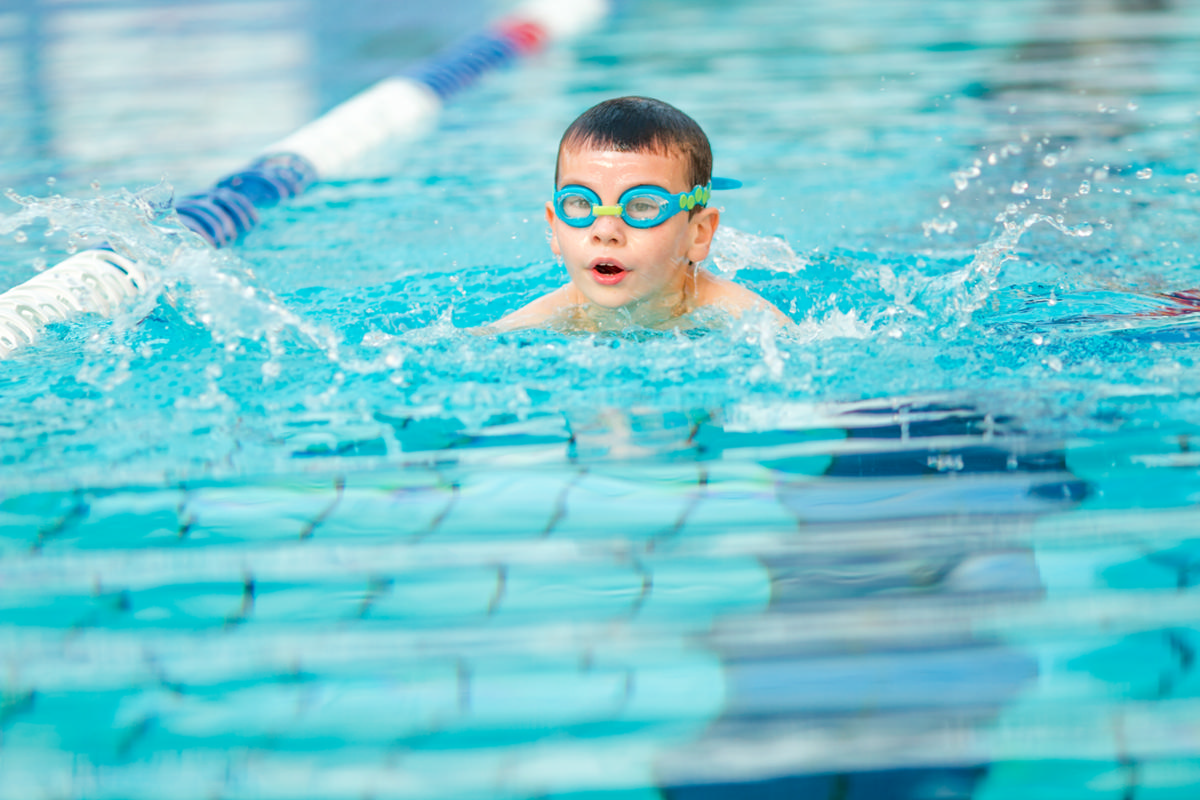
“Already, 72 per cent of primary schools rely on pools in the community to provide swimming lessons to children, and with the sector facing huge rises in energy costs, if no further government support is offered from April 2023, many of these pools will close,” said Edwards. “As swimming among children and young people continues to struggle to recover post-pandemic, this would prove devastating.
“While this report shows a positive recovery from COVID-19, the government must ensure it works proactively with the sector to continue to make strides on increasing activity levels across all groups and communities.”
To access the report, click here.
Active Lives Children and Young People Survey Tim Hollingsworth Sport England Nick Pontefract Huw Edwards UK Active This Girl CanUK fitness sector has potential for growth when it comes to embracing digital
Nike and UK Active publish blueprint for scaling the Open Doors kids' holiday fitness scheme
Sport England puts £5.25m on the table to tackle inequalities in partnership with UK Active

BIG unveils Eve Music Hall as Croatia venue nears completion
Bob Rogers hands BRC to long-serving leadership team

Wellness care hospital opens in Vilnius with innovative spa and hospitality concept

Universal and Puy du Fou projects point to rise of Oxford–Cambridge corridor
A proposed Puy du Fou development near Bicester and Universal Destinations and Experiences’ planned resort in Bedford are emerging as part of a wider transformation of the Oxford–Cambridge Growth Corridor into a major centre for UK leisure and tourism investment.
For years, the corridor has been associated primarily with science, technology, housing and university-led economic growth. However, the clustering of large-scale visitor attraction projects along the

All-inclusive eco-wellness development Auko to open near Vietnam’s Son Doong caves
Shedd Aquarium upgrades its visitor experience with new Immersion Theater
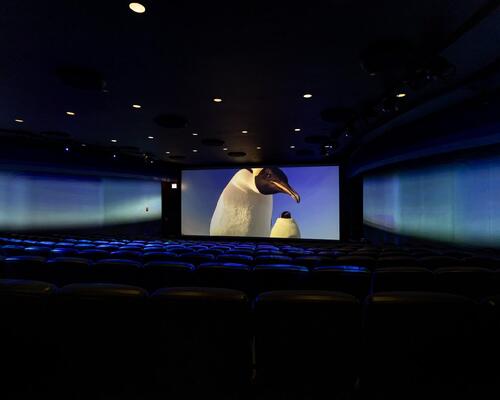
Shedd Aquarium has opened the Immersion Theater developed in partnership with SimEx-Iwerks, as part of a wider strategy to enhance the guest experience and create additional revenue opportunities.
The attraction has transformed the aquarium’s Phelps Auditorium into a multi-sensory venue combining panoramic projection, environmental effects and interactive technology.
A new pre-show area allows visitors to engage with augmented reality marine animals before entering the

Mandarin Oriental announces standalone Mansions-branded residences for Abu Dhabi

MCR is planning a luxury hotel for London's BT Tower
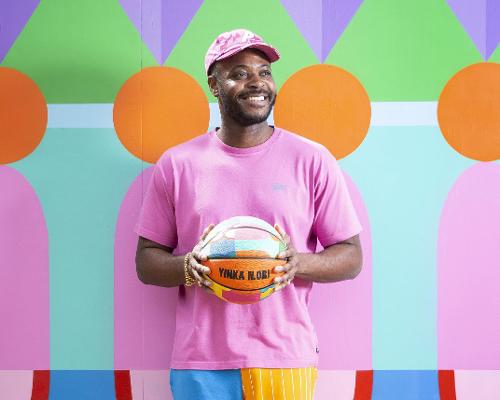
Joy as a radical act: Yinka Ilori launches solo exhibition celebrating the rebellious power of spreading happiness

Work gets underway on Madrid's €800 million leisure complex
Work is underway in Madrid on one of Europe’s most significant multi-functional complexes, combining sport, entertainment, culture and education.
The €800 million initiative to regenerate the former Olympic Aquatic Centre in the north-east of the city, next to the Riyadh Air Metropolitano stadium, is being led by Barsento – a joint venture between Live Nation Entertainment, Oak View Group and Atlético de Madrid. The project will
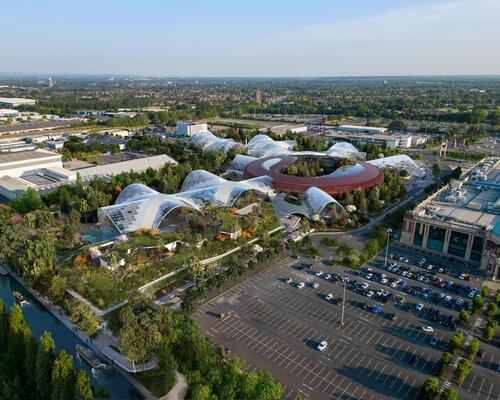
Therme Manchester reveals 90:90 strategy – 90 per cent of the UK population within a 90-minute drive of a Therme

Four Seasons’ Naples Beach Club opens 2,800sq m Sanctuary spa inspired by indigenous Calusa people
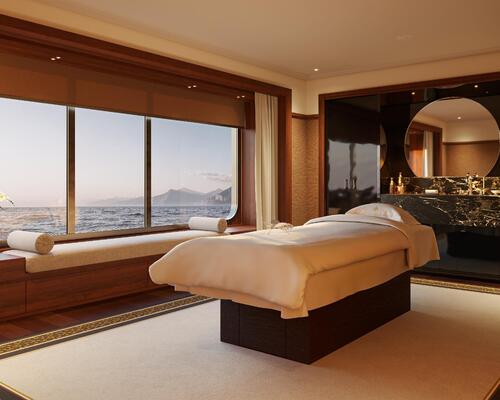
Orient Express Corinthian to host Ocean Rebirth wellness retreat in collaboration with Guerlain
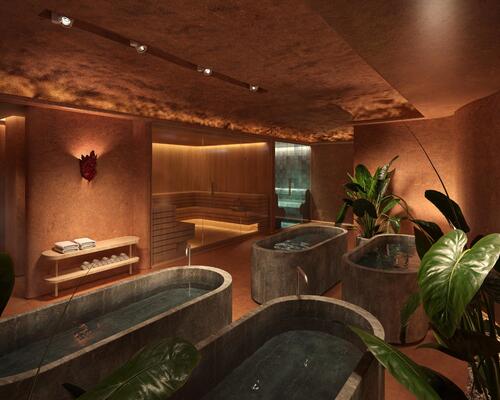
Famed London nightclub, Tramp, launches Tramp Health
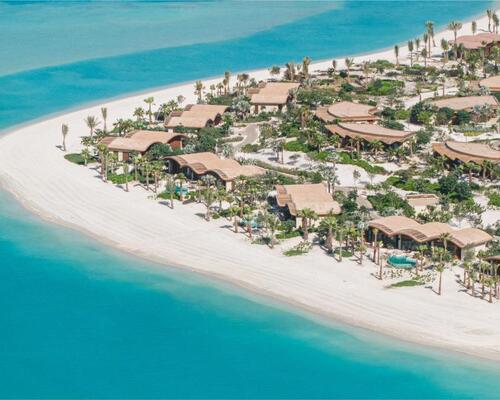
First look: Miraval opens on the Red Sea in Saudi Arabia

Hainan Science Museum by Ma Yansong, opens in China
A new science museum has opened to the public in Haikou after attracting more than 350,000 visitors during a four-month soft opening period.
Designed by Ma Yansong and his practice MAD Architects, the Hainan Science Museum is located on the edge of Wuyuan River National Wetland Park and has already recorded peak attendance of more than 5,800 visitors in a single day.
Commissioned by
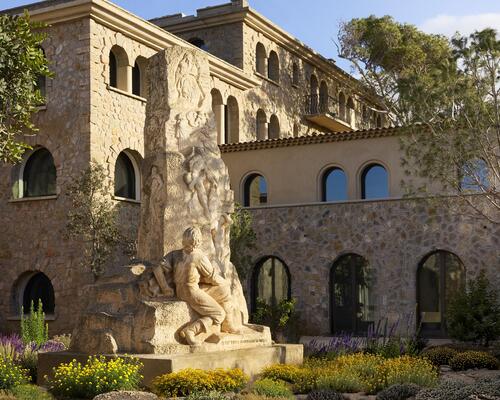
Zannier Île De Bendor launches with design by Hardel Le Bihan Architectes
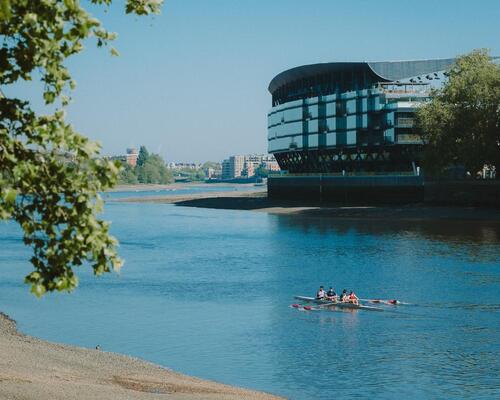
Sæl Spa readies for launch in London: “a modern British sanctuary”
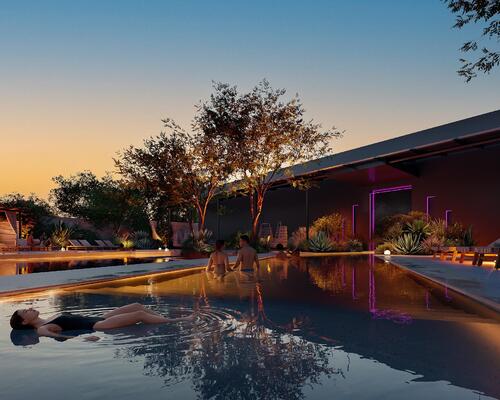
Immersive art bathhouse Submersive announces debut location in Austin

Construction begins on regenerative wellness destination The Shenandoah Nature Resort

Royal Caribbean reveals record-breaking cruise ship

V&A East opens in London

David Geffen galleries open at LACMA

New venue The Lands by Capella includes a longevity centre to complement sister hotel Capella Sydney

World of Frozen launches at Disneyland Paris
Pical Resort by Valamar reveals first Croatian spa under the ESPA brand

Mandarin Oriental creates end-to-end Egyptian journey with two new hotels and first-ever luxury river cruise

Designers Mendil + Meyer launch new division called Lām Concepts for strategic wellness projects
Wilderness Bisate in Rwanda reveals brand’s second Sanctuary spa
4a Architekten shares details of wellness extension at Salinarium Bad Dürkheim Thermal Spa