Bulk of free fitness apps fail to meet exercise guidelines, says study



It’s often said that you get what you pay for, and it seems that fitness apps which cost nothing provide little more than that, according to a new study.
Researchers from the University of Florida have concluded that the majority of free fitness apps are falling well short in meeting users’ needs. Their study – published in the Journal of Medical Internet Research – found that only one of 30 popular free fitness apps for iPhones meets the majority of guidelines for physical activity from the American College of Sports Medicine (ACSM).
The apps were compared to the ACSM guidelines for aerobic exercise, strength or resistance, and flexibility. Each app was scored across those three categories, examining to what extent they adhered to the specific ACSM parameters for safety, warm-ups, cool-downs, stretching, intensity, frequency and progression.
Perhaps unsurprisingly, given the initial focus the fitness app market has had on heart-rate tracking, more than half the apps met some of the recommendations for aerobic exercise. However, two-thirds of the apps did not meet any of the flexibility criteria.
“While apps have great potential to give more people access to workouts that could help them achieve a healthy weight and fitness level, we found that the vast majority of apps are not as safe as they could be and do not give users the type of well-rounded workouts known to be most effective,” said lead author of the study François Modave.
As well as not meeting the specific criterion for each category, 23 out of the 30 apps did not provide an actual training plan, explain how to choose a workout or explain how to organise the workouts through the week. Experts said these shortcomings make it difficult, especially for beginners, to follow a safe and physiologically sound exercise regimen.
“The issues with these apps place users at risk for injury because the apps fail to prepare them to take on the exercises, use proper techniques and address safety issues surrounding different types of exercise,” added Modave.
“Our hope is that this study, which is the first to explore what extent fitness apps are adhering to the ACSM Guidelines, starts a conversation about how to harness apps to give people high-quality, safe and effective workouts.”
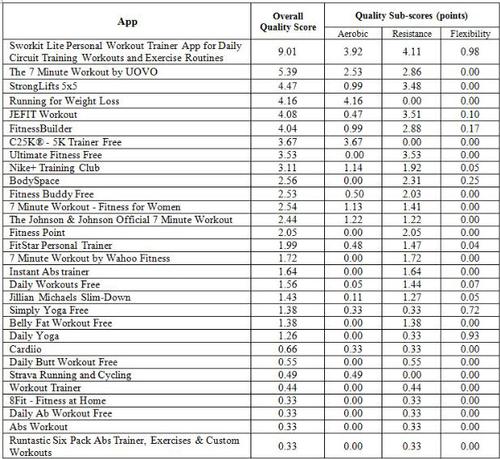
While the study raises some interesting points, it should be highlighted that many of the apps tested (see table below), such as Strava and Daily Yoga, are specifically tailored to one type of training, so evaluating them across a broad range of categories will not necessarily reflect their usefulness to specific users.
The findings come as calls have increased for fitness workers to improve their knowledge of the app market as they begin to play a more prominent role in consumers’ lives.
According to Graeme Hinde, managing director of LFX, it’s imperative that fitness professionals keep abreast of consumer trends to ensure that the gym remains a relevant and engaging environment for physical activity. Speaking at SIBEC 2015, he said instructors should be able to recommend pieces of wearable tech and apps to match their training goals in the same way they would suggest exercises and nutrition plans.
The University of Florida study's table of results
Under Armour targets fitness app market with major acquisitions
Preventative healthcare and wellbeing gadgets will continue to thrive: report
Fitness apps to be promoted through the NHS
FEATURE: Sports Technology – Technological revolution
FEATURE: Activity tracking – Fitness of the future


BIG unveils Eve Music Hall as Croatia venue nears completion
Bob Rogers hands BRC to long-serving leadership team

Wellness care hospital opens in Vilnius with innovative spa and hospitality concept

Universal and Puy du Fou projects point to rise of Oxford–Cambridge corridor
A proposed Puy du Fou development near Bicester and Universal Destinations and Experiences’ planned resort in Bedford are emerging as part of a wider transformation of the Oxford–Cambridge Growth Corridor into a major centre for UK leisure and tourism investment.
For years, the corridor has been associated primarily with science, technology, housing and university-led economic growth. However, the clustering of large-scale visitor attraction projects along the

All-inclusive eco-wellness development Auko to open near Vietnam’s Son Doong caves
Shedd Aquarium upgrades its visitor experience with new Immersion Theater
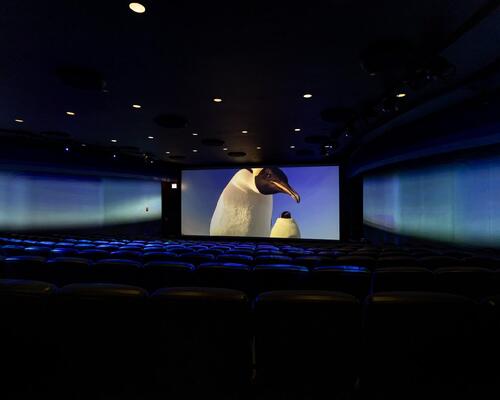
Shedd Aquarium has opened the Immersion Theater developed in partnership with SimEx-Iwerks, as part of a wider strategy to enhance the guest experience and create additional revenue opportunities.
The attraction has transformed the aquarium’s Phelps Auditorium into a multi-sensory venue combining panoramic projection, environmental effects and interactive technology.
A new pre-show area allows visitors to engage with augmented reality marine animals before entering the

Mandarin Oriental announces standalone Mansions-branded residences for Abu Dhabi

MCR is planning a luxury hotel for London's BT Tower

Joy as a radical act: Yinka Ilori launches solo exhibition celebrating the rebellious power of spreading happiness

Work gets underway on Madrid's €800 million leisure complex
Work is underway in Madrid on one of Europe’s most significant multi-functional complexes, combining sport, entertainment, culture and education.
The €800 million initiative to regenerate the former Olympic Aquatic Centre in the north-east of the city, next to the Riyadh Air Metropolitano stadium, is being led by Barsento – a joint venture between Live Nation Entertainment, Oak View Group and Atlético de Madrid. The project will

Therme Manchester reveals 90:90 strategy – 90 per cent of the UK population within a 90-minute drive of a Therme

Four Seasons’ Naples Beach Club opens 2,800sq m Sanctuary spa inspired by indigenous Calusa people
Orient Express Corinthian to host Ocean Rebirth wellness retreat in collaboration with Guerlain

Famed London nightclub, Tramp, launches Tramp Health
First look: Miraval opens on the Red Sea in Saudi Arabia

Hainan Science Museum by Ma Yansong, opens in China
A new science museum has opened to the public in Haikou after attracting more than 350,000 visitors during a four-month soft opening period.
Designed by Ma Yansong and his practice MAD Architects, the Hainan Science Museum is located on the edge of Wuyuan River National Wetland Park and has already recorded peak attendance of more than 5,800 visitors in a single day.
Commissioned by

Zannier Île De Bendor launches with design by Hardel Le Bihan Architectes
Sæl Spa readies for launch in London: “a modern British sanctuary”
Immersive art bathhouse Submersive announces debut location in Austin

Construction begins on regenerative wellness destination The Shenandoah Nature Resort

Royal Caribbean reveals record-breaking cruise ship

V&A East opens in London

David Geffen galleries open at LACMA

New venue The Lands by Capella includes a longevity centre to complement sister hotel Capella Sydney

World of Frozen launches at Disneyland Paris
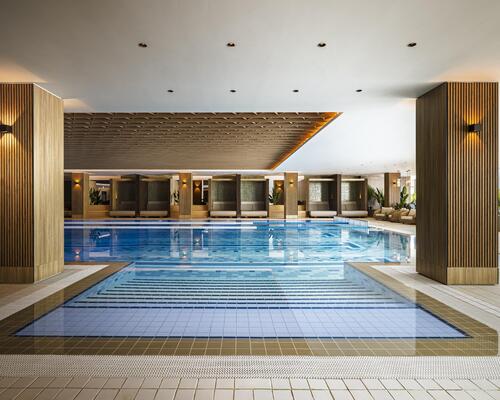
Pical Resort by Valamar reveals first Croatian spa under the ESPA brand

Mandarin Oriental creates end-to-end Egyptian journey with two new hotels and first-ever luxury river cruise

Designers Mendil + Meyer launch new division called Lām Concepts for strategic wellness projects

Wilderness Bisate in Rwanda reveals brand’s second Sanctuary spa
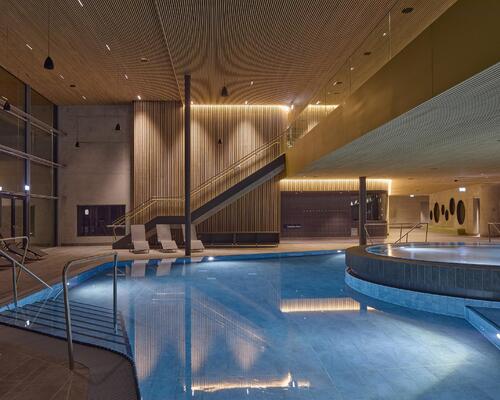
4a Architekten shares details of wellness extension at Salinarium Bad Dürkheim Thermal Spa
















Designed to restore neglected land and renew the identity of Iraq’s capital city, Baghdad Sustainable Forests promises a new way of living surrounded by nature. Gensler’s Ian Mulcahay tells us why he thinks the project could become a model for the repair and enhancement of urban centres