Rachel Gutter talks about how COVID-19 will change the places we live and work


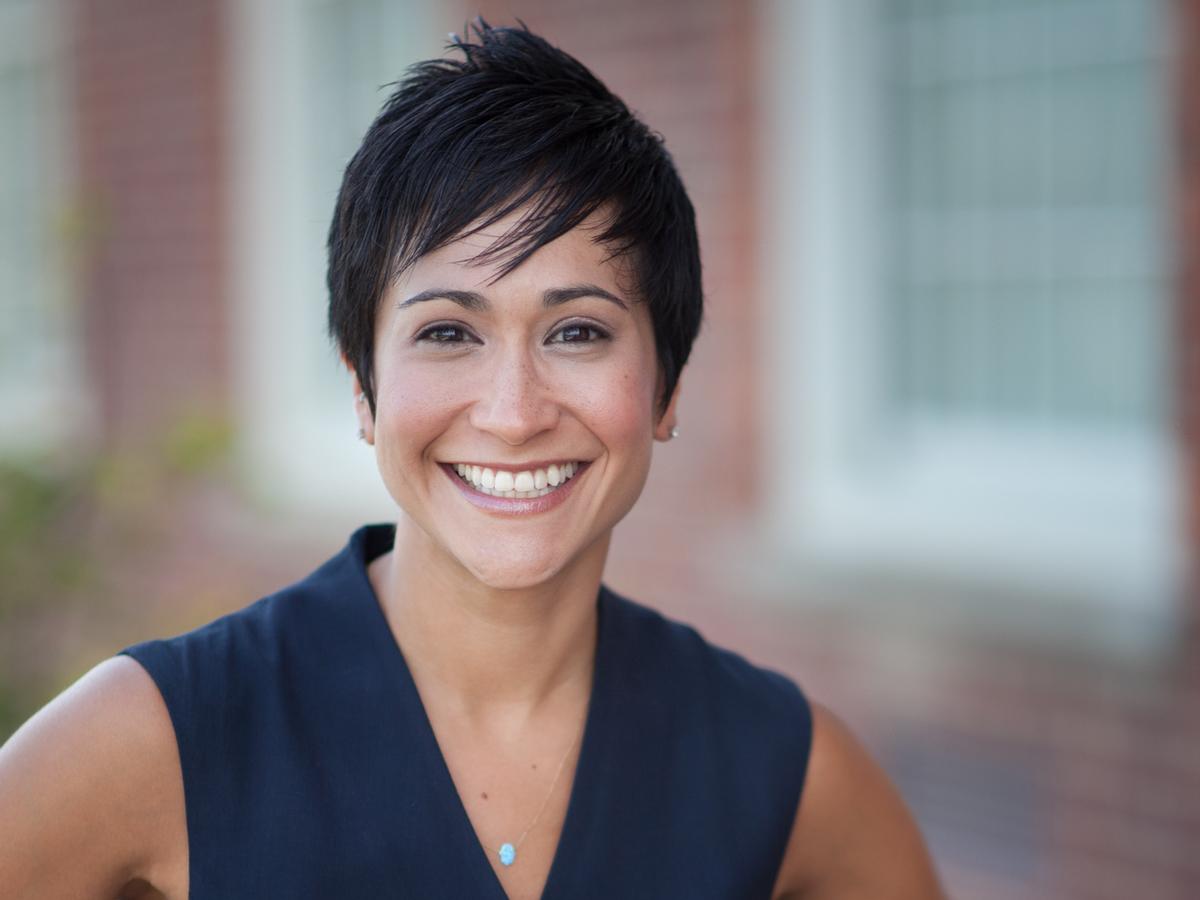
– Rachel Gutter, president, International Well Building Institute
The International WELL Building Institute (IWBI) is one of the foremost bodies when it comes to recognising how effectively the places we live ensure our health and wellbeing.
CLAD spoke to president Rachel Gutter about how this priority has taken centre stage.
IWBI was set up in 2014 with the aim of doing for people what LEED had done for sustainability, via its WELL Building Standard – the human-centric, wellness equivalent.
After meticulously piecing together the second version of its standard for launch in March 2020, the organisation was overtaken by the events of the COVID-19 pandemic.
"We had been in this massive multi-month sprint, all the way through public comment, all the way through multiple rounds and reviews with our advisories and with a select group of about 200 stakeholders," explained Gutter. "And on the night before the vote, I pulled our chief engineer aside, it was the same day we decided to close our offices in New York City, and I said, 'I feel like we have an obligation to press pause right now'."
Task force
Instead of launching the second version of its initiative, the IWBI pulled together a task force to explore how buildings, organisations and communities can tackle COVID-19 and other respiratory illnesses.
With time being of the essence, it will be convened for only a short time, but the intention is for it to provide practical outputs for everything from hand-washing, cleaning and ventilation to what happens when buildings are shut down for a long period, as well as to inform the new version of the WELL Building Standard.
Just a week after launching the task force, several hundred acceptance letters were being sent out to those that had stepped forward or otherwise been nominated to serve on it.
"It's a jaw-dropping number and it is so humbling," Gutter said. "I'm overwhelmed by not just the sheer volume of people, but the calibre of people who have raised their hands for this. They are doctors and researchers and governmental leaders and deep subject matter experts, building practitioners, facility managers, real estate executives and then super, super focused experts on anything from ergonomics to acoustics."
This tapping of expertise from across the spectrum is in stark contrast to much of the commentary that has been circulating in news outlets and on social media, which has been ill-sourced, speculative or just plain wrong.
As Gutter remarked, now more than ever, it's critical that the information we deal in be voraciously interrogated and accurate.
"Everybody is an expert right now," she said. "It's amazing to me, watching the webcasts go by, who is being positioned as an expert on workplace wellbeing, or work-from-home practices or even addressing trauma in the workforce; a lot of people who, quite frankly, don't understand the research and that's risky."
Badly prepared
There is also a recognition that we have, on the whole, been badly prepared for preventing a major health event like this, or indeed for dealing with the logistics of one as it plays out.
"Our fundamental issue here is that we haven't been understanding that our buildings and our communities can themselves be vehicles for public health. And we think that public health somehow is the job of a government, elected officials, city officials. No, public health is about the sum total of what our organisations do and are prepared for in a moment like this.
"The biggest thing that happened was that we found ourselves caught off guard, that most organisations were not adequately prepared for work-from-home scenarios, that most employees are not adequately educated on how to optimise work-from-home environments for productivity, but also for personal wellness."
If there's a silver lining to all of this, Gutter believes it's that we will be forced to think more carefully about the ways in which we live and work.
"We believe that this pandemic is going to fundamentally shift our relationships to the places and spaces where we live our lives," she said. "This is the biggest challenge of any of our lifetimes, but also the biggest opportunity. It's a call-to-action for all of us that places matter and that they can have a dramatic impact on our health, wellbeing and safety. Our homes, our schools, our hospitals, our places of work."
Tangible outputs
Drawing on the wealth of past research, experience and knowledge of the IWBI, Gutter sees three main tangible outputs arising from the pandemic.
"There will be a substantial uptick in the demand for third-party verified certifications for health and wellbeing – and not just of buildings, but of products as well. I think there's a lot in this scramble, as I'm sure you've seen in all the news coverage, of fake solutions or invalid solutions.
"Second, I think that we will profoundly change our relationship to remote working. I can't tell you how many of my mentors and other executives that are in my orbit but who are a generation or two apart from me are saying 'I've never been a fan of remote work, but it's actually kind of great, I can actually really see that it's working'. I think that's a kind of generational shift that perhaps this is prompting.
"And I think that the third and biggest change will be to the way that we consider our relationship to our physical environment. And I hope, hope, hope that that includes the planet; that it includes not just our indoor spaces, but a kind of reverence, respect and shift in the way that we view our relationship to our planet.
"We've always had this dependence, this interdependence - it's the air that we breathe, the water that we drink, the food that we eat, it's the crudest versions of shelter. All of these things are so fundamental to our survival and, in our best moments, to our ability to thrive."
"I hope it is the beginning of the revolution that we've been looking for, around broader topics of sustainability," said Gutter.
"It's time for us to start talking about human health and planetary health for what they are, which is fundamentally inextricable and fragile."
As part its response to the COVID-19 pandemic, the IWBI is offering a free webcast series focusing on how buildings, communities and organisations can support our health and wellbeing, its WELL Accredited Professional (AP) exam at a reduced price and a free five-part virtual training series as preparation for the exam.
IWBI Rachel Gutter COVID-19 workplace wellness well home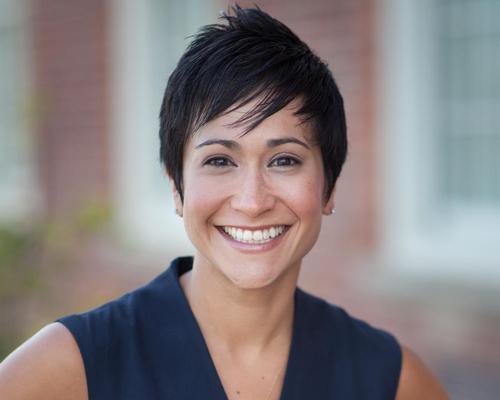
AI firm Midjourney enters wellness with spa, fitness and body scanning concept
Hot spring wellness community Ameyalli sells residences and breaks ground on resort and spa

OMA completes New Museum transformation with landmark expansion and Oberon restaurant
OMA has completed a major transformation of New York's New Museum, creating a larger cultural campus that combines expanded exhibition spaces with learning, performance, hospitality and public programming. The latest addition, Oberon, extends the visitor experience beyond the gallery, reflecting a growing trend for museums to become all-day destinations.
The New Museum in New York has entered a new chapter with the completion of a major
David Rockwell creates immersive magic destination, The Hand and The Eye
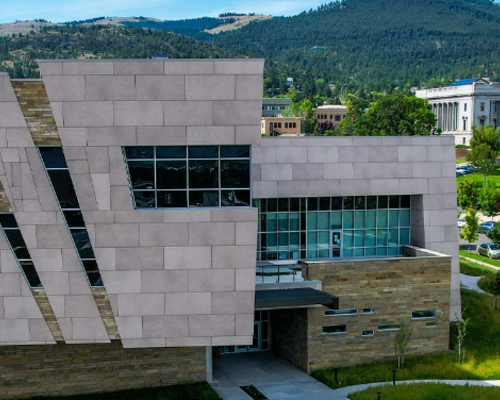
Montana Heritage Center by Cushing Terrell opens after US$107 million investment
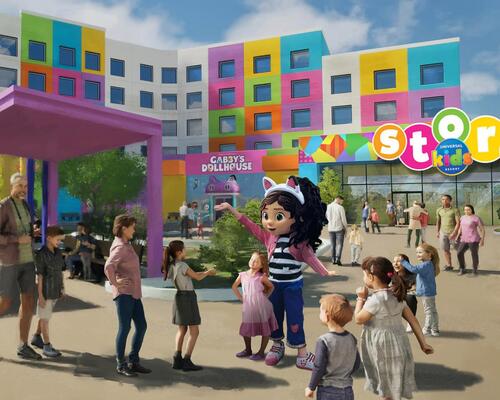
Universal launches new theme park model with Kids Resort
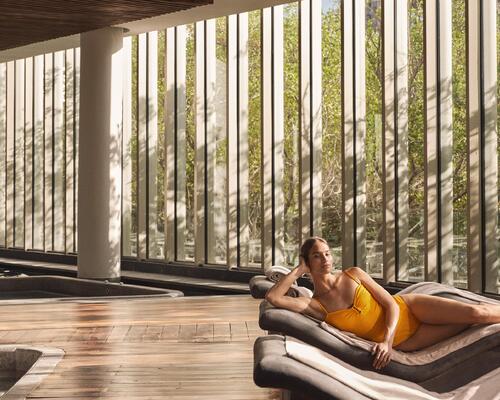
'Minor wellness hotels' recorded the strongest growth across top KPIs in 2025, finds RLA Global
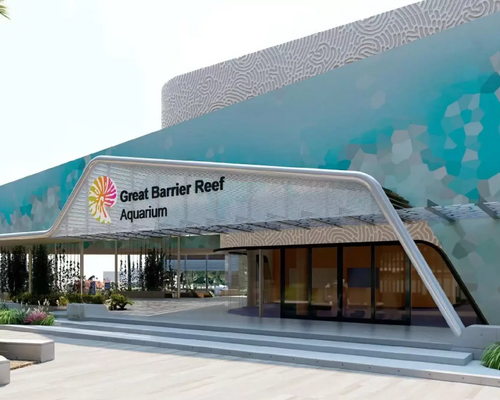
Great Barrier Reef attraction set for AU$180 million reinvention
Fairmont Cheshire, The Mere, has architecture by Leach Rhodes Walker and interiors by Bergman Design House.
Marriott International partners with Fitwel for wellness solutions across its residential portfolio
Preidlhof Luxury DolceVita Resort to unveil new spa in February 2027
Places Leisure is working with Roberts Limbrick to build £60m wellness flagship in Basingstoke
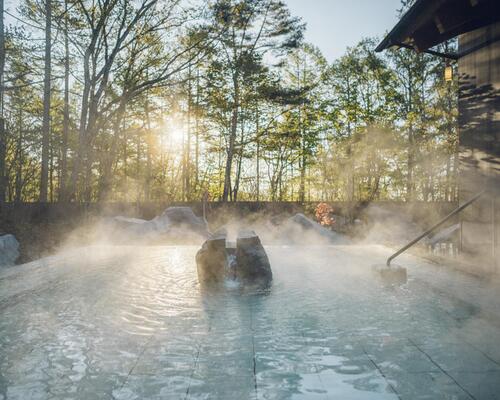
Hoshino Resorts opens Kai Kusatsu as it expands the Kai onsen ryokan brand
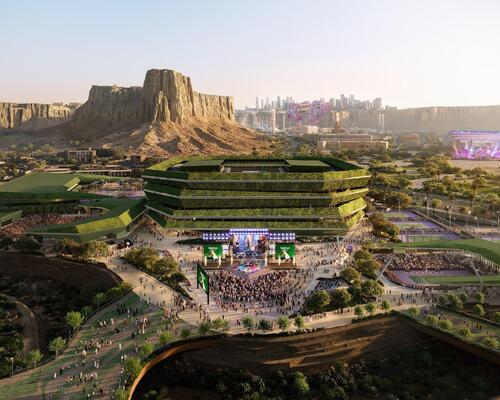
Qiddiya and Populous share details of Saudi Arabia’s National Tennis Centre
Disney confirms US$30 billion investment programme as it highlights its economic impact
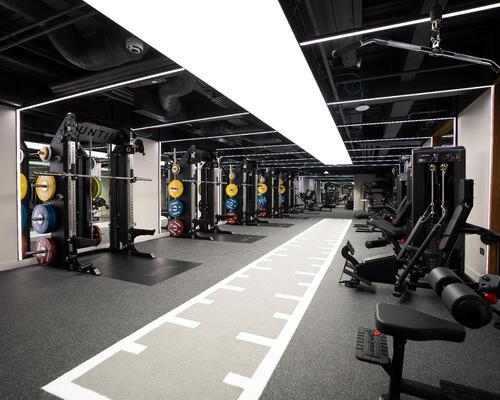
Until combines multiple disciplines at new Canary Wharf club
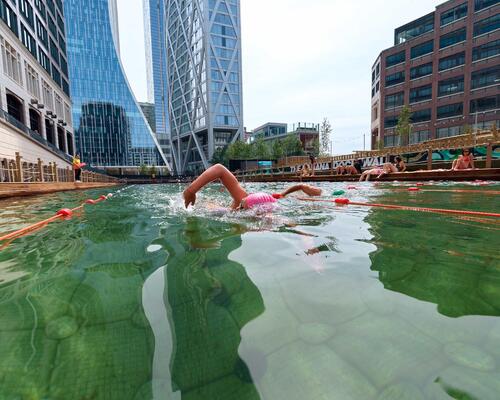
Sea Lanes opens following a partnership between The Eden Project and Canary Wharf Group
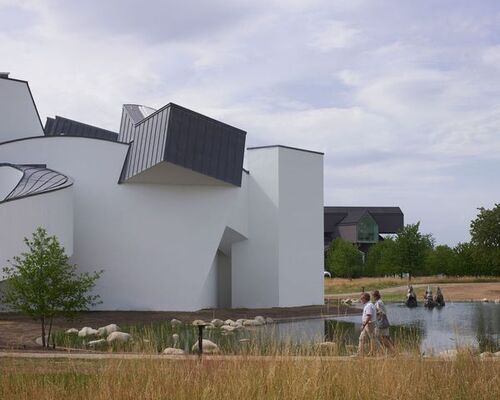
Bas Smets brings water and wilderness to Vitra

Expo 2030 Riyadh will create a permanent global destination
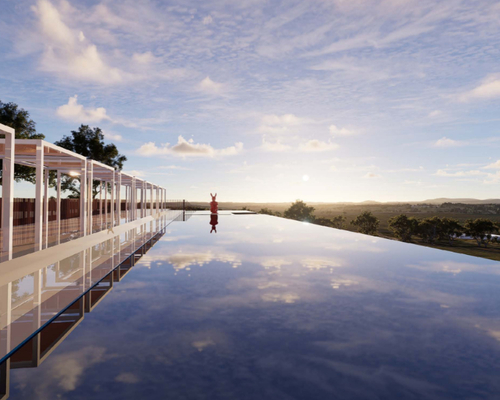
Luxury resort coming to Hunter Valley will have longevity spa
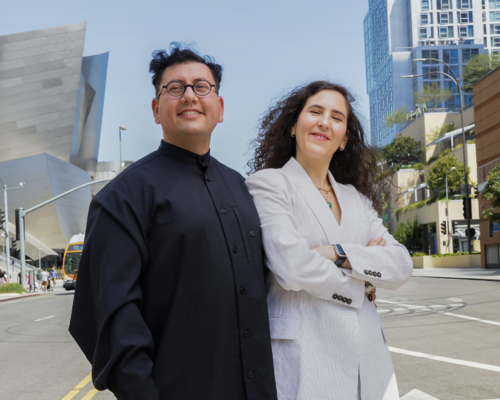
'Data chocolate', dreams made real and artworks shaped by visitors’ emotions: Refik Anadol’s AI art museum launches in Los Angeles
London Museum reveals 2026 opening date for new Smithfield home
BIG unveils Eve Music Hall as Croatia venue nears completion
Bob Rogers hands BRC to long-serving leadership team
Palazzo di Varignana launches family wellbeing and longevity retreat in Emilia Romagna
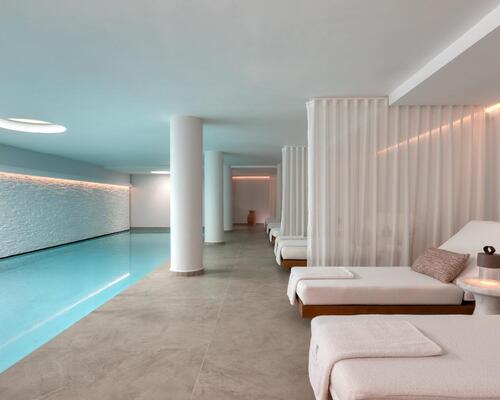
Anasa Wellness and Spa debuts at Patmos Aktis as it joins Marriott
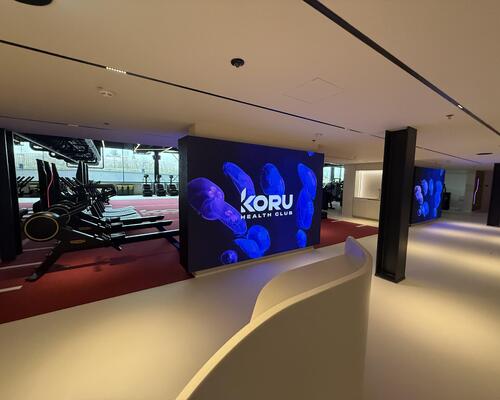
Design-led Koru Health Club combines high-performance training with recovery

Wellness care hospital opens in Vilnius with innovative spa and hospitality concept

Universal and Puy du Fou projects point to rise of Oxford–Cambridge corridor
A proposed Puy du Fou development near Bicester and Universal Destinations and Experiences’ planned resort in Bedford are emerging as part of a wider transformation of the Oxford–Cambridge Growth Corridor into a major centre for UK leisure and tourism investment.
For years, the corridor has been associated primarily with science, technology, housing and university-led economic growth. However, the clustering of large-scale visitor attraction projects along the

All-inclusive eco-wellness development Auko to open near Vietnam’s Son Doong caves