Chicago Shakespeare Theater unveils intimate and innovative new venue on Navy Pier



– Andy Hales, Charcoalblue managing partner
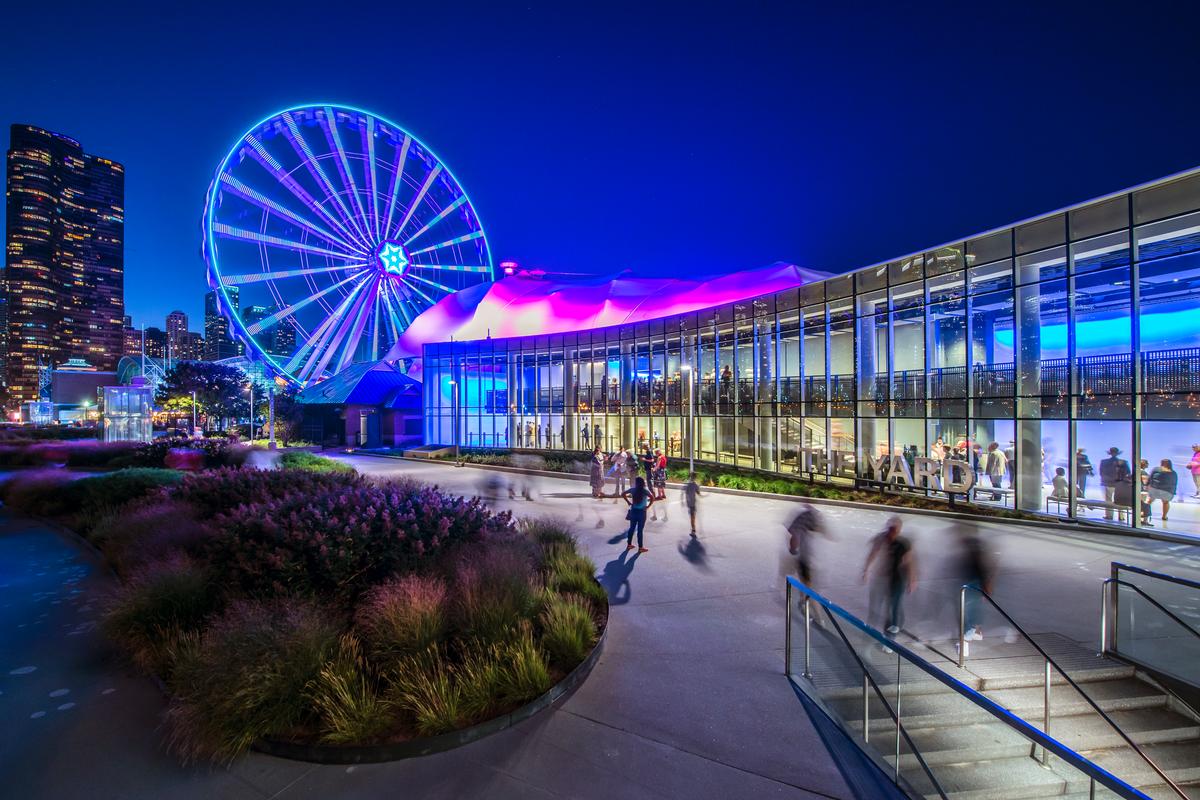
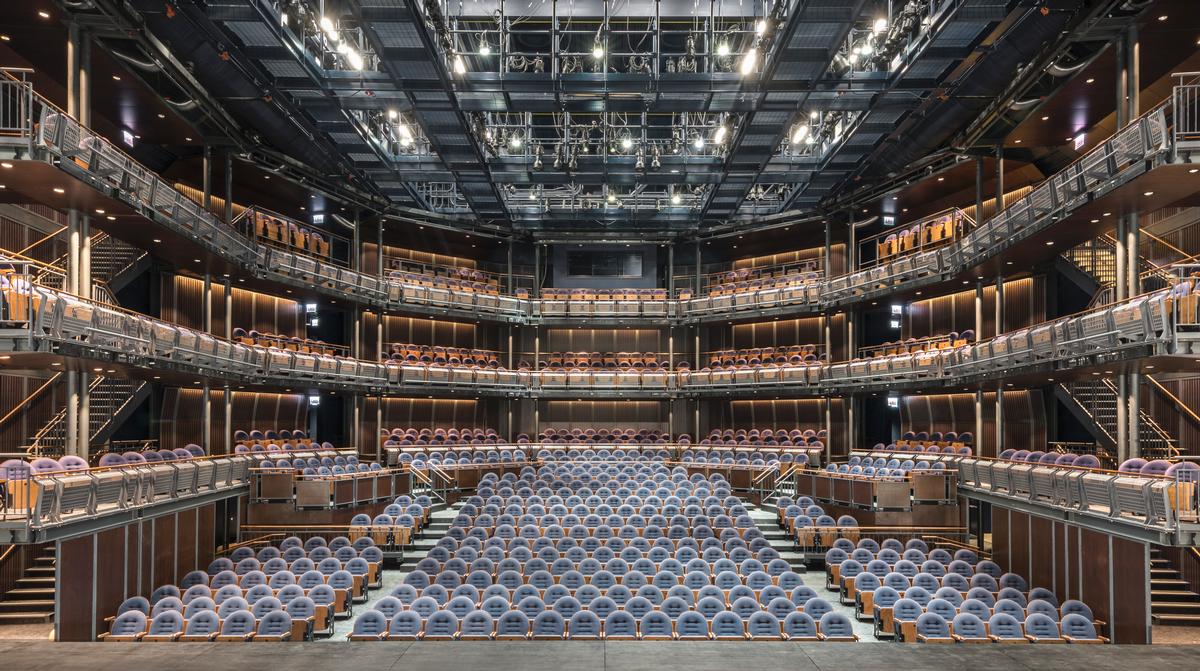
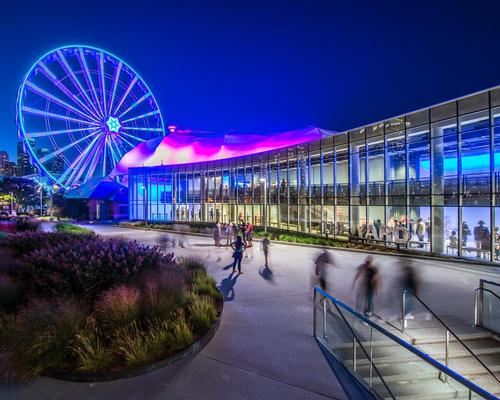
Visitors to Chicago’s Navy Pier can now enjoy a show inside one of the world’s most flexible theatres, which has been constructed inside the attraction's Skyline Stage.
Theatre design consultancy Charcoalblue and design firm Adrian Smith + Gordon Gill Architecture (AS+GG) have collaborated on the ambitious reuse project, called The Yard at Chicago Shakespeare. Rather than constructing a new theatre from scratch, the duo instead designed a fully enclosed, year-round chamber inside the vast tent, with fewer than six inches of clearance at the narrowest point between the steel beams and the canopy.
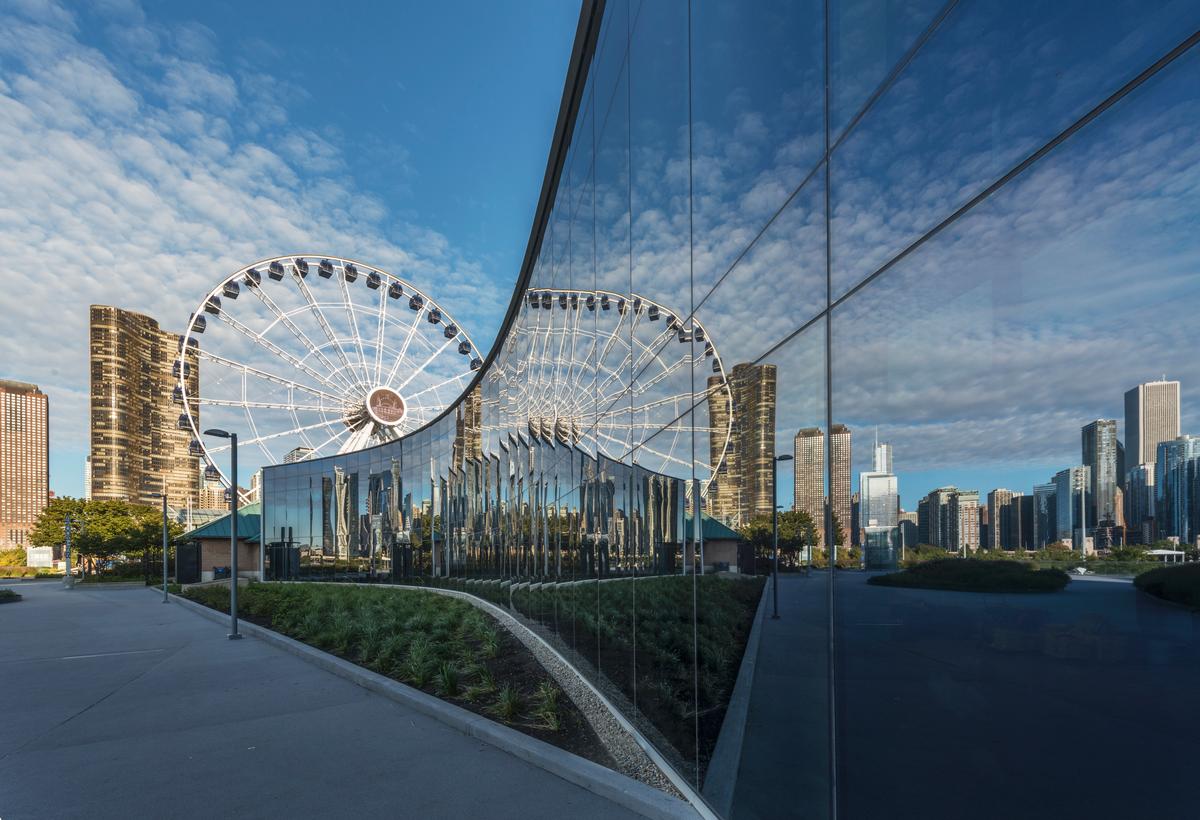
Eighteen 95ft-long (29m) micropiles were driven into the lake’s bedrock below Navy Pier to support the additional weight of The Yard, and the 33,000sq ft (3,000sq m) site has been connected to Chicago Shakespeare’s existing theatre via a new two-level mirrored glass lobby. Meanwhile, the old Skyline’s Stage backstage support areas have all refurbished for reuse.
“At the foundation of my philosophy is the idea that ‘form follows performance’ – and nowhere is that more clear than in The Yard at Chicago Shakespeare,” said AS+GG founding partner Gordon Gill. “Its ability to adjust and adapt to the needs of the art is genuinely innovative, and we’ve accomplished it in a sustainable and cost-conscious way, which I believe will make it a model for theatres to come.”
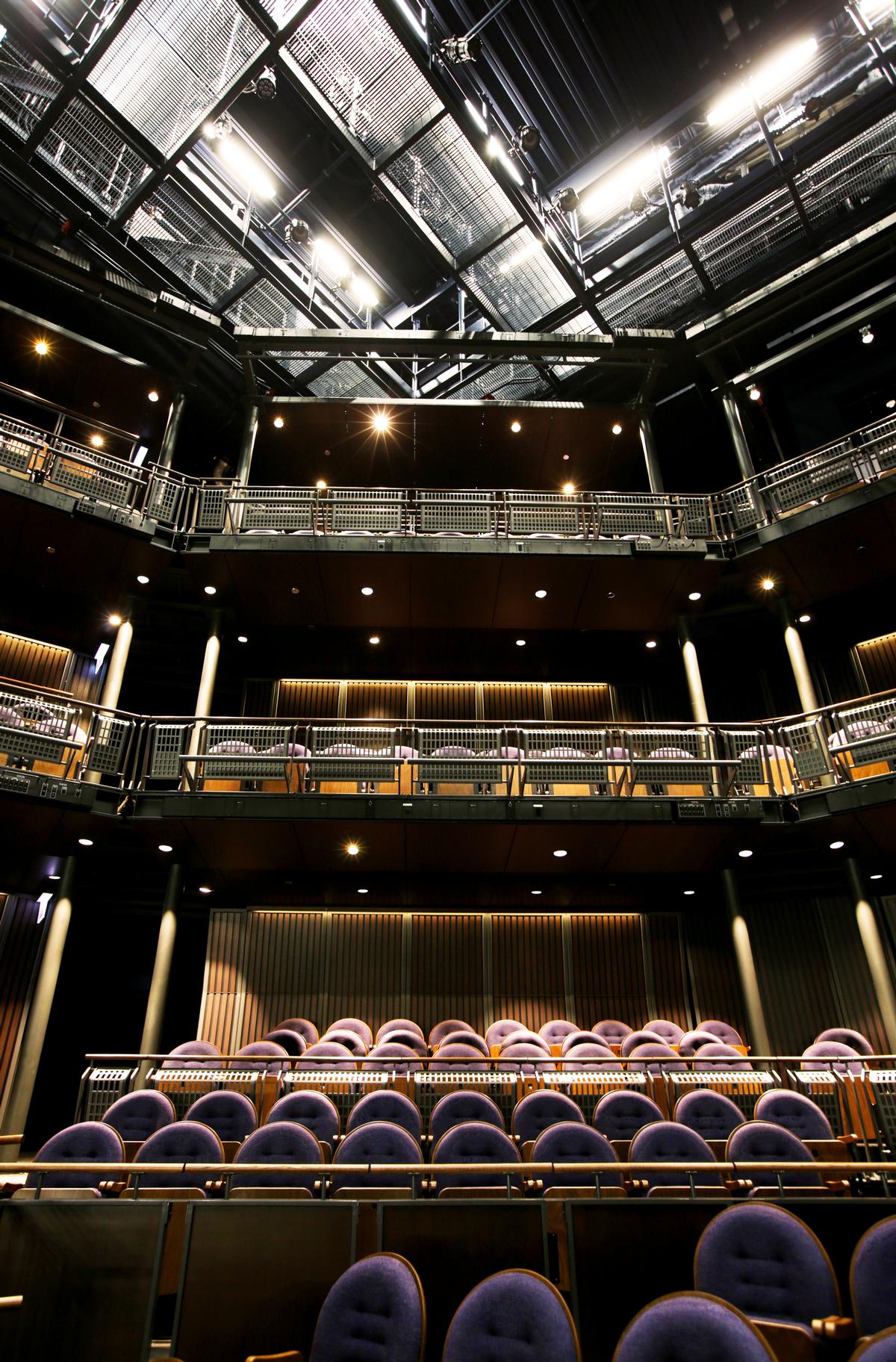
Flexibility is central to The Yard. Nine audience seating towers, each the size of a London double-decker bus, can be rearranged in twelve different configurations, with audience capacities ranging from 150 to 850. Compressed air skid technology, often used in the aeronautical industry, lifts each of the 15.8 tonne towers marginally off the ground on a bed of air, allowing them to be moved by a three-person team.
“This theatre is going to be unique in the world,” said Andy Hayles, managing partner of Charcoalblue. “You can’t really appreciate it unless you come again and again to experience how different this room can feel for each production. It’s not just going to be what is on the stage, but where is the stage.”
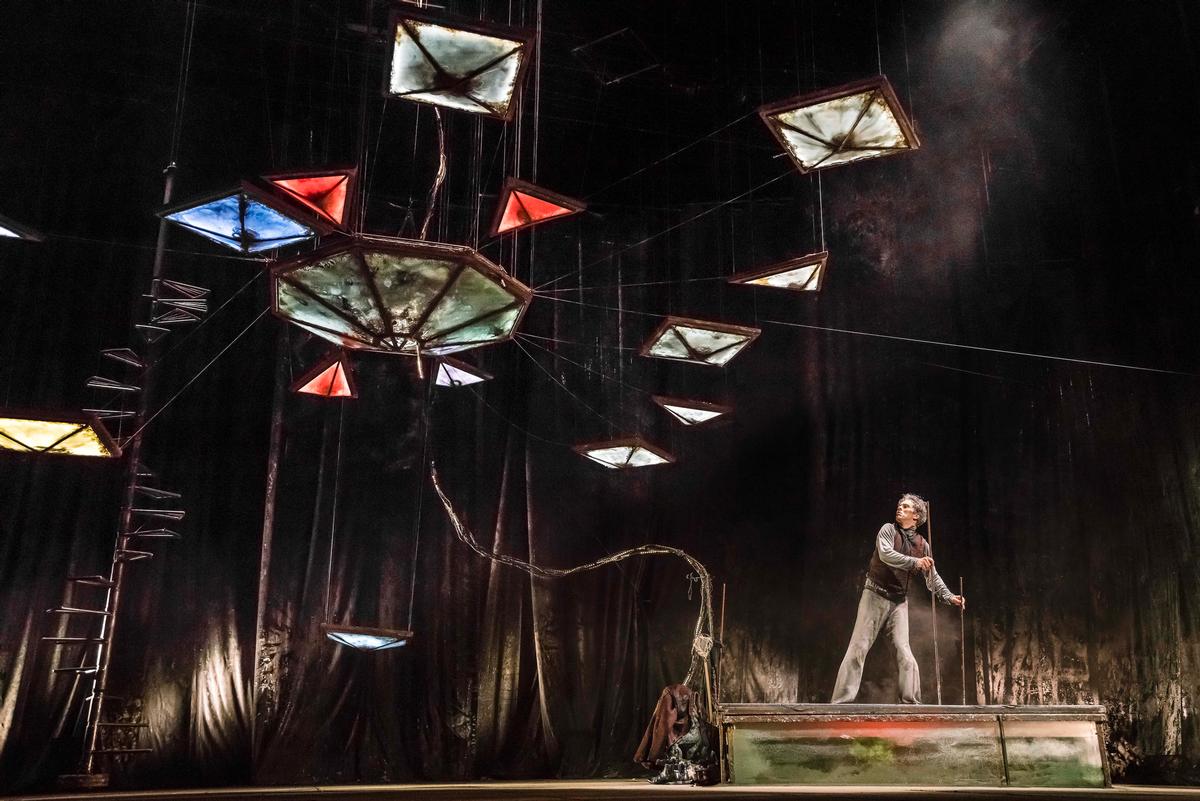
The Chicago Shakespeare Theater's executive director Criss Henderson added: “The versatility of the space means that it is perfectly suited to the widest range of our work: from large-scale musicals and new commissioned works, to international imports and programs for young audiences, and, of course, bold imaginings of Shakespeare’s plays and the classics.”
Construction on the project began in March 2016, and was completed in 18 months at a cost of only US$35m (€30m, £26m) – under half of what would have been required to build a new venue from scratch.
More than 200 architects, engineers and designers, and 400 construction workers contributed to the complex build, which incorporated 2,500 tons of concrete, 375 tons of steel and 15 miles of electrical conduit.
Chicago Shakespeare Theater The Yard at Chicago Shakespeare Charcoalblue Andy Hayles theatre design Adrian Smith + Gordon Gill Architecture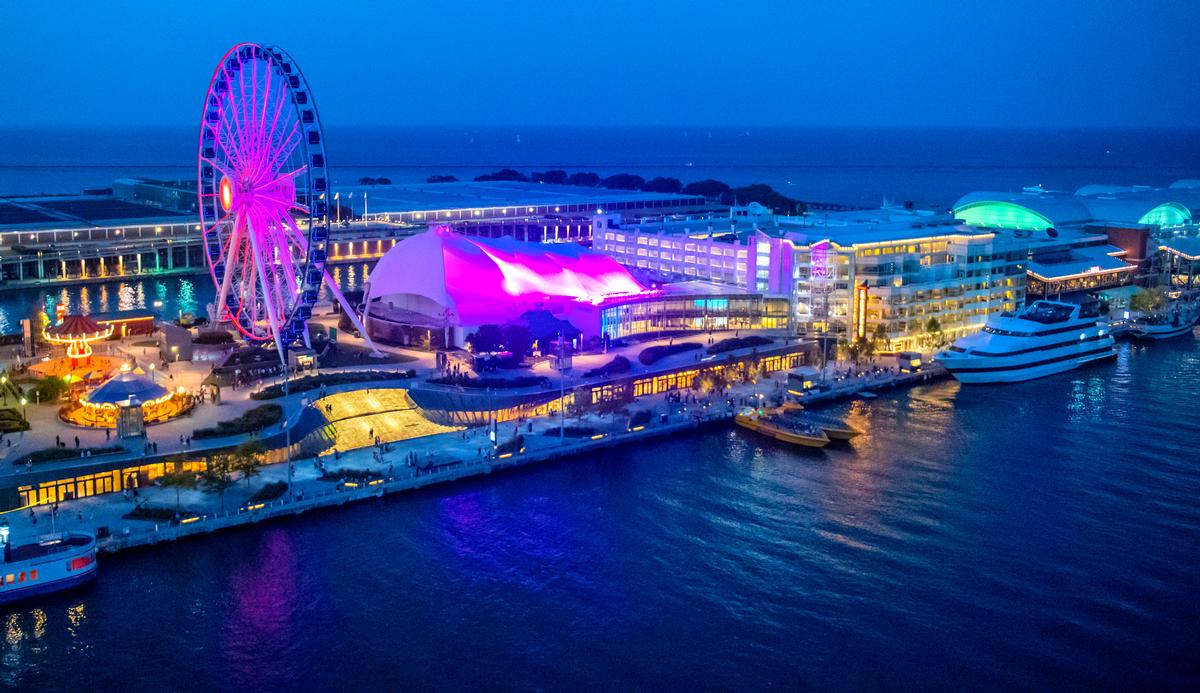
James Corner completes first regeneration phase of Chicago's Navy Pier
Shakespeare theatre on Chicago's Navy Pier to undergo US$35m expansion
US$45m Chicago Blues Experience coming to city's iconic Navy Pier
AI firm Midjourney enters wellness with spa, fitness and body scanning concept
Hot spring wellness community Ameyalli sells residences and breaks ground on resort and spa

OMA completes New Museum transformation with landmark expansion and Oberon restaurant
OMA has completed a major transformation of New York's New Museum, creating a larger cultural campus that combines expanded exhibition spaces with learning, performance, hospitality and public programming. The latest addition, Oberon, extends the visitor experience beyond the gallery, reflecting a growing trend for museums to become all-day destinations.
The New Museum in New York has entered a new chapter with the completion of a major
David Rockwell creates immersive magic destination, The Hand and The Eye

Montana Heritage Center by Cushing Terrell opens after US$107 million investment

Universal launches new theme park model with Kids Resort
'Minor wellness hotels' recorded the strongest growth across top KPIs in 2025, finds RLA Global
Great Barrier Reef attraction set for AU$180 million reinvention
Fairmont Cheshire, The Mere, has architecture by Leach Rhodes Walker and interiors by Bergman Design House.
Marriott International partners with Fitwel for wellness solutions across its residential portfolio
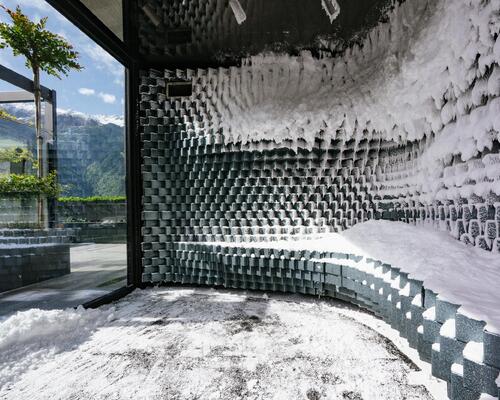
Preidlhof Luxury DolceVita Resort to unveil new spa in February 2027
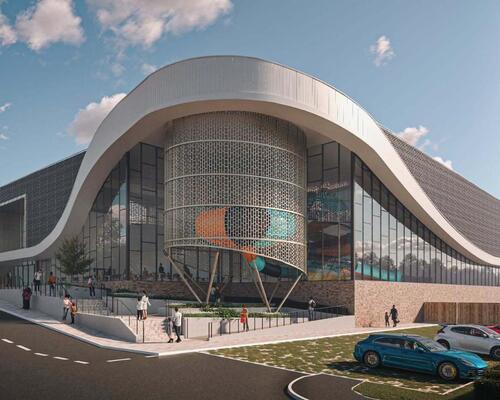
Places Leisure is working with Roberts Limbrick to build £60m wellness flagship in Basingstoke
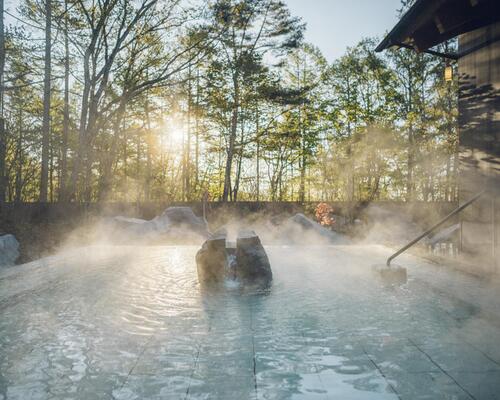
Hoshino Resorts opens Kai Kusatsu as it expands the Kai onsen ryokan brand
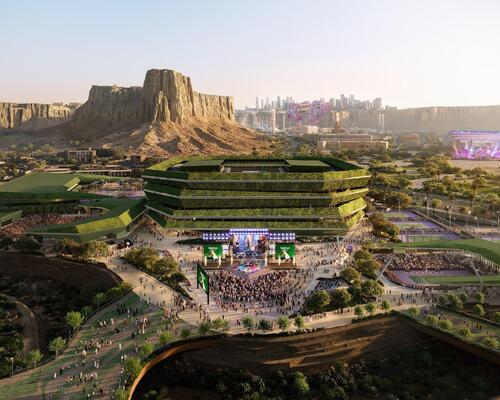
Qiddiya and Populous share details of Saudi Arabia’s National Tennis Centre
Disney confirms US$30 billion investment programme as it highlights its economic impact
Until combines multiple disciplines at new Canary Wharf club
Sea Lanes opens following a partnership between The Eden Project and Canary Wharf Group
Bas Smets brings water and wilderness to Vitra
Expo 2030 Riyadh will create a permanent global destination
Luxury resort coming to Hunter Valley will have longevity spa

'Data chocolate', dreams made real and artworks shaped by visitors’ emotions: Refik Anadol’s AI art museum launches in Los Angeles
London Museum reveals 2026 opening date for new Smithfield home
BIG unveils Eve Music Hall as Croatia venue nears completion
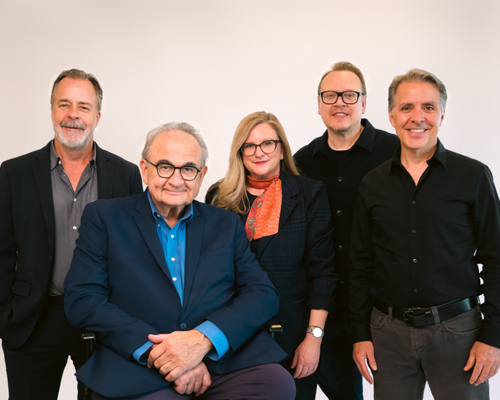
Bob Rogers hands BRC to long-serving leadership team
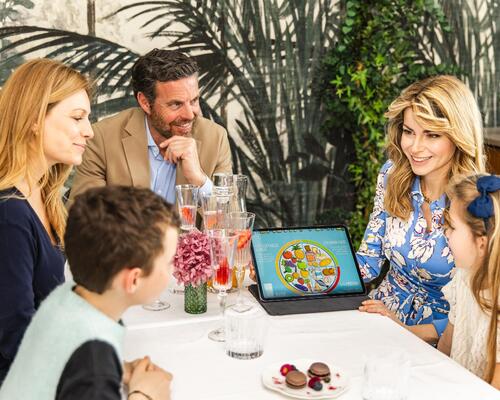
Palazzo di Varignana launches family wellbeing and longevity retreat in Emilia Romagna
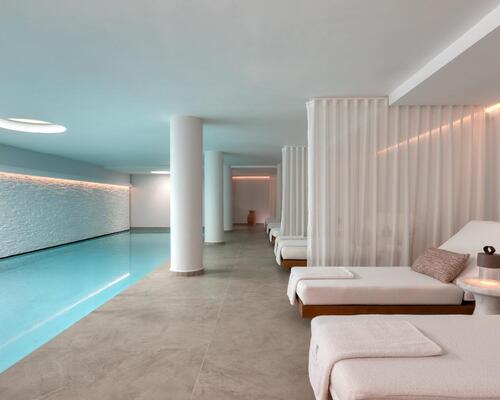
Anasa Wellness and Spa debuts at Patmos Aktis as it joins Marriott
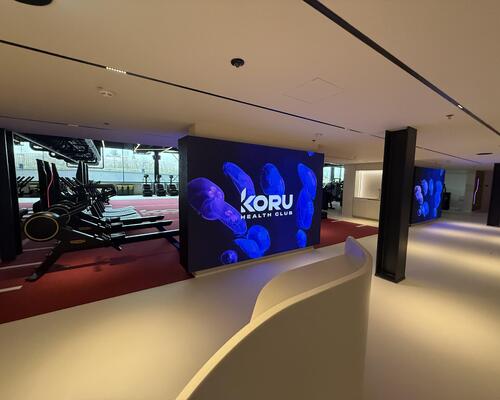
Design-led Koru Health Club combines high-performance training with recovery

Wellness care hospital opens in Vilnius with innovative spa and hospitality concept

Universal and Puy du Fou projects point to rise of Oxford–Cambridge corridor
A proposed Puy du Fou development near Bicester and Universal Destinations and Experiences’ planned resort in Bedford are emerging as part of a wider transformation of the Oxford–Cambridge Growth Corridor into a major centre for UK leisure and tourism investment.
For years, the corridor has been associated primarily with science, technology, housing and university-led economic growth. However, the clustering of large-scale visitor attraction projects along the

All-inclusive eco-wellness development Auko to open near Vietnam’s Son Doong caves