Rafael Aranda, Carme Pigem and Ramon Vilalta win 2017 Pritzker Prize


– Glen Murcutt, Pritzker Prize jury chair
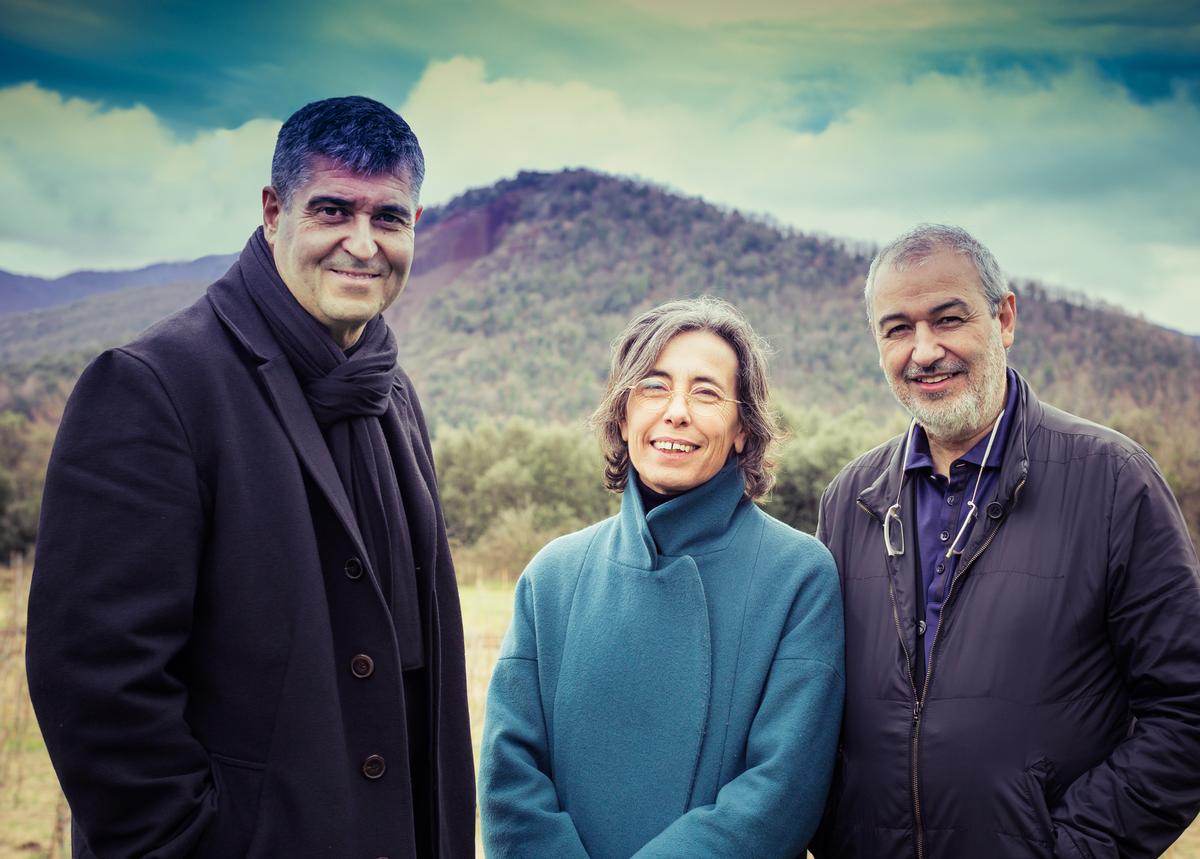
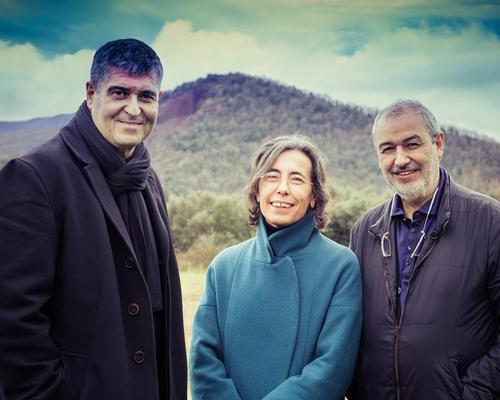
Rafael Aranda, Carme Pigem and Ramon Vilalta have today (1 March) been selected as the winners of the 2017 Pritzker Architecture Prize.
The award – widely regarded as architecture's highest accolade – honours a living architect or architects “whose built work demonstrates a combination of talent, vision, and commitment, and who has produced consistent and significant contributions to humanity and the built environment.”
The three architects, originating from Olot, in the Catalonian region of Spain, have worked together collaboratively since founding their firm RCR Arquitectes in their hometown in 1988.
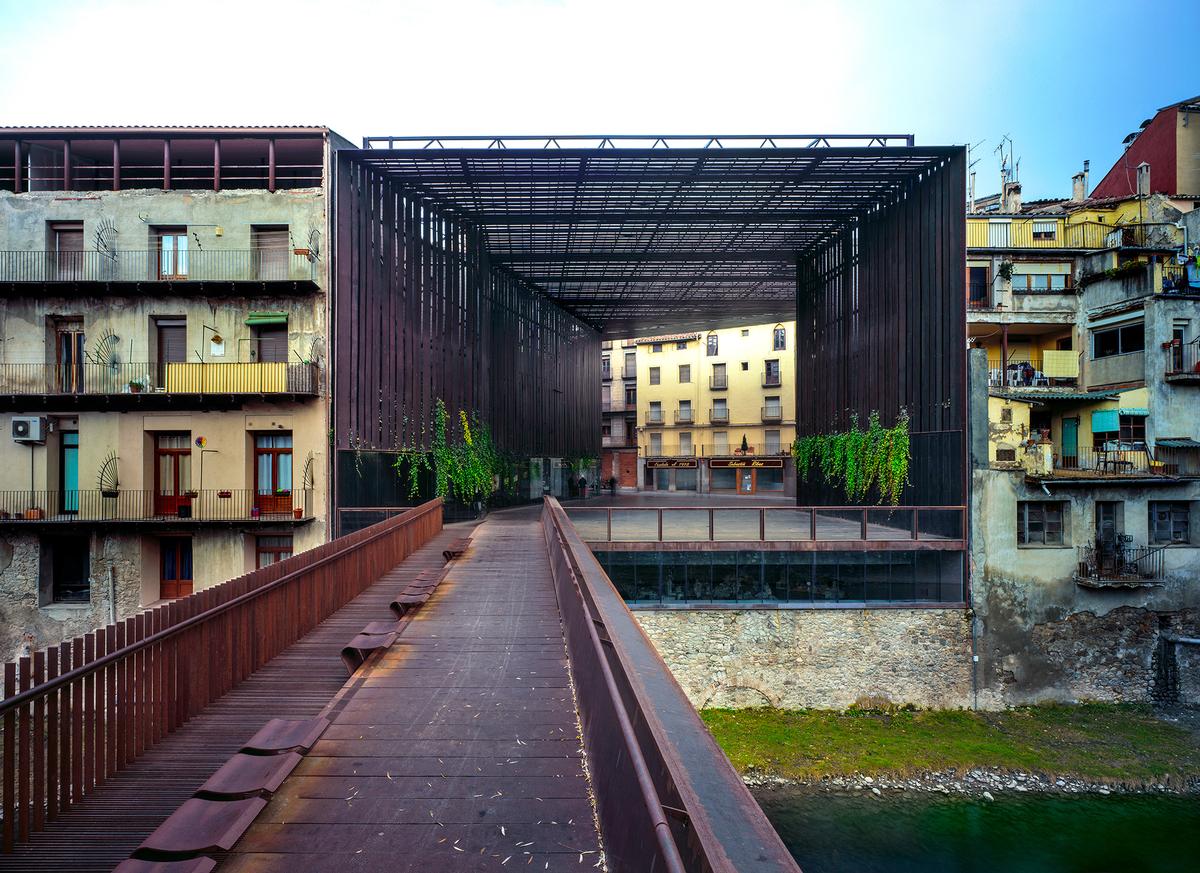
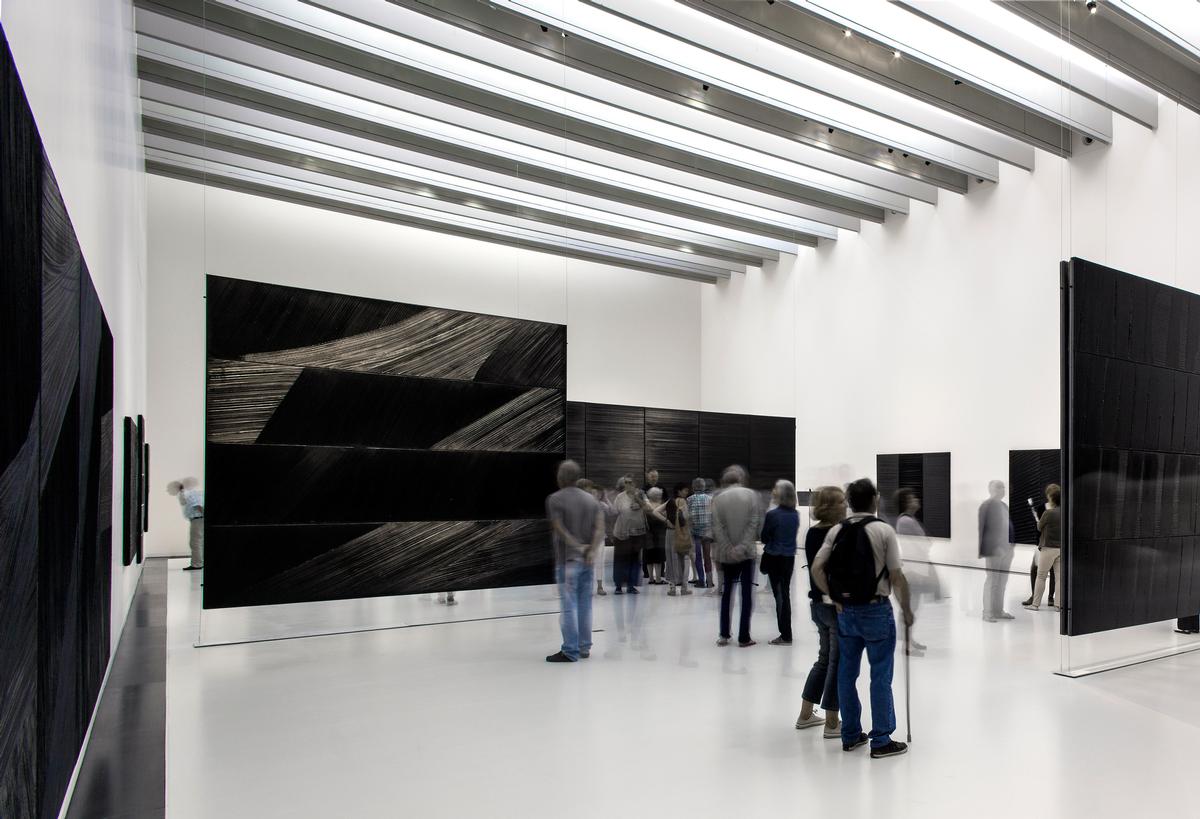
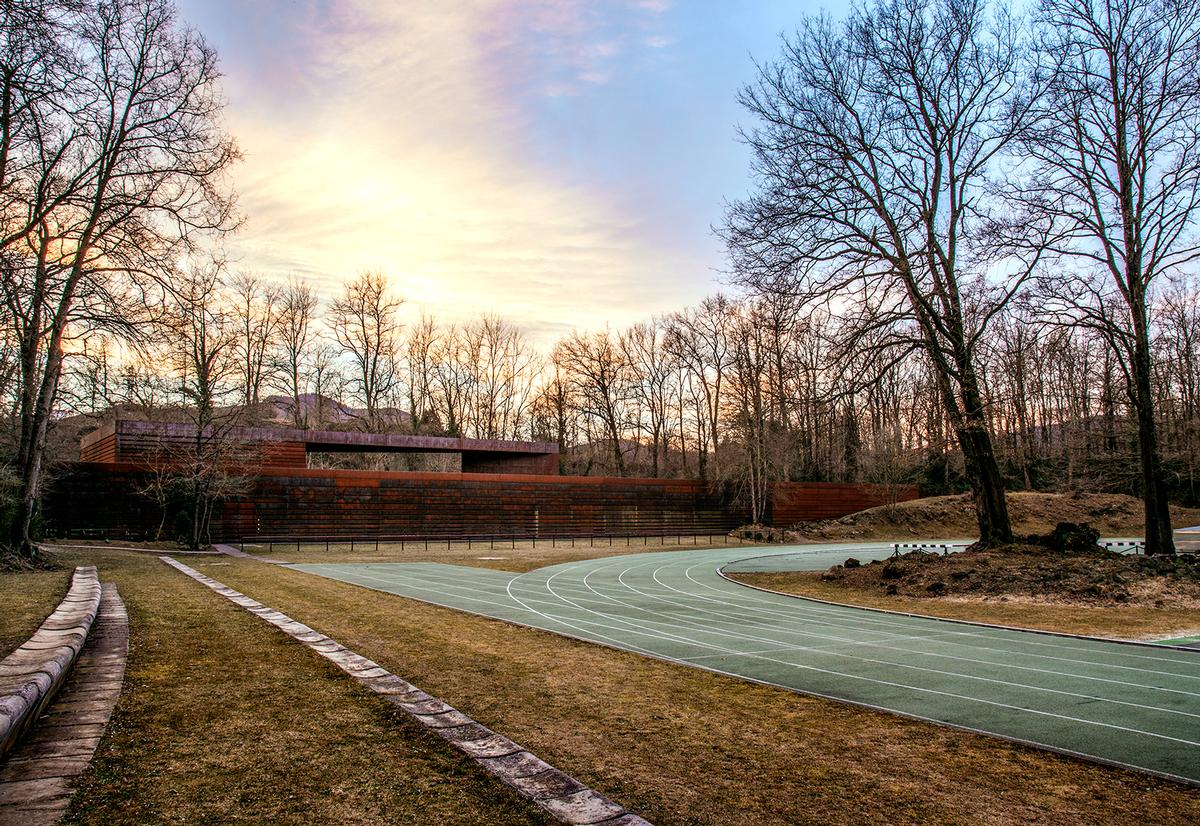
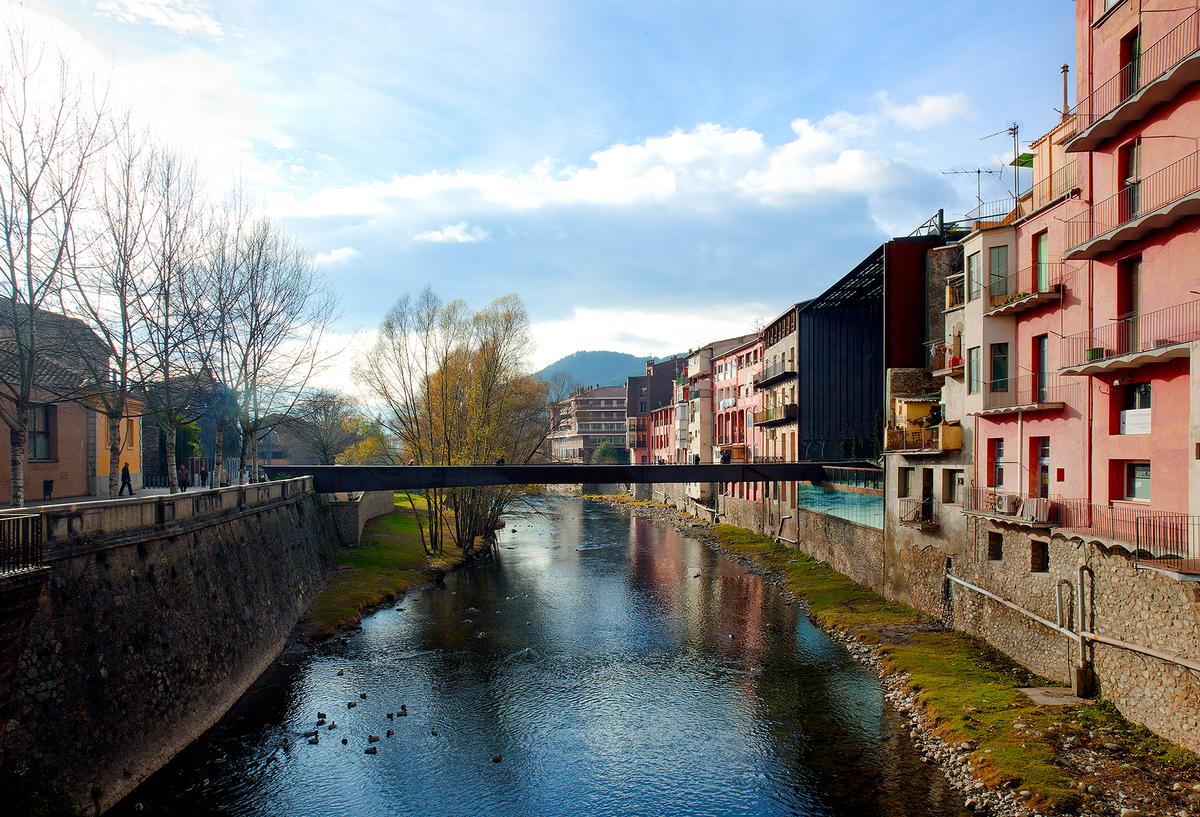
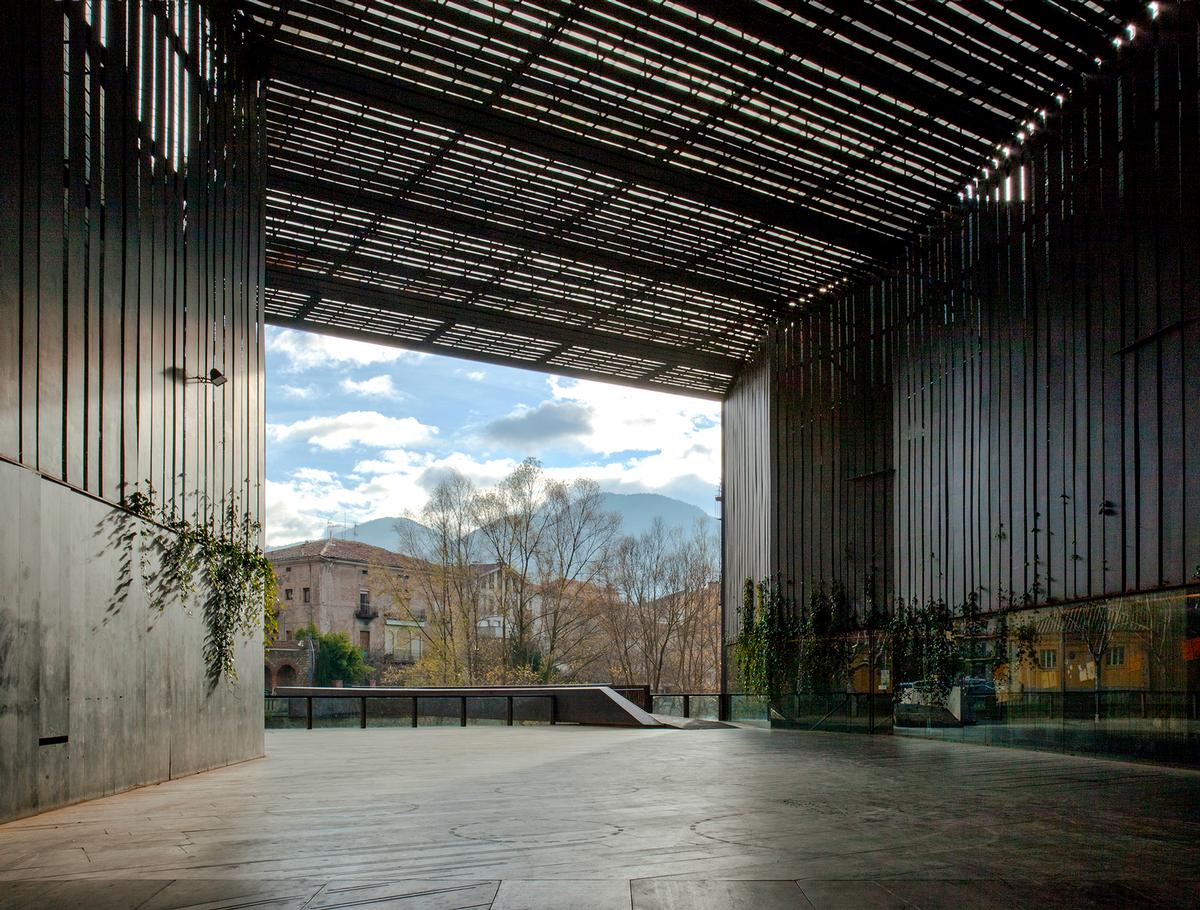
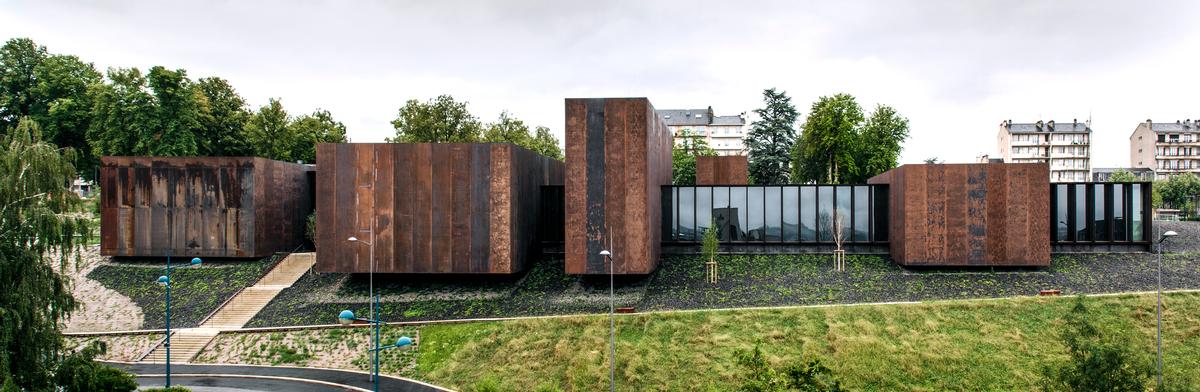
Their notable leisure projects include La Cuisine Art Center (Nègrepelisse, France, 2014), Soulages Museum (Rodez, France, 2014), La Lira Theater Public Open Space (Ripoll, Girona, Spain, 2011), Les Cols restaurant marquee (Olot, Girona, Spain, 2011) and the Tossol-Basil Athletics Track (Olot, Girona, Spain, 2000).
According to the Pritzker judges: “Their work demonstrates an unyielding commitment to place and its narrative, creating spaces that are in discourse with their respective contexts.”
“Harmonising materiality with transparency, Aranda, Pigem and Vilalta seek connections between the exterior and interior, resulting in emotional and experiential architecture,” they added.
This is the first time three architects together have been honoured with the prize. According to the judges, “Their intensely collaborative way of working together, where the creative process, commitment to vision and all responsibilities are shared equally, led to the selection of the three individuals for this year’s award.”
In response to being named the 2017 Laureates of the Pritzker Prize, Pigem said: “It is a great joy and a great responsibility. We are thrilled that this year three professionals, who work closely together in everything we do, are recognised.”
As the winners of the 39th edition of the Prize, it is the second time that laureates hail from Spain, following Rafael Moneo who received the award in 1996.
Tom Pritzker, Chairman of Hyatt Foundation, which sponsors the award, remarked: “Mr. Aranda, Ms. Pigem and Mr. Vilalta have had an impact on the discipline far beyond their immediate area. Their works range from public and private spaces to cultural venues and educational institutions, and their ability to intensely relate the environment specific to each site is a testament to their process and deep integrity.”
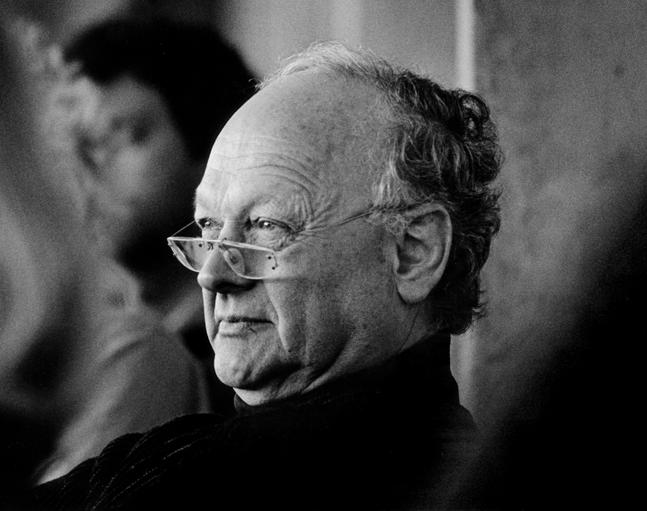
Glenn Murcutt, Jury Chair, added: “They’ve demonstrated that unity of a material can lend such incredible strength and simplicity to a building. The collaboration of these three architects produces uncompromising architecture of a poetic level, representing timeless work that reflects great respect for the past, while projecting clarity that is of the present and the future.”
The trio will receive US$100,000 (€94,800, £81,200) in prize money and the famous Pritzker bronze medal.
Nominations for candidates were accepted internationally from past laureates, architects, academics, critics and politicians. The list was then judged by the Pritzker jury.
The prize was founded in 1979 by the Pritzker family. Previous winners include Shigeru Ban, Toyo Ito, Richard Rodgers, Jean Nouvel, Zaha Hadid, Renzo Piano, Norman Foster and James Stirling.
This year, the Pritzker Prize ceremony will take place at the State Guest House, Akasaka Palace in Tokyo, Japan, on May 20, 2017.
In addition to Murcutt, the 2002 Pritzker Laureate, the jury included US Supreme Court Justice Stephen Breyer, curator Lord Palumbo, and architects Yung Ho Chang, Benedetta Tagliabue and Richard Rogers.
Rafael Aranda, Carme Pigem and Ramon Vilalta, three architects who have worked closely together for almost 30 years in a deliberate and thoughtful approach to architecture are recognised with the 2017 Pritzker Architecture Prize. Their works admirably and poetically fulfil the traditional requirements of architecture for physical and spatial beauty along with function and craftsmanship, but what sets them apart is their approach that creates buildings and places that are both local and universal at the same time. They established their office, called RCR for their three first names, in Olot, their hometown in the Catalonian region in the northeast of Spain, resisting the call of the metropolis in favour of remaining closely connected to their roots. The process they have developed is a true collaboration in which neither a part nor whole of a project can be attributed to one partner. Their creative approach is a constant intermingling of ideas and continuous dialogue.
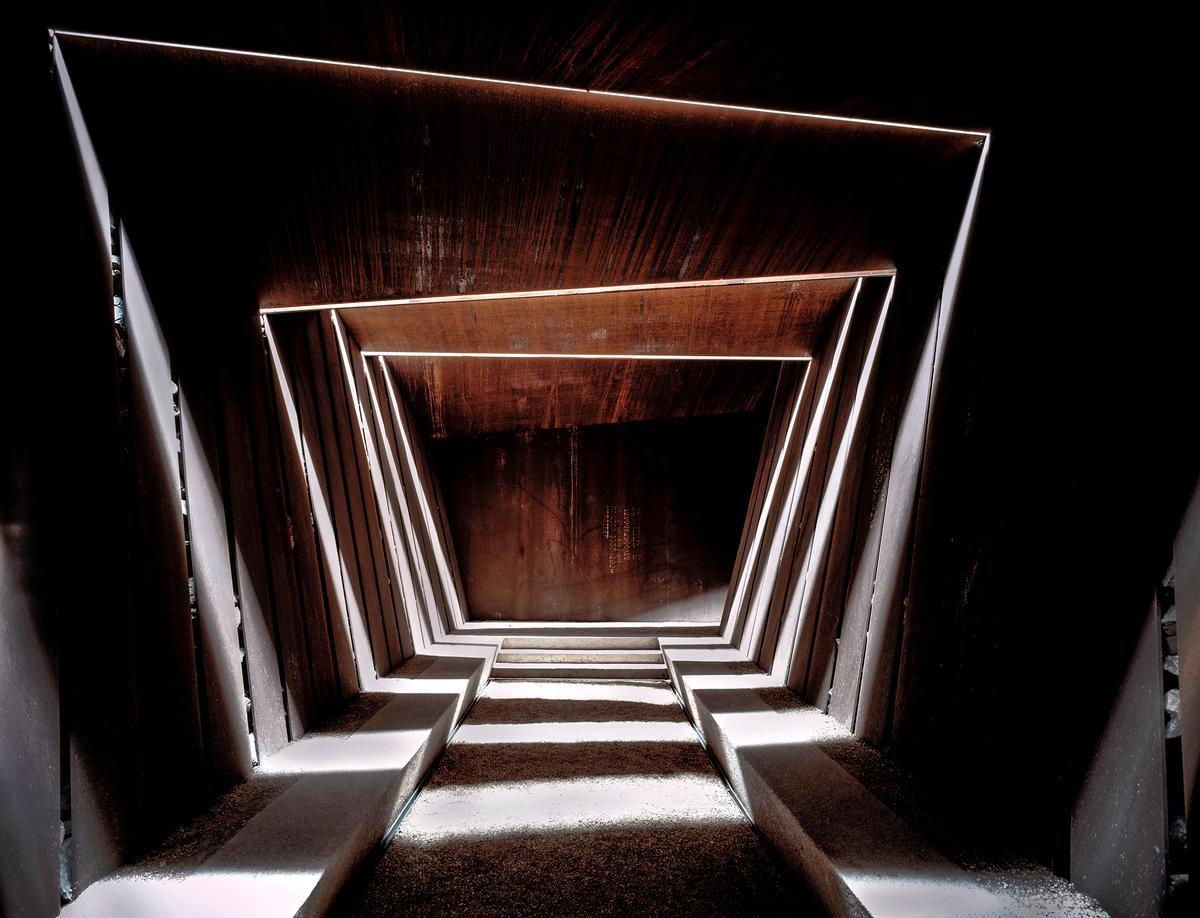
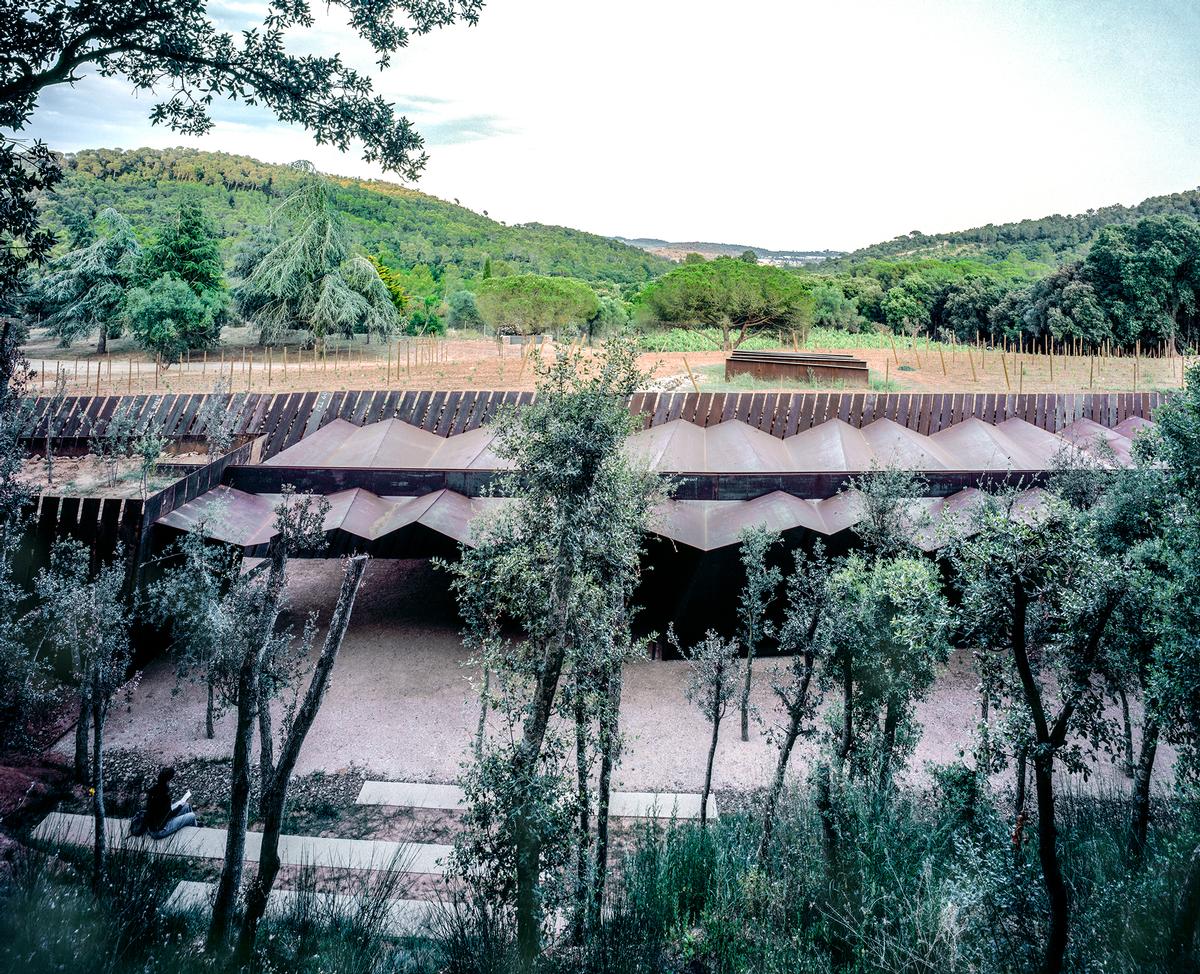
All their works have a strong sense of place and are powerfully connected to the surrounding landscape. This connection comes from understanding – history, the natural topography, customs and cultures, among other things – and observing and experiencing light, shade, colours and the seasons. The siting of buildings, the choice of materials and the geometries used are always intended to highlight the natural conditions and pull them into the building. The Bell-Lloc Winery (2007), in the town of Palamós, near Girona, Spain, for example, a building embedded in the ground, is about the soil that produces the grapes, the cool dark cellars needed for the ageing of wine and the colour and weight of the earth. The extensive use of recycled steel fuses the building with the earth and the openings between the steel slats allow in hints of light.
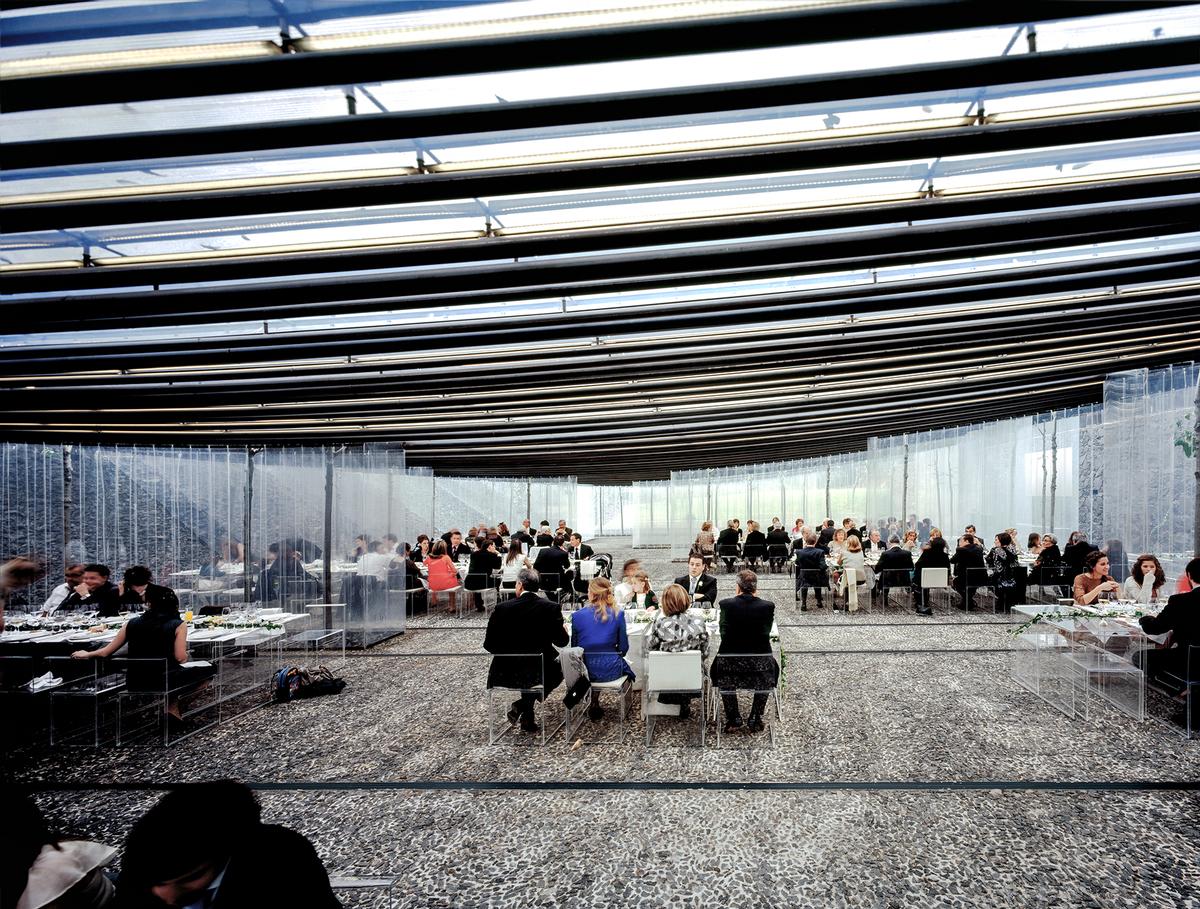
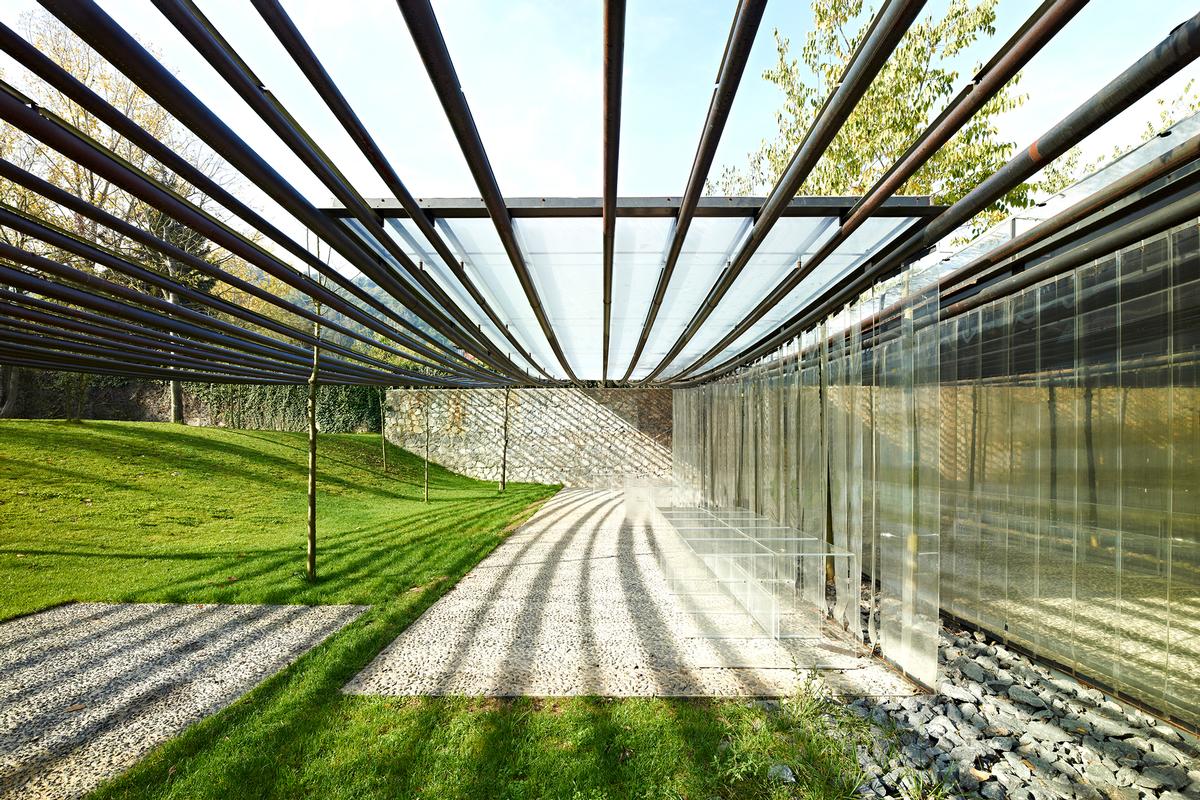
The marquee (2011) creating an outdoor dining and event space at Les Cols Restaurant in Olot is another example of the fusion of landscape and minimal modern materials to create a useful and popular venue. Some have said that they are reminded of places for countryside meals with family and friends. The space fits into a valley carved out in the landscape by the architects. Strong walls of volcanic stone support a light weight and transparent polymer roof to protect against rain and sun. The furniture and vertical hanging blinds that can sub-divide the space are also of clear plastic, which puts the emphasis on food, festivities and the natural setting.
In other works, such as their own office (2007), a former foundry built at the beginning of the 20th century, the juxtaposition of past and present is undertaken in a most thoughtful, clear and respectful way. Just as exterior and interior are closely intertwined in their works, so are new and old. All of the original industrial building that could remain, was left “as is”. By adding new elements only where needed and in contrasting materials, the architects demonstrate their love for both tradition and innovation. The resulting building, which they call Barberí Laboratory, is comprised of varied, flexible and highly functional spaces. While Rafael Aranda, Carme Pigem and Ramon Vilalta have a deep sense and knowledge of history, they use materials and modern construction to create spaces that could not have been created before.
Community is another word that comes to mind when speaking of the work of Aranda, Pigem and Vilalta. Both in the bright and colorful nursery school in Besalú, Girona, El Petit Comte Kindergarten (2010) and the Sant Antoni – Joan Oliver Library, Senior Citizens Center and Cándida Pérez Gardens in Barcelona (2007), those who will inhabit the buildings are at the forefront of their concerns. It is obvious when seeing the rainbow colors of the tubes that define the exterior of the school that this is for children’s enjoyment, creativity, and fantasy. The library, a commission won through a competition, as are many of RCR’s projects, is situated within the fabric of an existing city block, is a needed amenity in this busy part of Barcelona. Visitors are welcomed into the library. The richness and variety of spaces invite exploration and are casual enough to create a relaxed and friendly atmosphere. The library also acts as a gateway to an interior courtyard. The senior citizens center looks onto this space where children, library goers, neighbors and seniors can mingle.
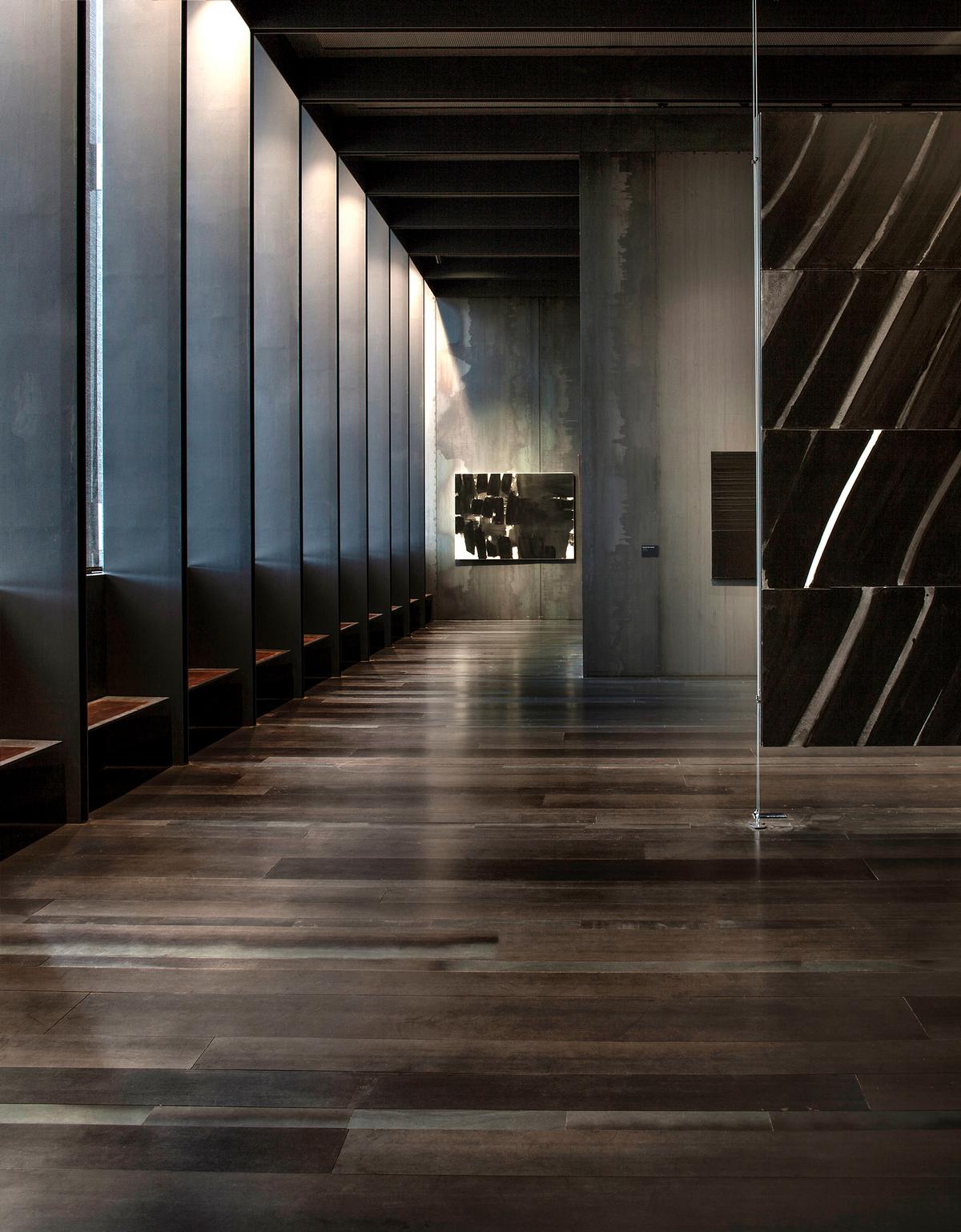
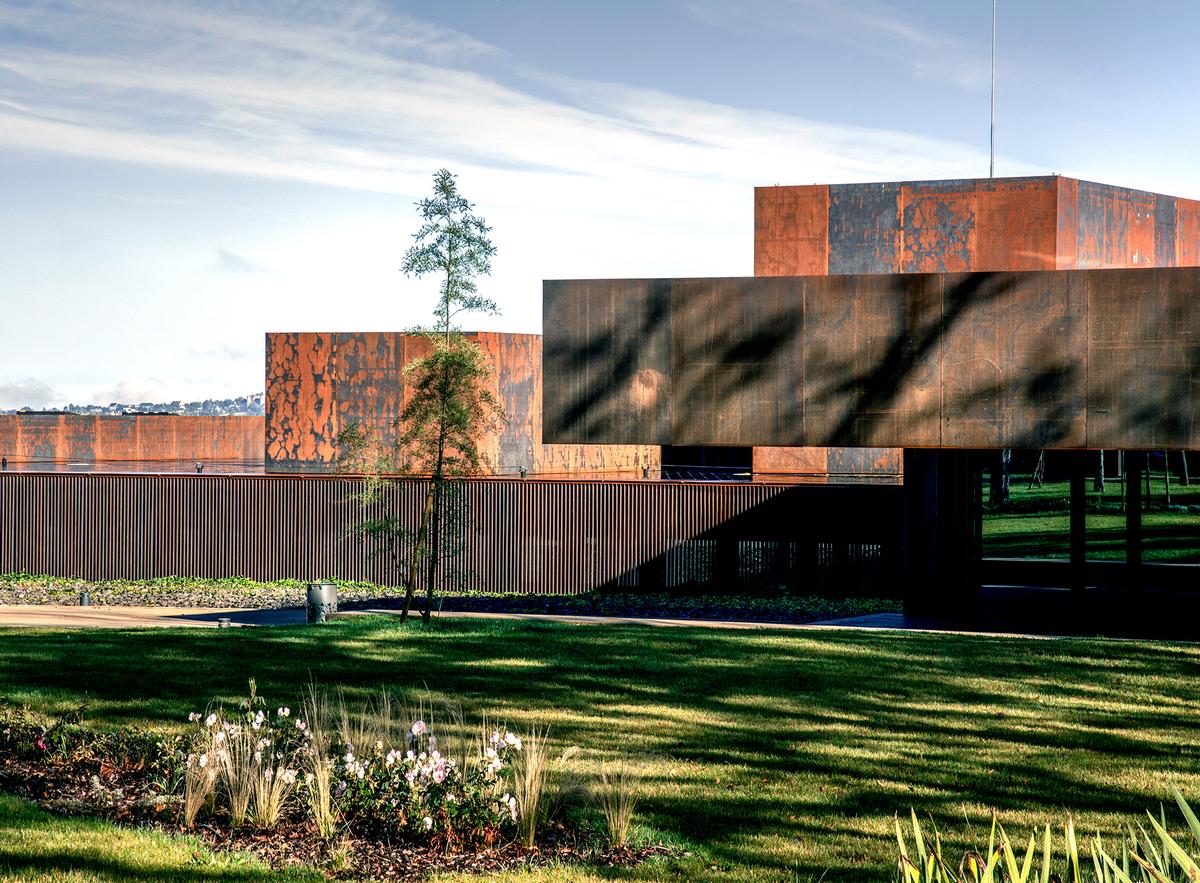
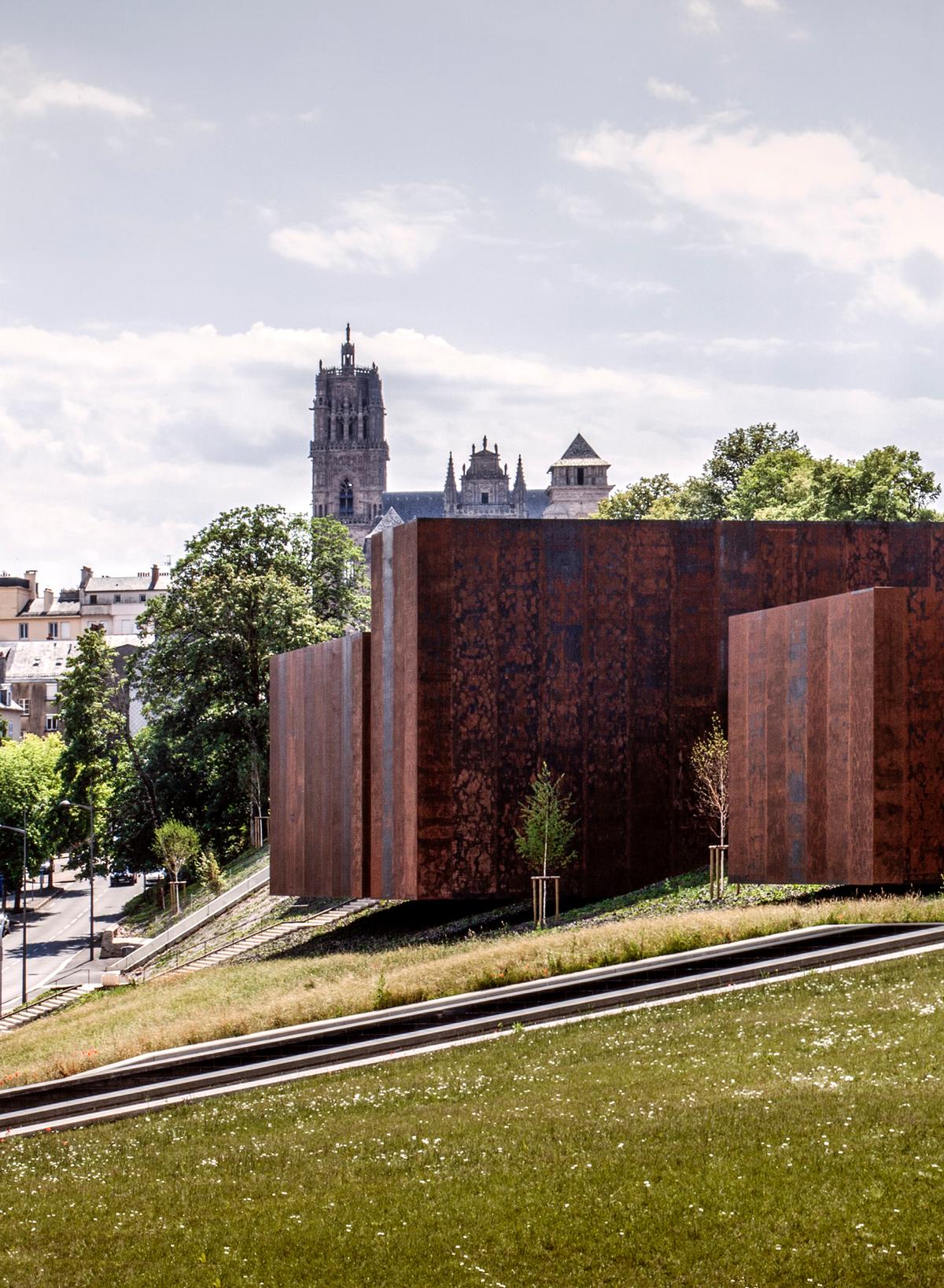
The architects have also tackled important works outside their home in Catalonia. They have built in Belgium and France. The Soulages Museum (2014) in Rodez, France, for example, houses the works of the abstract painter Pierre Soulages and forms a symbiosis with the artist, who seems to paint with light. This building of steel and strong geometric shapes cantilevers over the site, seeming to defy gravity and like many of their other works is in dialogue with the landscape. The architects have sought to create “a space that is as close to nature as possible, enhancing our sense that we are part of it.”
In this day and age, there is an important question that people all over the world are asking, and it is not just about architecture; it is about law, politics, and government as well. We live in a globalized world where we must rely on international influences, trade, discussion, transactions, etc. But more and more people fear that, because of this international influence, we will lose our local values, our local art, and our local customs. They are concerned and sometimes frightened. Rafael Aranda, Carme Pigem and Ramon Vilalta tell us that it may be possible to have both. They help us to see, in a most beautiful and poetic way, that the answer to the question is not ‘either/or’ and that we can, at least in architecture, aspire to have both; our roots firmly in place and our arms outstretched to the rest of the world. And that is such a wonderfully reassuring answer, particularly if it applies in other areas of modern human life as well.
Each building designed by these architects is special and is uncompromisingly of its time and place. Their works are always the fruit of true collaboration and at the service of the community. They understand that architecture and its surroundings are intimately intertwined and know that the choice of materials and the craft of building are powerful tools for creating lasting and meaningful spaces. For these reasons, exemplified in all their built work, and for their ability to express the local, but also the universal, uniting us with one another through architecture, Rafael Aranda, Carme Pigem and Ramon Vilalta are awarded the 2017 Pritzker Architecture Prize.

Wellness care hospital opens in Vilnius with innovative spa and hospitality concept

Universal and Puy du Fou projects point to rise of Oxford–Cambridge corridor
A proposed Puy du Fou development near Bicester and Universal Destinations and Experiences’ planned resort in Bedford are emerging as part of a wider transformation of the Oxford–Cambridge Growth Corridor into a major centre for UK leisure and tourism investment.
For years, the corridor has been associated primarily with science, technology, housing and university-led economic growth. However, the clustering of large-scale visitor attraction projects along the
All-inclusive eco-wellness development Auko to open near Vietnam’s Son Doong caves
Shedd Aquarium upgrades its visitor experience with new Immersion Theater
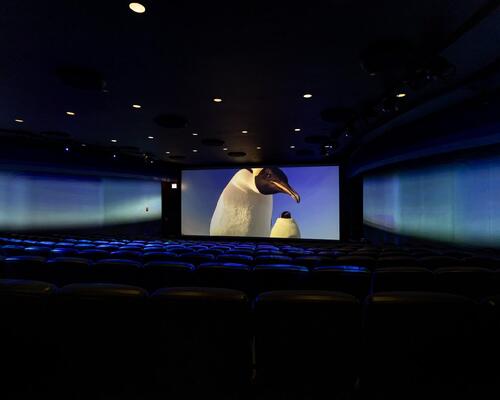
Shedd Aquarium has opened the Immersion Theater developed in partnership with SimEx-Iwerks, as part of a wider strategy to enhance the guest experience and create additional revenue opportunities.
The attraction has transformed the aquarium’s Phelps Auditorium into a multi-sensory venue combining panoramic projection, environmental effects and interactive technology.
A new pre-show area allows visitors to engage with augmented reality marine animals before entering the
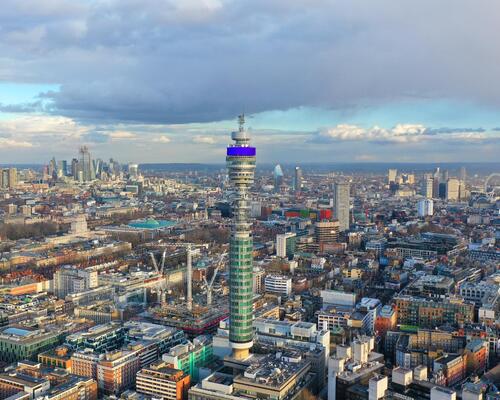
MCR is planning a luxury hotel for London's BT Tower

Joy as a radical act: Yinka Ilori launches solo exhibition celebrating the rebellious power of spreading happiness

Work gets underway on Madrid's €800 million leisure complex
Work is underway in Madrid on one of Europe’s most significant multi-functional complexes, combining sport, entertainment, culture and education.
The €800 million initiative to regenerate the former Olympic Aquatic Centre in the north-east of the city, next to the Riyadh Air Metropolitano stadium, is being led by Barsento – a joint venture between Live Nation Entertainment, Oak View Group and Atlético de Madrid. The project will
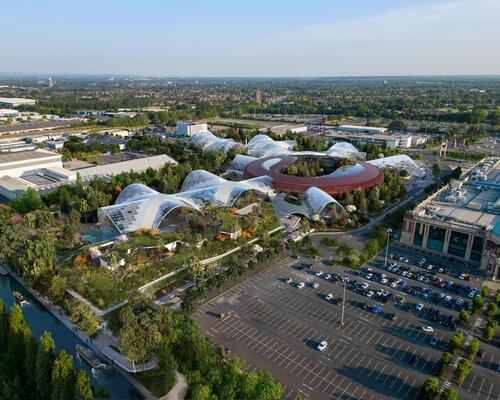
Therme Manchester reveals 90:90 strategy – 90 per cent of the UK population within a 90-minute drive of a Therme

Four Seasons’ Naples Beach Club opens 2,800sq m Sanctuary spa inspired by indigenous Calusa people
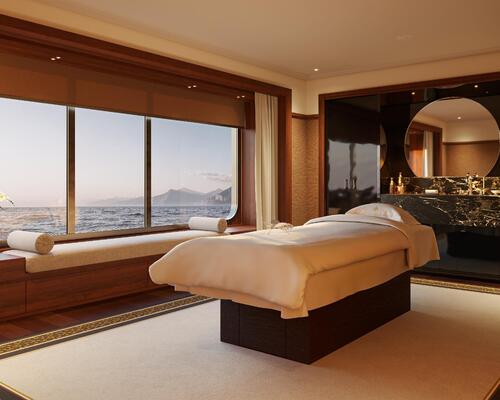
Orient Express Corinthian to host Ocean Rebirth wellness retreat in collaboration with Guerlain
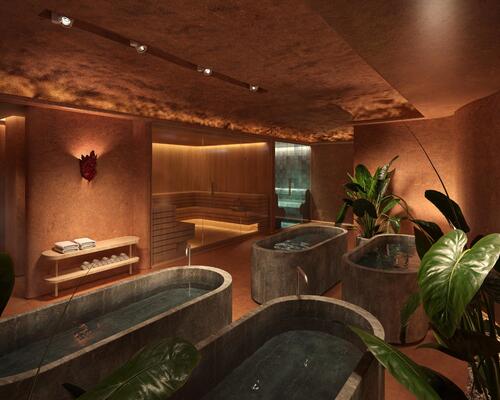
Famed London nightclub, Tramp, launches Tramp Health
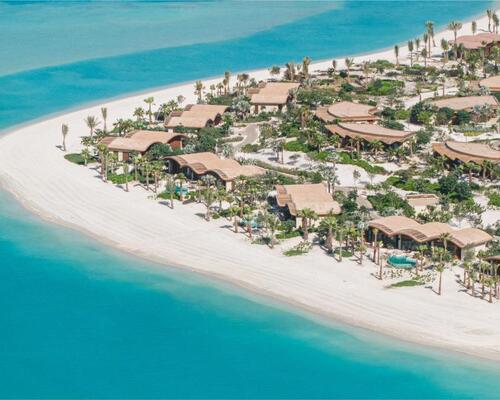
First look: Miraval opens on the Red Sea in Saudi Arabia

Hainan Science Museum by Ma Yansong, opens in China
A new science museum has opened to the public in Haikou after attracting more than 350,000 visitors during a four-month soft opening period.
Designed by Ma Yansong and his practice MAD Architects, the Hainan Science Museum is located on the edge of Wuyuan River National Wetland Park and has already recorded peak attendance of more than 5,800 visitors in a single day.
Commissioned by
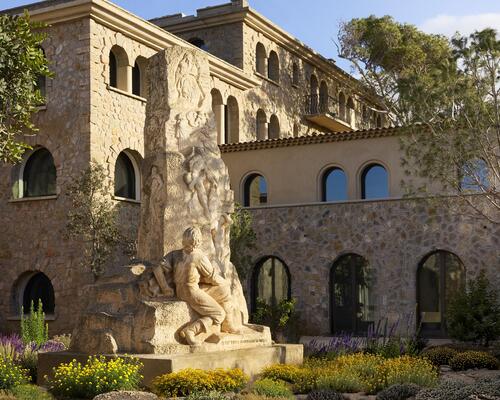
Zannier Île De Bendor launches with design by Hardel Le Bihan Architectes
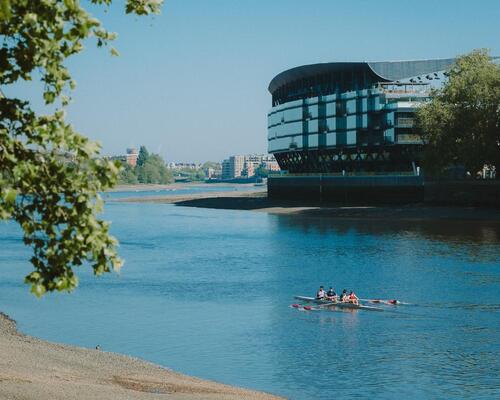
Sæl Spa readies for launch in London: “a modern British sanctuary”
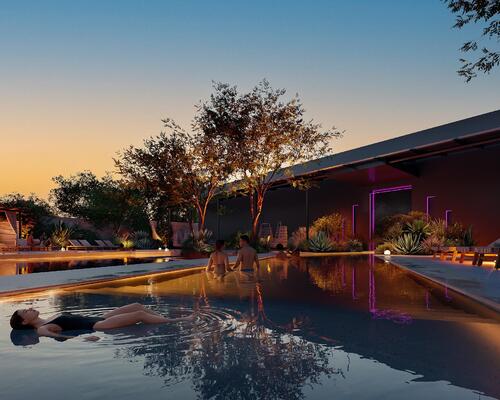
Immersive art bathhouse Submersive announces debut location in Austin

Construction begins on regenerative wellness destination The Shenandoah Nature Resort

Royal Caribbean reveals record-breaking cruise ship
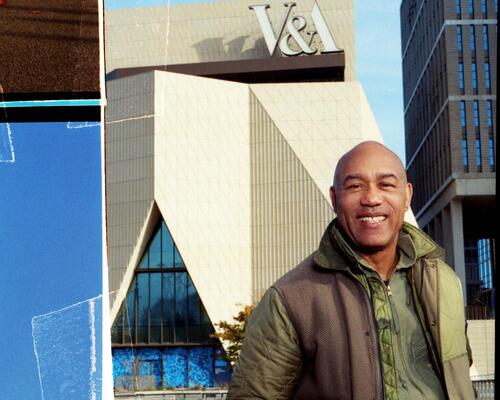
V&A East opens in London
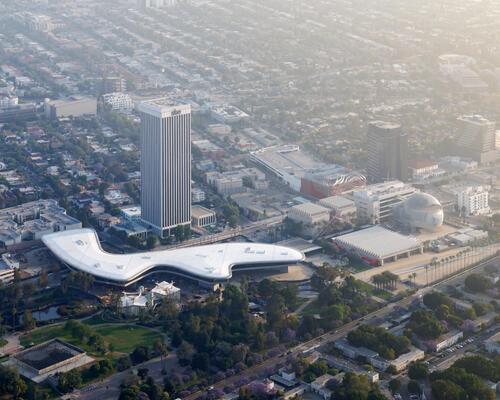
David Geffen galleries open at LACMA

New venue The Lands by Capella includes a longevity centre to complement sister hotel Capella Sydney

World of Frozen launches at Disneyland Paris
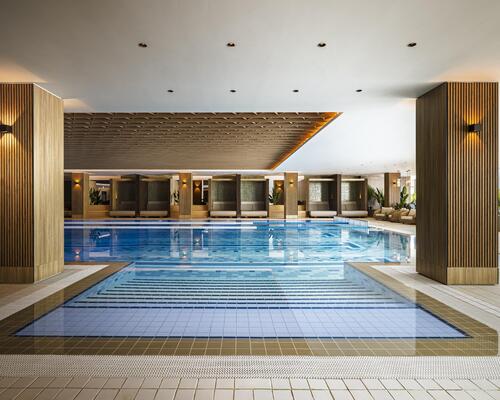
Pical Resort by Valamar reveals first Croatian spa under the ESPA brand

Mandarin Oriental creates end-to-end Egyptian journey with two new hotels and first-ever luxury river cruise

Designers Mendil + Meyer launch new division called Lām Concepts for strategic wellness projects
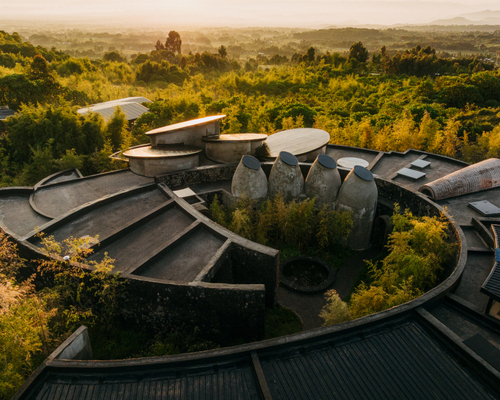
Wilderness Bisate in Rwanda reveals brand’s second Sanctuary spa
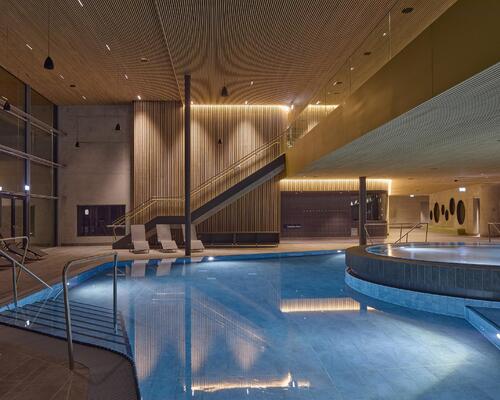
4a Architekten shares details of wellness extension at Salinarium Bad Dürkheim Thermal Spa

BodyHoliday plans 10-15 locations in the next 15 years
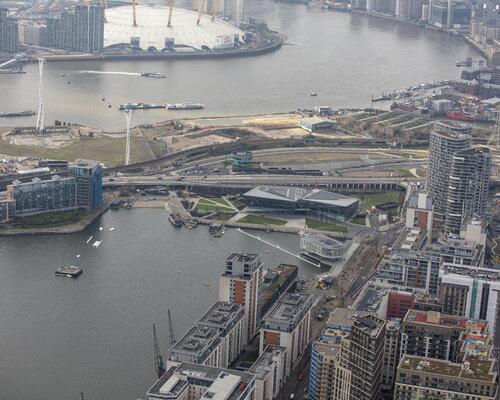
Floating wellbeing destination planned for London’s Royal Docks
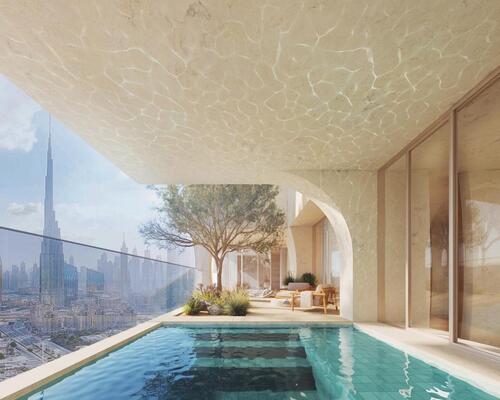
Aman Group to open second Janu in Dubai with inaugural Janu Club

















Designed to restore neglected land and renew the identity of Iraq’s capital city, Baghdad Sustainable Forests promises a new way of living surrounded by nature. Gensler’s Ian Mulcahay tells us why he thinks the project could become a model for the repair and enhancement of urban centres