Wellness real estate market nearly doubles between 2017-2020, finds new GWI research
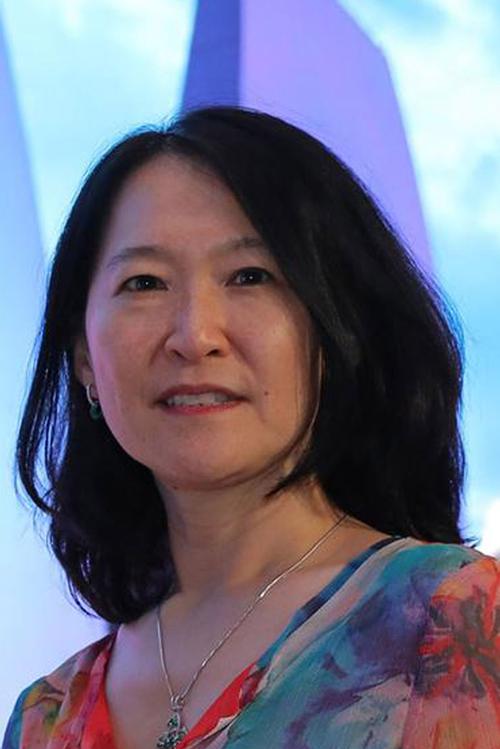
– Ophelia Yeung
From 2017-2020, the global wellness real estate market expanded from US$148bn (€126bn,£109bn) to US$275bn (€235bn, £203bn).
These figures were released today (28 September) in the Global Wellness Institute’s (GWI) new study, called Wellness Real Estate: Looking Beyond COVID-19.
The GWI defines wellness real estate as the construction of residential and commercial/institutional properties that incorporate intentional wellness elements into their design, materials and building, as well as their amenities, services and/or programming.
The report provides market data and growth rates for both 2017-2019 and 2019-2020 – to capture 'the pandemic effect' – for every global region and the top 20 national markets, as well as forecasting key shifts that will define the market post-COVID.
Key findings
- The wellness real estate sector still continued to grow 22 per cent during 2020, despite the pandemic and overall construction shrinking by -2.5 per cent.
- Wellness real estate is heavily concentrated in North America, Asia-Pacific and Europe. Each market clocked exponential recent growth, with the North American and Asian markets nearly doubling from 2017-2020.
- The US, China, Australia, UK, Japan, France and Germany account for 82 per cent of the wellness real estate market. The US and China alone comprise roughly 60 per cent.
- Japan (360 per cent) and Canada (240 per cent) exhibited standout growth in the sector between 2017 and 2020.
- The US, China, UK, France, Netherlands, Denmark, Switzerland, Singapore, Norway, Italy and Finland nearly all doubled their markets.
- International wellness residential projects grew from 740 in 2017 to an estimated 2,300+ today.
These research highlights were presented at the GWI’s inaugural Wellness Real Estate & Communities Symposium.
The event brought together investors, developers, architects, designers and medical experts to discuss the future of this market. Learn more here about accessing the full day of presentations and research packages.
“Just three years ago, wellness real estate was a concept not well understood by consumers, builders, developers or investors, but we predicted demand would soon hit like a tsunami,” said Ophelia Yeung, GWI senior research fellow and report co-author, “that moment has arrived.”
“The pandemic has driven the idea of ‘building for human health’ into the mainstream consumer consciousness, and the recent market growth far exceeded our predictions, as well as general economic growth trends.”
The GWI first defined and measured this sector in its 2018 Build Well to Live Well report.
“So many macro forces – our fast-ageing world, our stress and loneliness crises, the rise of remote work and a consumer demanding more sustainable living – means the growth trajectory for wellness homes and building design will only rise,” said Katherine Johnston, GWI senior research fellow and report co-author.
“But COVID-19 forced us to see our homes and built environment in a radically new light, as the protectors and enablers of our very health and wellbeing.
“Wellness real estate is now quickly moving from elective to essential.”
Wellness real estate Global Wellness Institute GWI Ophelia Yeung Katherine JohnstonReport: Leisure shift drives wellness real estate during the pandemic
Global Wellness Institute launches new initiative to bring healthy habits and wellness into the classroom
GWI refreshes UN Sustainable Development Goals initiative with new leadership appointments
First 1000 Day of Wellness to unveil conception wellness training led by Christine Clinton and Joanne Berry
World Sleep Day: GWI launches Sleep Initiative to uncover secrets of truly restorative sleep
BIG unveils Eve Music Hall as Croatia venue nears completion


Bob Rogers hands BRC to long-serving leadership team

Wellness care hospital opens in Vilnius with innovative spa and hospitality concept

Universal and Puy du Fou projects point to rise of Oxford–Cambridge corridor
A proposed Puy du Fou development near Bicester and Universal Destinations and Experiences’ planned resort in Bedford are emerging as part of a wider transformation of the Oxford–Cambridge Growth Corridor into a major centre for UK leisure and tourism investment.
For years, the corridor has been associated primarily with science, technology, housing and university-led economic growth. However, the clustering of large-scale visitor attraction projects along the
All-inclusive eco-wellness development Auko to open near Vietnam’s Son Doong caves
Shedd Aquarium upgrades its visitor experience with new Immersion Theater
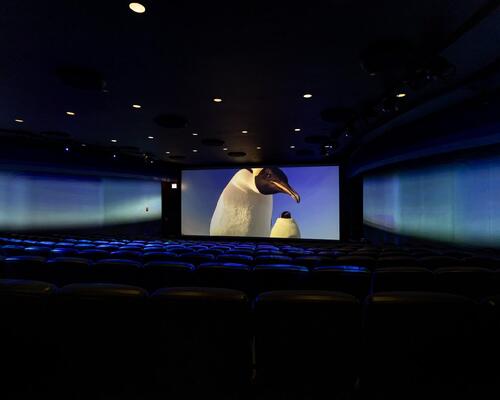
Shedd Aquarium has opened the Immersion Theater developed in partnership with SimEx-Iwerks, as part of a wider strategy to enhance the guest experience and create additional revenue opportunities.
The attraction has transformed the aquarium’s Phelps Auditorium into a multi-sensory venue combining panoramic projection, environmental effects and interactive technology.
A new pre-show area allows visitors to engage with augmented reality marine animals before entering the
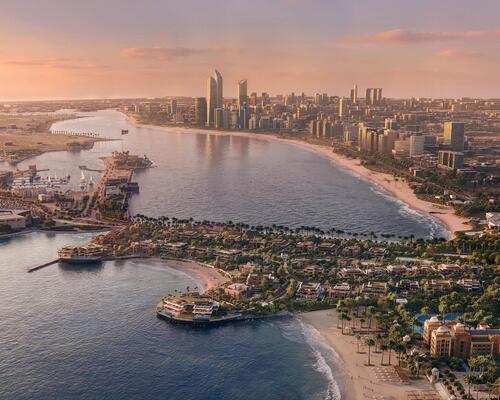
Mandarin Oriental announces standalone Mansions-branded residences for Abu Dhabi
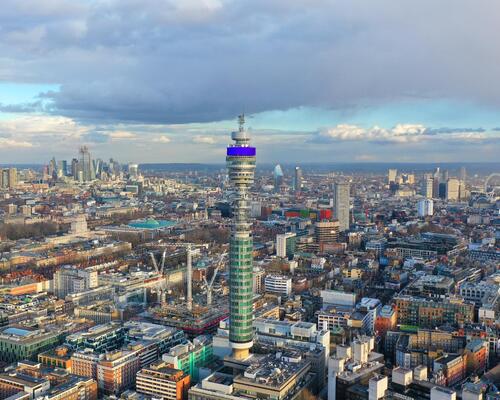
MCR is planning a luxury hotel for London's BT Tower
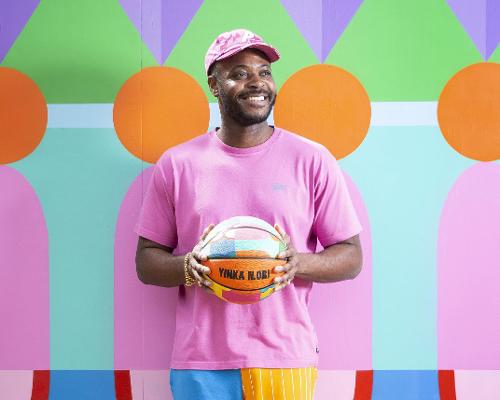
Joy as a radical act: Yinka Ilori launches solo exhibition celebrating the rebellious power of spreading happiness

Work gets underway on Madrid's €800 million leisure complex
Work is underway in Madrid on one of Europe’s most significant multi-functional complexes, combining sport, entertainment, culture and education.
The €800 million initiative to regenerate the former Olympic Aquatic Centre in the north-east of the city, next to the Riyadh Air Metropolitano stadium, is being led by Barsento – a joint venture between Live Nation Entertainment, Oak View Group and Atlético de Madrid. The project will
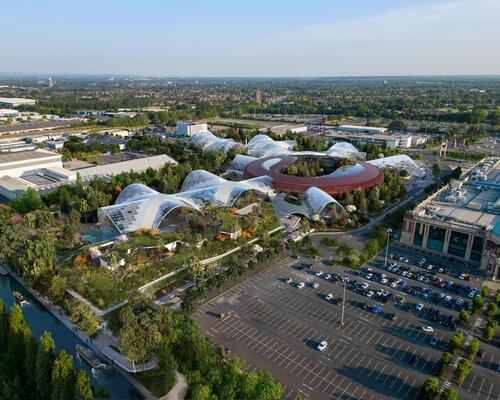
Therme Manchester reveals 90:90 strategy – 90 per cent of the UK population within a 90-minute drive of a Therme

Four Seasons’ Naples Beach Club opens 2,800sq m Sanctuary spa inspired by indigenous Calusa people
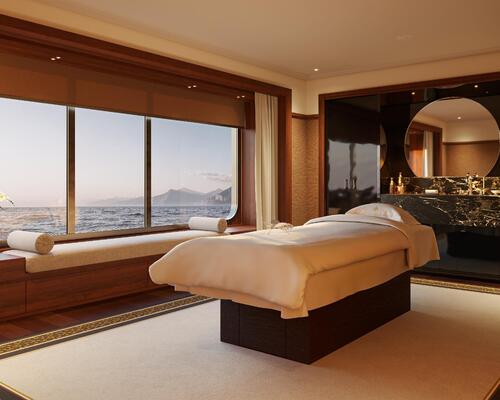
Orient Express Corinthian to host Ocean Rebirth wellness retreat in collaboration with Guerlain
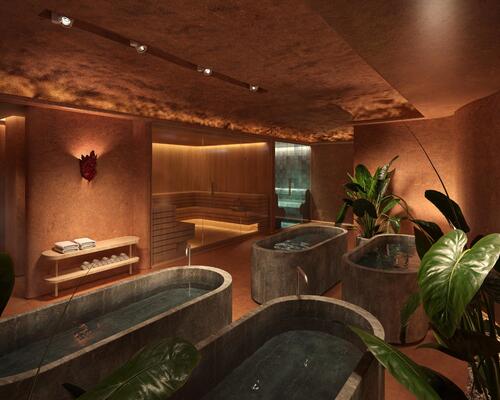
Famed London nightclub, Tramp, launches Tramp Health
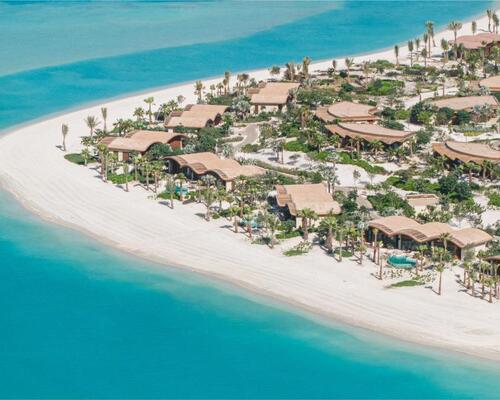
First look: Miraval opens on the Red Sea in Saudi Arabia

Hainan Science Museum by Ma Yansong, opens in China
A new science museum has opened to the public in Haikou after attracting more than 350,000 visitors during a four-month soft opening period.
Designed by Ma Yansong and his practice MAD Architects, the Hainan Science Museum is located on the edge of Wuyuan River National Wetland Park and has already recorded peak attendance of more than 5,800 visitors in a single day.
Commissioned by
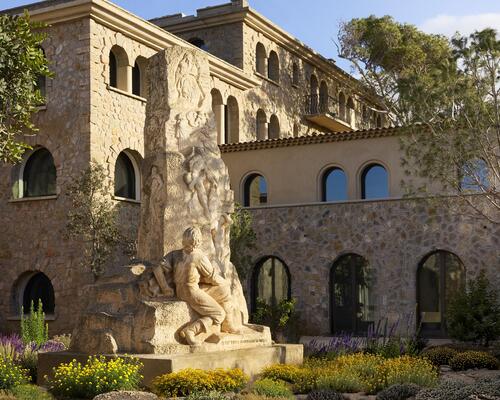
Zannier Île De Bendor launches with design by Hardel Le Bihan Architectes
Sæl Spa readies for launch in London: “a modern British sanctuary”
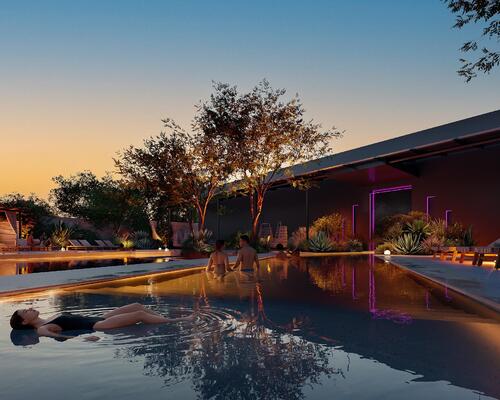
Immersive art bathhouse Submersive announces debut location in Austin

Construction begins on regenerative wellness destination The Shenandoah Nature Resort

Royal Caribbean reveals record-breaking cruise ship
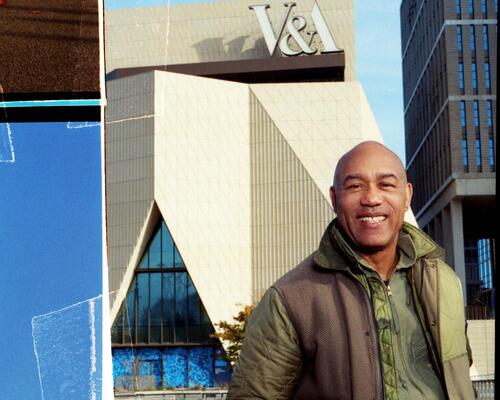
V&A East opens in London
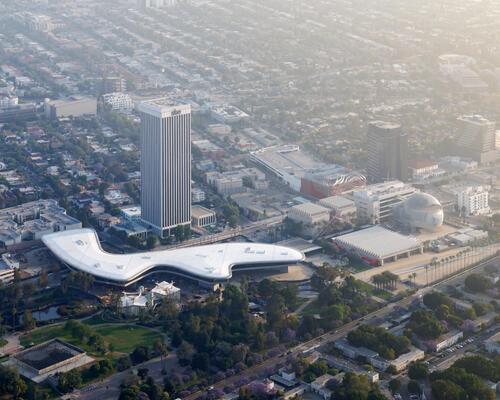
David Geffen galleries open at LACMA

New venue The Lands by Capella includes a longevity centre to complement sister hotel Capella Sydney

World of Frozen launches at Disneyland Paris
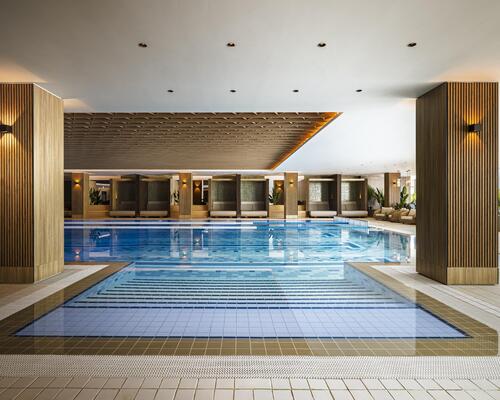
Pical Resort by Valamar reveals first Croatian spa under the ESPA brand

Mandarin Oriental creates end-to-end Egyptian journey with two new hotels and first-ever luxury river cruise

Designers Mendil + Meyer launch new division called Lām Concepts for strategic wellness projects
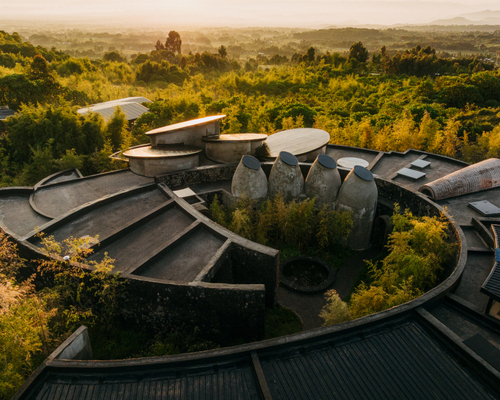
Wilderness Bisate in Rwanda reveals brand’s second Sanctuary spa
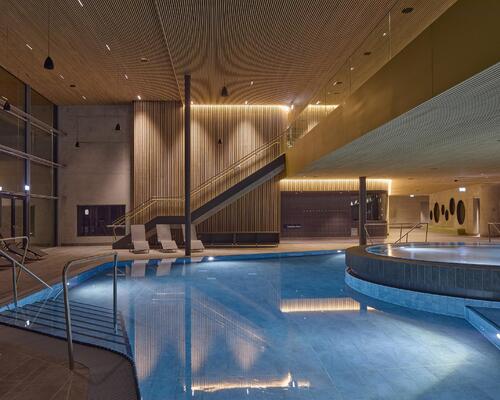
4a Architekten shares details of wellness extension at Salinarium Bad Dürkheim Thermal Spa















Designed to restore neglected land and renew the identity of Iraq’s capital city, Baghdad Sustainable Forests promises a new way of living surrounded by nature. Gensler’s Ian Mulcahay tells us why he thinks the project could become a model for the repair and enhancement of urban centres