Playgrounds
The power of play
From a play pavilion that uses algae to filter polluted air to a giant owl that lets children put on shows in its belly, we check out some inspiring playgrounds from around the world



Warsaw, Poland
Design: EcoLogic
According to the World Health Organisation (WHO), air pollution is the biggest global health threat, and children are particularly susceptible to its effects.
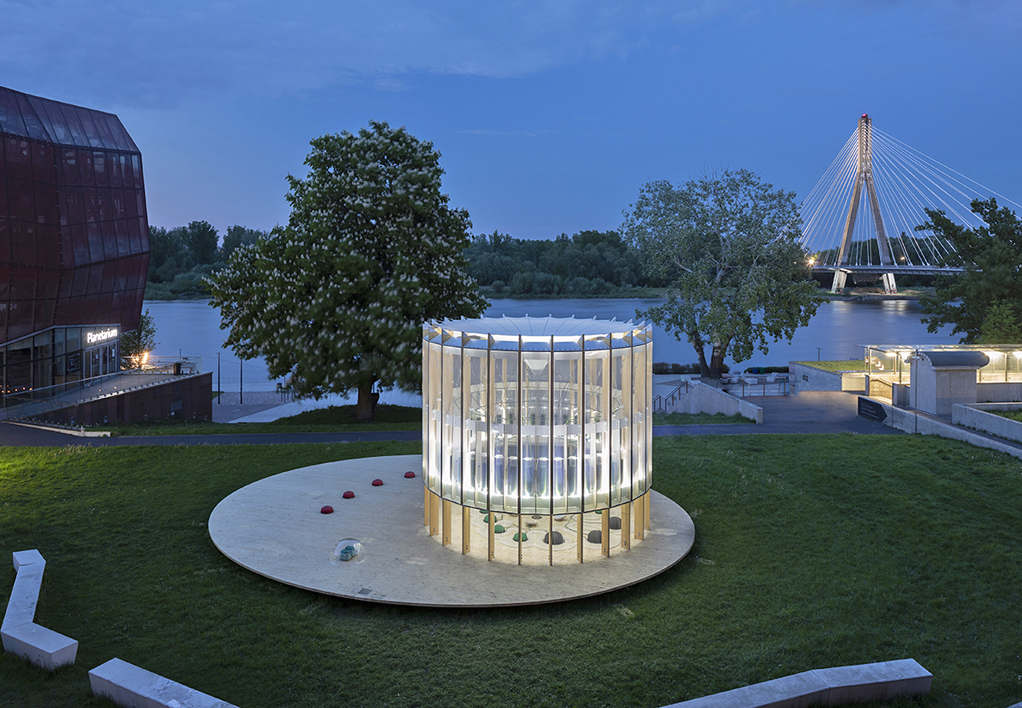
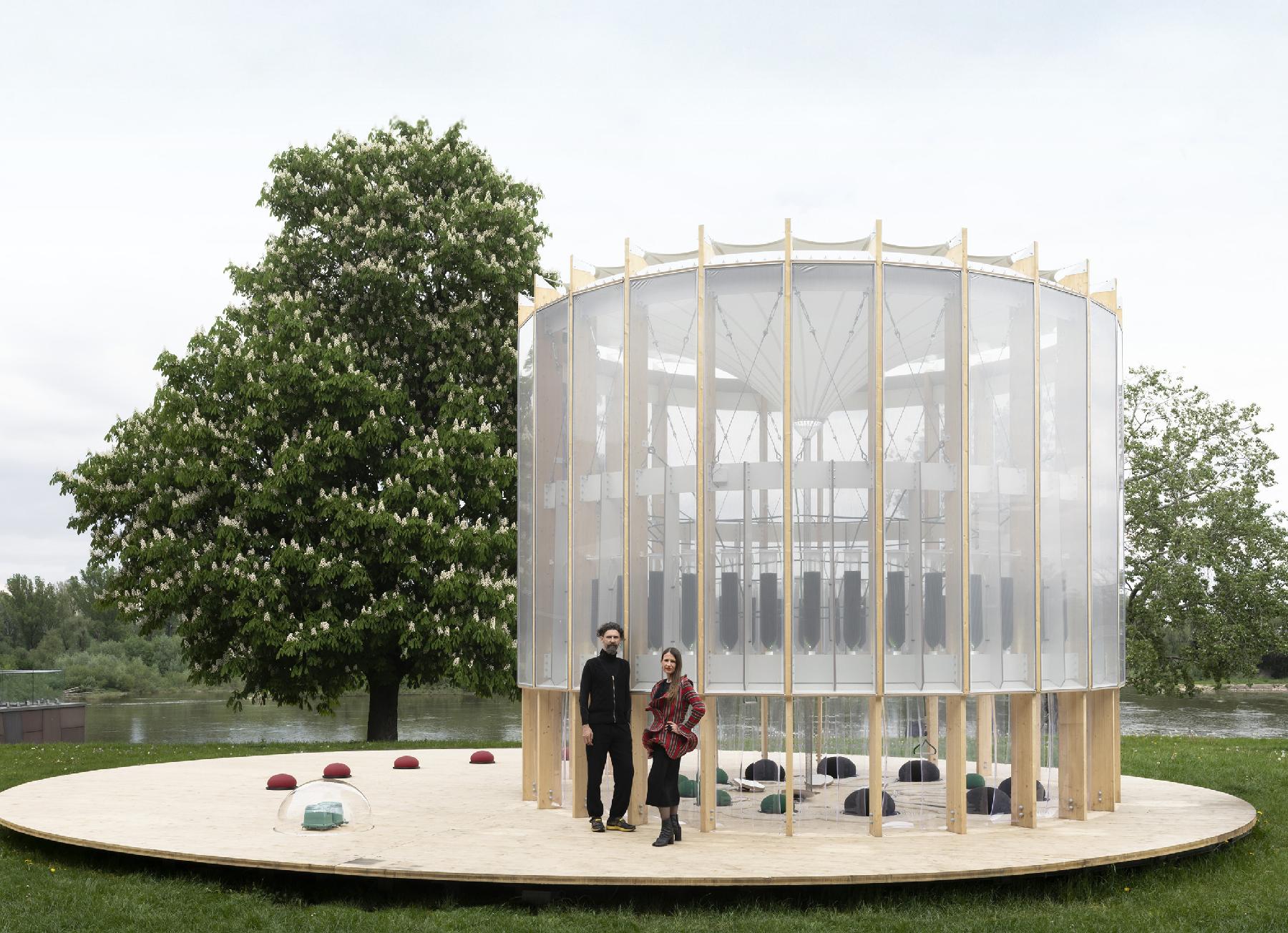
London-based architecture and innovation company EcoLogic chose Poland’s capital Warsaw – Europe’s most polluted city – as the location for its first AirBubble Playground. This play pavilion is an innovative structure that uses algae in solar-powered bioreactors to remove carbon dioxide and pollutants from the air.
The pavilion incorporates a cylindrical timber structure wrapped in an ETFE membrane protecting 52 glass algae reactors, equipped with ropes, foot pumps and bouncy spheres. The bubbling white noise of the algae gardening system masks the surrounding urban noise to provide a calming atmosphere for children to play and interact in.
The AirBubble monitoring system integrates urban air pollution sensors and is connected to a data processing platform capable of comparing measurements in real time and of highlighting the air quality index for six core pollutants. During a testing period, the AirBubble absorbed an average of 97 per cent of nitrogen and 75 per cent of particulate matter.
“This playground needs two sources of power: solar energy and kids’ instinctive drive to explore and to play,” says EcoLogicStudio co-founder Claudia Pasquero.
“These constitute the inexhaustible and renewable fuels of the AirBubble that can be obtained effortlessly. The AirBubble is the trigger of a process that can only grow and multiply its beneficial effects towards future generations. It’s all in our hands – we are responsible for our health and climate.”
The playground was designed to raise awareness about air quality issues, and demonstrate how biotechnology can be used in architecture to create healthier environments. After several months of exhibition and air monitoring, the structure was moved and redesigned to fit into the courtyard of the Otravin headquarters.
Denver, US
Design: Dig Studio in collaboration with Denver Museum of Nature & Science

When the Denver Museum of Nature and Science (DMNS) had the idea of bringing the popular ‘Explore Colorado’ dioramas outside via a new playground, they turned to the local community for advice.
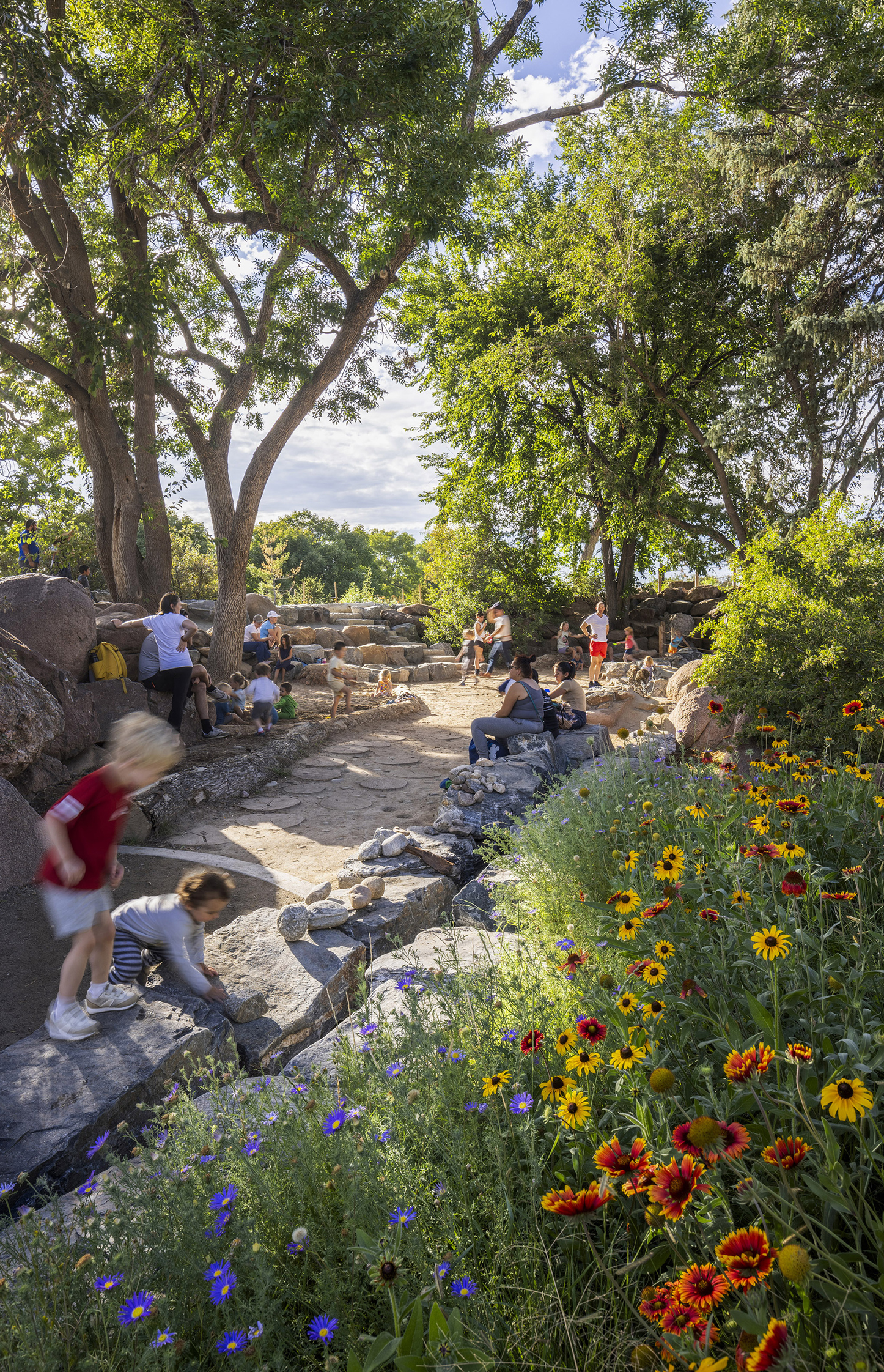
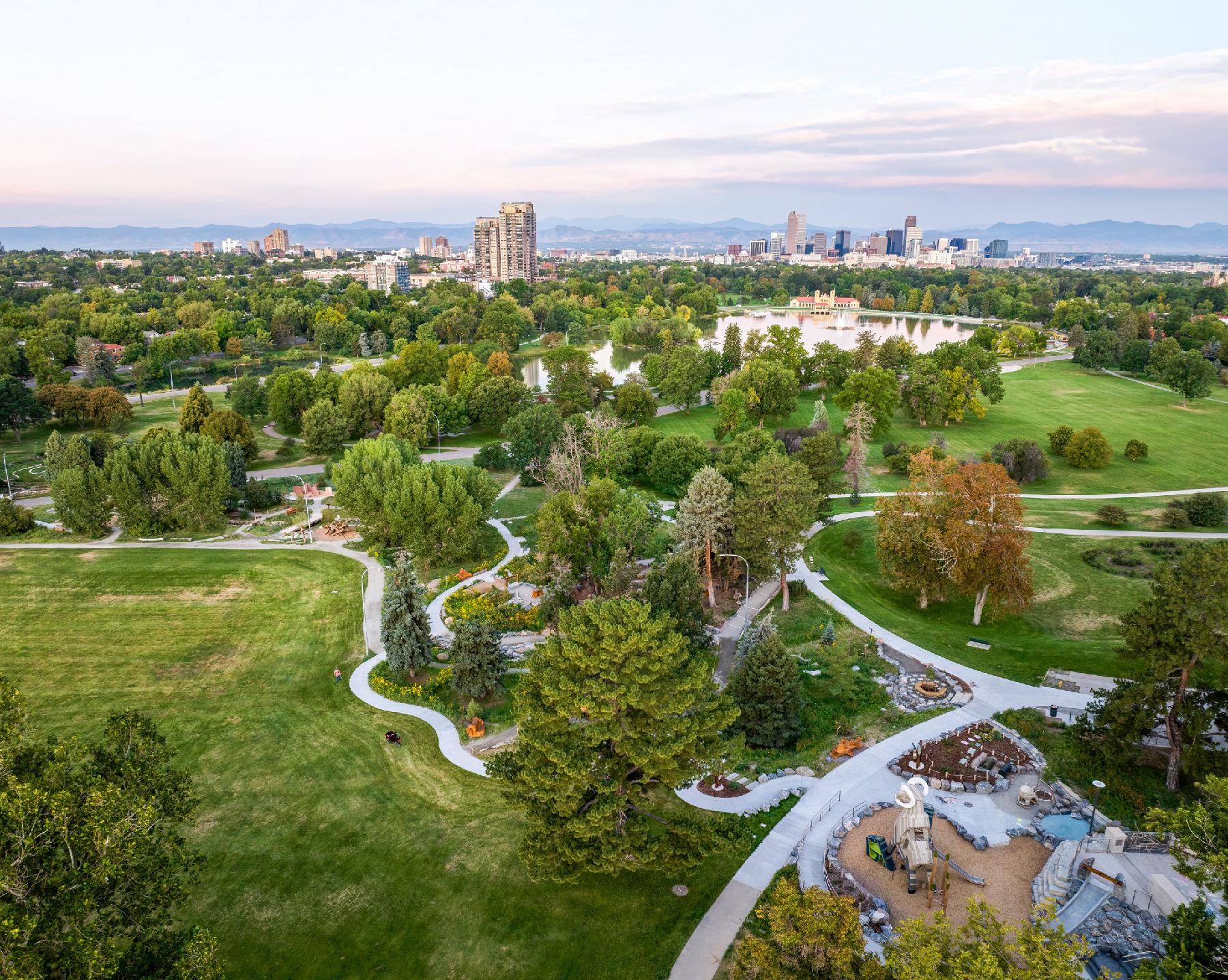
Five years of community engagement and deep listening led to the creation of the four acre, $7.9m City Park Nature Play urban park. Opened in 2024 and designed by architecture, planning and urban design firm Dig Studio in collaboration with DMNS and Denver Parks and Recreation, it is inspired by Colorado’s unique ecosystems and ecology.
The design team worked closely with museum curators to reimagine Colorado’s distinct habitat zones, bringing each one to life through regionally inspired materials, native plantings, and play features.
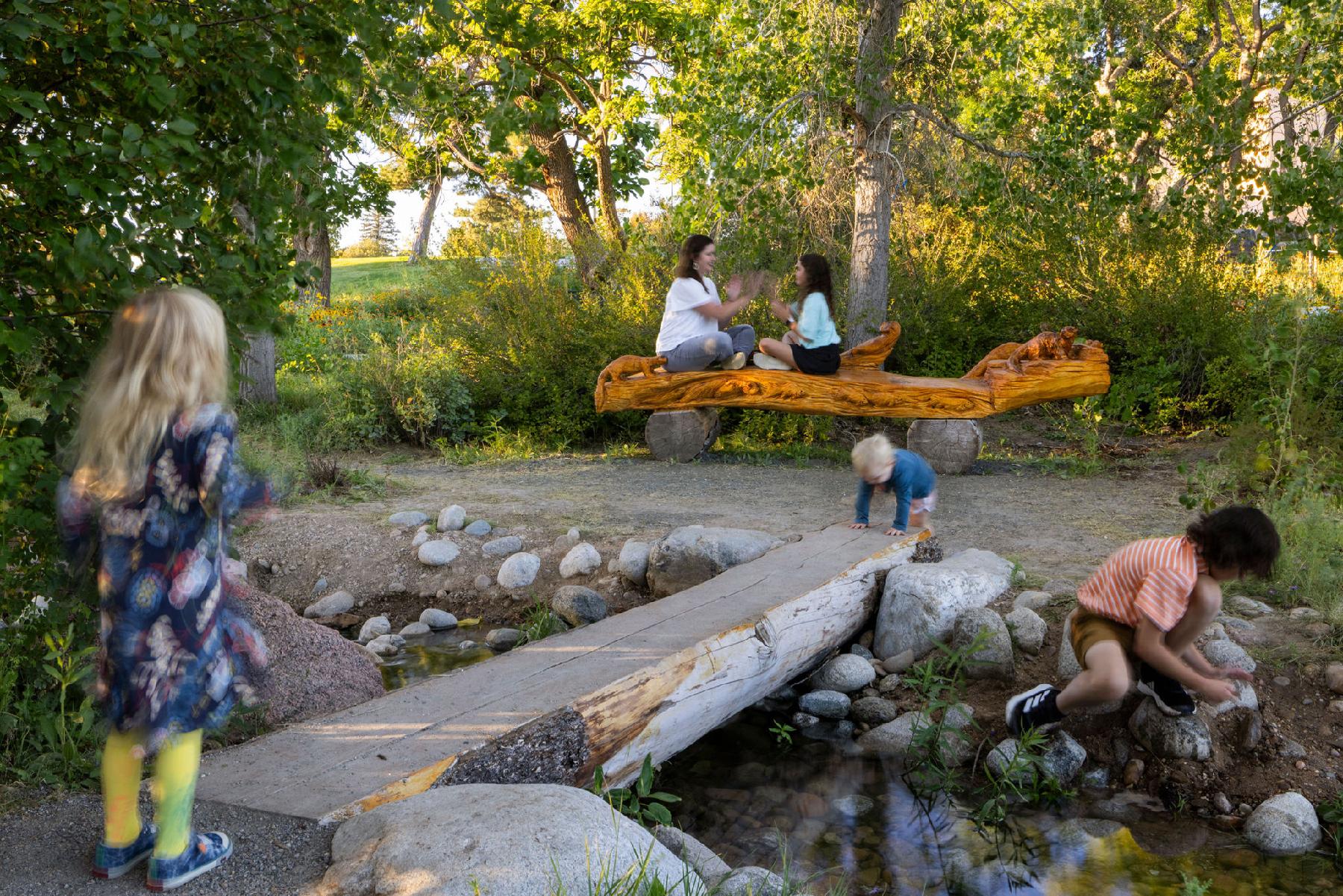
Central to the design is the restored DeBoer Waterway, reimagined as a natural creek bed that illustrates water conservation and stormwater management while serving as an educational and sustainable environmental feature. This waterway connects the eight Colorado ecosystems showcased in the Denver Museum’s Explore Colorado Diorama Hall to their natural representations in the park, offering immersive, science-based play experiences that bring these habitats to life.
The park features a variety of play elements including naturalistic climbing structures, slides, and swings, and has been designed to offer opportunities for unstructured play, exploration, problem-solving and risk taking.
Highlights include the 20-foot-high Rocky Mountain bighorn sheep play structure, as well as a range of sculptural representations of Colorado’s wildlife created with local artist Chainsaw Mama. Native plantings support local pollinators throughout the park, offering numerous opportunities for children to engage with the natural environment.
“City Park Nature Play brings the Colorado nature experience into the city for those who can’t get out of the city,” says Gretchen Wilson, co-founder of Dig Studio.
“There are moments of awe, joy, and learning through the sights and sounds of water; dragonflies, butterflies, and native bees flitting about throughout the pollinator meadows; and art and signage carefully sited to support the ecozone experiences.
“Throughout the seasons there is always the opportunity for a new experience within the space. The range of big, fun, in-your-face elements like the bighorn sheep juxtaposed with the discovery of a feature only a curious explorer could find like the fairy lodge table make the place rich and layered enough to engage people of all ages for prolonged periods.”
City Park Nature Play was awarded the 2025 ASLA Colorado/Wyoming Honor Award.
Worldwide
Design: Monstrum

Launched in 2003 by former theatre set designer Ole Barslund Nielsen, Danish playground designers Monstrum have made it their mission to create inclusive spaces that inspire movement and spark the imagination, while making neighbourhoods more beautiful.
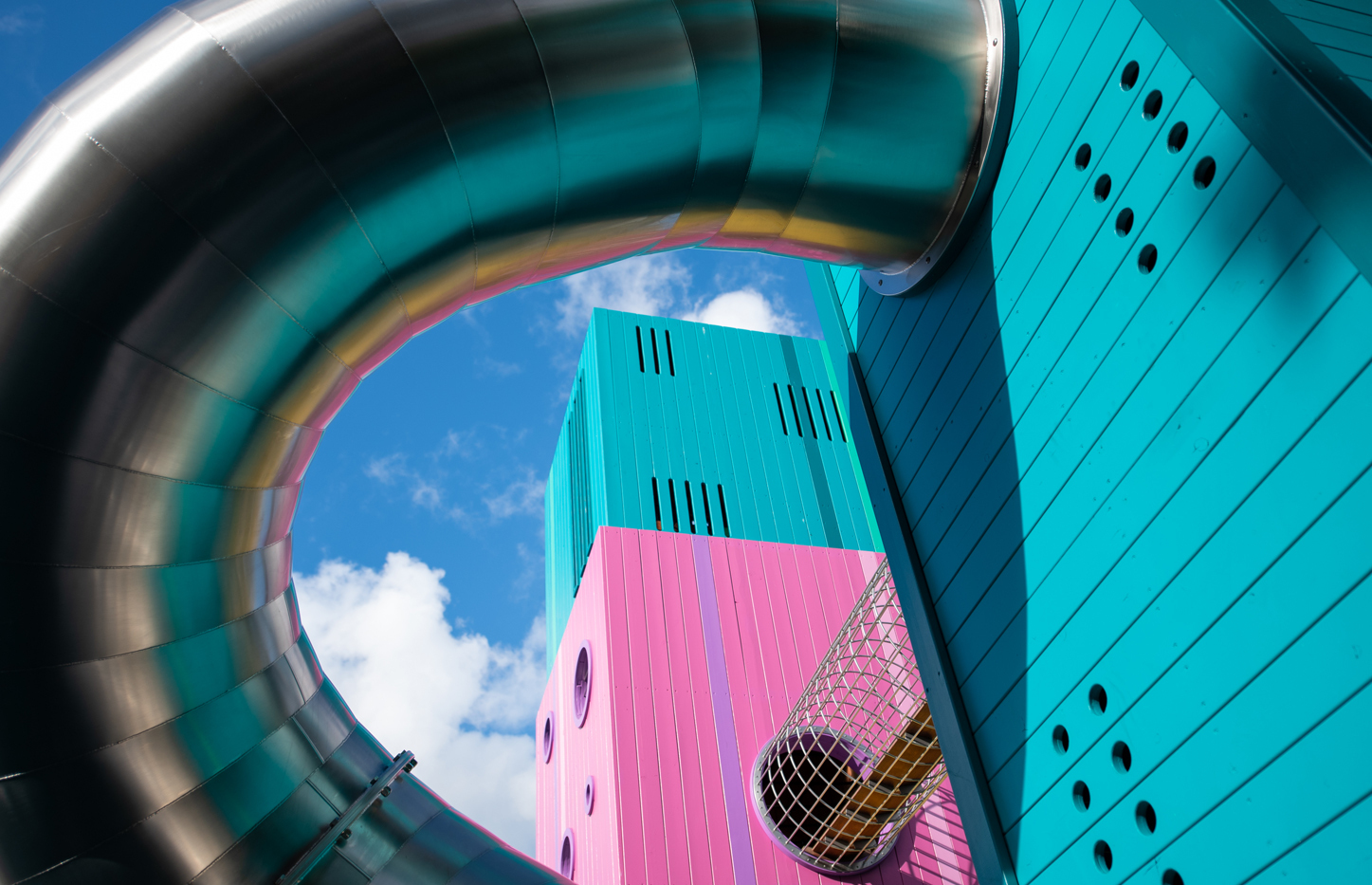
From a giant blue whale in Gothenburg to a crashed hot air balloon at the Lego House in Billund, Denmark, Monstrum’s designs feature imaginative play structures that tie in to their locations, meaning each playground is unique. Built primarily from certified sustainable timber, the play structures and spaces are designed to be durable and long-lasting, to minimise their environmental impact.
Recent projects include Sofia’s Play Garden at Lauritzen Gardens in Omaha, Nebraska, US. Here, Monstrum have created a colourful, miniature town with wooden houses filled with fun features to explore, gardens with giant carrots to climb and a market square with picnic tables.
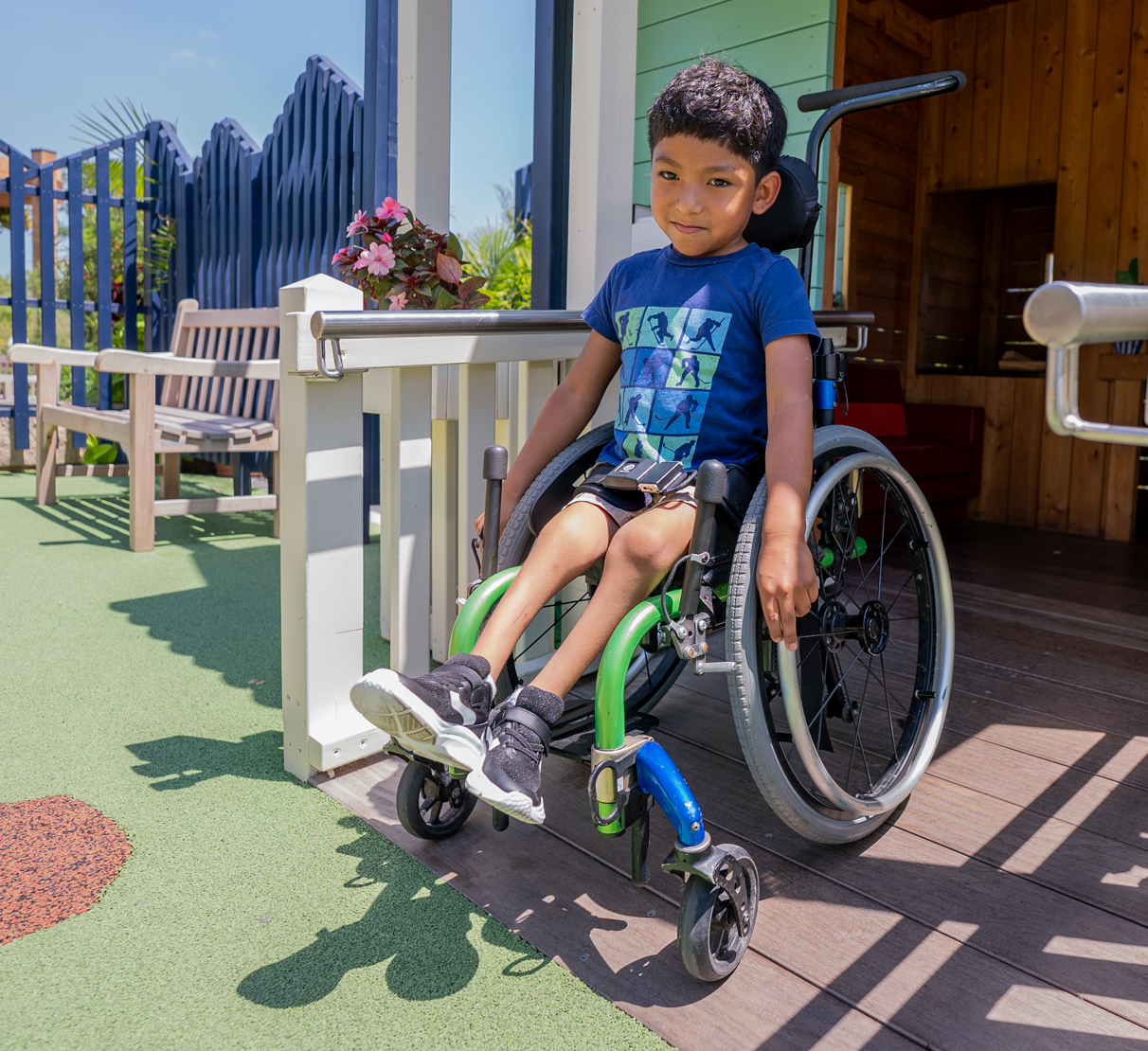
The playground was designed to be as accessible as possible for children with mobility and cognitive challenges, incorporating wheelchair-friendly rubber flooring and sensory play features promoting calm, reflective play.
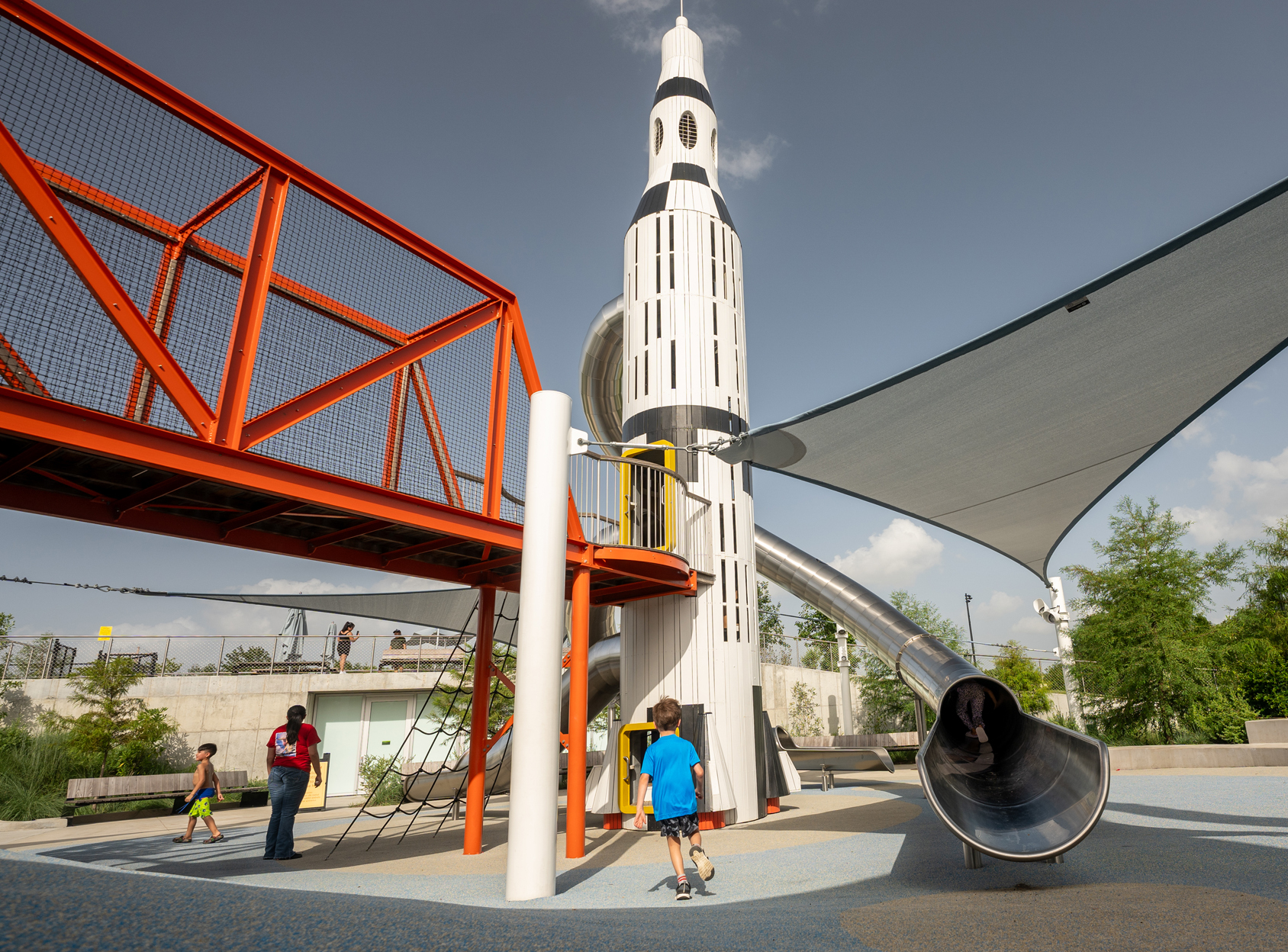
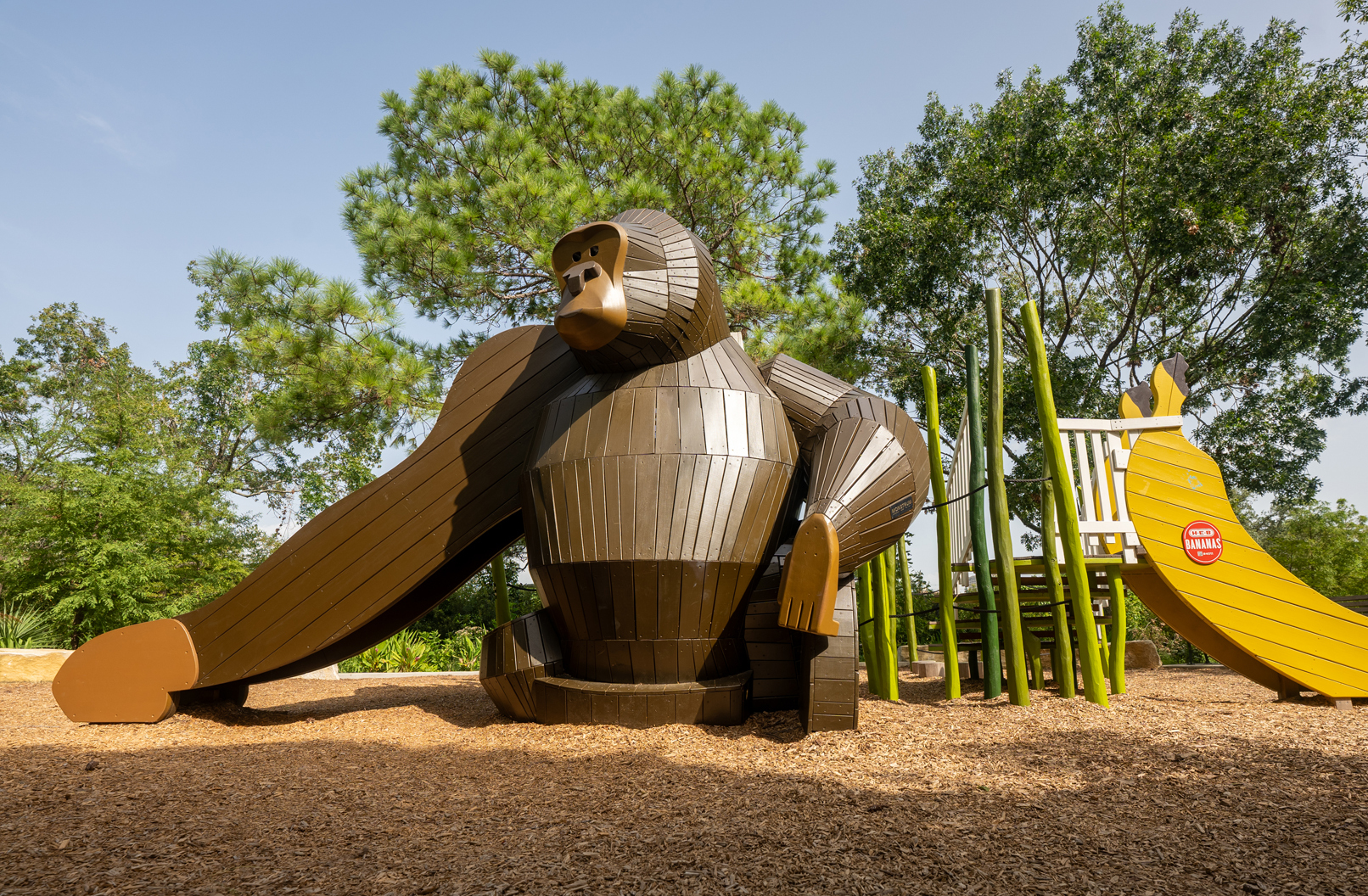
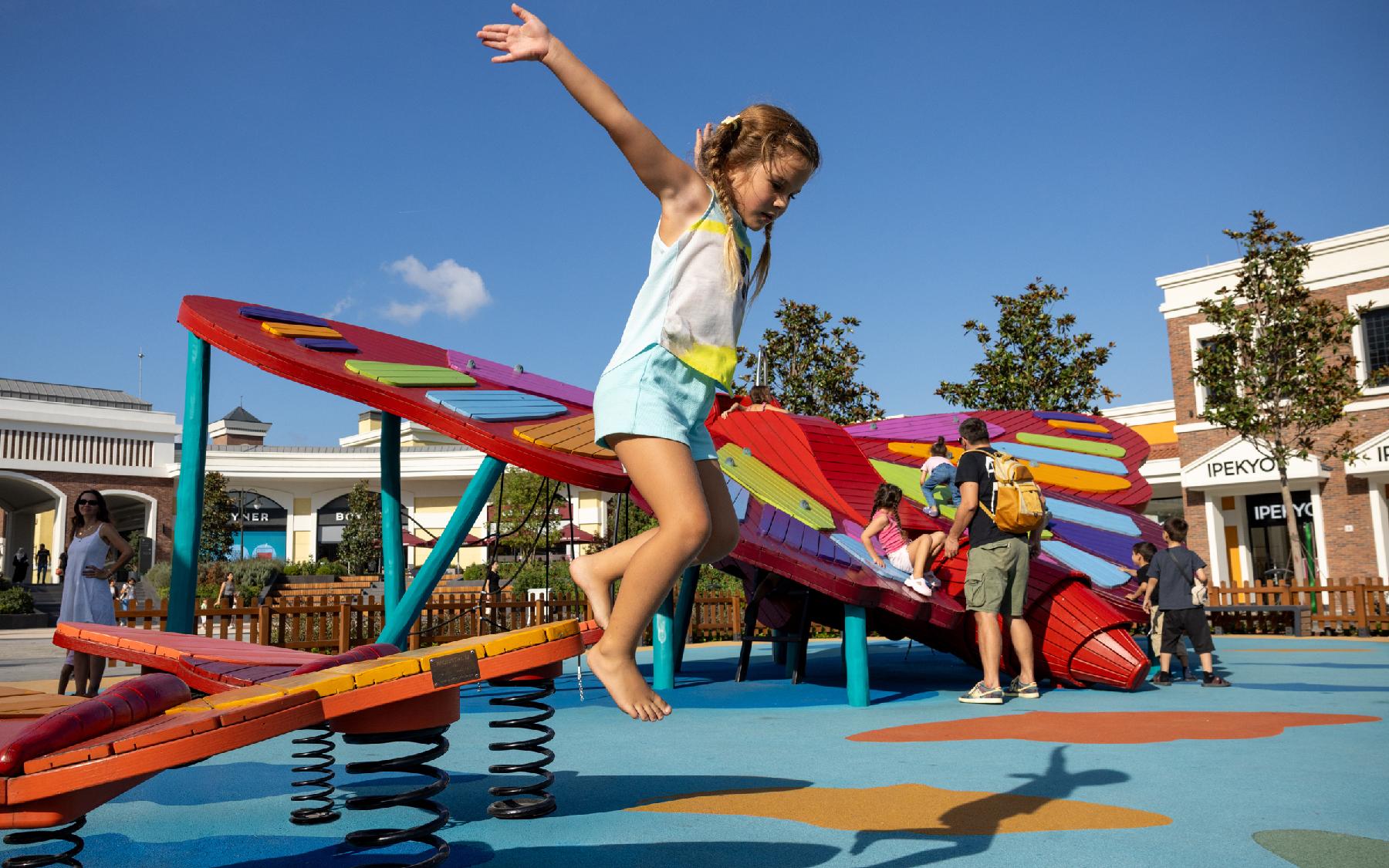
Other recent projects include the animal-themed Tema World playground in Istanbul, Turkey; and the Space Garden in Houston Texas, which features a 45-foot Apollo 11-inspired rocket and a space capsule installation, as well as an animal-themed section, where bespoke play sculptures including a snake, bullfrog, gorilla, and crocodiles invite climbing, crawling, and creative play.
“Monstrum wants to make different experiences each time and to entice people as they walk by,” Nielsen tells CLADmag.
“It’s not just about swings and slides and colours; we believe there has to be a story, whether it’s a flower playground or an underwater scene. Our playgrounds create an identity for an area – people might talk about ‘meeting at the parrot’.
“A good playground also has an element of risk. Climbing a wall is not about getting to the top but feeling the thrill in your stomach as you climb. Failing and falling can be a good thing.”


Guangzhou, China
Design: Xisui Design
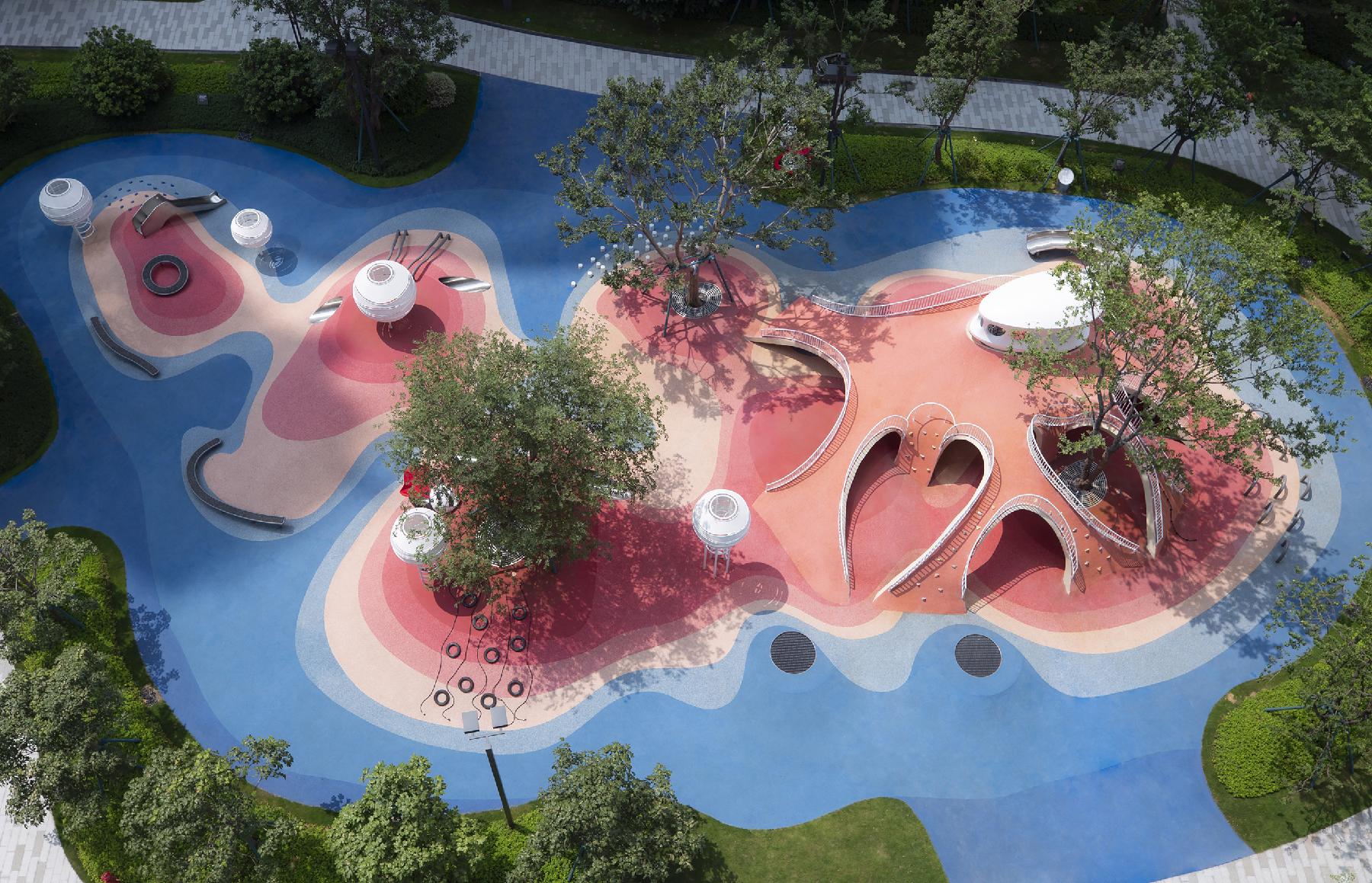
The initial inspiration for the Red Dunes Playtopia playground in Guangzhou, China, was the idea of Mars exploration. According to the architects responsible for this newly opened playground, they asked themselves: “Why not recreate a slice of the red planet here on Earth?”
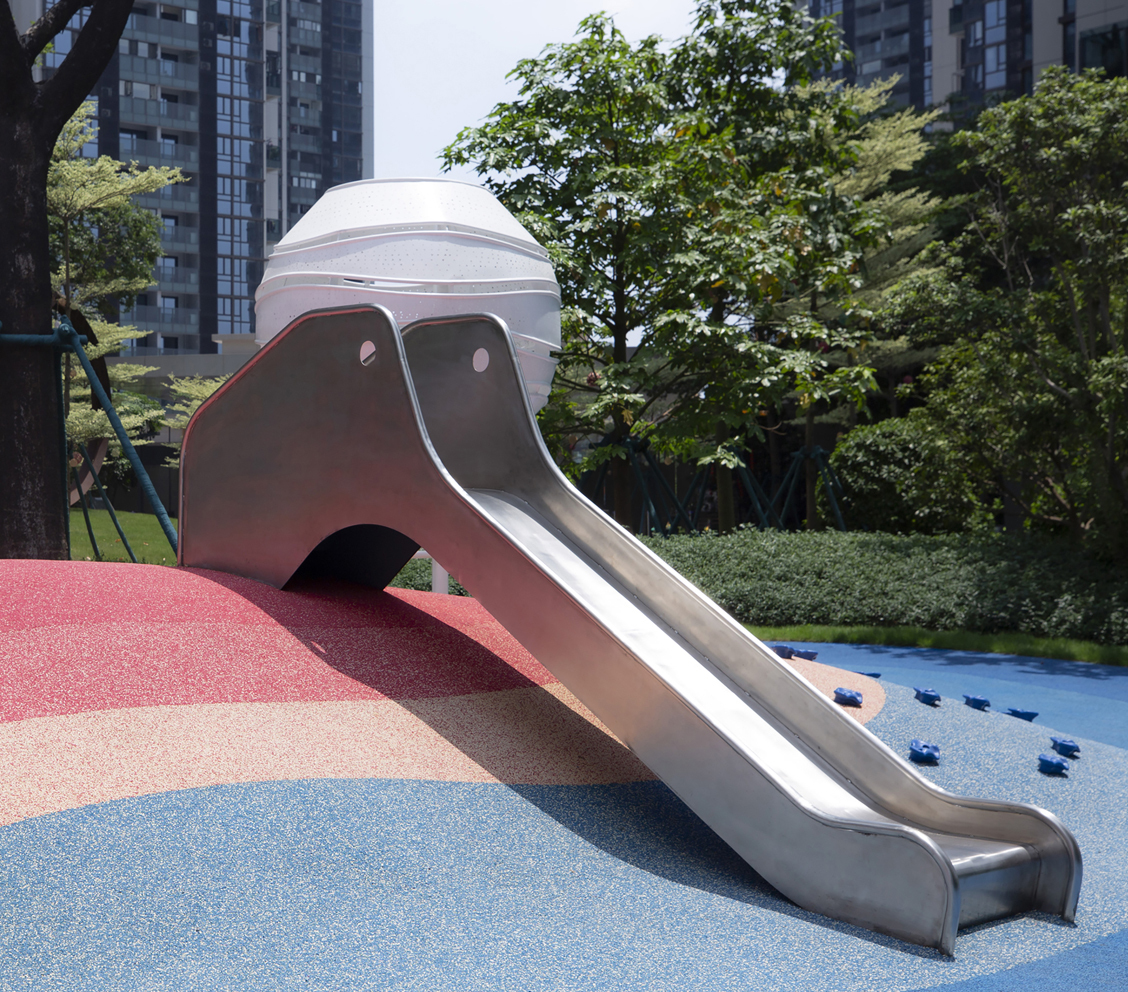
The result is a series of undulating red dunes designed for children to climb, run, jump and roll over.
The cave-like concrete shell structure at the centre of the playground combines large spans and ultra-thin structural thicknesses, creating intricate, sheltered spaces below and climbing areas on top.
A key feature of the playground is its natural drainage, which was calculated digitally, and which ensures that rainwater flows naturally across the site, allowing it to drain into the green spaces and designated peak drainage outlets, eliminating the need for surface drainage outlets.
The innovative design utilizes parametric design, which employs advanced algorithms to digitally generate the topography. This technique allows for the complex slopes and terrains to be optimised for a variety of age groups, creating zones tailored to different play activities. By integrating functional children’s play equipment directly into the terrain, the project enhances the connection between the artificial and natural environments.
“It aims to inspire both children and adults to immerse themselves in the joy of outdoor play and exploration,” said XISUI Design.
Toronto, Canada
Design: Michael Van Valkenburgh Associates
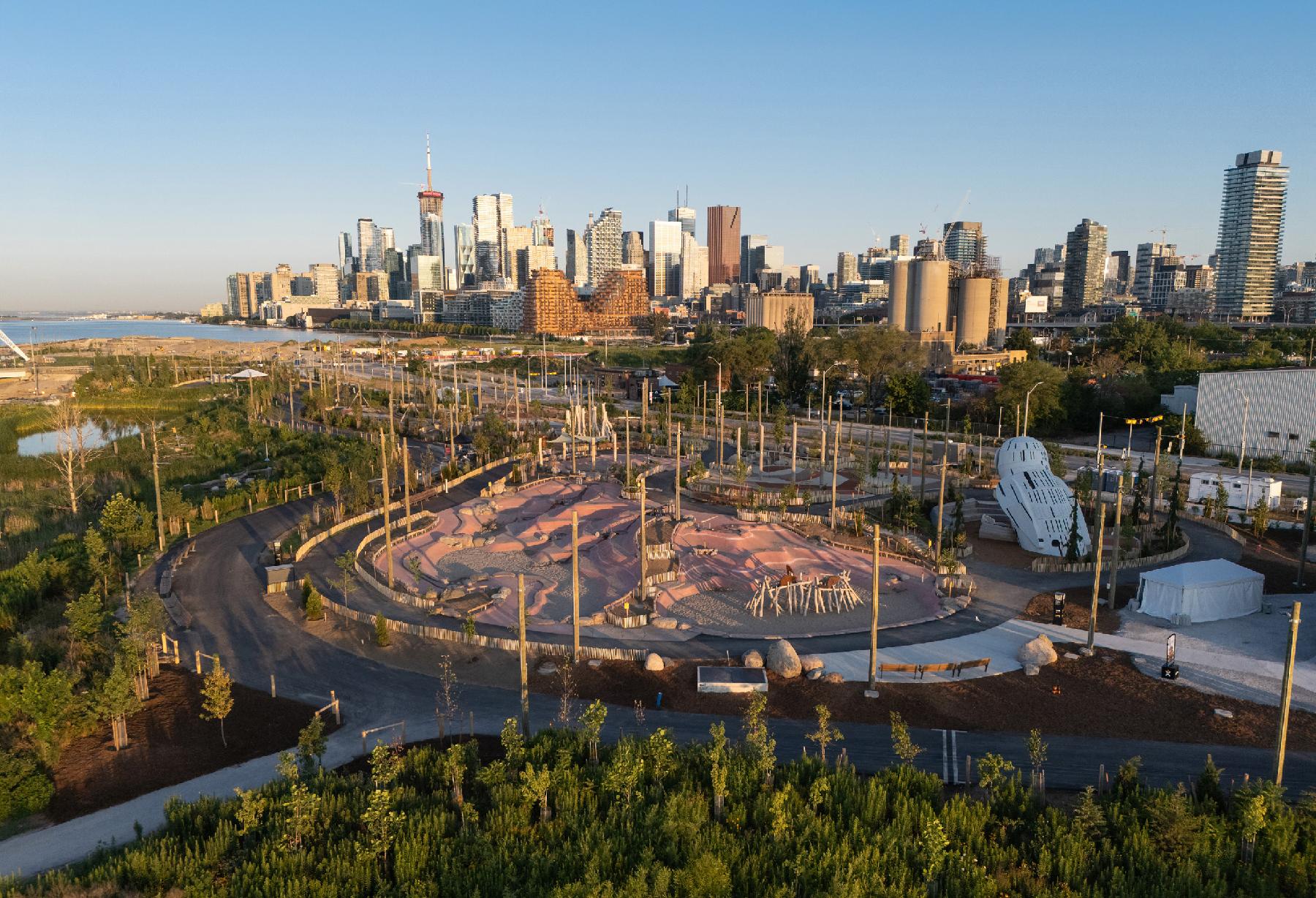
July 2025 saw the opening of Toronto’s biggest municipal park in a generation – part of a major decades-long project to protect Toronto from flooding by naturalising the mouth of the Don River.
The project, which was developed by Michael Van Valkenburgh Associates (MVVA), allows the river to flow more naturally, and saw the creation of a new island, which is home to the newly opened 49 acre Biidaasige Park.
Biidaasige Park, named after the Indigenous Anishinaabemowin phrase ‘sunlight shining towards us’ integrates Anishinaabe cultural design elements, including traditional patterns and plantings, and features dodem animal sculptures created in consultation with local Indigenous people.
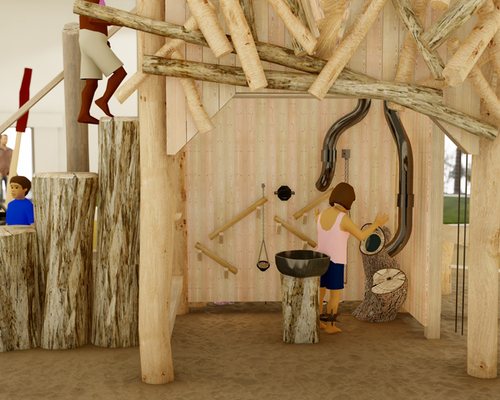
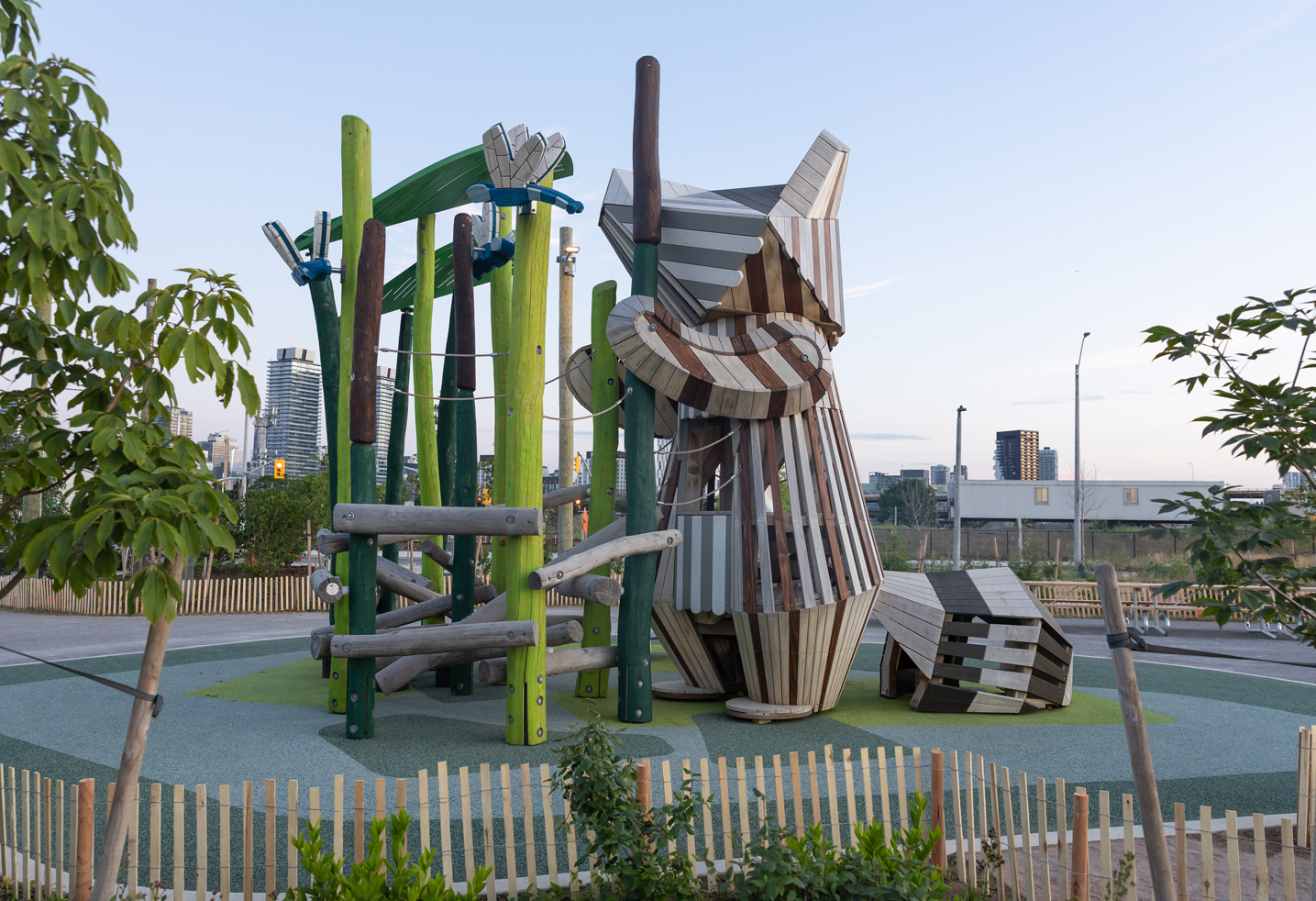
Imaginatively designed, the new park comprises various themed playgrounds, featuring ziplines, nature play structures and equipment sourced from different suppliers. One of the major attractions is the Badlands Scramble – a large climbable landscape feature inspired by rock formations of the Canadian Badlands. This large multi-level sand and water play area allows children to operate a system of dams and pumps to direct the flow of water.
Elsewhere in the park, kids can climb up and inside a snowy owl sculpture designed by Danish play equipment designer Monstrum, which has a stage built into its belly and eyes that allow children to view the rest of the park through. The park also features a woodland scramble, a rope swing and a ‘reaching raccoon’ climber with a slide built by Canadian wood playground equipment supplier Earthscape. Other highlights include a biophilic climbing structure provided by WholeTrees, which retains the raw form of the white oak climbers used and brings to mind an inverted forest.
In 2026, a range of public art will be added to the park, and plans for an event space and a canoe cove are also underway.















Designed to restore neglected land and renew the identity of Iraq’s capital city, Baghdad Sustainable Forests promises a new way of living surrounded by nature. Gensler’s Ian Mulcahay tells us why he thinks the project could become a model for the repair and enhancement of urban centres