CLAD People
Jean Nouvel
"Here, it is possible to do what cannot be done elsewhere"



Fondation Cartier’s new home has opened alongside the Musée du Louvre in central Paris, with a flexible design by Jean Nouvel featuring five moveable floors.
Nouvel overhauled the former five-storey Haussman-era department store to create the new contemporary art museum, featuring 8,300sq m of public spaces, of which 6,500sq m are dedicated exhibition space.
The design for the museum was inspired by Nouvel’s vision of a giant, internal ‘machine’ with vast platforms that could rise and fall beneath the glass ceilings covering the mezzanine.
In order to create the new Fondation Cartier pour L’Art Contemporain, Nouvel stripped out much of the building’s interiors and added five giant lifts that support the large moveable steel platforms that make up the gallery spaces. Each platform can be placed at different heights, meaning that the galleries can be reconfigured according to the needs of each exhibition. Placing all the floors on one level creates a 1,200-metre gallery space.
Overhead, three glass skylights offer views of trees that have been planted on the rooftop. These skylights can be shuttered to create a dark interior, or left open to allow sunlight to filter through the trees and create shadows on the gallery walls.
“Moving into such an impressive site, in terms of location and history, entails a form of invention,” said Nouvel. “A site such as this one calls for boldness, courage that artists might not necessarily demonstrate in other institutional spaces. The Fondation Cartier will likely be the institution offering the greatest differentiation of its spaces, the most diverse exhibition forms and viewpoints. Here, it is possible to do what cannot be done elsewhere, by shifting the system of the act of showing.”
In an interview with Francesca Pietropaolo for The Brooklyn Rail, Nouvel described the new institution as “A living museum [that] adjusts itself to the artworks, the events and audiences… the exhibition space is never the same twice. It can be compact or open, layered or traversing, linear or labyrinthine; this radical variability corresponds to what I call the ‘plasticity’ of the contemporary museum space.
“It affirms that the cultural function of the museum today is not to passively preserve, but to activate, provoke, and confront. The museum is a critical tool; a space for transformation.”
On view until the end of August 2026, Exposition Générale will showcase both the Fondation Cartier’s artistic identity and its legacy, through nearly 600 works by more than 100 artists who have participated in its programming since 1984 to the present day.
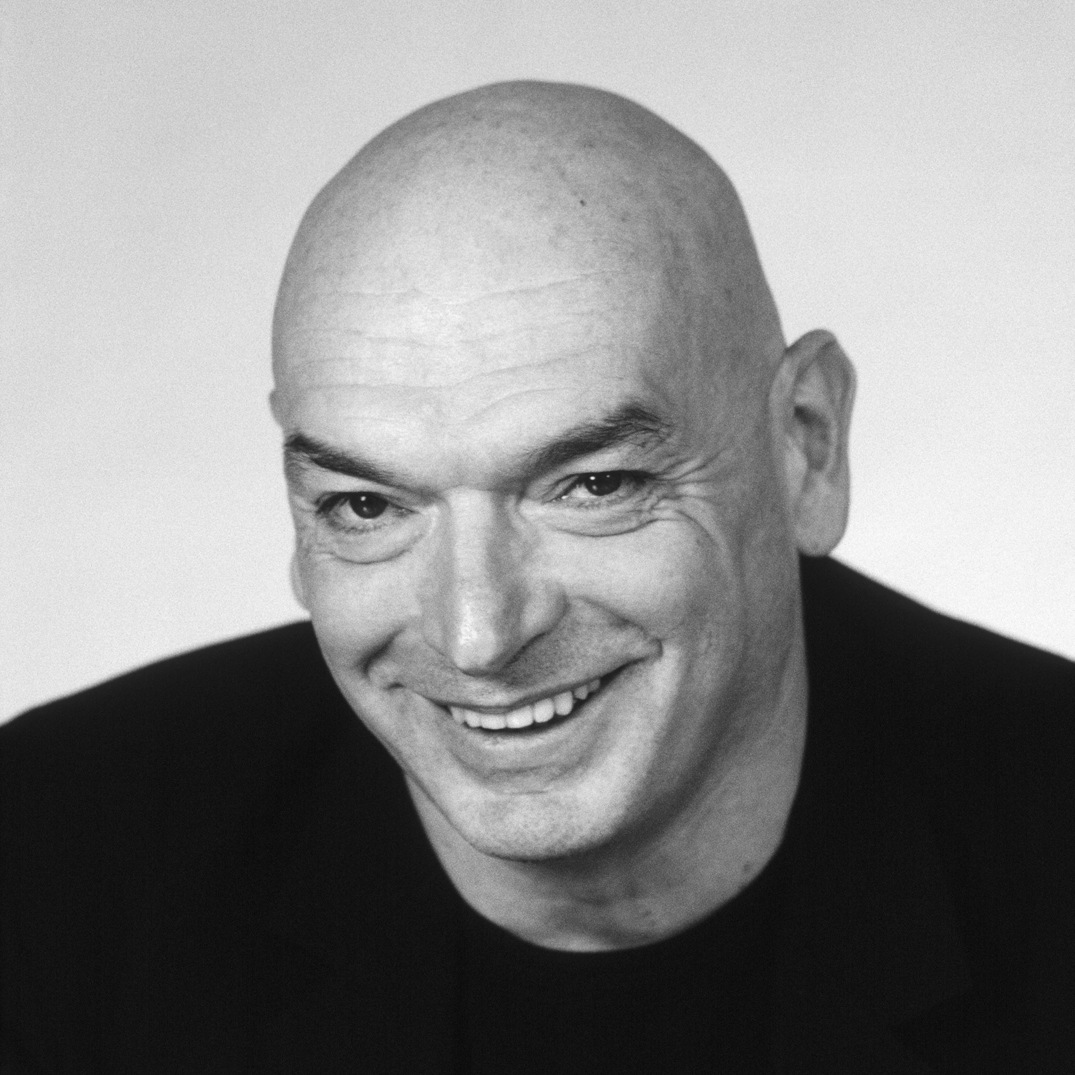
A site such as this one calls for boldness; courage that artists might not necessarily demonstrate in other institutional spaces






Designed to restore neglected land and renew the identity of Iraq’s capital city, Baghdad Sustainable Forests promises a new way of living surrounded by nature. Gensler’s Ian Mulcahay tells us why he thinks the project could become a model for the repair and enhancement of urban centres