CLAD people
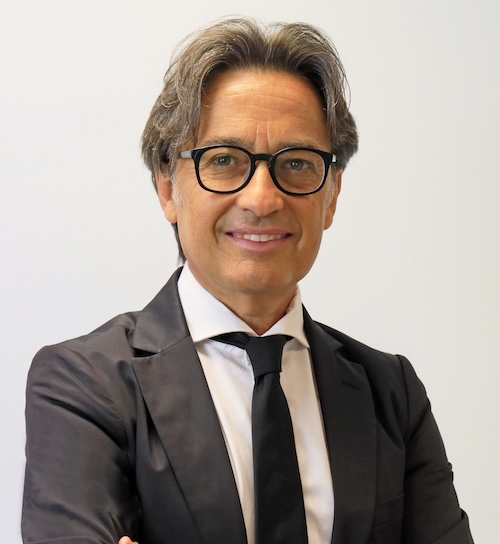
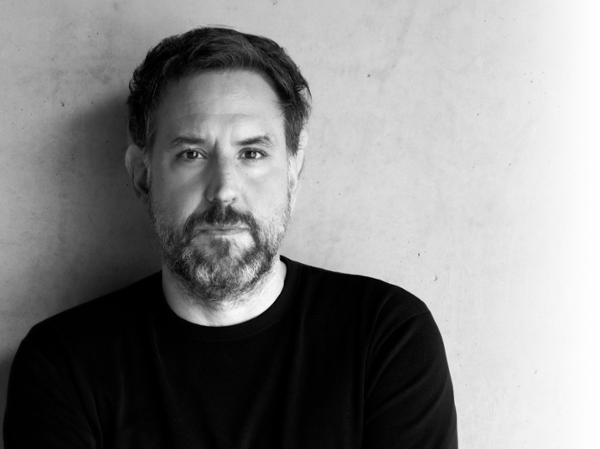
Martin Corullon
"This project was challenging in every possible respect"



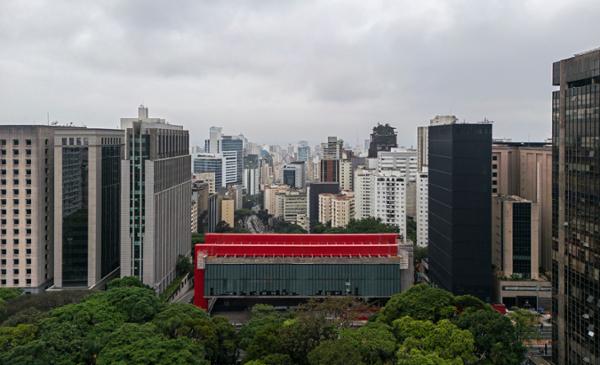
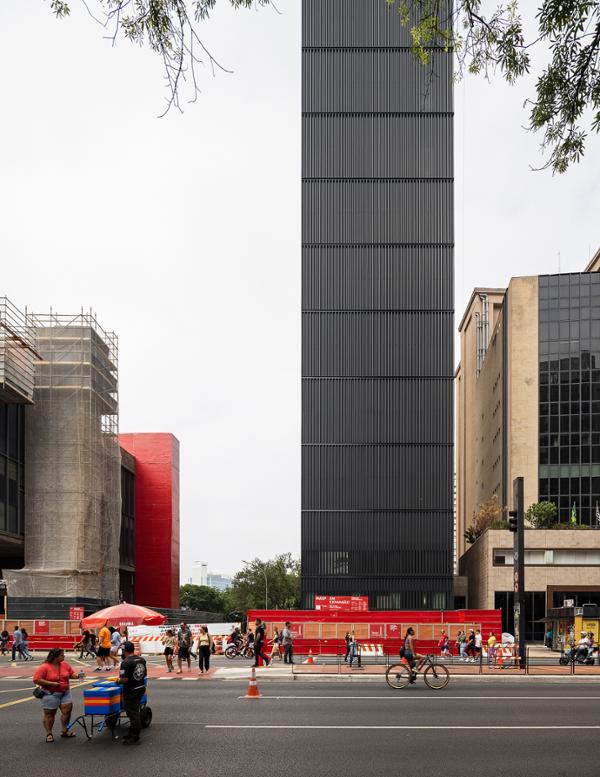
The Museu de Arte de São Paulo (MASP) has unveiled its long-awaited new extension, a 14-storey tower that more than doubles the iconic modern art museum’s total space.
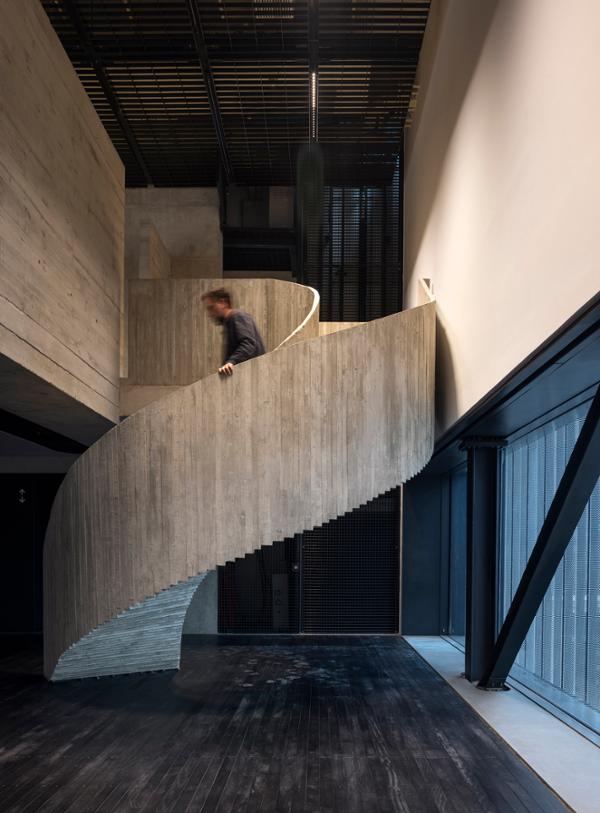
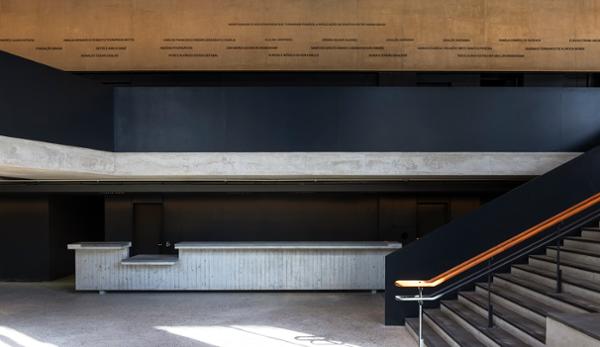
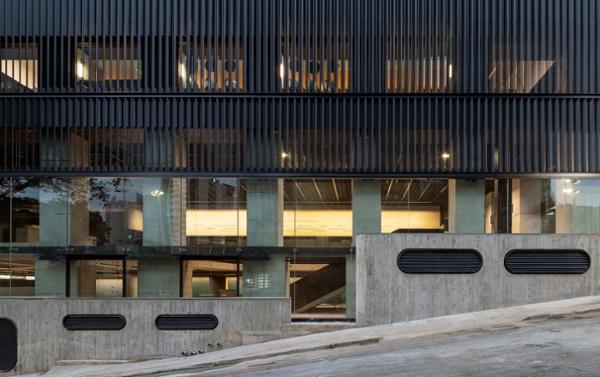
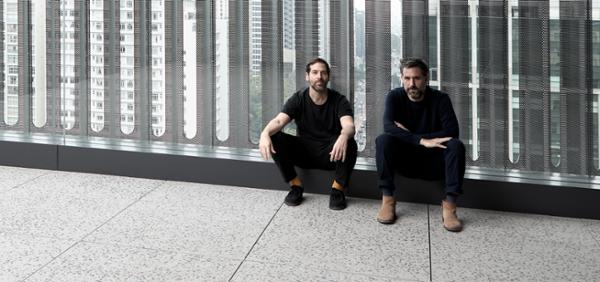
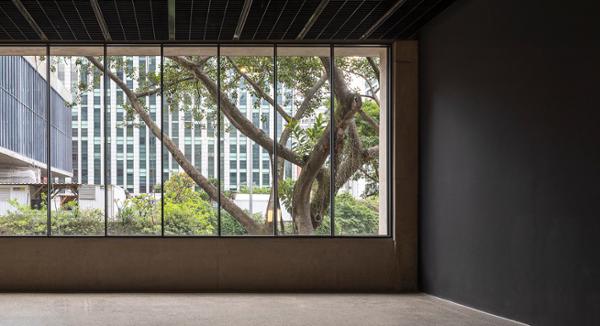
Designed by architects Martin Corullon and Gustavo Cedroni of Metro Arquitetos Associados, the Pietro building features five exhibition galleries and two multipurpose galleries set across 14 floors. The building also houses a restaurant and cafe, classrooms, a conservation laboratory and a reception area.
The new tower is named after Pietro Maria Bardi, who founded MASP in 1947 with the philanthropist Assis Chateaubriand, and who was director of the museum for 45 years. He was married to Brazilian architect Lina Bo Bardi, who designed the original MASP building.
Bo Bardi’s building balances eight metres above the ground, supported by four red concrete pillars, making it difficult to build an extension. To overcome this, the architects conceived an underground tunnel leading to the new $33 million, 7,800sq m building. Scheduled for completion towards the end of 2025, the tunnel will promote the integrated function of the buildings while preserving the appearance of the urban landscape.
The architectural project was led by Metro Arquitetos Associados with the participation of Júlio Neves on the legal project. The collaboration between Metro Arquitetos Associados and MASP is the result of a working relationship that began in 2015, culminating in the technical adaptation of Lina Bo Bardi’s iconic glass easels, which were reinstalled in the museum in 2016.
Here Corullon answers our questions about this challenging project.
What was your aim with the design of the new Pietro Maria Bardi building?
We wanted to create a functional landmark that respectfully completes Lina Bo Bardi’s building.
What does this project mean to you?
Considering the importance of the institution, the cultural and architectural importance of the existing building and the technical complexity of the new building, this project was challenging in every possible aspect. It is a huge achievement.
How did you establish a relationship between the new extension and the original building?
We opted for a clean look so as not to disturb this relationship. At the same time, the monolithic design, inspired by the typologies of vertical museums such as those in New York, stands out from its surroundings and gives it a character of its own.
Was it daunting extending such a beloved building?
It was not daunting as we already had an intimate relationship with the building, from working there since 2015. We felt at ease, we shared the same vision because of our background, and we felt very connected to the Brazilian modernist tradition.
What are you proudest of?
Being able to contribute to São Paulo with a new public space and cultural facility. We are also proud of the reach of this project, in terms of the number of people it benefits.
Do you have a personal favourite part of the new building?
We’re very proud of the way it stands in the urban landscape.