Wellness
Back to the land
Bamboo builders Ibuku have taken their skills to Costa Rica, with the design of a new wellness space using natural materials and ancient building techniques to ground guests in their surroundings. Lucas Schlüter talks us through a unique project



When the creators of Costa Rican retreat Tierramor wanted to build a wellness space that would harmonise with the natural surroundings, they turned to Bali-based architects and engineers Ibuku, known for their beautiful, solid and sustainable bamboo structures.
Ibuku was founded in 2010 by Elora Hardy – daughter of John and Cynthia Hardy, founders of the Green School in Bali, Indonesia (www.cladglobal.com/Elora and www.cladglobal.com/JohnElora). Since then, the firm has designed and built bamboo homes, hotels, schools and event spaces in Bali, and more recently has been working on projects in the Philippines and the US, as well as Costa Rica.
Tierramor is a research and retreat centre set amongst 800 acres of reforested land in the mountains of Nosara, Costa Rica. The brainchild of Matthew Richards, it currently features a farm, 20 guest casitas, a temple and studio space and a lounge and café. New for 2025, the Maloca wellness space will host retreats, wellness classes and gatherings.
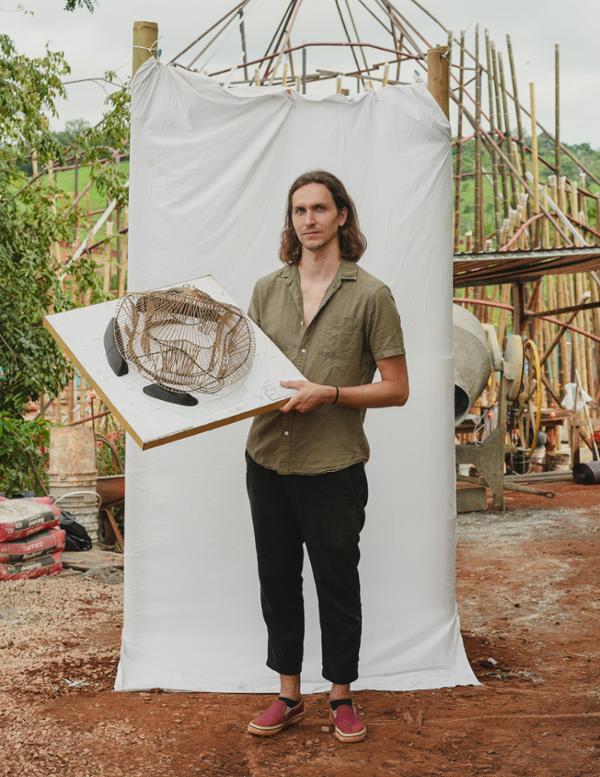
Here architect Lucas Schlüter speaks with CLADmag about the challenges and opportunities of translating Ibuku’s bamboo designs to a new environment.
How would you sum up the Maloca project?
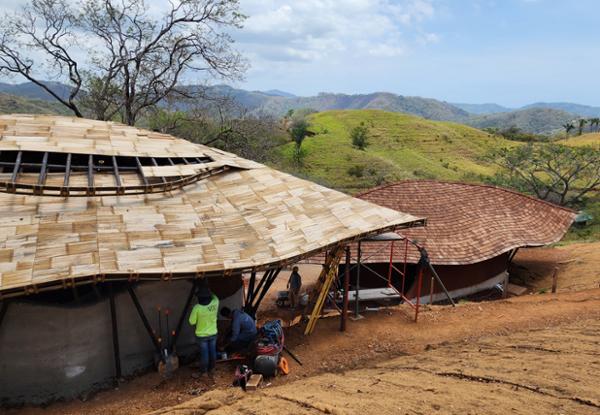
Nestled in the lush landscapes of Nosara’s hillside in Costa Rica, the Maloca Dome is a multi-functional space designed for yoga, meditation, and ceremonial gatherings.
This unique bamboo structure seamlessly integrates traditional craftsmanship and cutting-edge bamboo engineering, resulting in a design that’s both structurally innovative and deeply rooted in local building traditions.
At the heart of this project lies a strong commitment to sustainability. Bamboo is not only the primary structural component, but also a symbol of resilience and ecological harmony. The construction process emphasises low-impact techniques, ensuring minimal disturbance to the surrounding environment while maximising durability and natural beauty.
How does the design support its function as a space for wellness?
The Maloca Dome is envisioned as an organic extension of the landscape, acting in perfect symbiosis with the natural world and the human body.
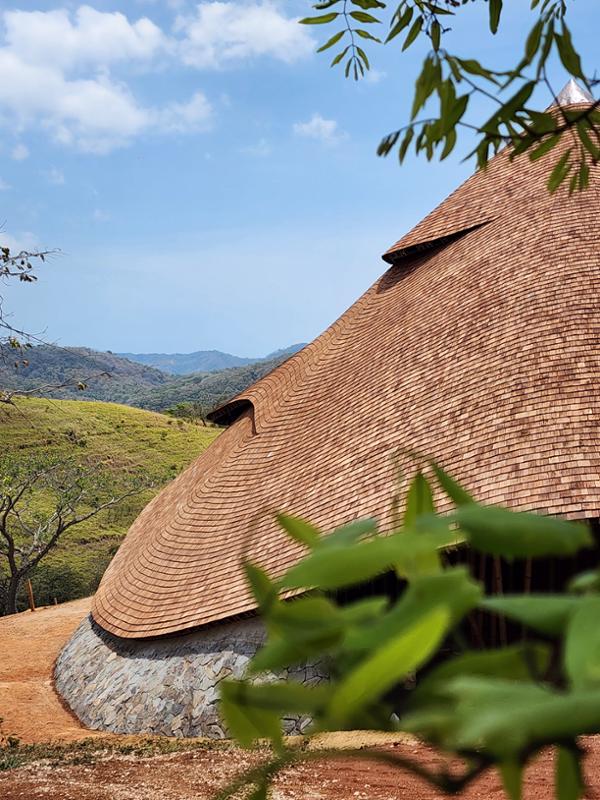
It has been placed at the top of a hill as a monolithic shape that blends into its surroundings, highlighting the beautiful tree behind it as the main focal point of the site.
The interior features an open, adaptable floorplan allowing for dynamic spatial transformations – accommodating intimate gatherings of 10 as effortlessly as vibrant ecstatic dance sessions with 100 participants. Thoughtfully positioned openings and architectural elements interact with views, showcasing the natural beauty of the surrounding landscape.
How did you approach this project?
Our first step was to analyse the site, focusing on the views, the vegetation, the airflow and the atmosphere created by the light at different times of the day. From there we started to connect the natural aspects with the heritage of the place and Costa Rica’s building traditions.
For the Maloca Dome it was very helpful to dig into the vernacular architecture in Costa Rica. While carrying out research with local architecture design studio Loop, we noticed traditional building shapes dating from the pre-Columbian time in Costa Rica. The cosmic house – a traditional cone-shaped building that represented the religious beliefs of the first inhabitants of Costa Rica – inspired us, and we decided to reinterpret it for the 21st century.
How did the design develop?
With the conic shape of the cosmic house established, the base shape was quickly found and further adjusted to the needs of the interior with focused views of the beautiful surrounding nature chosen to reconnect the users with it.
We design for nature with nature. This means that our material choices directly affect the building’s shape and vice versa. When building with bamboo, it’s important to protect the poles from direct sunlight and also from exposure to rain. Therefore, long covering overhangs are required which mostly need a steeply pitch to allow natural roofing materials to be integrated into the design.
What were the biggest challenges?
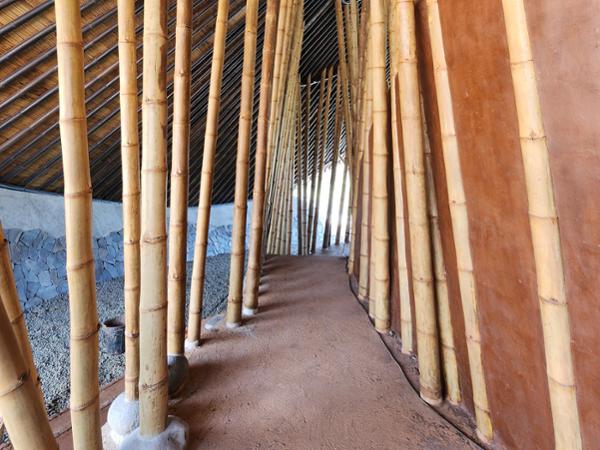
The site is exposed to high wind speeds that we’re not used to in Indonesia, meaning it was important to cross-brace the building. Together with the engineers at Atelier One, we developed a design that frames the circulation area with leaning columns that expand and contract, creating a strong structural system, as well as a flexible space that invites guests to explore the building further.
To contrast with the dynamic circulation area, we designed a calm, round yoga floor, free of columns and framing the views out onto the beautiful hillside.
The skills gap between the local Costa Rican carpenter and builders and our known bamboo craftsmanship level in Bali was another challenge. We embraced this constraint as an opportunity, designing with simplicity in mind and changing the materiality of certain structural elements where commonly known bamboo techniques from Indonesia were not realistic to achieve – the ring beams in the roof structure, for example, were made from steel.
Initially, the carpenters approached bamboo with caution, unfamiliar with its unique properties. However, they quickly adapted, transferring their woodworking expertise to this new material with remarkable skill. It was inspiring to see their confidence, curiosity, and amazement grow as they mastered an unfamiliar material.
Can you talk about the materials used?
With the shape as the main design driver, we decided to use different types of bamboo to support the structure and highlight our design concept further. We used the local Guadua Angustifolia bamboo as the main structural support – its straight poles helped us to visually lift the roof and make it appear to float lightly over the yoga floor.
To highlight the idea of the different levels of universe from the cosmic house we integrated meandering steel rings that help us structurally to hold the rafter in place. To direct the user’s view upwards, we used a black variation of the Gigantochloa Atroviolacea bamboo that we use in Indonesia as well. Its dark rich black contrasts to the light blond bamboo ceiling, pointing the user’s view right to the copper tip at the centre of the ceiling.
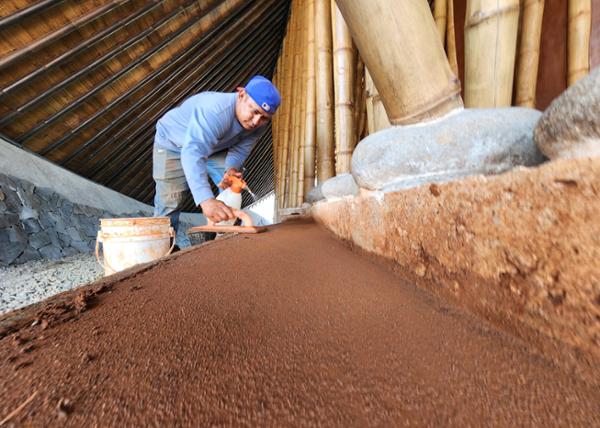
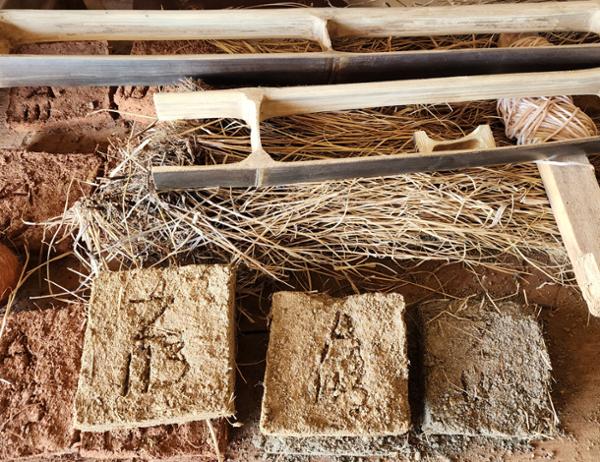
We also incorporated the iconic red soil from Tierramor’s hills into the flooring and walls, which helps guests to feel grounded and creates a deep connection to the site’s natural surroundings. To create a moisture barrier between the foundation and the bamboo poles we used natural stone boulders from the river that runs through the site.
To strengthen the monolithic shape of the roof with its undulating edge we choose to use local wood shingles that visually blend into the surrounding nature and give the building a calm, gentle appearance.
Why is bamboo suited to this project?
Bamboo is an essential material in our projects due to its great sustainability and structural properties. For the Maloca it was the perfect choice since it balances the lightness of the building’s appearance with the strength required to put it in place. It was also important to have a material as strong as steel, yet light enough to be carried to site by a single worker.
The use of bamboo also aligns with Tierramor’s vision of creating a sustainable community closely connected to nature and its heritage.
What did you learn from working on this project?
The key to success with this project was adaptability. Understanding the design principles we use in Indonesia and translating them into a very different cultural context led to the creation of new forms and inspirations.
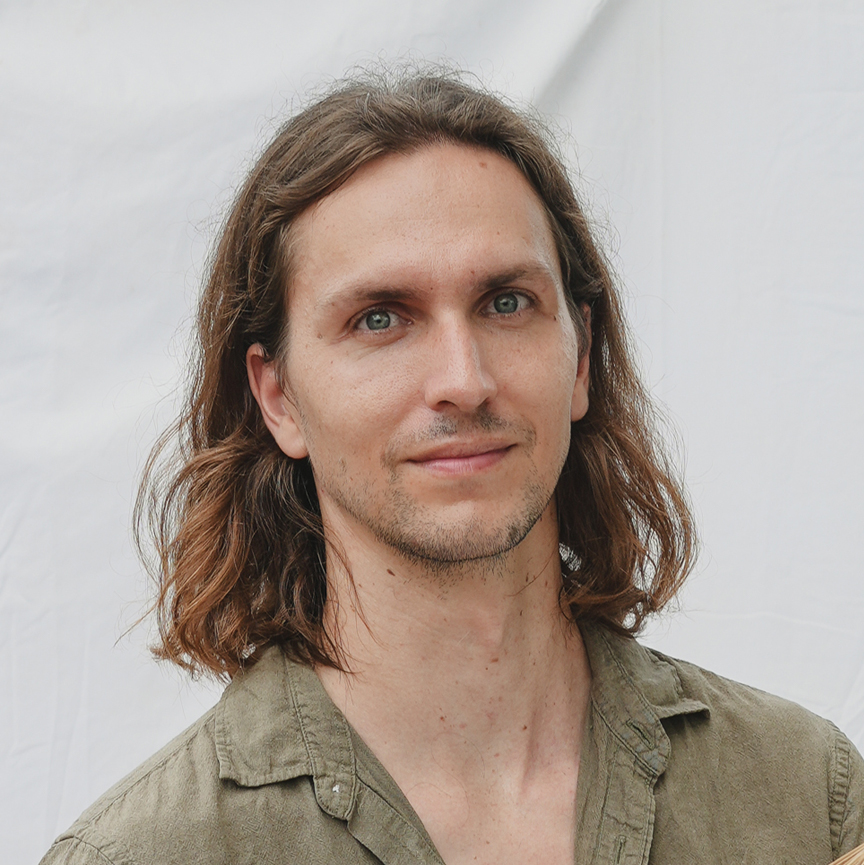
"For the Maloca Dome it was very helpful to dig into the vernacular architecture in Costa Rica. While carrying out research with local architecture design studio Loop, we noticed traditional building shapes dating from the pre-Columbian time in Costa Rica" – Lucas Schlüter


















Designed to restore neglected land and renew the identity of Iraq’s capital city, Baghdad Sustainable Forests promises a new way of living surrounded by nature. Gensler’s Ian Mulcahay tells us why he thinks the project could become a model for the repair and enhancement of urban centres