Culture
The power of art
As Tadao Ando’s Naoshima New Museum of Art opens on Japan’s ‘art island’, Magali Robathan asks what this unique project can teach us about using art and architecture as engines for positive change



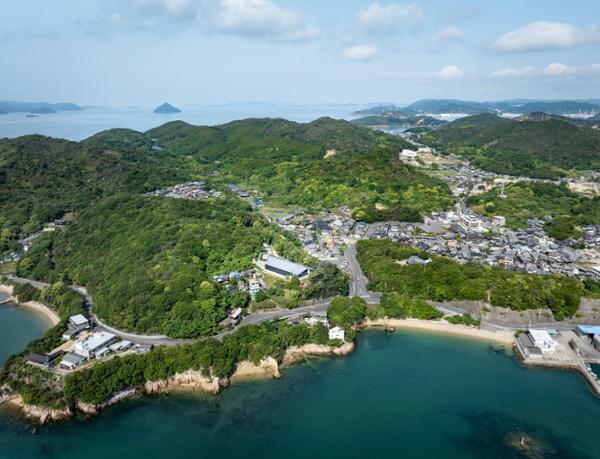
The end of May 2025 saw the launch of the latest addition to one of the world’s most remarkable art and architecture-led transformation projects.
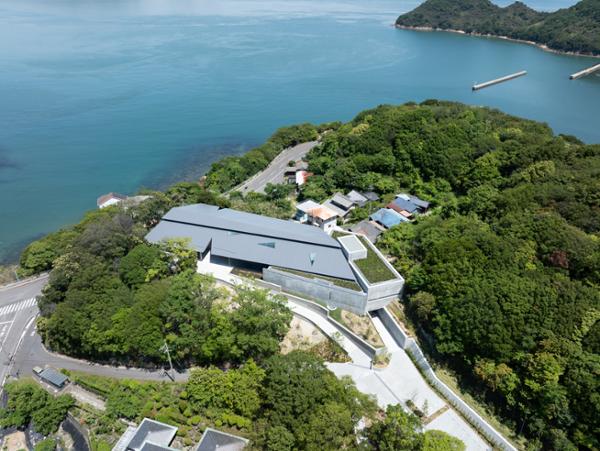
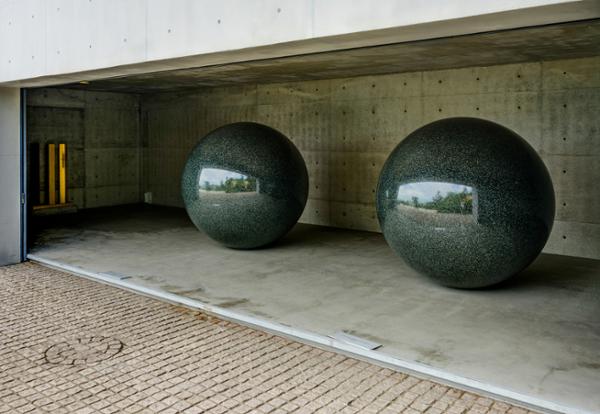
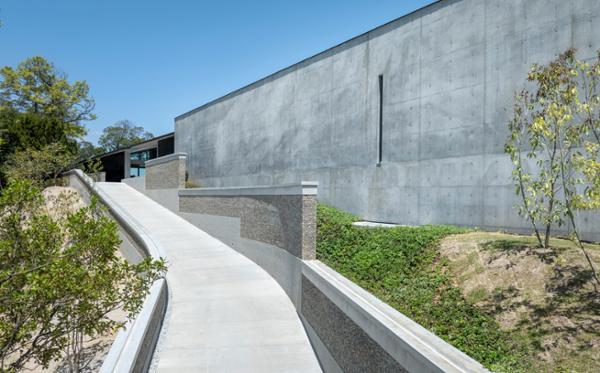
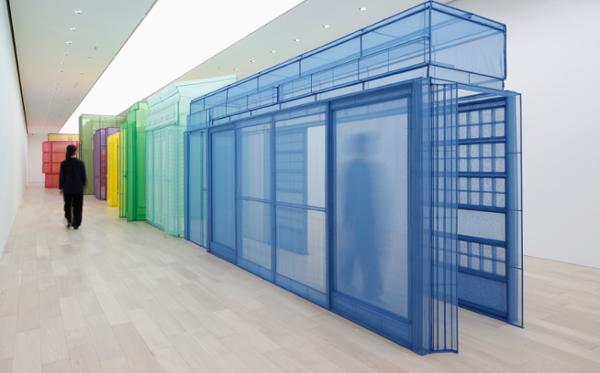
Naoshima New Museum of Art, designed by Tadao Ando, focuses on contemporary Asian art, with the opening exhibition featuring installations of works by creatives from Japan, China, Korea, Indonesia, Thailand and the Philippines. Nestled into the hillside, the building has been designed to harmonise with the landscape and bring together art, architecture, nature and daily life.
The new museum is the tenth building designed by Ando for the Benesse Art Site – a decades-long project that has seen the small Japanese islands of Naoshima, Teshima and Inujima in Japan’s Inland Seto Sea transformed into unique cultural destinations that attract people from all over the world.
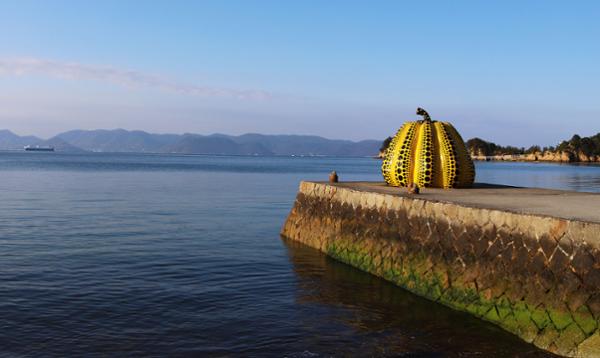
Once scarred and heavily polluted by industrial waste, these rural islands now feature a total of 19 world class museums, galleries and installations designed by high profile architects including Tadao Ando, Ryue Nishizawa, Sou Fujimoto and Kazuyo Sejima. The three islands are home to original artworks – many of them designed specifically for the sites in which they sit – by the likes of James Turrell, Yayoi Kusama, Andy Warhol, David Hockney and Jean-Michel Basquiat., while Taichi Kuma, son of Kengo, has also designed an installation: www.spabusiness.com/taichikuma.
More than 30 years have passed since Ando first collaborated with billionaire businessman and art lover Soichiro Fukutake, who is behind the transformation of these once sleepy islands. Ando’s first building for the project was Benesse House Museum – a contemporary art museum and hotel that kick-started the renaissance of Naoshima when it opened in 1992.
“Working on this new museum project, more than 35 years since I first met Mr Fukutake, I am drawn more than ever to follow his liberal spirit and strong will, now and going forward into the future,” says Ando, as the Naoshima New Museum of Art opens.
An act of resistance
In the early 1980s, Naoshima, Teshima and Inujima were in a state of decline, heavily polluted and suffering from depopulation as young people left in search of opportunities on the mainland.
In 1985, the founding president of Fukutake Publishing Tetsuhiko Fukutake met with Naoshima’s Mayor Chikatsugu Miyake to talk about his dream of creating a campground for children around the world to meet. Both men agreed that Naoshima would be the perfect place for such a facility.
Six months later, when Tetsuhiko Fukutake died unexpectedly, his son Soichiro Fukutake returned from Tokyo to the family home in Okayama to realise his father’s dream. As he got to know Naoshima, Fututake was horrified by the environmental damage he saw.
In a conversation between Ando and Fukutake filmed for the Benesse Art Site Naoshima youtube channel, Fukutake shared his shock. “The Seto Inland Sea was the first area of Japan to be designated as a national park, even before Mount Fuji,” he said. “In such a beautiful area, factories had been constructed, toxic pollution was illegally dumped, and people suffering from Hansen’s disease were banished from society.
“Those actions were disgraceful in my mind. Artists use their paintings or their art to express their feelings. I wanted to use Naoshima as a canvas to express my own.”
“This project began as an act of resistance.”
Inspired by the islands’ traditional way of life and residents’ connection with nature, Fukutake changed the family business name to Benesse (meaning well-being), and made the decision to use art and architecture as the catalyst to revitalise the region.
translating the dream into reality
In the late 1980s, when Fukutake invited Tadao Ando to help him realise his vision, Ando was initially unsure.
“Art museums on Naoshima?” he said, in the Benesse Art Site Naoshima conversation with Fukutake. “I was surprised by the idea, and thought that it would be difficult to achieve. At the time, it was taken for granted that a project should offer easy access, be a practical concept, and make financial sense. All of that was missing from this location.”
Fukutake managed to convince Ando to design Benesse House Museum, a ‘museum with lodgings’ that allows visitors to stay in an art gallery. The museum embodies the philosophy of the Benesse Art Site project, which is that art should not be separate from life, but should be a natural part of it, bringing people together and helping them to interpret the world around them.
“When Benesse House Museum opened, about 30,000 people visited in the first year, and it didn’t take long before 70,000 or 80,000 people were visiting, bringing a lot of energy to the island,” Ando said. “Although the residents of the island weren’t very receptive to having so many visitors at first, they began feeling the excitement, and some started talking about opening a restaurant, café, or lodging establishment. I was particularly surprised by how the elderly residents were energised. At that time, I thought things could turn out really well.”
Ando was right. Things did turn out really well. Today almost a million people a year visit the islands to see the artworks and the architecture, and Ando went on to design a further nine buildings for the project. Ando’s other projects include Ando Museum – a minimalist concrete box housed inside a 100-year-old traditional wooden house that tells the story of his involvement with Naoshima – and Chichu Art Museum, a subterranean building dedicated to works by Claude Monet, James Turrell and Walter de Maria. His latest museum, Naoshima New Museum of Art, aims to deepen visitors’ connection with Naoshima’s history and culture.
Naoshima New Museum of Art
From the beginning, the vision for the Benesse Art Site project was to transform the islands into special places where art and architecture, nature and people co-exist in harmony.
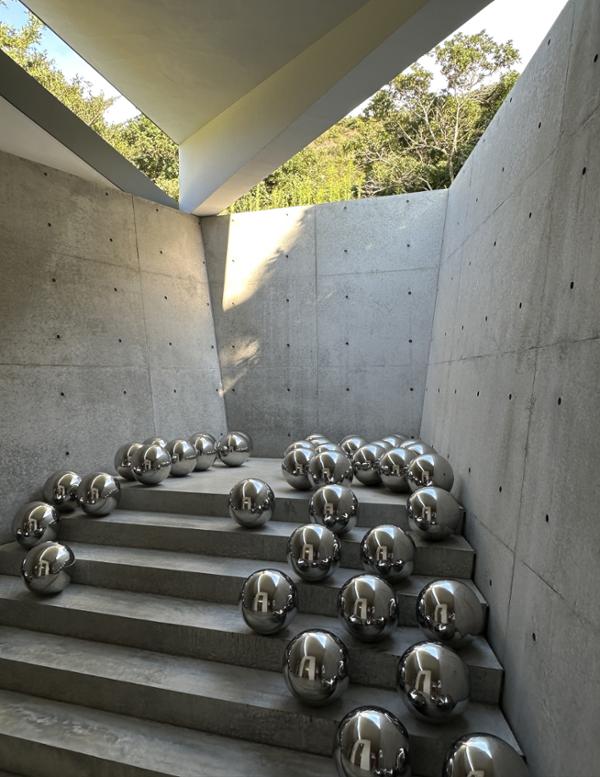
All of Tadao Ando’s buildings on the islands have been carefully designed to enhance the beautiful natural landscape – several are partially embedded into the ground, views of the surroundings are integral, and many feature open sections allowing the wind, sounds and light to become part of the architecture.
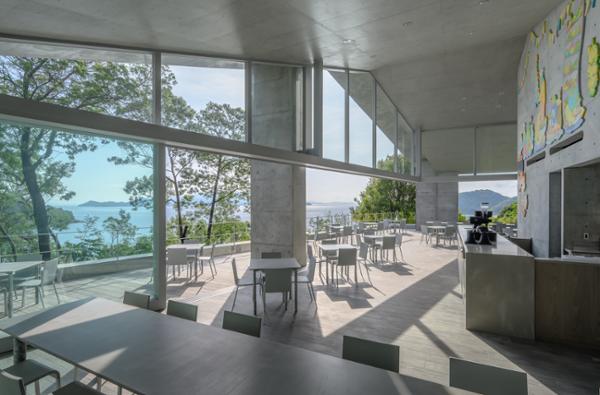
With the Naoshima New Museum of Art, the slope of the roof reflects the museum’s hillside location, while the exterior is clad in black plaster, inspired by traditional charred cedar walls. A wall created from stacked pebbles has been designed to blend with the surrounding landscape of the Honmura area, and natural light is a key part of the design. Visitors arrive via an entrance that opens onto a panorama of the Seto Island Sea, where they can watch fishing boats coming and going.
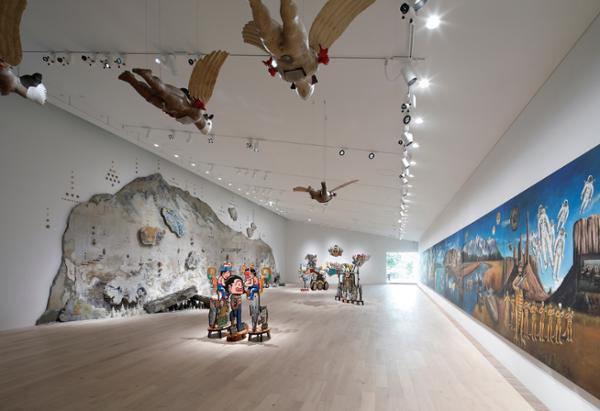
The museum features four gallery spaces spanning 1,500 square metres in a three-storey building that comprises two basement floors and a ground floor. Unlike the other museums on the islands, which mostly exhibit permanent works of art, the Naoshima New Museum of Art will offer an evolving programme of exhibitions and events, with the aim of encouraging people to visit the facility many times.
Revitalising the community
The Benesse Art Site project has generated hundreds of millions of dollars for the local economy, and has led to the creation of a new sector of businesses catering to visitors. While the islands are still mainly populated by older residents, young people now visit in huge numbers, interacting with and learning from the locals. In turn, according to Fukutake, elderly residents have experienced a new lease of life.
“I have seen the seniors of Naoshima become increasingly vibrant and healthy by developing an appreciation for contemporary art and interacting with young people visiting their island,” Fukutake said. “As a result, I now define a happy community as one that is filled with smiling seniors who are masters of life.
“If these masters of life are cheerful, even if their physical strength and memory may be slightly weakened, it means that young people can hope for their own futures to be bright, despite the existential anxieties they may have.
“This is similar to the phenomenon of mother-child interaction, where a baby smiles when her mother smiles. The smiles of seniors also make younger people smile.
“Culture has such a big role to play. I believe that contemporary art has the power to awaken people and transform regions.”
For Tadao Ando, the project has been transformative on a personal and public level, and he has said that he hopes that the model will be replicated elsewhere.
“One reason why Naoshima attracts international attention is because no other place is like it,” he said. “Since it’s so unique, people come to visit from around the world. It would be great if others would adopt the approach that has been taken on the island. Then more unique places would pop up around the world.”
Shaped like a water droplet, this museum was the result of a collaboration between architect Ryue Nishizawa and artist Rei Naito. It stands on the slope of a small hill on the corner of a rice terrace on Teshima, which was restored in collaboration with the local community.
Inside, the museum’s large 1,958sq metre space, an installation by Naito sees beads of water emerge from small holes in the floor, moving across its surface to create an ever-changing landscape. Two large openings in the roof allow wind, sounds, and light to enter from the surrounding area so that the landscape itself becomes part of the artwork.
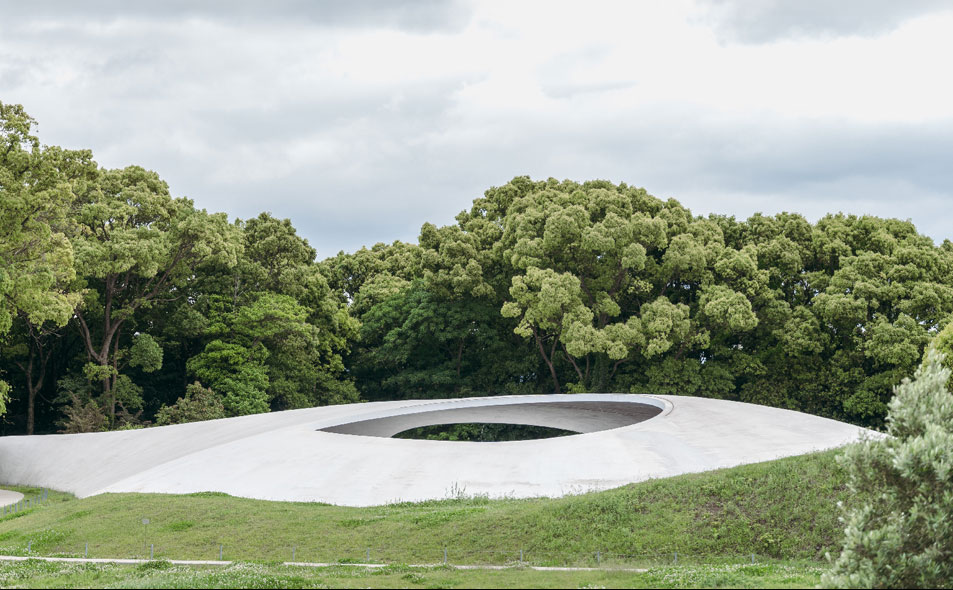
This Tadao Ando-designed museum, opened in 2004, houses permanent displays of artworks by three artists: Claude Monet, James Turrell and Walter de Maria. The museum was built mostly underground (chichu means ‘in the ground’ in Japanese) to minimise its impact on the landscape and ensure it blends into the scenery.
The museum was conceived as a space where architecture and art could exist as a single entity, with each gallery designed specifically to house the artworks of the featured artist. To achieve this, Ando collaborated closely with Turrell and De Maria, and created openings to the sky designed to let in natural light in a way that complements and highlights the artworks.
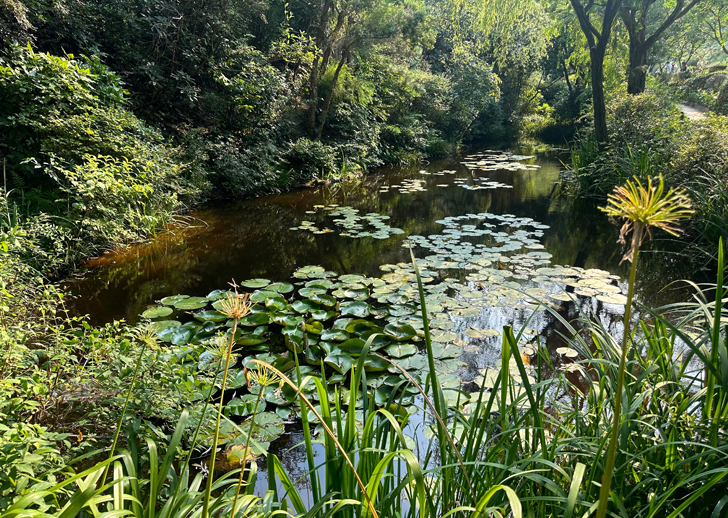
In this ongoing project, artists are invited to turn empty abandoned houses into works of art, incorporating the history and stories of the homes and surrounding community. Visitors go from one house to another, passing through the residential Honmura district and interacting with local residents as everyday life takes place around them. While they explore the artworks, they also learn about an older way of life that is disappearing, and residents become more aware of the worth and beauty of their town.
The project began in 1998 with Kadoya, which saw a 200-year-old wooden home repurposed to house artworks by Miyajima Tatsuo including an LED display on a large pool of water. Today, there are seven locations, scattered around the Honmura district.
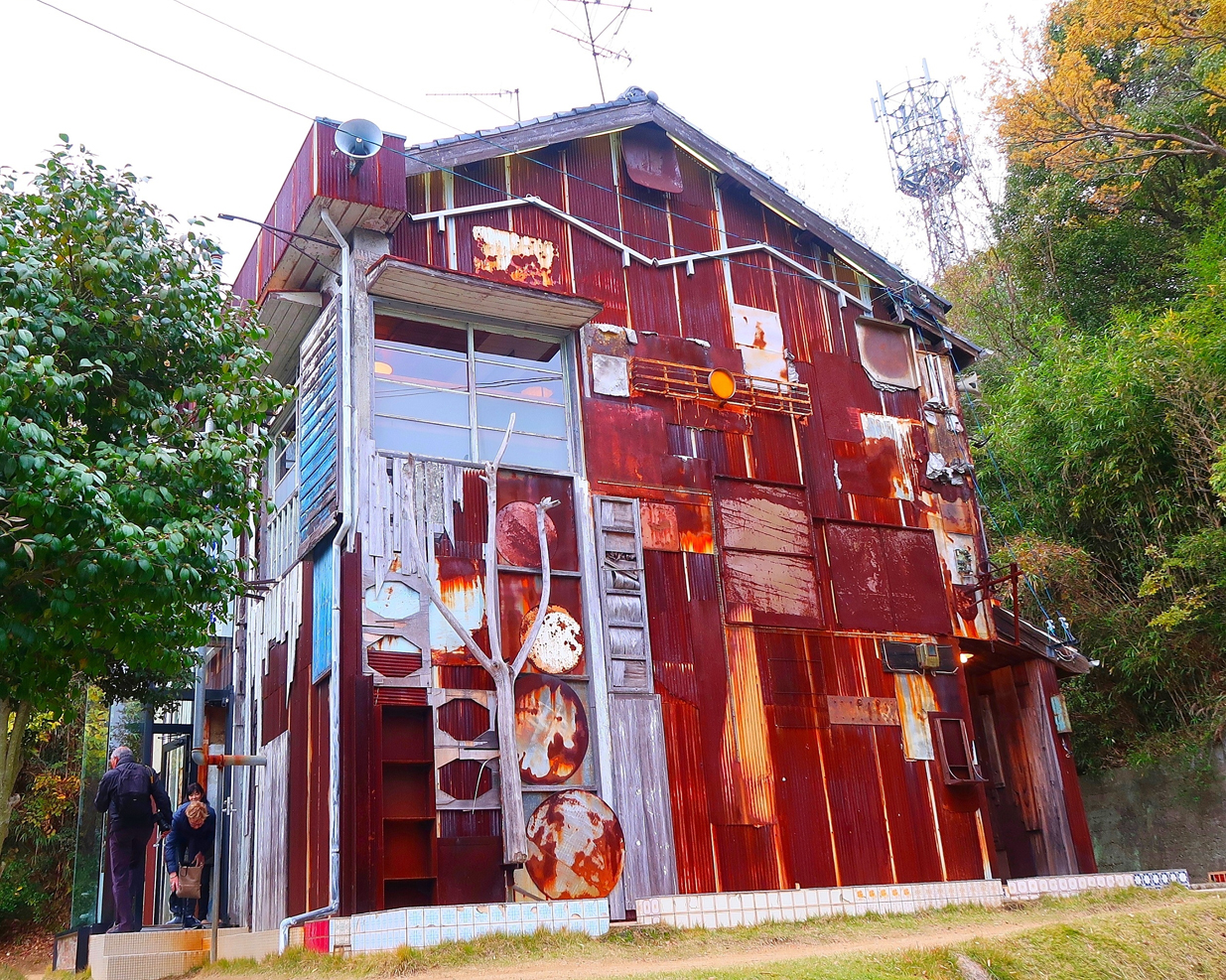
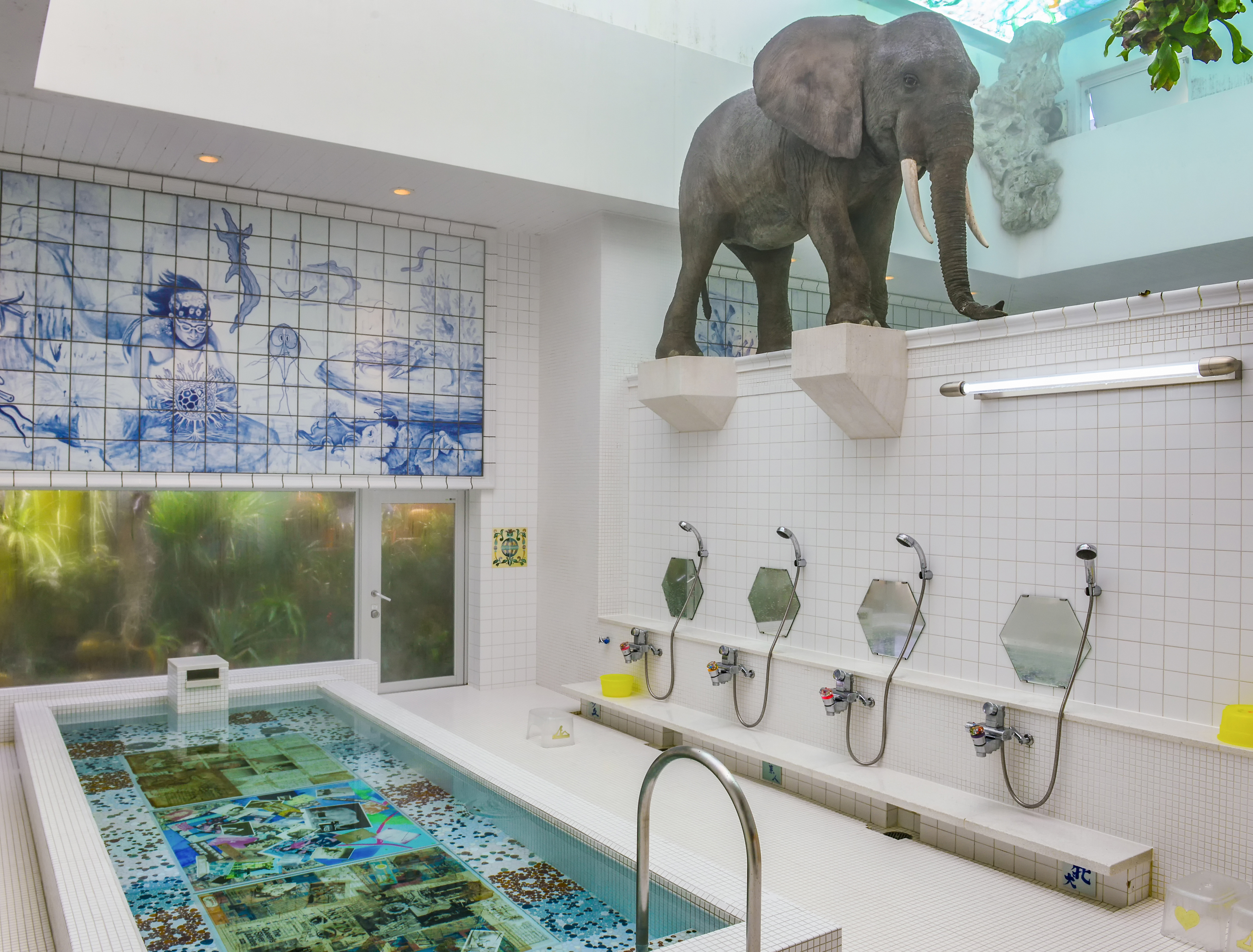
Created by artist Shinro Ohtake and opened in 2009, this is a welcoming space where visitors and residents can literally immerse themselves in the artwork.
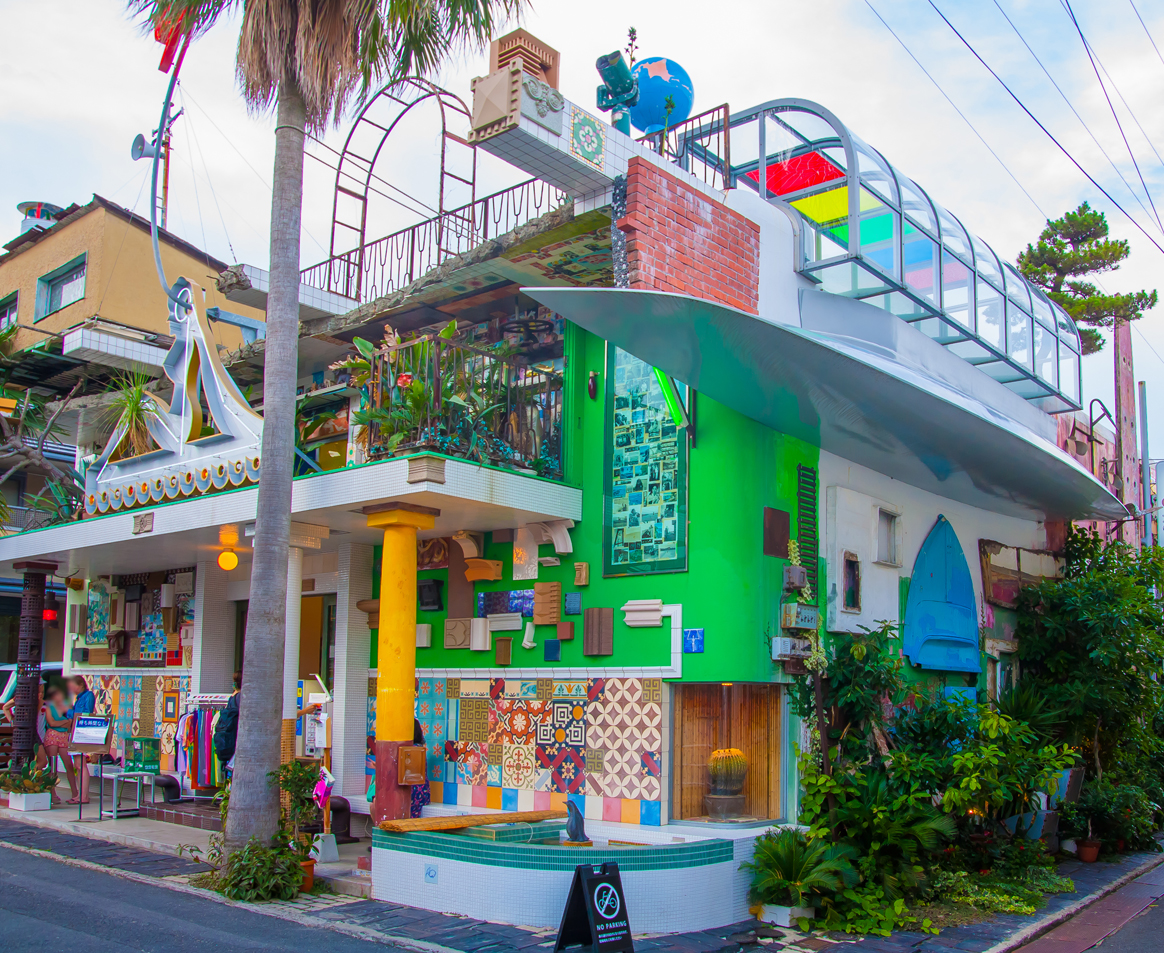
A combination of art museum and sento (public bathhouse), Naoshima Bath “I♥︎湯” was created to provide both a place for Naoshima residents to rejuvenate and as a venue for exchanges between Japanese and international visitors and locals to take place. The exterior and fittings of the bathhouse, from the bath itself to the pictures decorating the walls, the mosaics, and even the toilet fittings, all reflect the universe of the artist.















Designed to restore neglected land and renew the identity of Iraq’s capital city, Baghdad Sustainable Forests promises a new way of living surrounded by nature. Gensler’s Ian Mulcahay tells us why he thinks the project could become a model for the repair and enhancement of urban centres