Foresight
HCM Fitness trends
Kath Hudson and Liz Terry take a look at new trends impacting the industry




As the world’s population ages and healthspan and longevity become a priority for consumers, we expect to see the emergence of more brain training offerings.
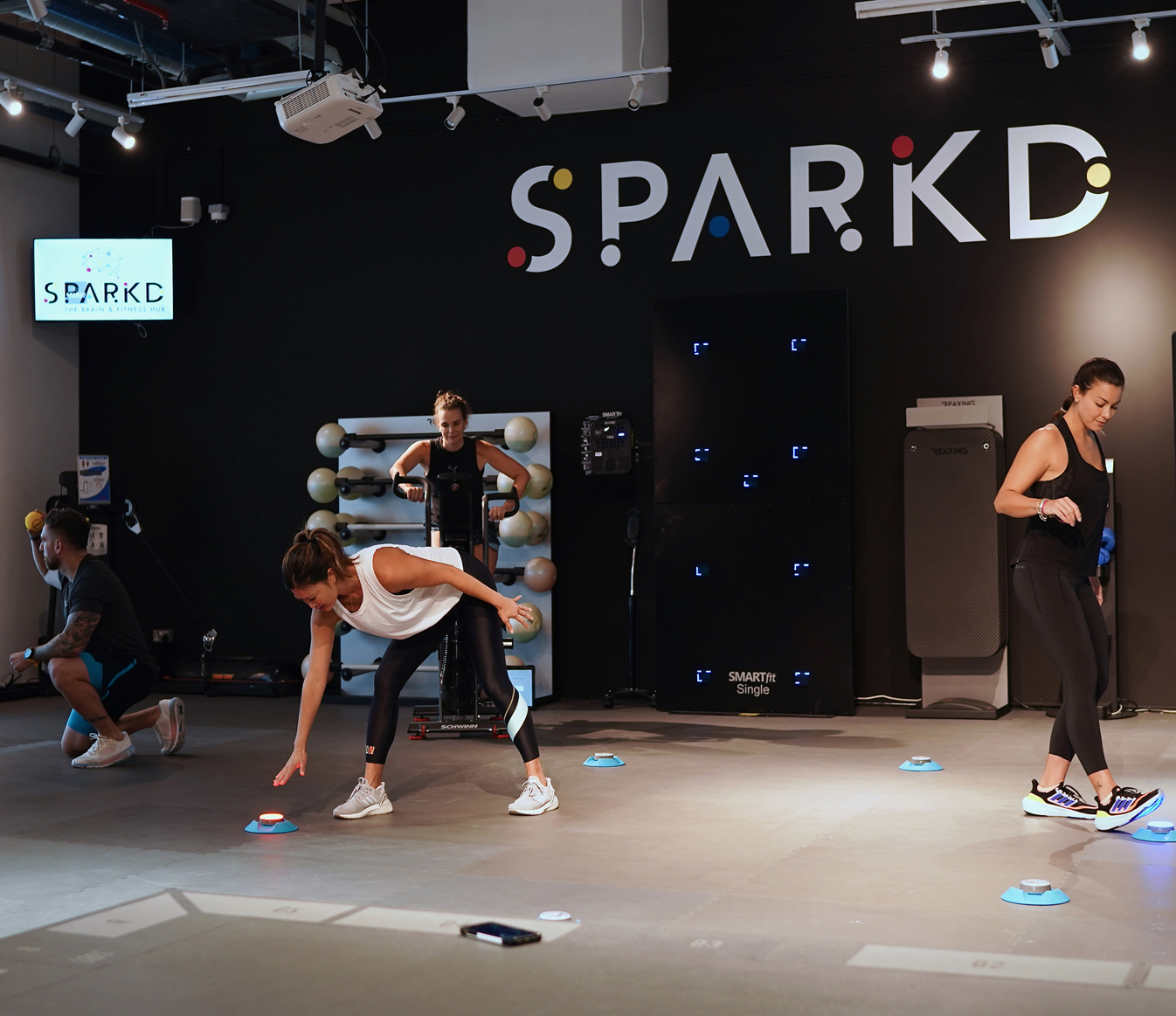
Anna Milani’s Sparkd Fitness in Singapore is pioneering brain-body fitness solutions, while in the spa and wellness sector, operator Clinique La Prairie is getting in on the action with brain training programmes.
Sparkd’s multi-component training modality includes cardiovascular and strength training, coordination and motor-skill training, as well as cognitive motor training or dual-task training. An example might include doing squats while working on maths or memory games on a screen.
Studies show dual-tasking – doing two things at the same time (which is different from switching attention from one stimuli to another) increases neuroplasticity, which yields brain health benefits in everyday life. Designed to enhance physical and cognitive abilities, the process optimises brain-body performance.
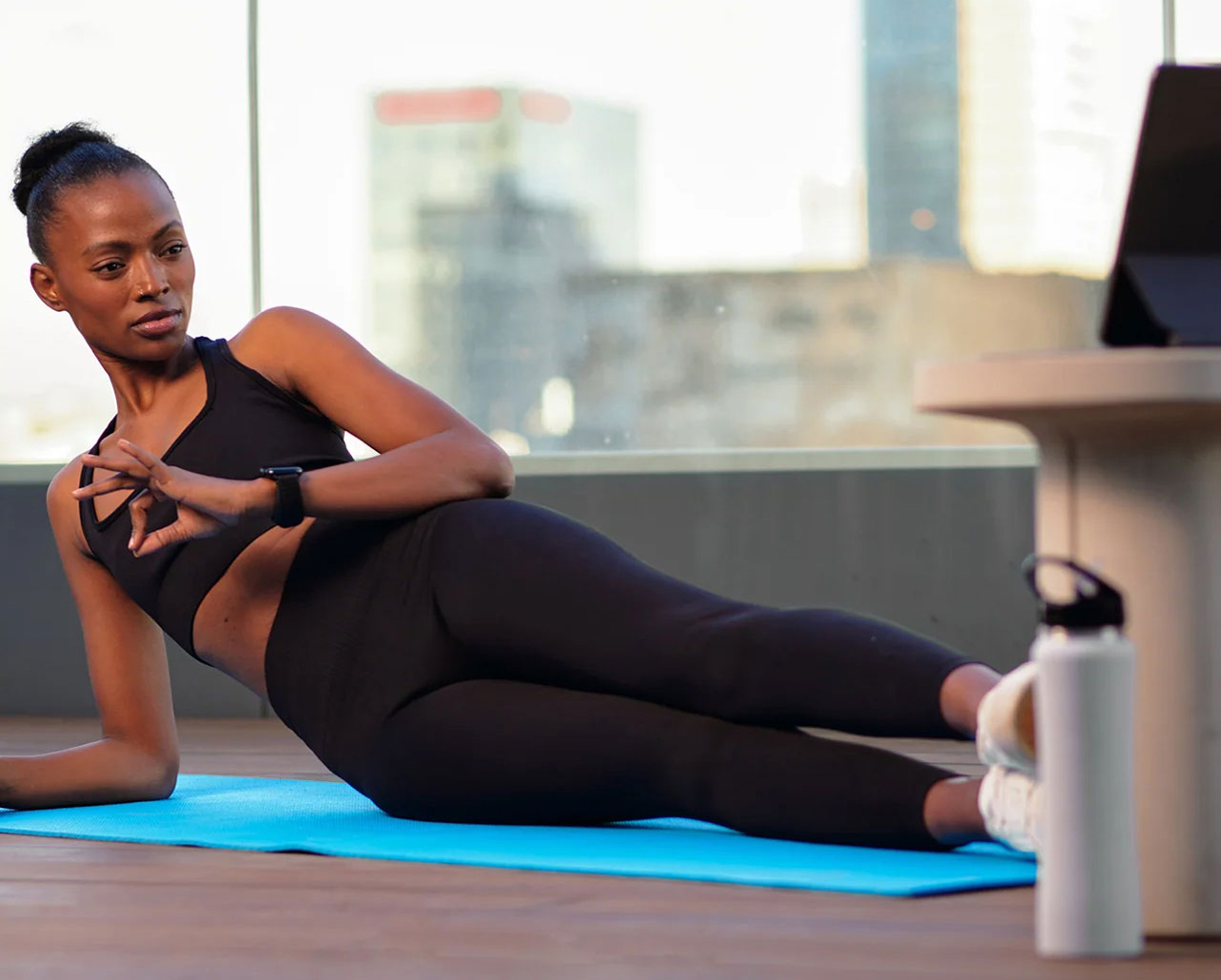
Momentum is building around exercise and female empowerment as health club operators tap into consumer insight that tells them women want more.
Women-only club-in-club concepts are allowing women the space to exercise away from the male gaze – as some see it – while operators are working to better align with current research on cycle-syncing – tailoring workouts to the menstrual cycle – as well as offering things such as menopause support and specialist pelvic health programmes, which are also finding an audience with and benefiting men.
Women are engaging with the strength training boom, inspired by both fashion and experience as they claim their rightful place in the free weights area.
We expect demand for specialist female-centric offerings to continue to grow as access to these interventions increases and expertise becomes more widely accessible through organisations such as Baz Moffat’s The Well HQ.
There’s increasing awareness that the majority of research studies into exercise and also the vast majority of medical studies that exist were conducted on male-only cohorts, even where the studies related to female health. This is now starting to change, so our basis of understanding of women and exercise will improve exponentially going forward.

As global temperatures increase, billions of people are being exposed to heat and humidity so extreme it’s life threatening.
As a result, we expect people in some parts of the world to become nocturnal as they adapt to these living conditions and for health club operators to accommodate these trends with things such as 24/7 operations, special cooling rooms, night-time food service and Vitamin D lamps.
With the push to reduce carbon emissions, building designs will also need to be adapted to reduce reliance on conventional air conditioning, with solar battery powered fans and night air capture systems, as well as moving water being used to cool spaces.
Research undertaken by the Penn State College of Health and Human Development found large parts of the planet, including China, India and Pakistan are likely to experience ‘unsurvivable’ heatwaves in the near future – humans can cope with temperatures over 50C if there is low humidity, but anything over 35C with high humidity is unsurvivable, as there is no way to cool by sweating.
When global temperatures hit 2C above pre-industrial levels, four billion people in India, China and Africa will experience many hours of heat each year that surpasses human tolerance, say researchers.
At 3C above, this effect will impact the US – from Florida to New York and Houston to Chicago – as well as South America and Australia.
At 4C, parts of Yemen, for example, will get 300 days of unsurvivable heat a year. All nations will be impacted to a degree and people will need to adapt to survive.
We believe the use of virtual reality, mixed reality and other immersive technologies by consumers in the health and fitness sector will take a leap forward with the development and adoption of gesture-tech.
One example of this emerging technology is the recently-launched Mudra Band for Apple Watch. This ‘watch band replacement’ uses Surface Nerve Conductance sensors to capture neural signals that are transmitted to the brain from a user’s wrist and finger movements. These are then used to control Apple devices using simple ‘air touch’ hand and finger gestures.
Gesture-tech will redefine how humans interact with technology, eliminating the need for physical contact and making the experience more fluid and intuitive, while also enhancing the use of virtual and mixed reality applications.
Mixed reality – a blend of physical and digital worlds delivered via a headset – is increasingly being used to create immersive exercise experiences. Les Mills and Odders Lab have launched Bodycombat XR and Les Mills Dance XR, for example. However, the current systems still require the use of hand-held controllers, which can limit natural movement.
We expect gesture-tech to eventually replace these controllers, enabling consumers to enjoy a more intuitive experience and anticipate that health club operators will then create experiences for members by designating special immersive studios for use with mixed reality and gesture-tech to create workouts that bring a new dimension to their offering.
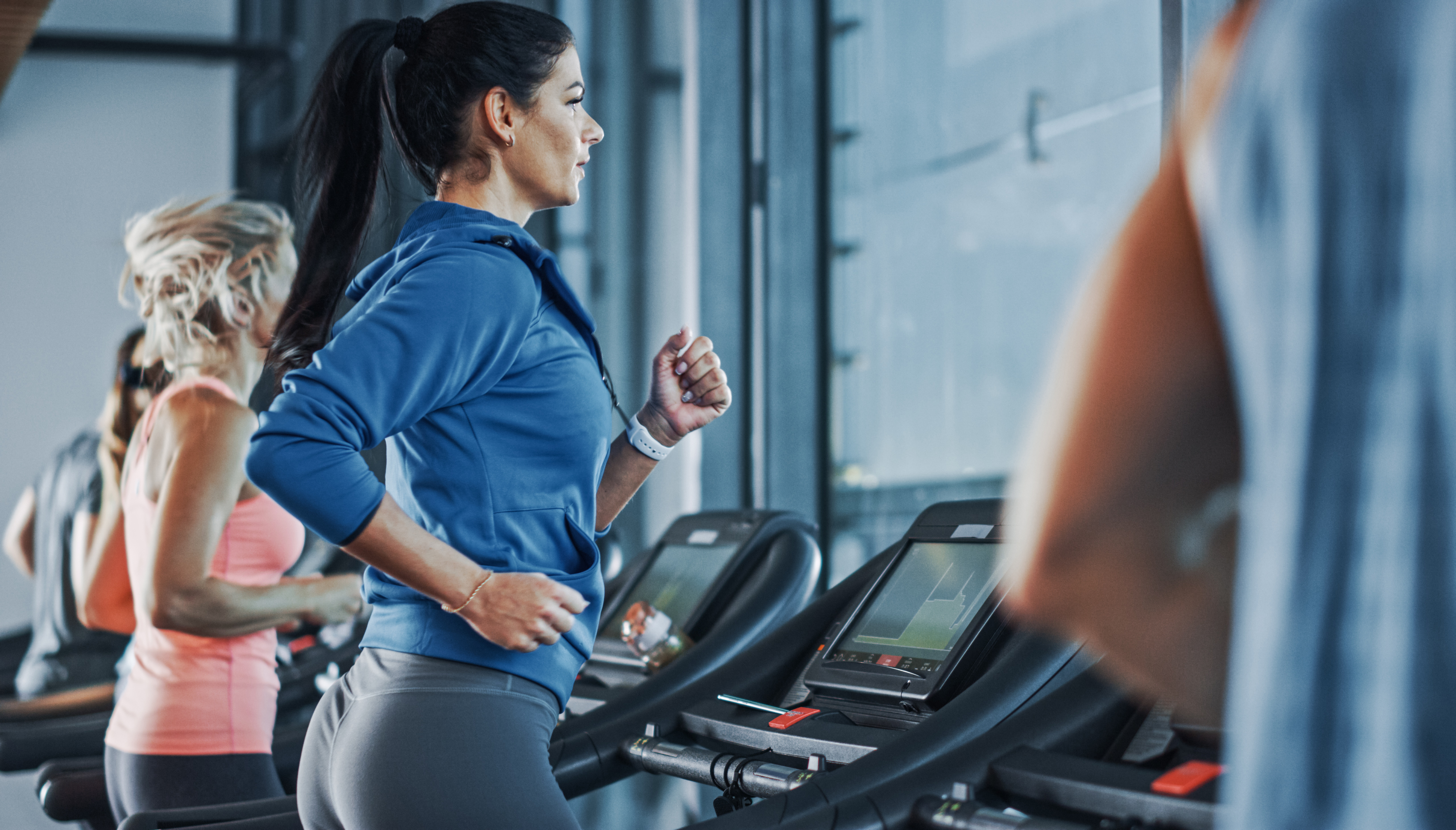
The strength training boom is leading to a decline in the provision and use of cardio equipment in health clubs, however, we expect this trend to reverse and for operators to begin to ramp up the promotion of cardio as research increasingly shows the importance of cardiovascular and cardiorespiratory health to longevity and the importance of balancing strength and cardio.
Having good levels of cardiorespiratory fitness cuts disease and premature death by 11 to 17 per cent according to new research from the University of South Australia.
Theirs is the first study to collate all the scientific evidence that looks at the link between cardiorespiratory fitness and health outcomes among adults.
Published in The British Journal of Sports Medicine, it comprised 26 systematic reviews representing more than 20.9 million observations from 199 unique cohort studies.
The study showed that those with low levels of cardiorespiratory fitness are far more likely to die early or develop chronic conditions, such as heart disease, later in life.
Another study – Aerobic, resistance, or combined exercise training and cardiovascular risk profile in overweight or obese adults by Iowa State University found that while strength training gives valuable muscular gains it doesn’t give the heart health benefits of aerobic exercise.
The newly-released study, which was published in the European Heart Journal, found that either full cardio or 50:50 strength and cardio are the most effective exercise programmes to protect the heart.
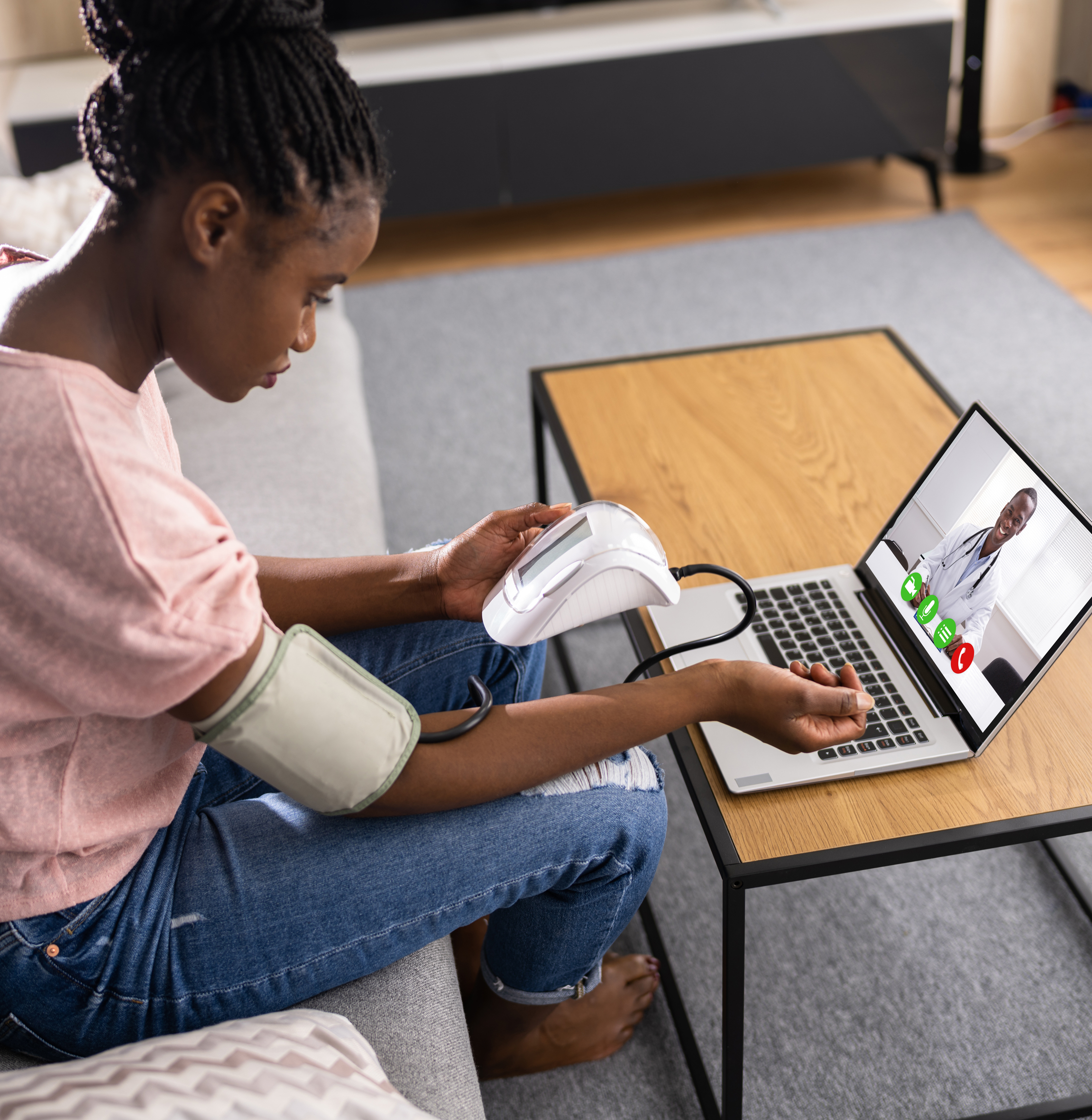
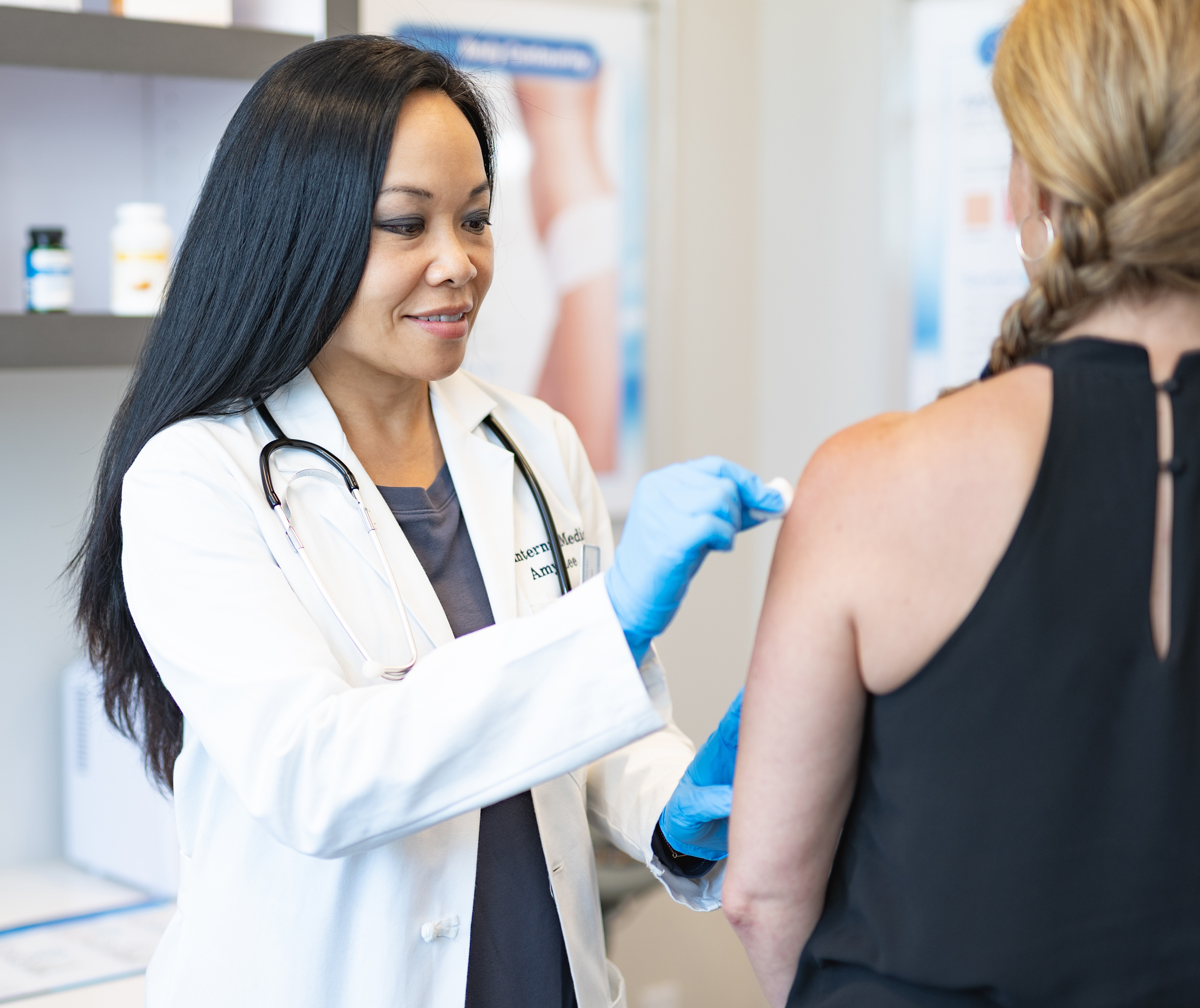
Operators are blurring the lines between health and fitness and the medical sector by offering medical memberships as an upsell to health club memberships.
They’re also branching out with dedicated medical wellness offerings based on prevention, as interest in health continues to grow and consumers find it increasingly difficult to access medical advice – and also guidance on wellness – through more conventional channels.
Examples of early adopters include US operator, Life Time, with its Miora medical wellness offering and UK-based Everyone Active which launched an Everyone Wellness membership with a fee of an additional £20 per month (US$26 €24). This entitles members to medical advice from qualified doctors via telephone consultations.
Everyone Wellness is being offered via a partnership with tele-health outfit, Health Hero and has had strong take-up. Health Hero is also known to be working with other health and fitness operators.
We expect to see growth in the up-selling of health and medical services and also wellness services across the sector as operators look for new revenue streams and members see a natural fit between the preventative approach of their health clubs and the access to both preventative and curative medical interventions through partnership agreements and additional, frictionless subscriptions.
As the market matures, we’ll continue to see new business models coming to market in the small-cost space.
Early developers of health clubs in the 1980s had their choice of locations, however, the sector has been built out substantially over the intervening 40 years in some markets and today investors in these locations are getting more creative to continue to grow their market share.
When it comes to finding great locations for health clubs and studios, one of the biggest opportunities will be to develop clubs in rural locations, as well as in areas with low populations and sites which infill more densely-populated areas. We expect to see increased activity in all these instances.
Succeeding in these locations requires a lower cost base and we anticipate there will be more concepts developed in the small-cost category as a result.
Costs can be reduced by simplifying the fit-out, specifying refurbished rather than new equipment and going staffless or operating with lower staffing levels.
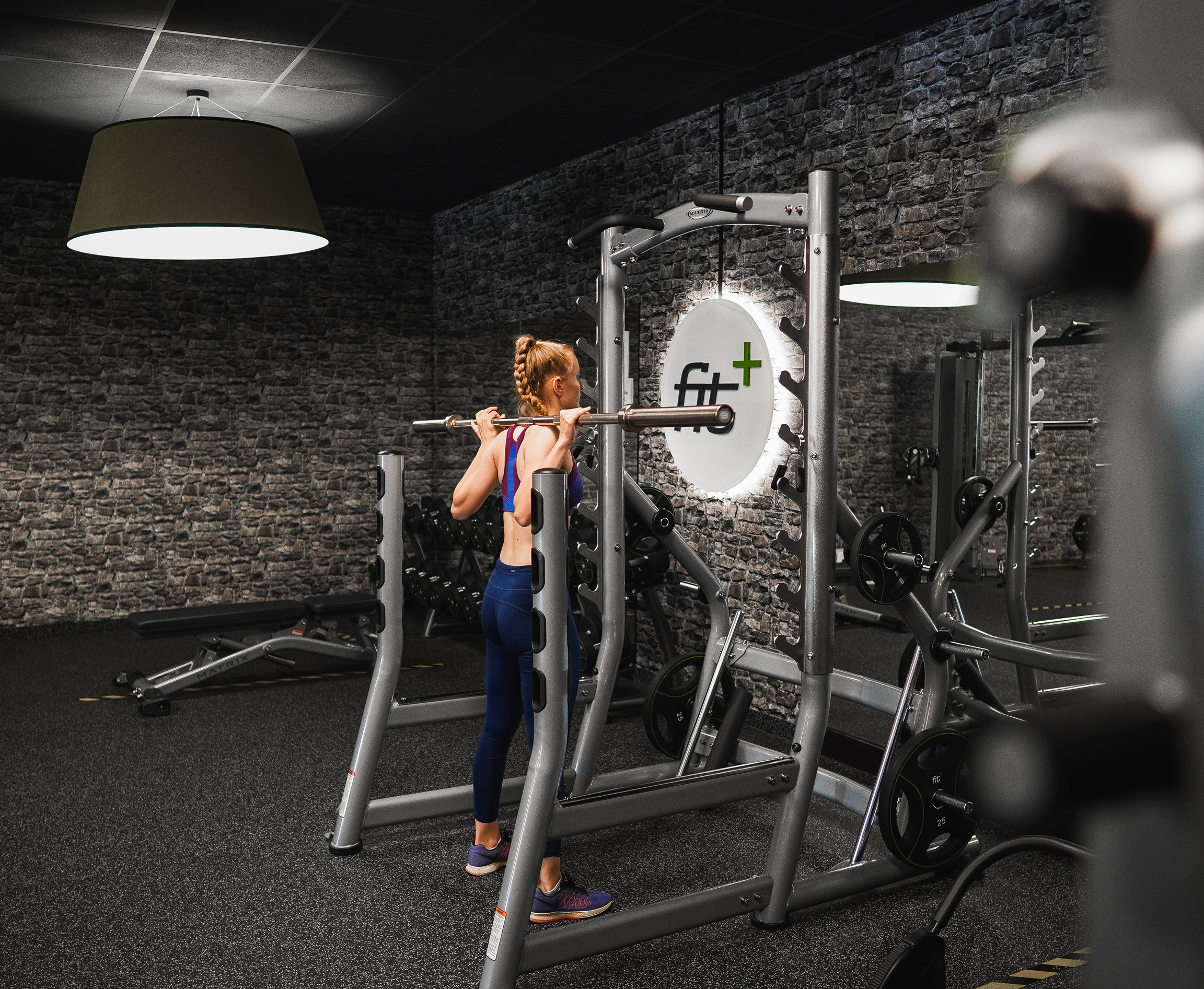
Concepts already emerging in this space include Fitness Up in Portugal, which is cutting costs by using refurbished kit, Fitomat in Germany and FitActive which runs 100 clubs in Italy – both operating partially without staff and German operator Fit+, which is staffless and rolling out by franchising in a partnership with Empowered Brands.
Major operators such as PureGym are also looking at smaller-footprint models to enable them to enter rural and less populated areas, while most larger scale operators are value-engineering their fit-outs.
We also expect small-costs concepts to find a natural home in corporate wellness settings, as more companies embrace the need to support the wellbeing of their people.
While health club operators are largely concerned with delivering strength training, group exercise, cardio and now recovery and Reformer Pilates, we expect a market to emerge for body sculpting exercise.
Modalities which exercise the micro-muscles – also called the accessory muscles – have been around for many decades and been delivered by specialist studios, but their power to change body shape, create greater flexibility and improve power, function and balance makes them attractive to consumers who are currently discovering Reformer Pilates in their droves and open to trying allied disciplines.
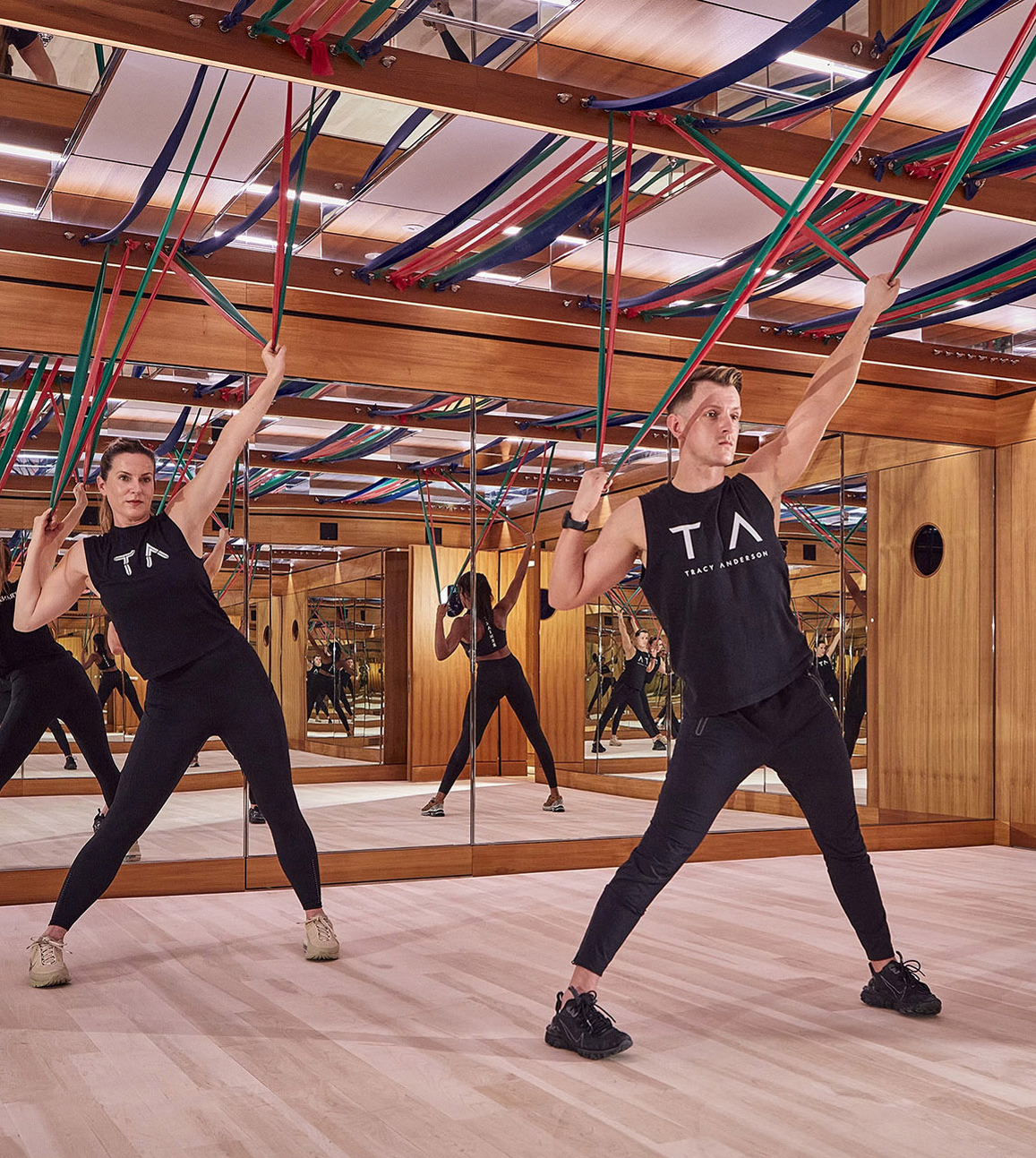
New to London this year is wellness club Surrenne at The Emory, which has partnered with renowned specialist, Tracy Anderson, whose Method has transformed the physiques of actors including Gwyneth Paltrow – also now Anderson’s business partner – Jennifer Lopez and Robert Downey Jr.
Anderson’s studio at Surrenne offers muscular structure choreography, dance cardio classes, and the Tracy Anderson Mymode programme and apparatus, as well as Anderson’s patented Super-G floor and isokinetic band system.
Also gaining traction is the Lotte Berk method, which was developed by dancer Lotte Berk in 1959, basing it on 19 movements that use the ballet barre.
Inspired by the method is New York operator Physique 57, while Berk’s daughter, Esther Fairfax, is delivering new training courses for the Lotte Berk Method.
Just as major hotel operators aim to have a flagship property in every world city as part of their portfolio, so we expect the emerging elite of global health club developers and operators to pursue this strategy as they work to establish their premium brands and raise consumer awareness.
Examples include RSG’s John Reed, Equinox, Life Time, David Lloyd and Virgin Active’s premium locations.
In the hotel sector, high-end health clubs are coming to market in world cities with premium price tags and extensive wellness offerings.
Memberships running into five figures are being reported, covering medical wellness, health and fitness and concierge services, as growing wealth inequality means the very rich expect packages that cover all their health (and networking) needs.
Annual hotel health club membership charges north of US$30k (£24k €27k) a year are also now commonplace in the hotel health club sector, as operators play to their strengths in delivering luxury and increasingly recognise health and fitness as a strong generator of cashflow.

With increasing obesity levels, the market for metabolic health services is growing fast, especially in the US, where 42 per cent of the population is obese. We expect this market to increasingly integrate with the health club sector.
Some people come to clubs to lose weight, so the sector is engaging with a demographic that’s responsive and we expect operators to increasingly offer metabolic health services.
US franchise business Xponential Fitness has jumped into the market with both feet, buying metabolic health clinic operator Lindora and integrating it into its wider business as a franchise option.
Lindora offers drug- and surgery-free, medically supervised ketogenic weight loss and education plans based on three pillars, Eat Better, Move More and Stress Less.
The company also offers Zerona laser fat sculpting, weight loss drug programmes and IV hydration therapy.
Another emerging trend will see operators supporting consumers who are using weight loss drugs such as GLP-1.
The growing use of these drugs is creating opportunities for the delivery of complementary services in the form of specialist exercise interventions that help consumers avoid the muscle-loss and reductions in heart muscle that are often associated with rapid weight loss.
We also expect to see the emergence of specialist training courses for PTs to equip them to deliver this support.
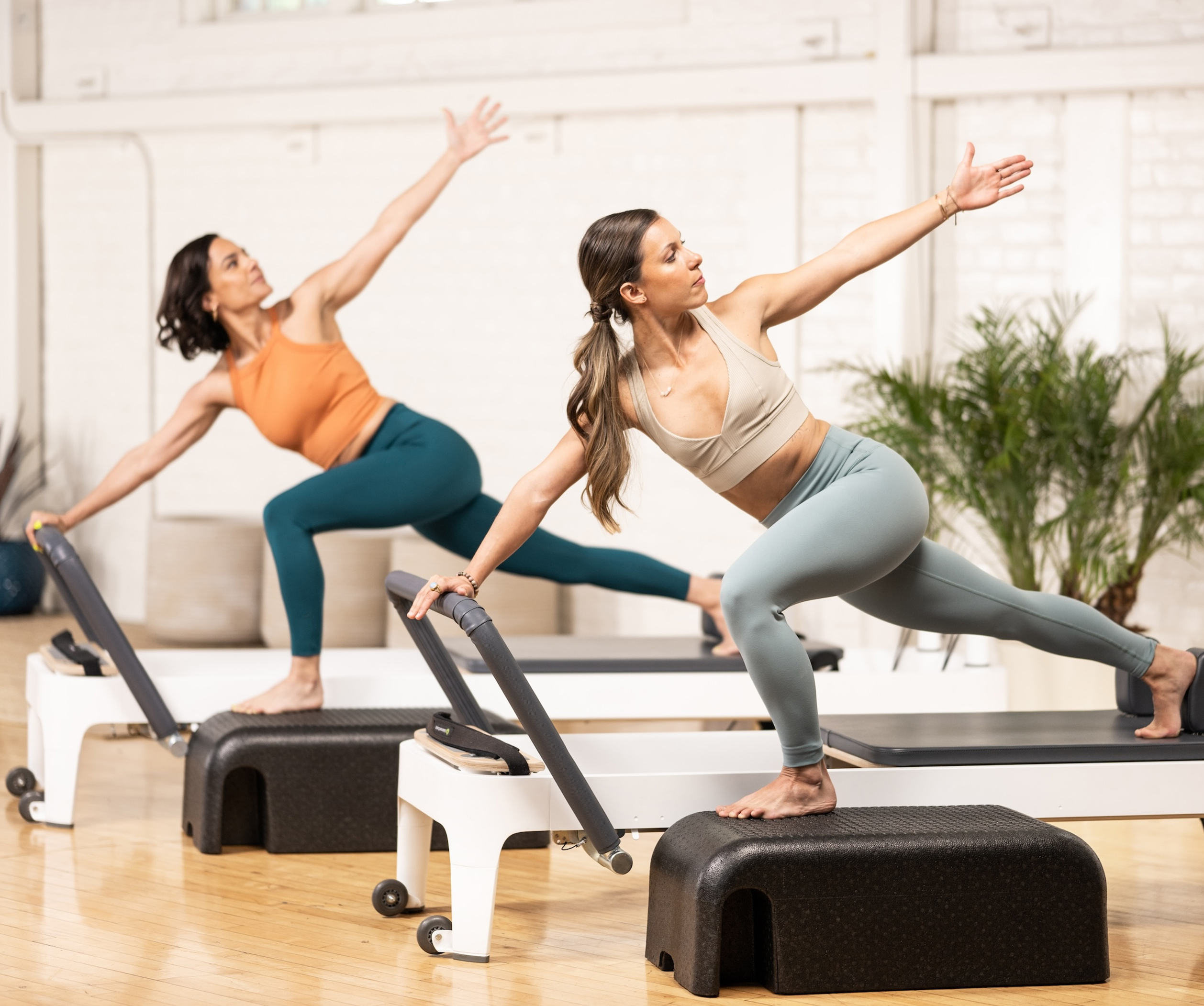
High levels of demand for Reformer Pilates is seeing health club and studio operators devoting ever more studio space to this very effective exercise modality, while running waiting lists due to shortages of instructors.
We expect this trend to accelerate as more people experience and enjoy the benefits and spread the word, triggering a boom in the training of Pilates instructors to enable operators to satisfy member demand.
Although Pilates has been around for decades, growth is being driven by demand- and supply-side factors.
Consumers spent more time sitting during the pandemic, developing back problems and other musculoskeletal disorders that Pilates is effective at unravelling, while social media influencers have amplified this effect.
Classes play to the fact that people love to be coached and also enjoy the social aspects of learning together.
On the supply side, equipment providers have been overcoming operators’ pain points and designing equipment that’s easier to store and handle, while also delivering new intensive training courses that enable instructors to qualify to teach Pilates more straightforwardly.
All these factors have unlocked the growth potential of this respected modality and the industry must ensure standards remain high to maintain this growth.
Globally, around 15 million people will have a stroke in the next 12 months. Five million will die, five million will recover and the other five million will be left permanently impacted, with life-changing disabilities.
Just as swift medical treatment following a stroke can substantially improve the outcome, so rehabilitation, when delivered in a timely way, can help the brain heal and enable people to avoid long-term disability.
The window of opportunity to undertake rehabilitation is short and closes fast and without it people do not recover. The first three to six months are critical.
Health services are failing to deliver the levels of support needed, condemning people to live with permanent brain injury when this is absolutely avoidable.
Two new sets of guidelines lay out clinical best practice for stroke recovery and they are both exercise-related. The National Clinical Guidance for Stroke, published in the UK, recommends six hours of activity a day, to include exercise.
Guidelines from the UK’s National Institute for Clinical Excellence (NICE) recommend three hours of exercise a day, however, most patients received minimal rehabilitation, as therapists struggle to meet demand.
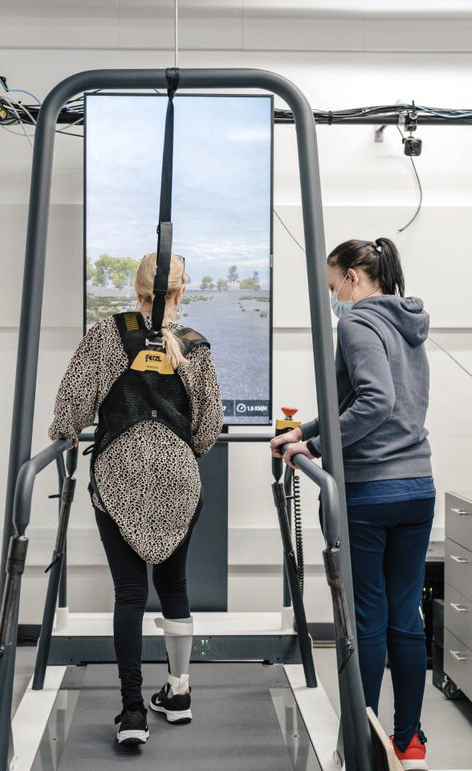
The health and fitness industry is well-placed to address this challenge as part of its remit to widen services into health, and technology can help. At the University of Strathclyde, VR treadmills, power-assisted equipment, balance trainers and upper-limb training systems are being used to assist in stroke recovery and we expect the sector to continue to deepen its commitment to delivering stroke interventions in partnership with health services.
We’ve heard the statistics about the decline in teenage mental health – social media, the pandemic, global warming and an unstable political climate have all contributed.
An analysis of 29 studies – which included 80,000 young people from across the globe – published between 2020 and 2021 found 20.5 per cent had significant anxiety, with the statistics worse among girls and LGBTQ+ youth.
In the US, a recent survey from the Centers for Disease Control found almost 60 per cent of female students had experienced persistent feelings of sadness or hopelessness during the past year and nearly 25 per cent had made a suicide plan, while close to 70 per cent of LGBTQ+ students had experienced persistent feelings of sadness or hopelessness and 25 per cent had attempted suicide during the past year.
Exercise is proven to be more effective than drugs in reducing mild to moderate depression, meaning the health and fitness sector has the power to offer support, yet most operators don’t welcome teens.
We expect the growing crisis to change this situation and for operators to increasingly skill-up to welcome and support younger teens to get them into good exercise habits and help them improve and maintain both their mental and physical health.
Others are taking note too – Yale’s popular Psychology of Happiness course has been retooled for teens, teaching them how to manage stress and engage in evidence-based behaviours that are proven to boost mood.

Healthy life expectancy – the number of years people live without debilitating disease – can vary by decades, depending on where they live.
We expect governments around the world to increasingly take action to remedy health inequalities, partly because good health is a fundamental human right, partly because unhealthy workforces are a drag on economies and partly due to the healthcare and social costs associated with supporting those living with long-term ill health.
In the UK, for example, location is correlated with a variance in healthy life expectancy of 17 year and lifespans that are shortened by up to nine years.
People living in some parts of the country are also twice as likely to have a disability or health condition.
Exercise is part of the solution and in the City of Bogata in Colombia, the government is spending US$176 million a year to pay 1,600 exercise professionals to deliver physical activity interventions in the community.
In the UK, government quango Sport England is investing £250 million to support local spaces where people can be active, such as facilities, parks and outdoor spaces, with the majority of the funding focused on the 80-100 locations that are most in need.
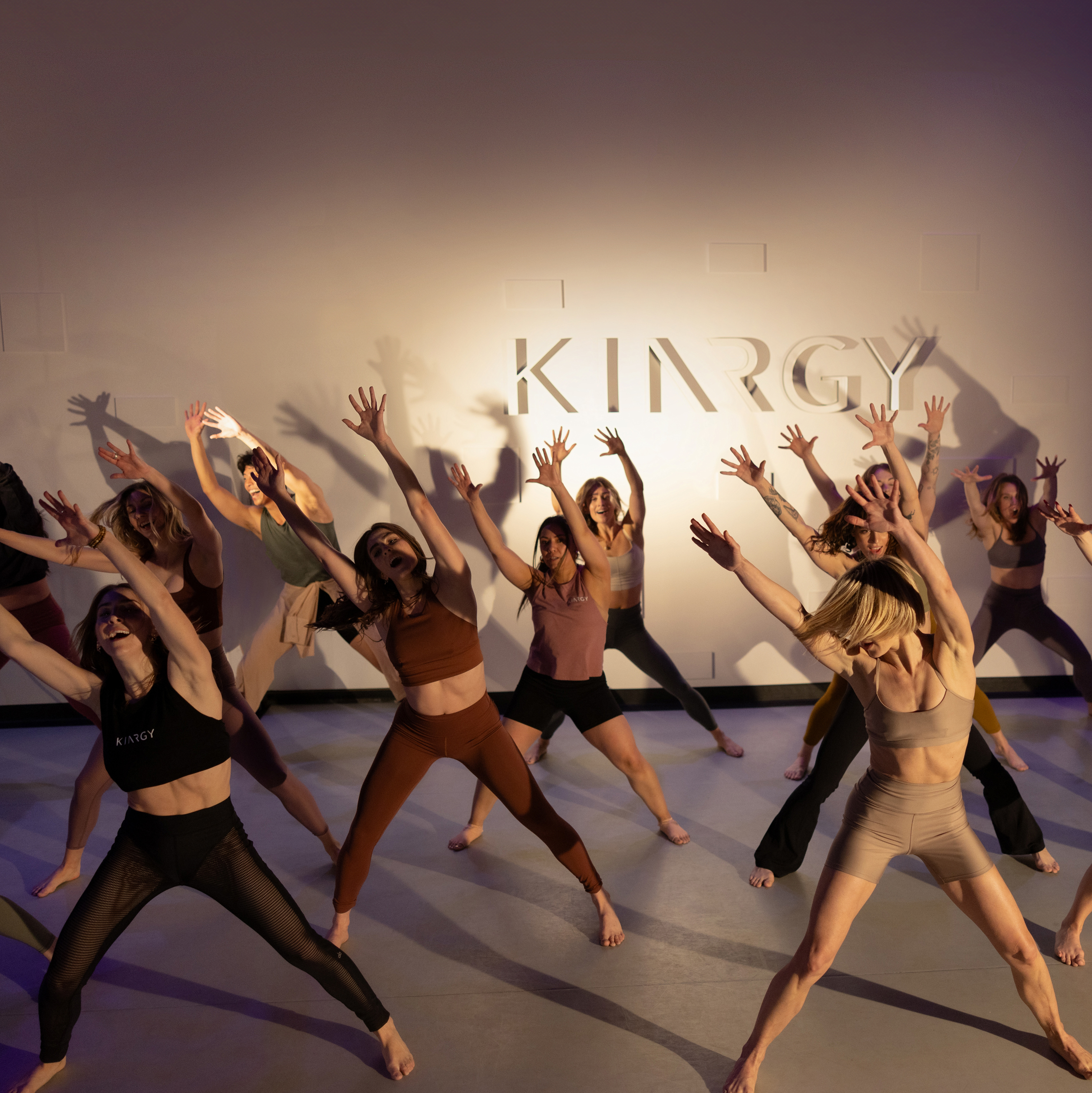
New research, published in the journal Sports Medicine, has found that dance – both structured and unstructured – can deliver far-reaching benefits, including reducing health conditions related to sedentary behaviour, alleviating the symptoms of mental health conditions and improving cognition in older adults.
Dance modalities have long been a part of health club programming, but we expect interest in them to experience rapid growth as part of the wild wellness trend, which sees consumers seeking transformative experiences that allow them to connect with their emotions.
Movement-based forms of liberated wellness are gaining popularity too, with transformative workout and wellbeing practice Sanctum capturing the world’s imagination. Founded in Amsterdam during the pandemic and led by founder Luuk Melisse, who trained as a dancer, Sanctum merges elements of HIIT and dance with kundalini yoga, martial arts, animalistic flow, breathwork and primal fitness (www.hcmmag.com/luukmelisse).
Investing in the dance trend on the facilities side is Xponential Fitness, which bought online dance brand Kinrgy with Julianne Hough at the end of 2023 and has now pivoted to open a physical location for the brand in LA.
Workplace wellness is a market that’s been building for decades, however, we expect growth in this sector to accelerate, bringing new opportunities and energy to the health and fitness facilities market by driving health club usage through aggregated corporate membership platforms.
Companies such as Benefit System, Wellhub (formerly Gympass) and Egym’s Wellpass – which recently acquired Hussle and FitReserve – are taking on investment and accelerating growth.
Research done in this sector over the last two decades has made a clear and irrefutable economic case for the power of workplace wellness to improve the bottom line in multiple ways, including reducing staff turnover and improving presenteeism and absenteeism.
Both have become more challenging since the pandemic, costing companies US$225.8 billion in the US each year and £10.4 billion in the UK, for example.
Workplace wellness can alter key metrics around employee health, with 78 per cent of companies seeing a reduction in healthcare spending if they support their employees to exercise.
Ill health among working-age people is increasing dramatically, with an associated economic cost and in the UK, The Health Foundation estimates 7.4m people are struggling with a health condition which limits their work and earning potential.
Providing health-promoting opportunities at work, such as fitness facilities or preventative screenings, can lower insurance costs, increase workplace productivity and improve mental health.
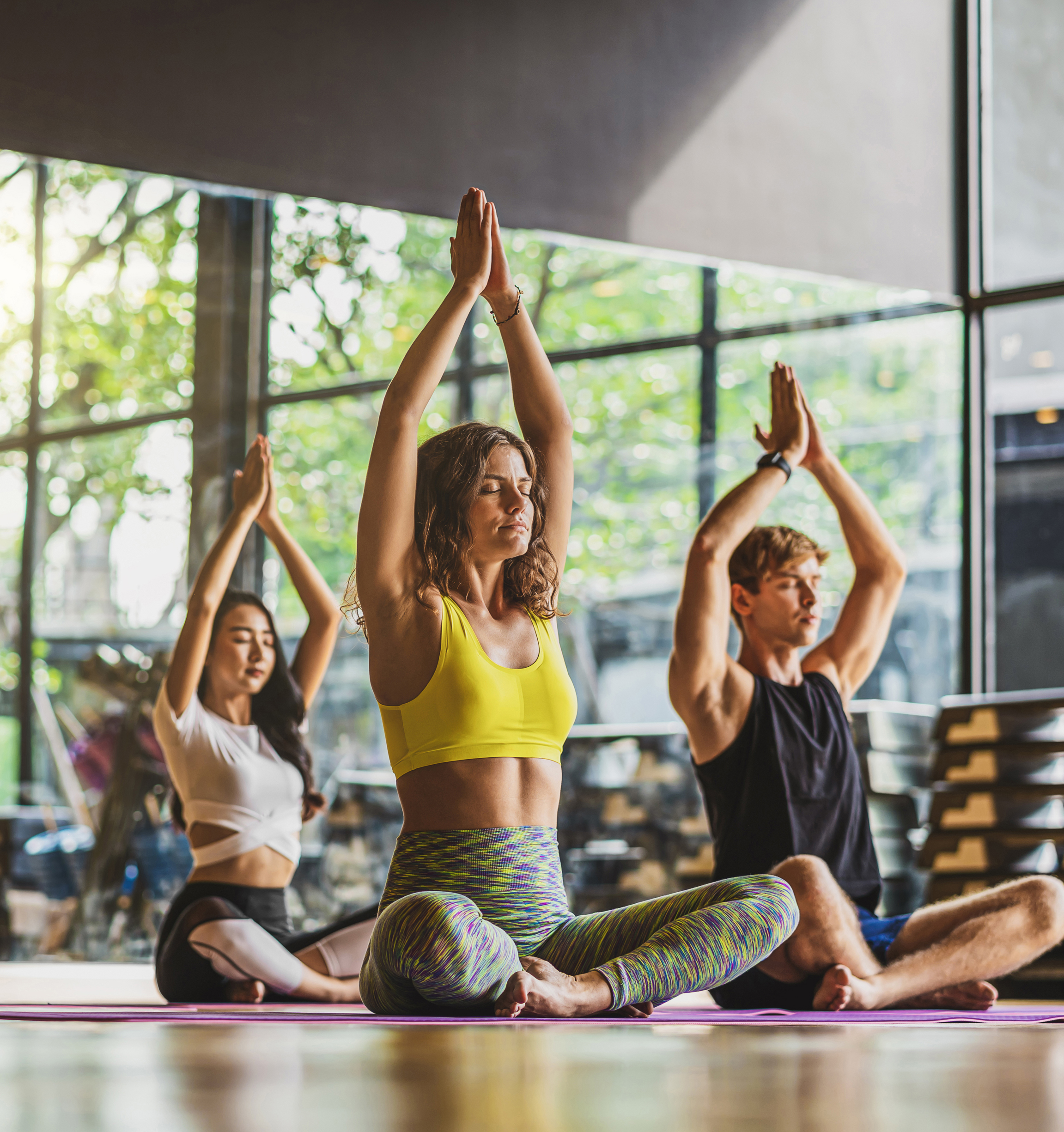
The pandemic has prompted changes to consumers’ aspirations and lifestyle choices, with mental and spiritual health now an important consideration for many.
This change in priorities from ‘how I look’, to ‘how I feel’ means a health club membership is now often about mind, body and spirit rather than an obsession with physical perfection.
Operators can support these needs by programming for mental health support with interventions such as therapeutic tremoring, EFT tapping (Emotional Freedom Techniques), Trauma Informed Weight Lifting, roaring, breathwork, shaking, somatic release and chanting, which are all powerful ways to process stress.
Staff training is also evolving to support this direction, with US-based charity The John W Brick Mental Health Foundation and Mental Health and Exercise Coaching both delivering training courses.
Experts are foreseeing a time when some PTs have psychotherapy training and vice versa, so they can support members with training body and mind.
It’s notable that a number of health club operators have hired senior executives with hospitality backgrounds in recent months and we expect this to herald the dawn of a new era of elevated service standards in some parts of the sector.
With their low cost of entry, health clubs are always in danger of becoming commoditised, with little to differentiate them. Improved service levels would be a powerful way to deliver a point of difference that’s highly valued by consumers without necessarily increasing the payroll.
The hospitality sector is characterised by its polish, charm and attention to detail – qualities not often associated with health clubs – and we expect operators to elevate service standards by introducing training and incentives to empower staff to raise their game, or alternatively, by hiring from the hospitality sector.

Not everyone enjoys a pumping bassline when they’re working out, yet the typical health club is designed to be always ‘up’ and super stimulating.
We think there’s a gap in the market for a quiet health club brand with a chilled and harmonious atmosphere, subtle fragrances, mood lighting, art on the walls and effective noise management.
We’re imagining chill-out rooms, healthy food and the latest high-end, high-tech exercise equipment.
The sector already has thousands of health clubs with harsh lighting, loud music and echoing acoustics. It’s time for a new approach.
The concept would be especially valued by introverts and those leading stressful lives who also want a healing place to exercise without a jarring atmosphere.
Existing facilities could tune into this trend by offering quiet areas, or by refurbishing a space or studio to create a sanctuary.
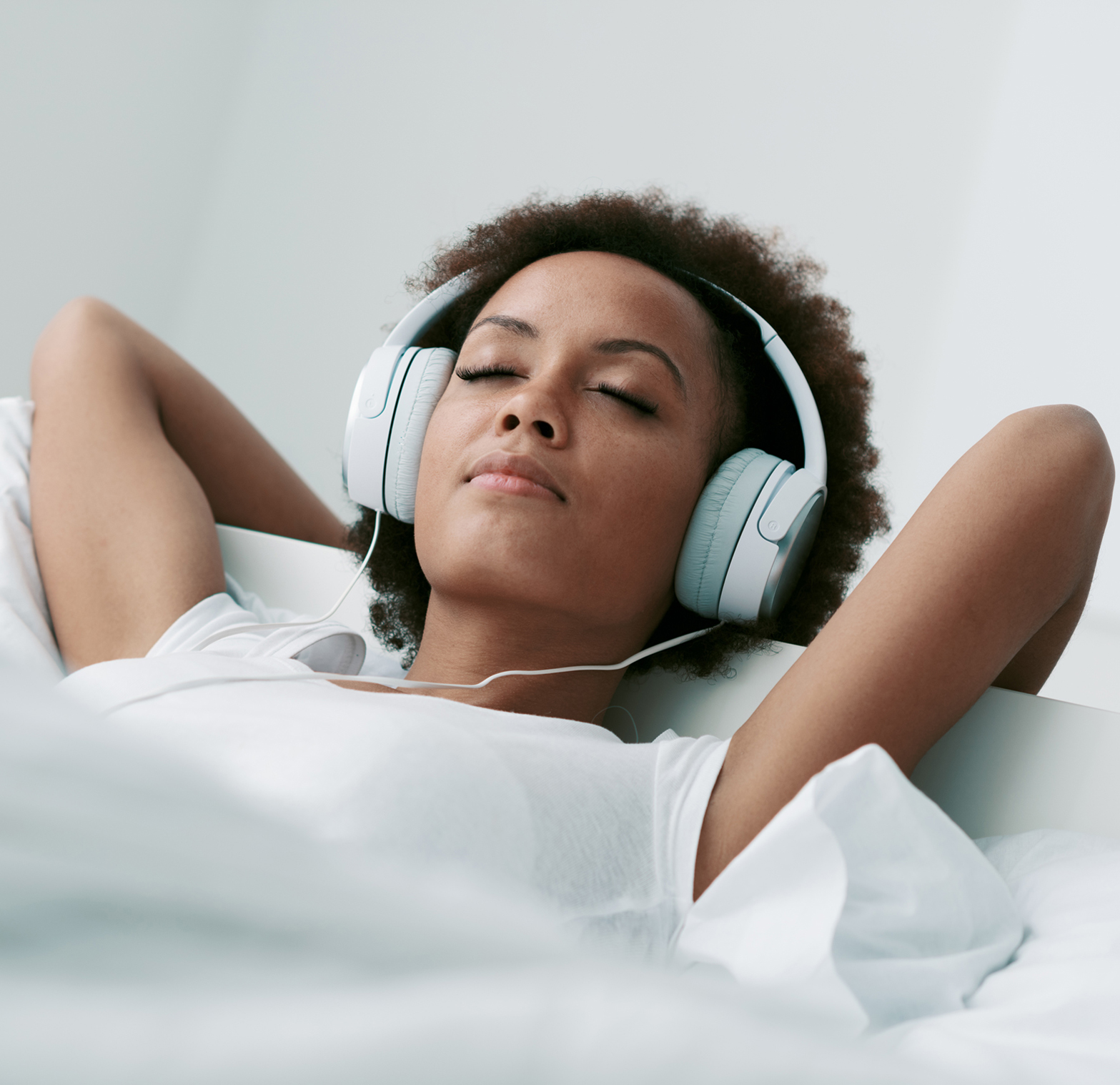
With so many studies showing the benefits of regular meditation – including reducing stress and anxiety, slowing down memory loss and helping with concentration – it’s no wonder people are interested in trying to integrate the practice into their lives. But meditation can be difficult; it’s hard to sit still, the mind easily wanders if you’re a beginner and then there’s the problem of simply finding the time.
Binaural beats – which are essentially two different tones with different frequencies, each of which is heard through one ear via headphones – are said to produce the same brain state as meditation, but much more quickly and in a more passive way, making them ideal for use in health club recovery zones.
Listening to binaural beats creates something of an auditory illusion, and tricks the brain into processing the difference in the tones.
Benefits can include reduced anxiety, an increase in focus, lowered stress, a boost in creativity and even pain management. There’s also some evidence they can help people fall asleep more quickly.
As research continues on this front, we predict we’ll see more of this auditory illusion being used in health clubs.


Designed to restore neglected land and renew the identity of Iraq’s capital city, Baghdad Sustainable Forests promises a new way of living surrounded by nature. Gensler’s Ian Mulcahay tells us why he thinks the project could become a model for the repair and enhancement of urban centres