Talking point
Everyone's talking about menstruation
Periods are sometimes viewed as taboo, but with menstruation proven to have a powerful impact on exercise, it’s time the fitness industry got comfortable with the conversation finds Kath Hudson



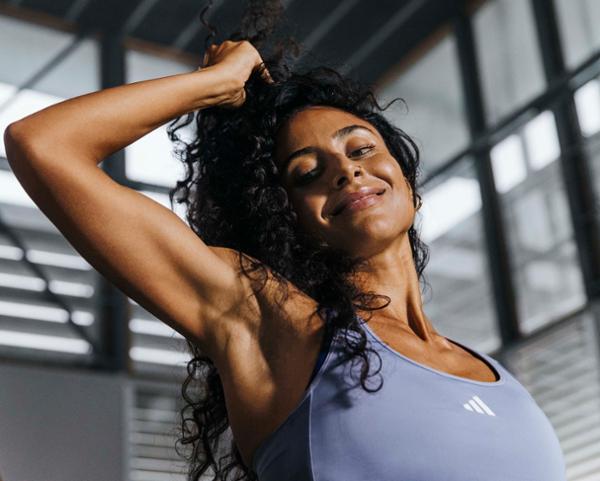
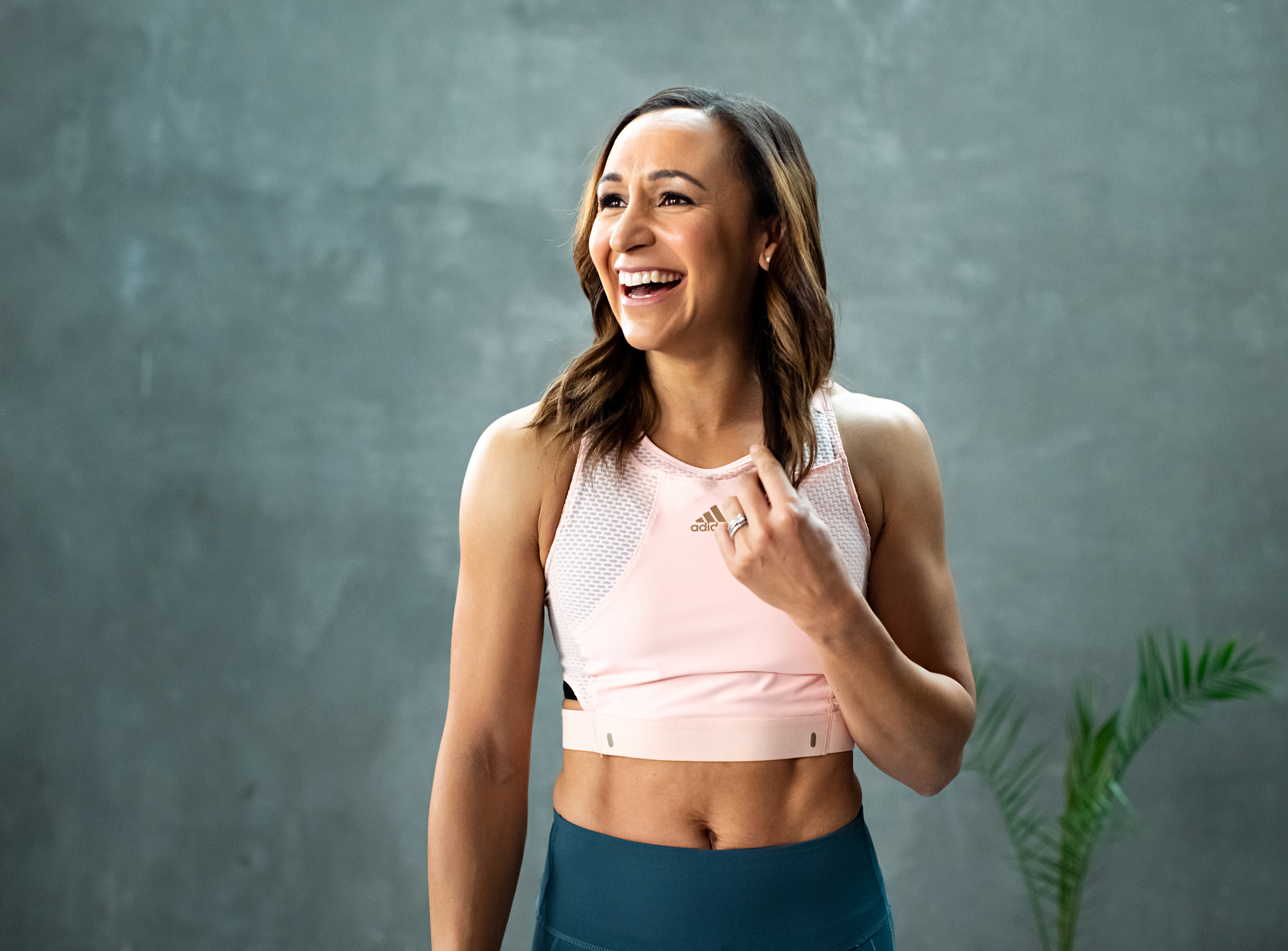
Olympic gold medal winning heptathlete, Jessica Ennis-Hill has helped raise awareness about how women’s hormones fluctuate throughout the course of every month and how to work with them. Her app, Jennis, helps women understand their pre-menstrual symptoms and their cycle length so they can plot workouts and rest days throughout their cycle to optimise their training and physical wellbeing.
Should all women be scheduling their workouts according to their menstrual cycle, and should operators be educating their female members and both male and female staff and trainers about this?
How much of an impact do periods have on female activity levels and would knowledge of cyclical training help? Or is there a wider issue here? We ask the experts.
Menstruation can make it tough to maintain consistent training habits. Surveys show that 79 per cent of women skip workouts when their period starts, and 75 per cent of female athletes suffer negative side effects based on their cycle – a figure thought to be even higher among non-athletes.
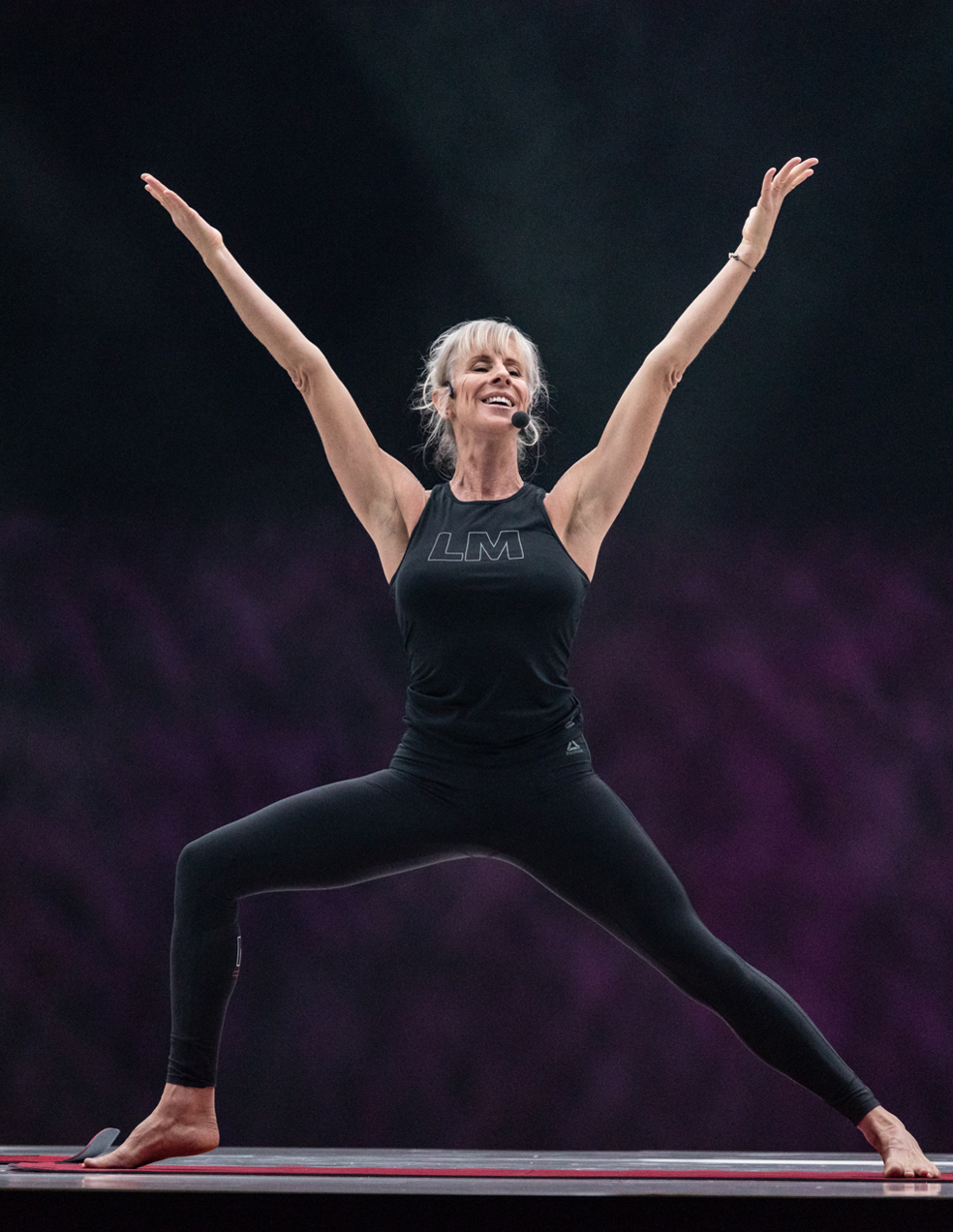
Understanding the influence of their menstrual cycle can allow women to unleash their full potential and get the most out of their workouts, rather than letting their period derail their training habits. Recognising this, Les Mills has launched a free toolkit to help women optimise their training cycles, which will empower them to create consistent training habits, as well as shed light on an issue which is often ignored.
Guided by the principles of cyclical training, this series of workouts and educational resources are aimed at navigating the physical and mental challenges of the menstrual cycle. Cyclical training helps people tailor their workouts to the different phases of hormonal activity throughout the month, encouraging them to tune in to their bodies and create stable training habits before, during and after menstruation. Resources available on the Les Mills+ streaming platform include a customisable diary for tracking how cyclical training works, bespoke training programmes and advice on nutrition.
Cyclical training is all about getting to know your body and using your intuition to adjust the intensity to suit your cycle. The menstrual cycle is divided into two phases, the follicular and luteal, with each having unique effects on the body. The oestrogen spike in week two makes it the perfect time to crank things up, allowing for more intense training. The days where women have heavy bleeding or cramps can be used to taper and practice kindness towards their minds and bodies, noting the focus should be simply on movement.
This isn’t just about periods. We need to take care to expand the debate beyond that subject for three reasons. The first is that talking about periods alone is just not comfortable – for anyone – and it can stifle rather than open the topic. Secondly, it denies the rich and diverse experience it is to be a woman at all times, not just when they’re on their periods, if they have them at all.
Cisgender women need to workout differently – in type and not just intensity – around the ever-shifting balance of hormones and I would encourage all women to explore this further and consider it for themselves. It’s both fascinating and important. Thirdly, we need to recognise that it goes way beyond exercise modality to the gym environment itself.
On this point, once you begin to ask the right questions and listen with curiosity and intent, you recognise how badly served women are both in terms of equipment and space. It’s something you don’t see straight away. I certainly didn’t until recently. I’ve been working out in gyms for about 25 years and am hugely desensitised and, worse, congratulated myself for that fact. An unwillingness to face into the facts means I may well have been a part of the problem all along.
My CEO role has given me the permission and confidence to challenge existing thinking, including my own. Listening to our women members and non-members and witnessing a surge in demand for a women-only product (up 240 per cent since pre-pandemic) has made me exceptionally clear-eyed about the problems women face in a gym environment. They don’t feel comfortable, the experience doesn’t work, and they hack their way to a good workout, often working out despite of – rather than because of – the gym. Gyms are simply not built, designed, or equipped with women in mind and our lack of ability to speak openly about it means we have a homogenised product, which feels unwelcoming. When you go on that journey you can’t unsee it.
In an industry doing its best to promote uniformity, Total Fitness is proudly leaning-in to start building new products to serve these unmet needs. Women are telling us the gym doesn’t serve them well and we’ve responded to this with our re-imagined Women’s Gym, which will launch in late 2023.
The subject of female health has been overlooked in the health and fitness space because women have essentially come into a male fitness system and individuals have traditionally had to adapt to the fitness offering.
Things are changing though and now it’s the other way around and health club operators are increasingly meeting people where they are.
Not all women are going to want to talk about menstruation, or train around their cycles, but what’s really important is that we normalise female health and allow women to feel safe in the knowledge that if they want to talk about it, their trainer will be able to hold that space. Men have to be comfortable talking about this too, which means health clubs need to start training all their staff in female health.
It’s important to start promoting body literacy: where everyone has an understanding of their own body. Encourage members to track their own cycles, either in a notebook, or an app: it’s their own lived experience of their cycle which they need to tap into, because every woman is different.
While it’s important for fitness professionals to be educated in women’s health, it would also be useful to educate members too. Our book The Female Body Bible is a great place to start and our CPD courses are full of downloadable resources that can be displayed in club.
Hosting information evenings, talking about female health in newsletters and socials, recommending books and podcasts all helps to normalise the conversation and remove the taboo around women’s health in western society.
We need to reclaim the lost art of talking about female health.
Women face significant barriers to fitness compared to men and unfortunately menstruation can be one of them. Nuffield Health’s recent survey of more than 2,000 girls aged 11 to 16, and their parents, revealed 84 per cent of teenagers felt less interested in sport and fitness once their periods started, and 23 per cent say they feel embarrassed to take part in physical activity during their periods.
This trend extends into adulthood, with our Healthier Nation Index revealing 23 per cent of women claim the menstrual cycle at all life stages – including everything from periods and symptoms of the menopause – is a barrier to them with it comes to undertaking more physical activity.
There’s no one-size-fits-all approach to training during the menstrual cycle. It’s important to educate women to track their own cycle and develop their own awareness about how they feel throughout the month – noticing any patterns and working with their body rather than against it.
A 2020 meta-analysis found it’s not currently possible to make general guidelines about what types and intensities of exercise are best suited to particular stages of the menstrual cycle, as we’re all different and so we need to take an individual approach.
The most important thing to remember is that periods are a vital and useful sign of health, and menstruation should not be a cause of embarrassment, so let’s get talking! Females should also be empowered to seek medical support if their symptoms of periods are severe, their periods have stopped for more than three months, or if they haven’t started by the time they’re 15.
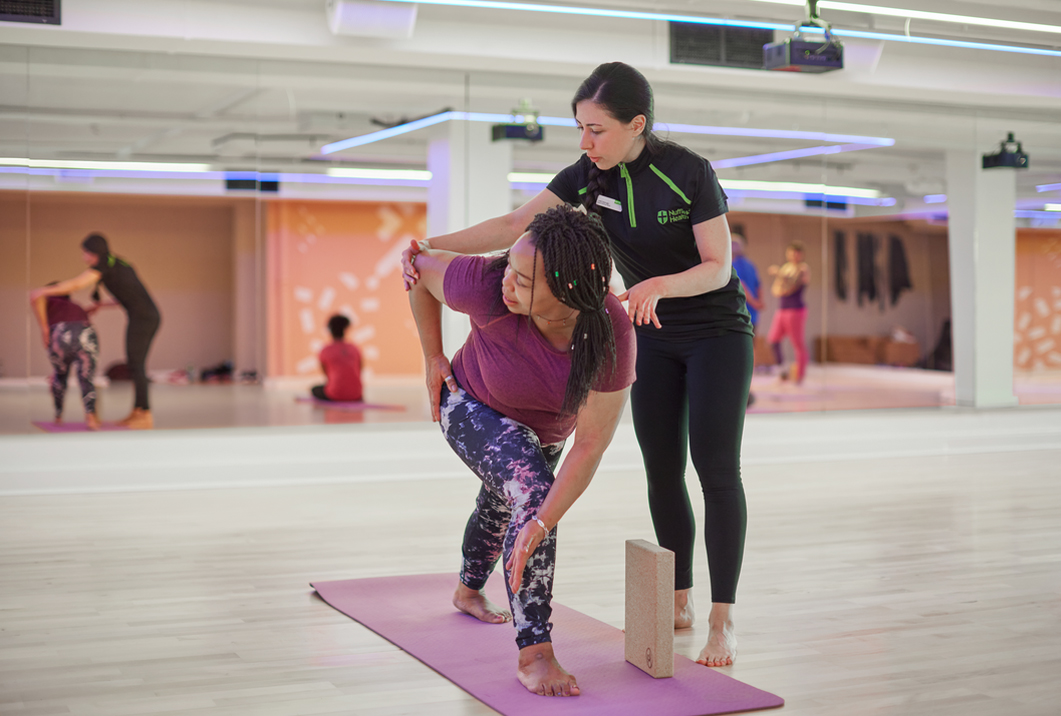
Nuffield Health is working to address all these barriers through regular Ask the Expert free events and educational sessions at our gyms and hospitals. Pelvic health physiotherapists, PTs and gynaecologists provide advice and discuss issues such as painful periods, as well as other taboo pelvic health topics, including urinary leakage, prolapse and menopause symptoms which are also common barriers to exercise for women.
In an effort to address the barriers faced by girls, we’ve launched Move Together – a free year-round programme of exercise classes in communities across the UK. Hosted in local parks and community venues and run by our instructors, classes are aimed at building girls’ strength and confidence, getting them moving, and enabling them to have fun.
Only 13 per cent of females report a 28-day cycle, the length of cycle commonly ranges from 21 to 35 days and even 40 days in some teenagers
The average woman spends 40 years of her life with a menstrual cycle, that adds up to 450 cycles
The cycle is divided into four phases: i) menstruation ii) the follicular phase iii) ovulation iv) the combined luteal and pre-menstrual phase. Each month the body prepares for pregnancy and the fluctuating hormones signal the release of an egg, the thickening of the womb lining and the shedding of the lining if the egg is not fertilised. The shedding of the lining leads to bleeding from the vagina
The first day of bleeding marks the first day of the menstruation cycle. This can be accompanied by abdominal cramps, headaches, back pain, mood changes and fatigue. Recovery from exercise might be reduced. Low intensity exercise such as yoga and Pilates is recommended
The follicular phase is when eggs are produced in the ovaries. This is a great time to train, as the body has more potential for muscle adaptations and recovery is improved, motivation and energy will also be at their highest
The ovulation phase is when the dominant egg is released for potential fertilisation: usually around day 14. This creates a slightly higher body temperature which can have a detrimental effect on exercise and endurance
If fertilisation doesn’t happen, the egg is shed and the body prepares for the next cycle. Higher levels of progesterone during this time lead to enhanced mood and lower anxiety. It also promotes sleep, meaning rest and recovery may feel easier
When an egg isn’t fertilised the production of oestrogen and progesterone falls rapidly which can lead to irritability, anxiety and a desire for food. Restorative exercise can be good, as well as spacing meals to avoid blood sugar dips and avoiding caffeine and alcohol
When bleeding starts and ends, how heavy the flow is on each day, physical symptoms, quality of sleep, mental health fluctuations, temperature fluctuations, changes in cervical fluid, exercise performance



Designed to restore neglected land and renew the identity of Iraq’s capital city, Baghdad Sustainable Forests promises a new way of living surrounded by nature. Gensler’s Ian Mulcahay tells us why he thinks the project could become a model for the repair and enhancement of urban centres