Everyone’s talking about
UN Sustainable Development Goals
What are the UN’s Sustainable Development Goals and how do they apply to the spa and wellness industry? Kath Hudson reports



According to the United Nations (UN), the world population more than doubled between 1970 and 2019, jumping to 7.7 billion. By 2050, it’s expected to reach 9.7 billion, so it’s crucial for global resources to be preserved and better managed.
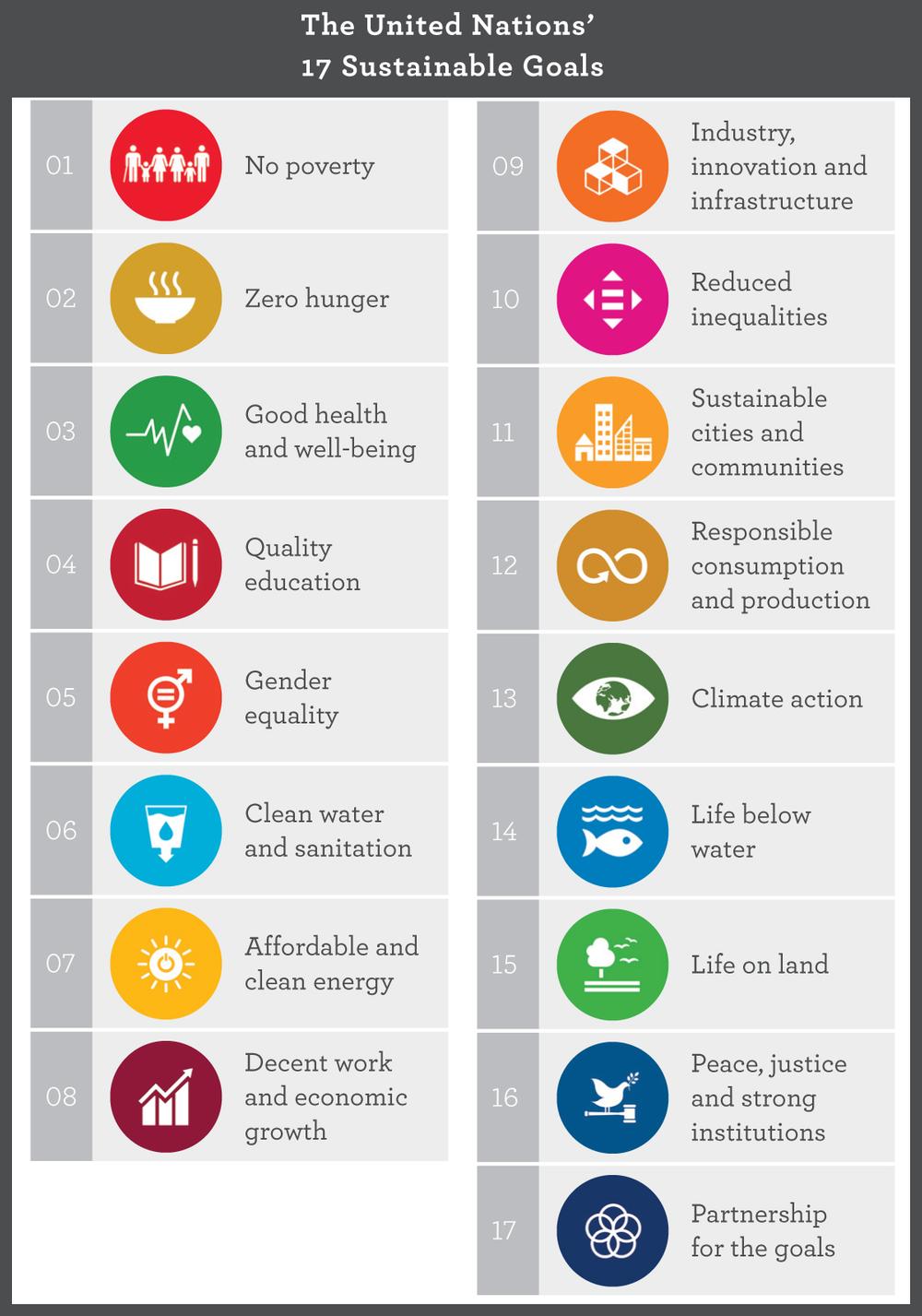
As a result, in 2015, 193 heads of states voted to implement 17 Sustainable Development Goals (SDGs) by 2030. Blueprints to achieve a better and more sustainable future for everyone, the SDGs address the global challenges we’re facing: poverty, health, education, gender equality, sustainable cities and climate action. The goals interconnect in order to leave no one behind, recognising that ending poverty and other deprivations must go hand in hand with improving health and education, reducing inequality and tackling climate change.
As it’s already been four years since the UN voted to implement the goals, the spa industry has been slow on the uptake. Surely, it’s important for a sector that’s devoted to wellness to step up?
While SDG 3 – good health and wellbeing – is the most relevant to the spa industry, there are many others the sector can address including quality education and gender inequality.
Initially, the SDGs might look daunting, but it’s important for every person and business to play their part in the global crisis.
In the words of archbishop Desmond Tutu: “We are living in a historic moment. We are each called to take part in a great transformation. Our survival as a species is threatened by global warming, economic meltdown, and an ever-increasing gap between rich and poor. Yet these threats offer an opportunity to awaken as an interconnected and beloved community.”
Doing good business can also be positive to the bottom line and is in step with what many consumers, particularly millennials, want. According to a study by JW Thompson Innovation Group a new economy based around the SDGs could be worth US$12tn and create 380 million jobs.
So what SDGs are particularly relevant and how should operators, suppliers and other businesses go about implementing them? We ask the industry.

During our round table meeting last year it was resolved that the Asia Pacific Spa & Wellness Coalition (APSWC) should partner with the Agricultural and Food Marketing Association for Asia and the Pacific to develop and implement a SDG endorsement programme which is relevant for the spa industry.
To this end, we’ve gathered feedback from spas and suppliers across the region to create a collective document with spa-relevant sub goals which will be a practical tool for the industry, from the industry. We expect to release the final list in advance of our next annual gathering in Vietnam in July.
Although there are only 17 SDGs, there are nearly 200 sub goals, so the document is fairly daunting. Given that it was drafted and signed off by governments, the language used is very corporate, so at first glance a small business operator may not see how they can do anything. Much of it is big picture stuff and hard to embark on, but, we all have a part to play in creating a sustainable future, so it’s about taking small steps forward and slowly chipping away. I advise looking at the specific sub-standards, choosing one which works and making some changes. Cutting down on plastic use is an obvious place to start and something that we can all do.
There’s serious money to be saved when you look into the sustainability of business practices, however it’s not just about money, it’s also about being more inclusive and improving the standards for staff, which in turn will aid staff retention. It’s also about each person accepting responsibility for their own actions and doing the right thing by living in a sustainable manner, rather than living excessively and abusing the limited resources of the world.
Andrew Jacka has chaired APSWC since 2015 and is also MD of Bangkok-based consultancy Spa Origins

The spa industry could play a key role in many areas of SDGs. While we should all aim to contribute to the highest number, SDG 3 is where it can directly play a special role, helping people to regain balance through stress relief management and longevity programmes.
The industry can also contribute to democratising wellness. Initiatives like Global Wellness Day ensures a focus on these themes and offers tips which everyone can embrace. This also contributes to SDG 4 (quality education) and SDG 17 (partnership and goals). Partnering can imply selecting brands and suppliers which prove to be aligned with a sustainable and ethical vision, up to gaining B Corp certification which recognises businesses that balance profit with people and the planet.
Measuring your carbon footprint is the first step towards improvement, which everyone can do via www.footprintcalculator.org. Then it’s necessary to translate all this into actions to limit the footprint, and if needed, compensate for it. This could include using renewable energy; the reduction/reuse/recycling of plastic; selecting products which are formulated, manufactured and packaged in a conscious, sustainable way; or contributing to offsetting initiatives.
Regarding SDG 6 (clean water and sanitation), it might be hard to take direct actions, but it’s easy to sponsor non-profit organisations which bring clean water to underprivileged countries.
It’s now clear that sustainability is not only a reputation stance, but generates a positive impact on the whole business. Several recent studies report global investors do not even consider a company which does not present a sustainable medium-long term plan and the younger generations have made sustainability one of the main reasons to choose one brand over another.
Davines Group is the parent company of Comfort Zone skincare, is B Corp certified and runs numerous sustainable and CSR programmes

The SDGs present a fantastic opportunity to not only rethink operations, but to increase the value proposition of spas, moving away from the reputation of luxury and making them a valued resource in the community, promoting healthier lifestyles and wellness for all.
Consumers want to see businesses taking action on the environment and those who don’t get on board will get left behind. A recent study at Yale and George Mason University found consumers want to know what businesses are doing to limit their carbon footprint, emissions, water usage and damage to the earth. A study by RSM found that 70 per cent of millennials – a consumer group projected to spend up to US¢1.4tn this year – indicated a willingness to spend more with brands which support causes or operate using business models which align and resonate with their own eco values.
This is the time for spas and the industry to take a stand: ban single-use plastic; reduce, re-use and recycle; be more inclusive regarding guests with disabilities; develop effective heat and water experiences, with a light footprint on the environment and a positive impact on the bottom line. Instead of focusing on selling treatments by the hour, we should be developing wellness programmes which encourage guests to invest in themselves and feel empowered to adopt healthy habits.
There are a number of ways spa and wellness operators can get started in working for the planet, such as allowing their therapists to work with disadvantaged communities as part of their contracted hours; taking the Green Spa Network’s Pledge for the Planet (and acting on it) and committing to adhering to the eight principles of environmental sustainability.
As well as his work on the GWI SDG initiative, De Gabriac is CEO of spa consultancy Tip Touch and founder of World Wellness Weekend

One of the key principles in nature is reciprocity. Life begets life and our existence is made possible by much greater circles and cycles of elegant reciprocity. Many of the SDGs recognise these interconnected, mutual, self-renewing cycles and this is also a founding principle of Rancho La Puerta.
By caring for our family of employees and their children; the town they live in; the air they breathe; the food they eat and the water they drink, we have transformed their communities with their participation. In turn, they care for our guests with graciousness and dignity.
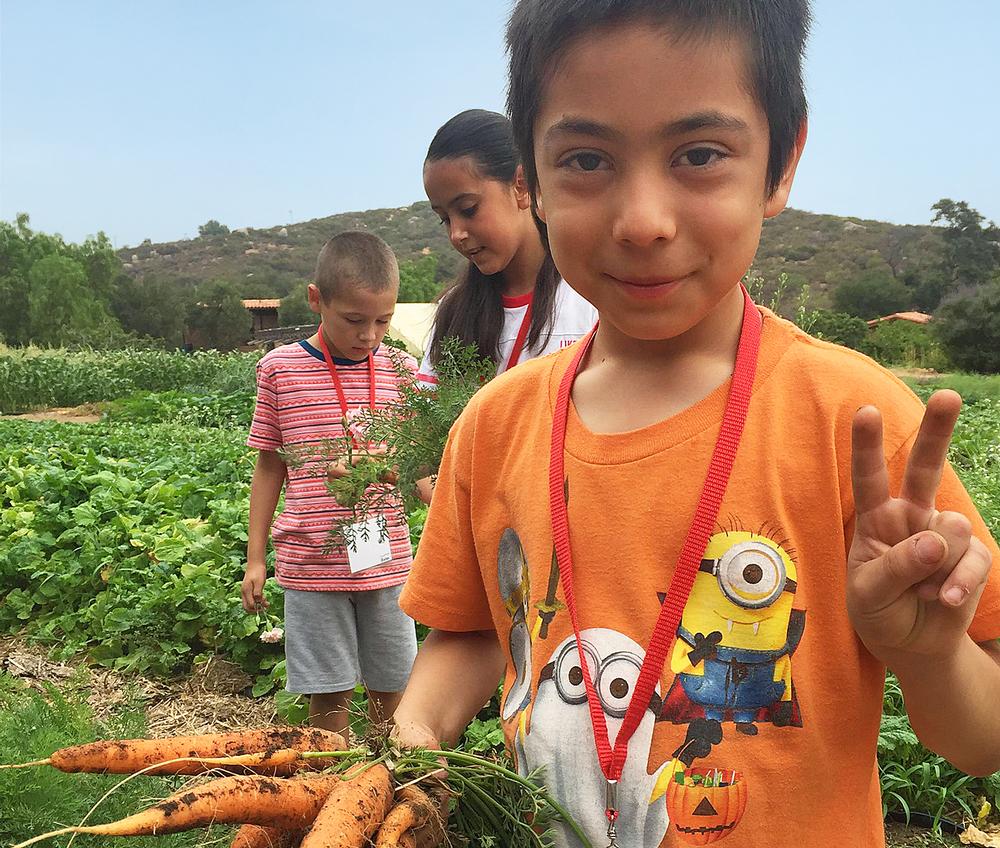
Our guests know we have invested our resources, time and vision in preserving land, recycling water, reducing waste, supporting a robust workplace wellness programme. We also provide continuing education and a multitude of training programmes to our staff in house and our non-profit arm, Fundación La Puerta, educates thousands of local school children every year. These programmes in environmental education, nutrition, community gardens, social and emotional learning, fire prevention and meditation are our way of giving back to this community which has supported us for 80 years.
Five years ago, we updated our mission, vision and values statement. Employees were asked about their personal values and what they understand the founding philosophy of the Ranch to be. The result made my heart sing: ‘To inspire leadership, the pursuit of health, and planetary wellbeing in our guests, employees, and community’. The values and practices that they determined were needed to embody this vision are: health, respect, authenticity, innovation, honesty, commitment and altruism. Faithfully incorporated by any business, these values naturally encompass and affirm the 17 SDGs.
Brightwood joined Rancho La Puerta in the 1980s. The famous retreat was created by her parents Edmond and Deborah Szekely in 1940