Interview
Tommy Matthews
The BMF MD has bold plans to evolve and develop the brand’s offering – from outdoor fitness pioneer to military-style group fitness franchise – for a new era of growth and success. He speaks to Kate Cracknell



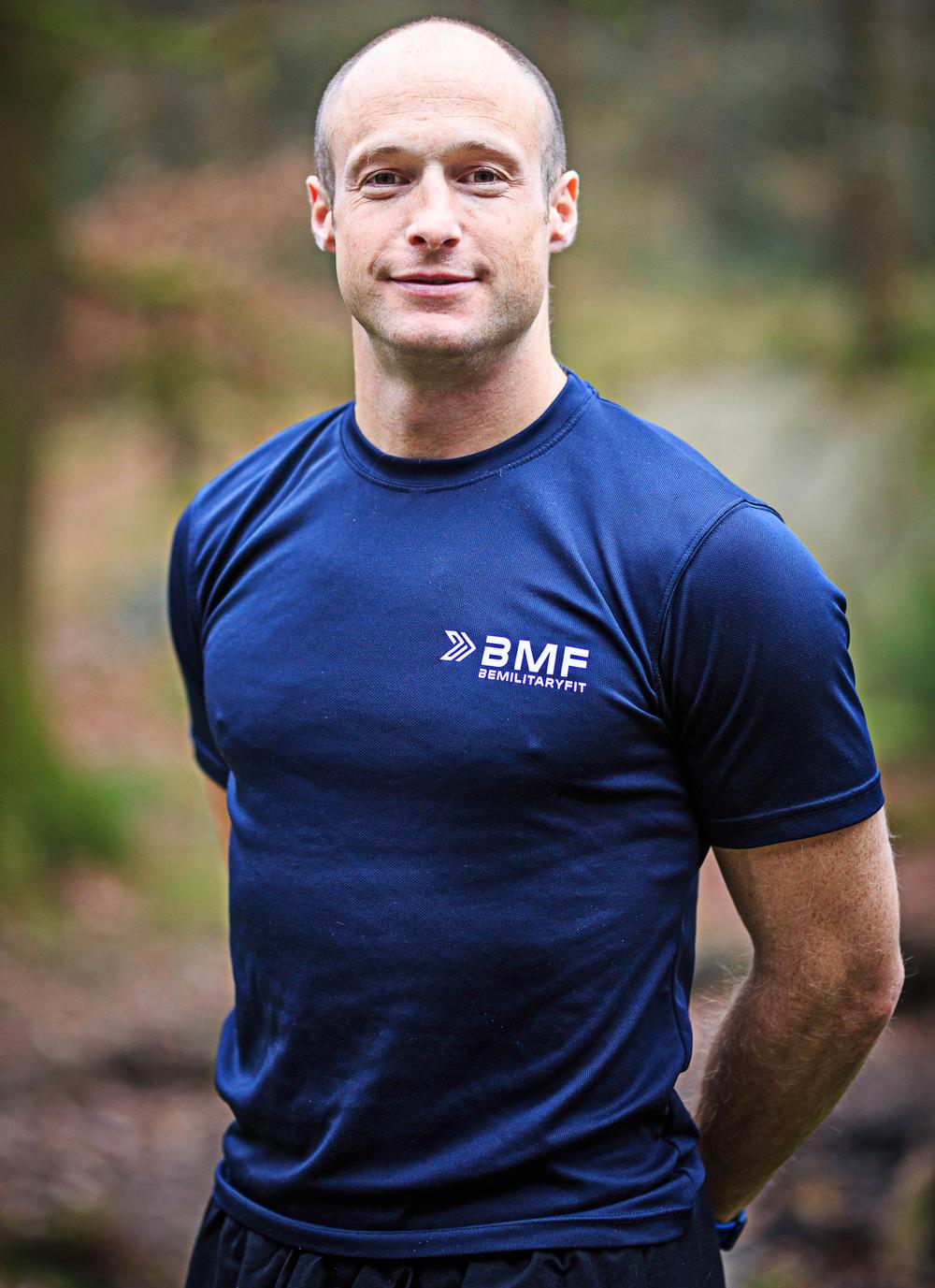
How did you come to take on the role of BMF MD?
I was working with private equity firm NM Capital, consulting on the development of an online app with Bear Grylls that would capitalise on his international reach and global interest; Chris, one of the founders of NM Capital, is an old friend of Bear’s, and NM Capital had acquired the Bear Grylls fitness brand in 2017.
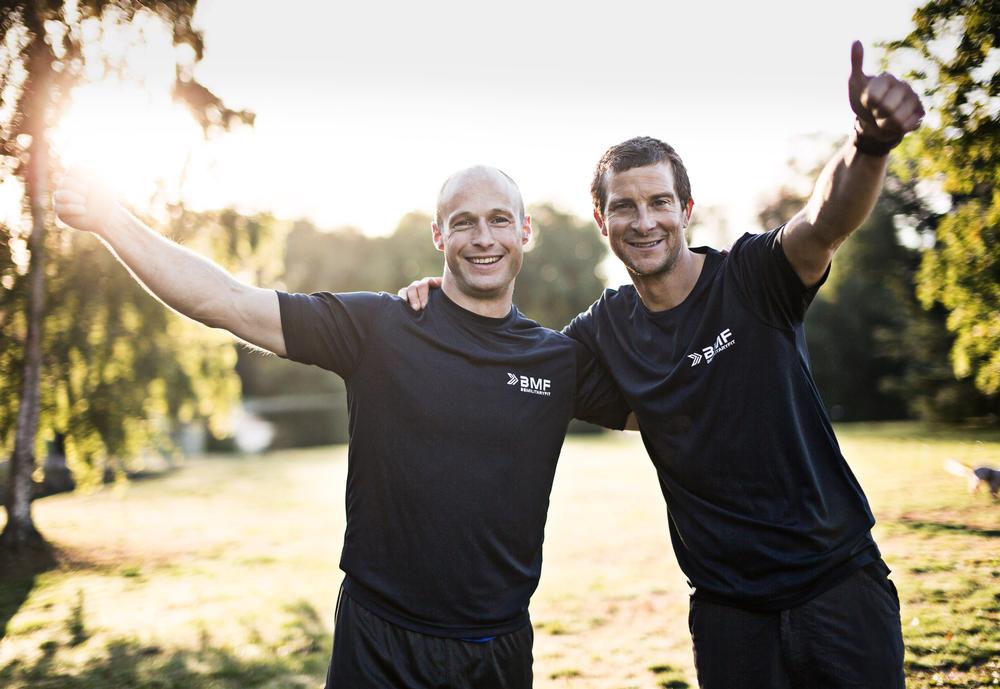
Chris was also the founding director of The Third Space, as well as one of the original BMF instructors – so when, in March/April 2018 as we were working on the Bear Grylls project, the opportunity came up to acquire BMF, he was immediately interested. Bear’s vision is all about outdoor adventure in health and wellness, while BMF had such great heritage and a really strong brand in the outdoor sector. There was an obvious opportunity to bring the two brands together and take BMF to a whole new level.
In the space of just a week or so, the BMF business was acquired – with Bear Grylls as a shareholder – and I was offered the role of MD. It took me a while to make the decision though, because I was pretty happy with what I was working on at the time: helping to develop concepts such as Blaze (see HCM NovDec 18, p80) and outdoor training model Battle Box for David Lloyd Leisure.
Taking on BMF was not without its risks either: it might seem a simple model, but it’s actually a tough business to make any serious value out of.
However, I was open to a new challenge and was excited by the opportunity to get closer to members again, as I’d begun to do with Blaze. BMF represented a chance to work directly with a large membership base, understanding their needs, developing new programming and hopefully improving the workout opportunities and overall member experience to get more people active.
Finally, and perhaps most importantly, Chris was very open to me pushing the boundaries and doing all the things I wanted to do. So, I took on the role – but I did so off-radar for the first couple of months. This allowed me to really get into the detail of the business – doing mystery shopper workouts, speaking to instructors, speaking to members – to properly understand the challenges we faced.
And what were the challenges?
In 2011, BMF was the thing to do in terms of outdoor fitness. There was really no competition. But by the time we took charge, in spite of it still being the largest outdoor fitness operator in Europe, membership was down by about a third.
My view was that the product and programming hadn’t kept up with industry trends. Fitness experiences across the sector had changed dramatically since BMF was founded 19 years ago, particularly since the arrival of the CrossFit boxes and boutiques, as well as the big box facilities offering much better HIIT workouts and group training options. But the BMF offering hadn’t really changed.
There was a clear need to revitalise the BMF programming and bring it up to date, both to give members a fresh, on-trend experience, and to give our instructors something to get excited about again.
With our 120 locations, and plans to grow even further, we also needed to focus on consistency. That meant a need for new processes and IT systems.
What solutions did you implement?
We’ve done a huge amount of work behind the scenes: new operational processes, programming and IT, a new unified direction for the instructors. We’ve also made an agreement with Jan Spaticchia to become a non-exec, to support our move into franchising, so we can leverage his expertise in this area.
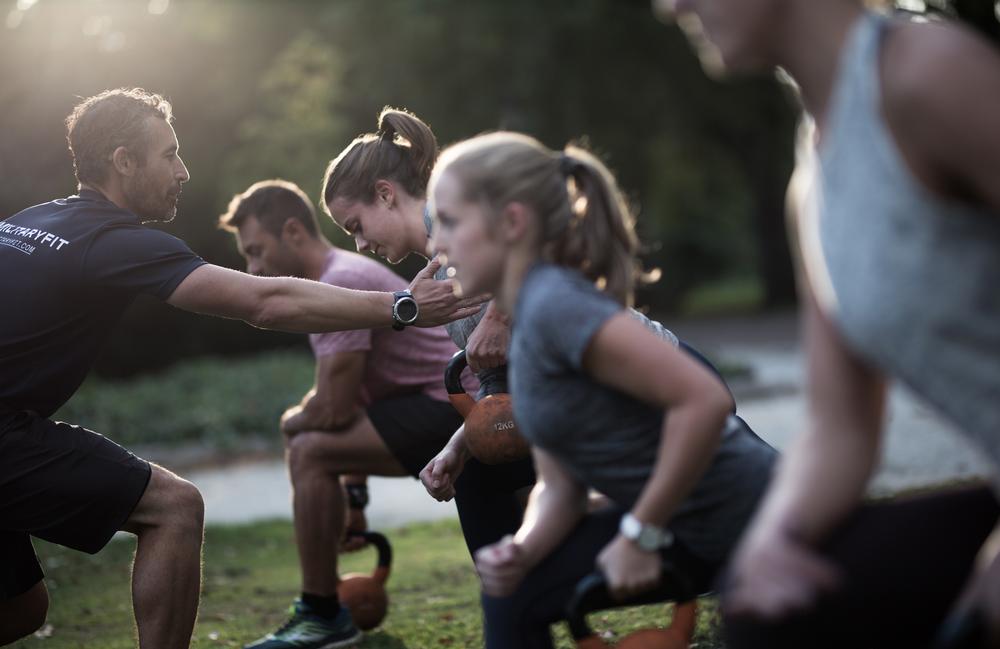
We’ve worked on a new approach to programming, which is obviously something I feel very comfortable with. We knew we needed a standardised, high-quality approach to ensure that anyone – whether they were new to the business or a BMF instructor of 10 years – would deliver the same level and intensity of workout, giving members the same quality every time. That’s tough when every location is totally different. You can’t totally pre-programme. What you can do is create structures that allow the instructor to deliver a consistent intensity while adapting exercises and challenges to suit the members, the weather conditions and the environment.
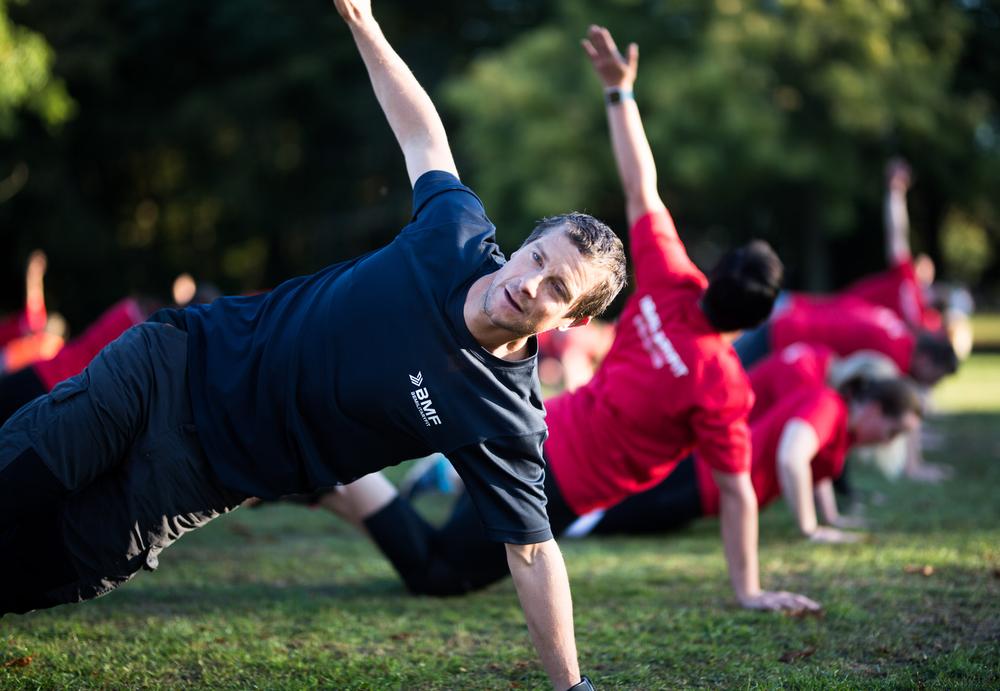
Importantly, the new programming is still true to BMF. I didn’t just develop it on my own: I went to the military to understand what it’s now doing, and interestingly it has dramatically changed the way it delivers physical training. There’s much more sports science, strength and conditioning in the programmes now, to make sure soldiers are all fit for action, and what we’ve done is in-line with this.
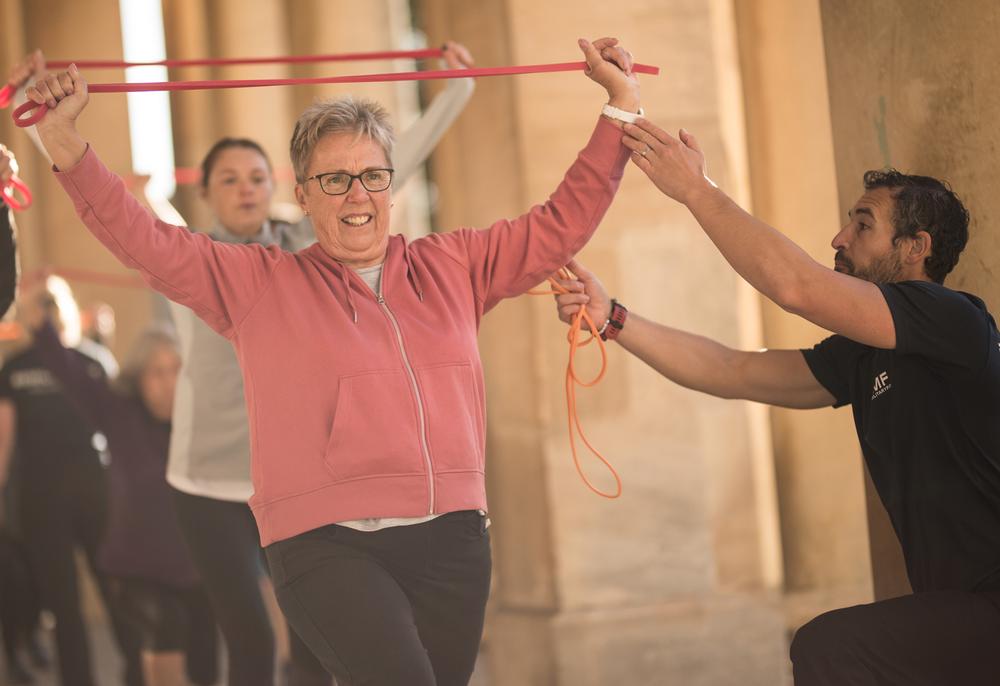
But while our Military Fit class will still be very intense and challenging, we’ve also begun to diversify beyond these bootcamp-style classes, introducing new programmes to extend the appeal of BMF. For example, our Active programme has been designed for complete beginners, including older adults. We also have a programme called Crossrun, which is an elite-level running club programme, allowing us to add real value to those looking to do a 5k, a marathon or an ultra-marathon.
We’re also developing a strength training programme (Strong), a HIIT training programme (XERT) and an animalistic, bodyweight-based movement programme (Wild) – all of which we hope will attract the younger audiences. That’s important, because our member profile has aged over the years. We’ve had instructors who’ve been with BMF for 10–15 years, and their members with them: very strong communities have been built. However, younger people coming in haven’t stuck with us, because the style of training wasn’t what they wanted.
My view is that BMF can and should be operating multiple different programmes to attract a much broader demographic, creating long-term stability for the business. No matter what the trends are in the industry, we will then have a solid base of members from all different groups, so we’ll be much more future-proofed than boutiques specialising in one discipline.
What comes next?
Empowering our instructors is our next big task. This is an incredibly dedicated, loyal group of people and there’s a big opportunity to do something very special with them, provided we can offer them the right support.
We want them to enjoy what they’re doing and feel valued, so we’re making a big educational push, giving them the skills and tools they need to take things up another level.
Ultimately, we want to create opportunities for them to work more and make more money with us. We want BMF to be seen as a proper career, rather than something to dip into with a couple of sessions each week. With that in mind, we’re currently trialling a personal training service which we intend to roll out imminently. You’ll be able to book a PT session through our app and a BMF instructor will turn up – with all the equipment they need – wherever you want to train.
In the next couple of years, my goal is for BMF to become the largest mobile PT operator in the UK. We have 350 people out there who we can mobilise overnight, once we have all the right training systems in place.
And what about expansion plans?
Chris and I immediately shared a similar vision for BMF. Rather than just being an outdoor fitness company, we felt we could evolve and adapt the business to become a dominating force in fitness generally. How? Through its scaleability and flexibility to work in areas and places where many other businesses can’t operate, because they’re constrained by bricks and mortar.
We might operate in parks and outdoor spaces – traditionally, BMF has involved an instructor turning up at the park with a backpack or van full of kit – but there’s no reason to limit it to this. Our instant vision was to install BMF containers all over the world: shipping containers that open up for a class, with all the equipment inside that you’re going to need to create an outdoor group training studio, whether that’s on a rooftop in China or in a central London location. We also envisaged a third option: an indoor model that could be a standalone studio or a club-in-club concept.
We’ve now developed these three models, all of which have military themes. The licensed physical trainer – the guy in the park with the backpack or van – we’re calling our ‘Deployed Training Camp’. Containers are ‘Base Training Camps’ and the indoor facilities are called ‘Headquarters’.
Base Training Camps and Headquarters each occupy 3,000sq ft and cater for 50 participants, and it’s here, in these more controlled environments, that we’ll be launching our XERT, Strong and Wild programmes. It will be with this model – an authentic military fitness offering in an indoor environment – that we will aim to compete in the boutique market.
Will you continue to operate all sites yourself as the business grows?
The 120 existing park locations are owned and operated by BMF, but we’re now moving into franchising. That model is currently being tested inside Oxygen Freejumping in Leeds: it had some under-utilised space and put in a BMF studio to cater for parents while their kids were busy bouncing on the trampolines.
Importantly, we didn’t just want to package up a franchise model with fancy lights and music and a workout and leave it at that. We wanted to ensure it was a solid business proposition, so we spent nine months developing our training set-up, with a new academy and education team. We also offer strong sales and marketing support. And we have a new IT system, including an app that offers online booking and nutritional support, as well as a reward system and on-demand training programmes to help maintain a strong membership base even during the winter.
We have great relationships with the military too – we’re heavily involved in transitioning people out of the military and into fitness – so franchisees can benefit from this when recruiting instructors. That said, my view is that instructors shouldn’t have to be ex-military: if we find amazing individuals from another walk of life, we’ll definitely consider them.
Do you have plans beyond the UK too?
We’ll test the franchise model in the UK and then roll it out internationally, hopefully by September of this year. This was the rationale behind our recent rebrand, whereby ‘BMF’ now stands for ‘Be Military Fit’ rather than ‘British Military Fitness’: we wanted one consistent name around the world, rather than potentially having to change it for each new market we went into.
Within the UK, we’ll aim to own and operate the cities and then franchise in smaller towns and other areas; we picture a situation whereby a franchisee might take on one indoor or container site and then operate multiple parks around that same area.
Internationally, we can probably expand even faster. China is a market we’re looking at closely, because Bear is incredibly popular there; we expect to predominantly open standalone indoor studios in China due to the environment in the cities. We also see a lot of potential in the US, India and the Middle East, as well as some European markets.
Ultimately, I see scope for hundreds of BMF sites in many of these markets thanks to the flexibility around location, the low cost of entry – but above all, the amazing training experience. If I can do one thing in my tenure at BMF, it will be to ensure the workouts we deliver are the best our members have ever had, anywhere.