Functional fitness
The prehab trend
Prehab classes – stretch and muscle manipulation for injury prevention – are increasing in popularity. But why have they suddenly taken off and how can operators tap into this trend?



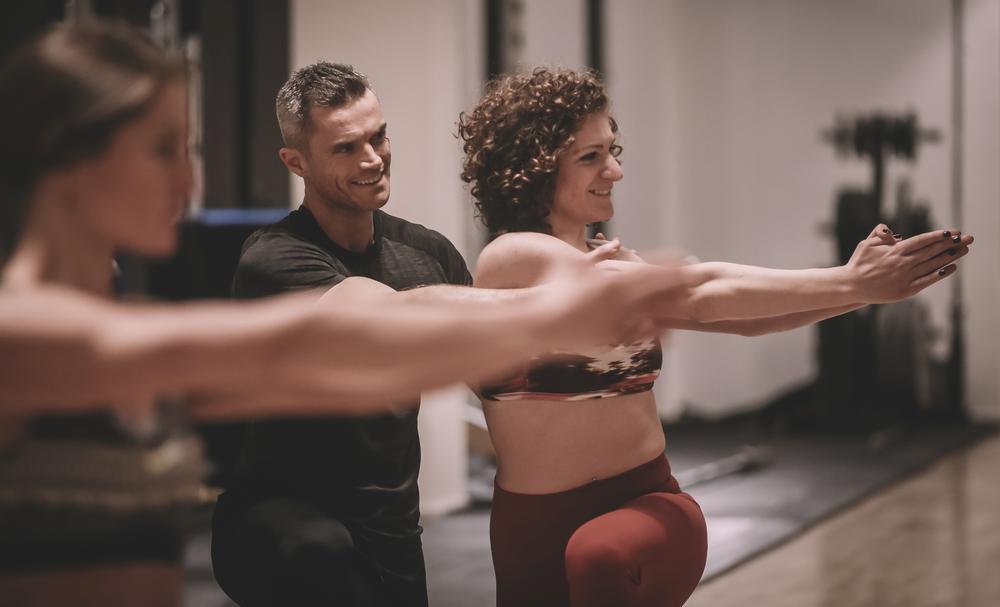
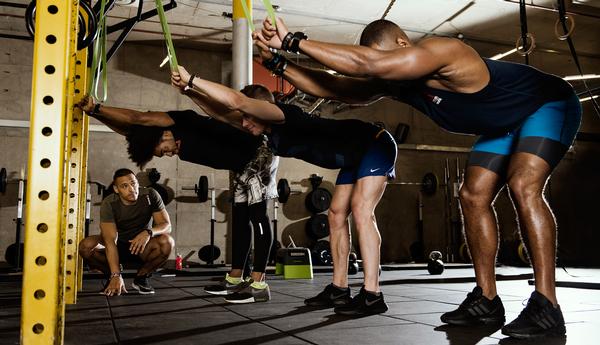
ecent years have brought a paradigm shift in the fitness habits of the average exerciser. Training goals are at an all-time high and many fitness enthusiasts are now focused on working out like elite athletes – using the same equipment and exercise methods as professionals. But while HIIT classes and CrossFit sessions deliver the challenge desired by those with ambitious fitness goals, a big problem remains: gym-goers are pushing their bodies in the same way as elite athletes, but they aren’t getting the same kind of injury-prevention support that athletes receive.
It’s a potential recipe for disaster and fitness operators are all too aware of this, which may explain why many are adding prehab classes – designed to minimise members’ risk of injury during exercise by improving poor flexibility, posture and alignment – to their services.
PREHAB NOT REHAB
“As fitness has become more popular than ever, we’re more aware of our bodies, how we feel and how we should feel. Most importantly, we’re very aware that solutions that prevent injury exist,” says PT and fitness entrepreneur Matt Roberts.
The use of muscle manipulation for injury prevention in health clubs is not new. Foam rollers, for example, have long been found in gym cool-down areas. However, according to Roberts, such tools are rarely utilised properly.
“Foam rollers and other muscle manipulation devices are often used at the end of a cardio session. But in actual fact, this kind of therapy should be done beforehand to be effective,” he says. And that’s because prehab is based on the principle of getting the body ready for exercise.
“By creating a body that’s fully manipulated and mobilised before they start exercising, a person is better able to reap the full benefits of their workout and ensure there’s significantly less risk of injury,” says Roberts.
LESSONS FROM ELITE SPORT
It’s a principle taken directly from elite sports. In 2009, FIFA’s 11+ injury prevention programme was widely promoted by the organisation as a complete warm-up programme for preventing injuries in amateur football players. Consisting of 15 exercises spanning active stretching, slow running and dynamic functional movements – such as walking lunges and single leg squats – 11+ specifically focused on preventing injury by improving core strength, balance and agility. And it was effective, as indicated by a review published in the British Medical Journal. The review’s authors reported findings from multiple studies that showed that twice weekly performance of the programme successfully reduces the risk of common non-contact injuries – such as anterior cruciate ligament (ACL) damage – in male and female footballers.
Olympic-athlete-turned-fitness-entrepreneur Tim Benjamin agrees that injury prevention classes are desperately needed in fitness facilities. When he launched his gym chain, Fitness Space, he was keen to incorporate classes that were specifically designed to increase flexibility, mobility, alignment and core strength. It was a desire that gave birth to the company’s range of Spirit classes (see ‘Where to find prehab sessions’).
“Having come from a world where I had my own coach, physiotherapist and a variety of experts looking after me and my body, I was used to a high level of care. I wanted to bring that to the public and offer them a chance to experience the type of care that’s usually reserved for professional athletes,” Benjamin explains.
A QUESTION OF LIFESTYLE
Roberts says: “If you go into most gym settings, everyone follows the same routine. They jump onto a treadmill or a bike and move slowly to warm up. In their mind, that’s all they need to do to minimise their risk of injury.
“The truth, of course, is that more needs to be done to manipulate the muscle structures: the fibres and the sheets. That’s where prehab comes into play.”
Claire Small, clinical director of Pure Sports Medicine in London, says that muscle manipulation for injury prevention is more important today than ever before.
“Modern lifestyles mean that we spend long periods of time sitting at a desk, hunched over a computer, in a car or undertaking repetitive activities. In these scenarios, we use some muscles constantly and other muscles very little.”
She adds: “We’re no longer putting the joints of our bodies through their full ranges of motion on a regular basis and this means that some muscles get weaker, some joints get stiff and our bodies become unbalanced.”
And it’s this imbalance that raises the risk of injury when we exercise.
THE PREHAB SOLUTION
The advantages of prehab services to exercisers is clear, but what about operators? Do the injury-prevention benefits justify the creation of new classes, training of staff and investment in a range of new equipment?
With the likes of Gymbox, Third Space, Ten Health and Fitness, Bodyism and Grace Belgravia offering dedicated muscle manipulation classes, it seems the answer is a resounding yes.
Aside from the positive impact that keeping members free from injury can have on a club’s retention rates – uninjured members are more likely to return than injured ones – Roberts, who owns several elite gyms in London, says that incorporating a prehab service into the gym setting does not always have to be an arduous process.
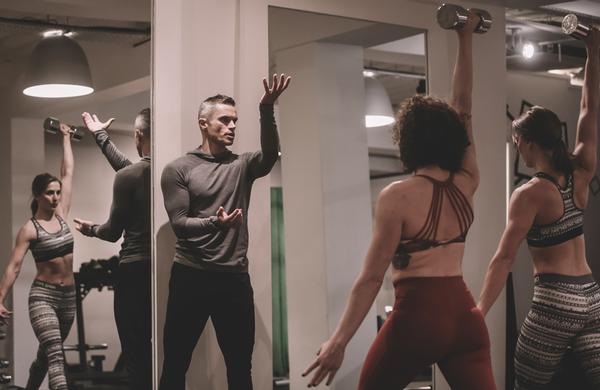
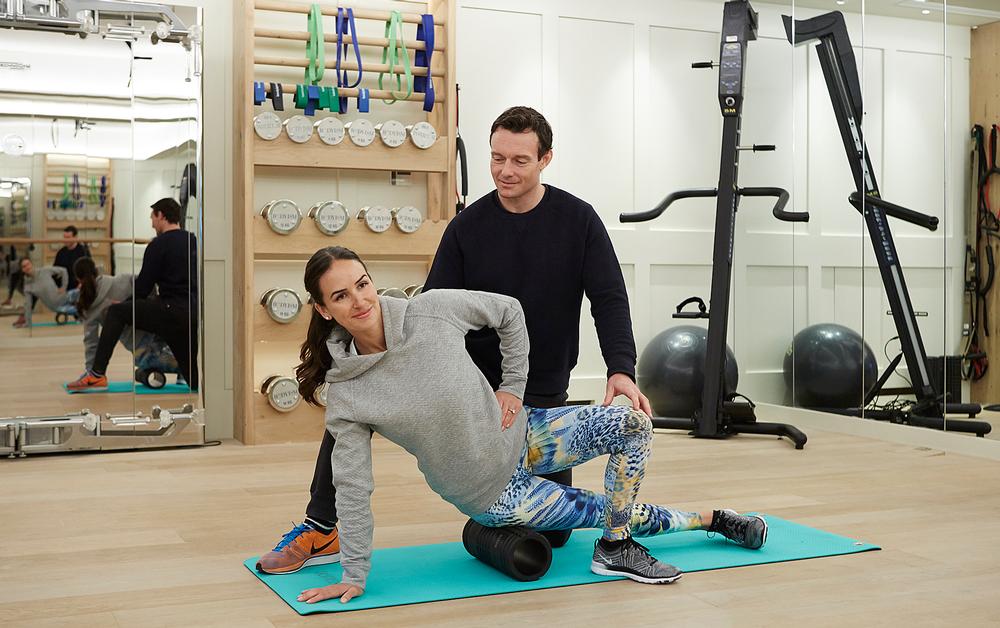
He explains: “In my clubs, prehab sessions are carried out one-to-one rather than in groups; however, that doesn’t mean that prehab can’t work well in a group setting. It can, as long as the instructor is very switched on and skilled.
“If you’ve got 15 people using a foam roller in a class, it’s likely they won’t all be using it correctly, so an instructor will need to go round and assess form, correcting people as needed.”
He adds: “Prehab should be a session in its own right, but for clubs unable to commit to this, a great way to incorporate it into their offerings is to include it as part of a group fitness session. The first five to ten minutes of a class can be dedicated to this.”
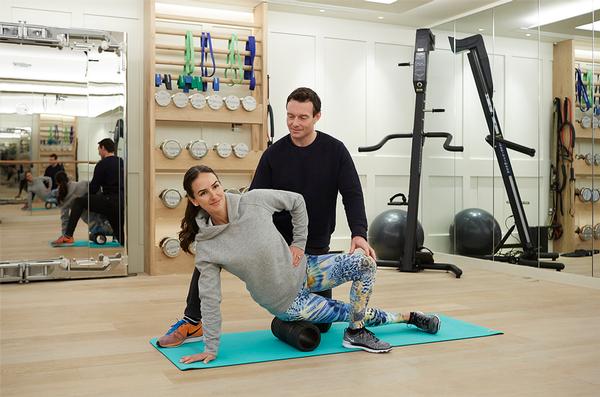
So what does an effective prehab session involve? “Trigger point work, using a foam roller on the major muscles,” says Roberts. “Any good routine should start with foam roller work that targets the big muscle groups – quads, glutes, hamstrings and calves.
“Dynamic functional movements, such as walking lunges, rotations and primal movements like crawling, are essential as they produce controlled mobility for the hips, spine and shoulders. Those types of big and slow movements allow good manipulation of the joints, muscles and tendons, which allows them to get warm and ready for intense exercise.”
ATTENTION TO DETAIL
“I think it’s important that the people doing this type of work really understand the reason why you have to manipulate the right soft tissues to make the joints work properly. If instructors simply think ‘we’ll get some foam rollers out and roll around a little bit’ a prehab class can quickly become a watered down version of what it should be,” warns Roberts.
Small agrees and advises that operators need to avoid creating generic one-size-fits-all classes based on the belief that prehab sessions are low-risk warm-ups.
“An effective prehab programme needs to be specific enough to deal with areas of poor control, weakness and inflexibility. This means that individuals should ideally have a detailed initial assessment to identify areas of focus,” she says.
And like Roberts, she believes that adequately trained and highly knowledgeable instructors are crucial for prehab class success.
ATTRACTING MEMBERS
With a growing number of studios and gyms adding prehab-inspired sessions to their timetables, it seems that when the right staff is combined with an effective programme, prehab sessions can work as independent classes that complement traditional fitness services.
Roberts, whose London gyms have successfully offered prehab-style training for years, says that careful marketing is key for getting members to understand that prehab sessions are not simply stretching sessions designed for the old and injured.
“We market it as a performance-driven tool for staying youthful, vital and in peak fitness,” he explains. “Prehab should be recommended for people who are keen on keeping performance high, whether via endurance sports or exercising in the gym.
“If you can get this message across, you’ll find demand for this service naturally grows as fitness enthusiasts want to stay in peak condition and want to be able to achieve the goals they’ve set for themselves.”
WHERE TO FIND PREHAB SESSIONS
Gymbox
The London-based gym chain offers a 30 minute group prehab class, designed to improve members’ range of movement and flexibility. Prehab classes are offered at its Farringdon and Covent Garden locations.
Pure Sports Medicine
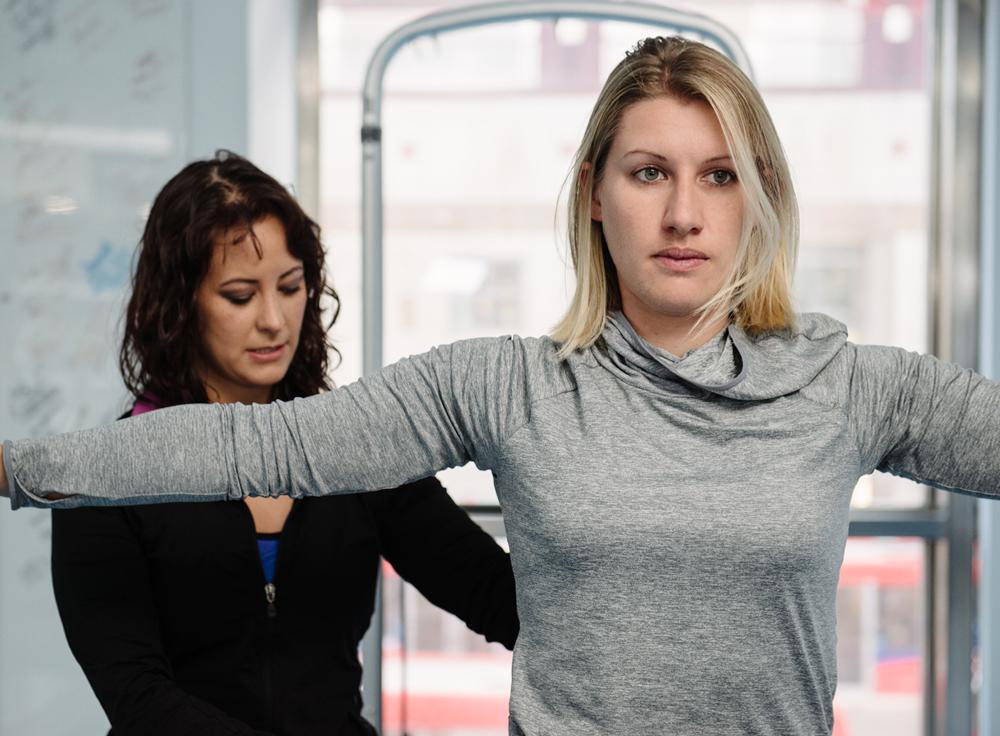
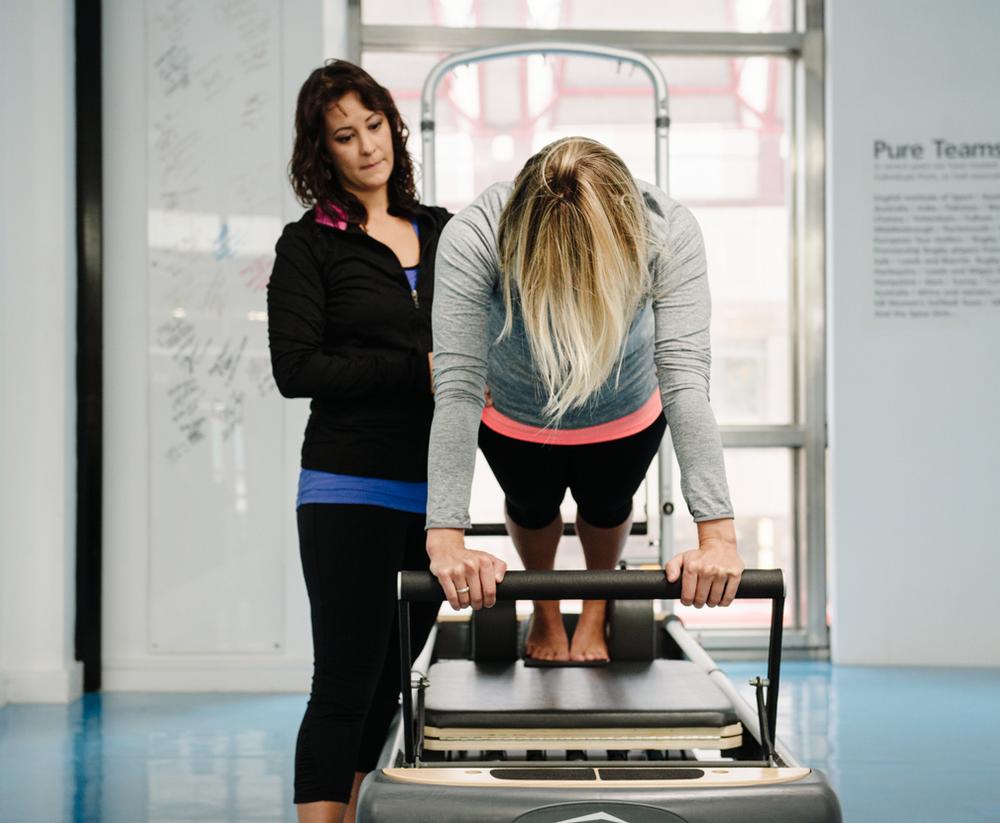
This sports injury clinic with an in-house gym offers one-to-one strength and conditioning sessions, and event preparation packages that incorporate the principles of prehab.
Matt Roberts Personal Training
Bespoke one-to-one training sessions that feature muscle manipulation for injury prevention are offered at Roberts’ gyms in Mayfair, Chelsea, City of London and The Langley Hotel in Buckinghamshire.
Ten Health and Fitness
This London-based pilates chain describes itself as an early adopter of prehab and includes the service in its ‘circle of care’ approach, which combines physical therapist- and trainer-led exercise, prehab, injury management, treatment and rehab.
Fitness Space
The UK-wide fitness franchise has a variety of group classes designed to improve flexibility, mobility, and alignment, while preventing injury. Housed under the ‘Spirit’ category of classes on offer, members can enjoy prehab-focused sessions, such as Roll Out (foam-roller based myofascial release sessions) and Stretch n’ Flex (mobility sessions).
BodySPace
This newly opened luxury fitness facility is situated in the Corinthia Hotel, London and takes a holistic approach to fitness, offering clients a range of treatments including myofascial release, compression and muscle recovery as part of its bespoke one-to-one fitness packages.
Bodyism
Based in London, Maldives, Capri and Turkey, Bodyism incorporates the principles of prehab into all of its classes, with foam-roller-based myofacial release exercises and dynamic stretching.
Grace Belgravia
Located in Belgravia, London, this women-only gym offers both group prehab classes and one-to-one sessions. Its Graceful Stretch class aims to improve flexibility, mobility and strength through dynamic stretching.


















Designed to restore neglected land and renew the identity of Iraq’s capital city, Baghdad Sustainable Forests promises a new way of living surrounded by nature. Gensler’s Ian Mulcahay tells us why he thinks the project could become a model for the repair and enhancement of urban centres