Show report
Facts of Life
Post-truth and alternative facts, diversity and design, participation and public engagement – just a handful of topics discussed and debated at the Ecsite Annual Conference. Alice Davis reports



A recurring topic at the Ecsite Annual Conference was how the science centre sector should respond to the rise of “post-truth” and “alternative facts”.
Just minutes into the opening ceremony, Ecsite’s outgoing president, Michiel Buchel, had touched on the subject, saying: “Science is not just an opinion.”
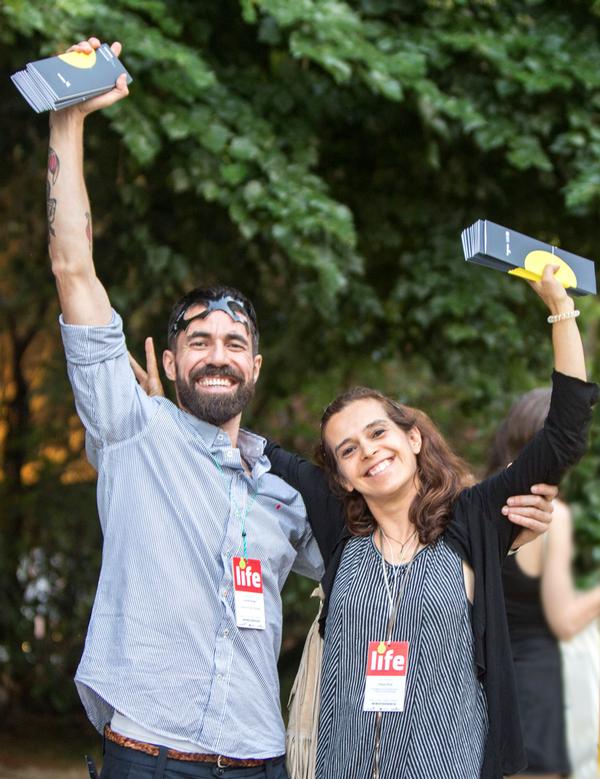
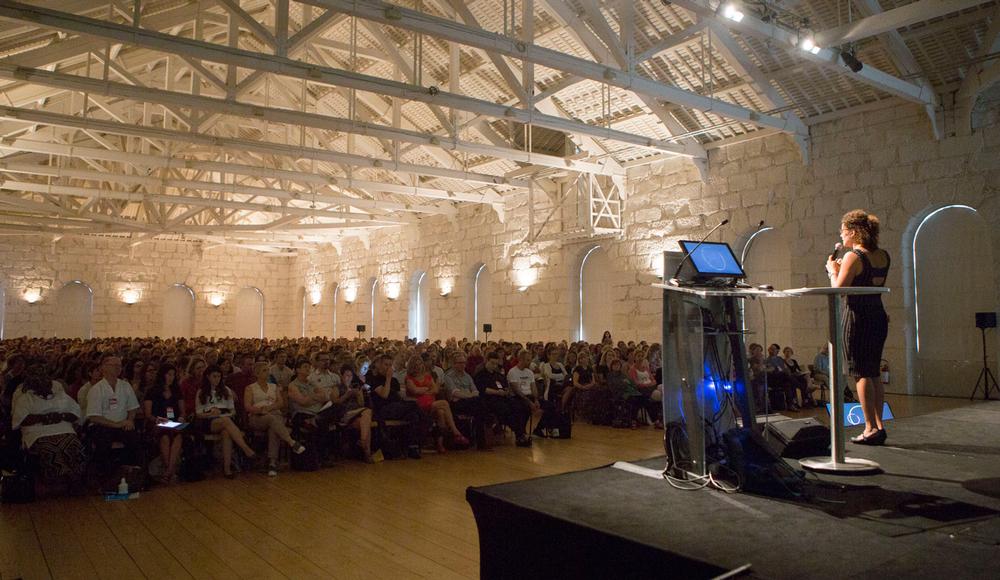
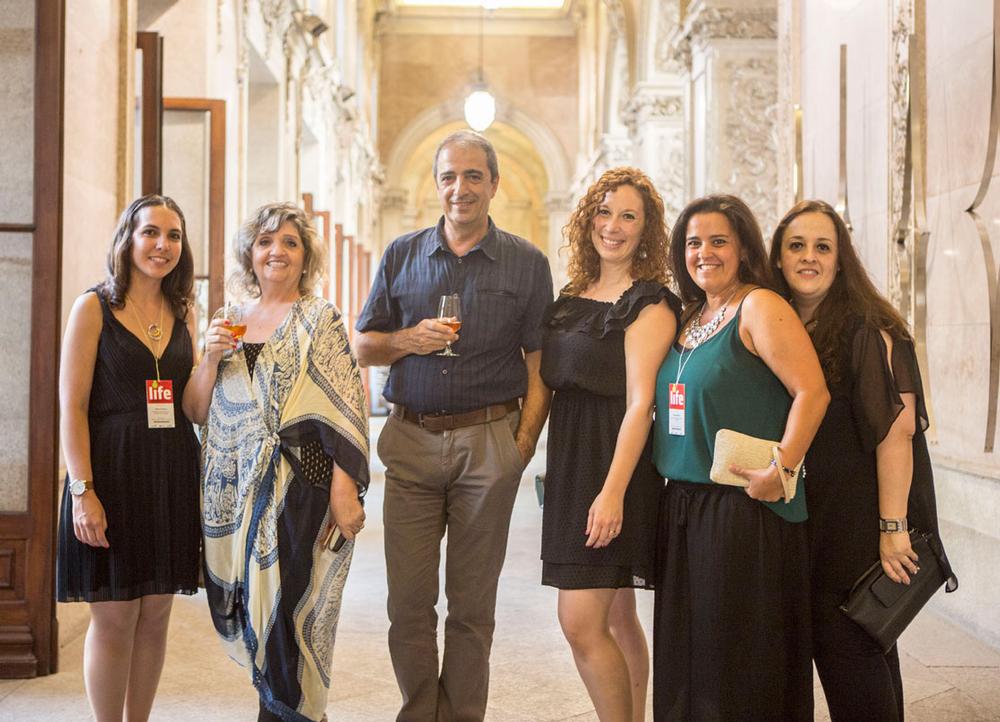
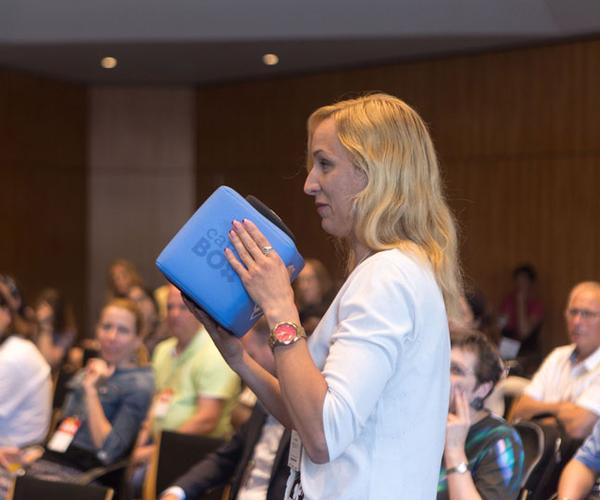
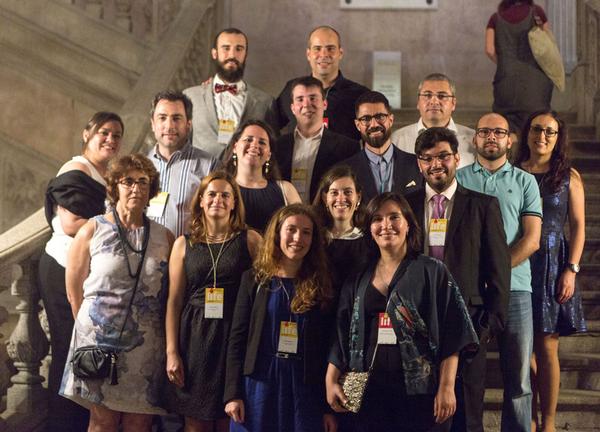
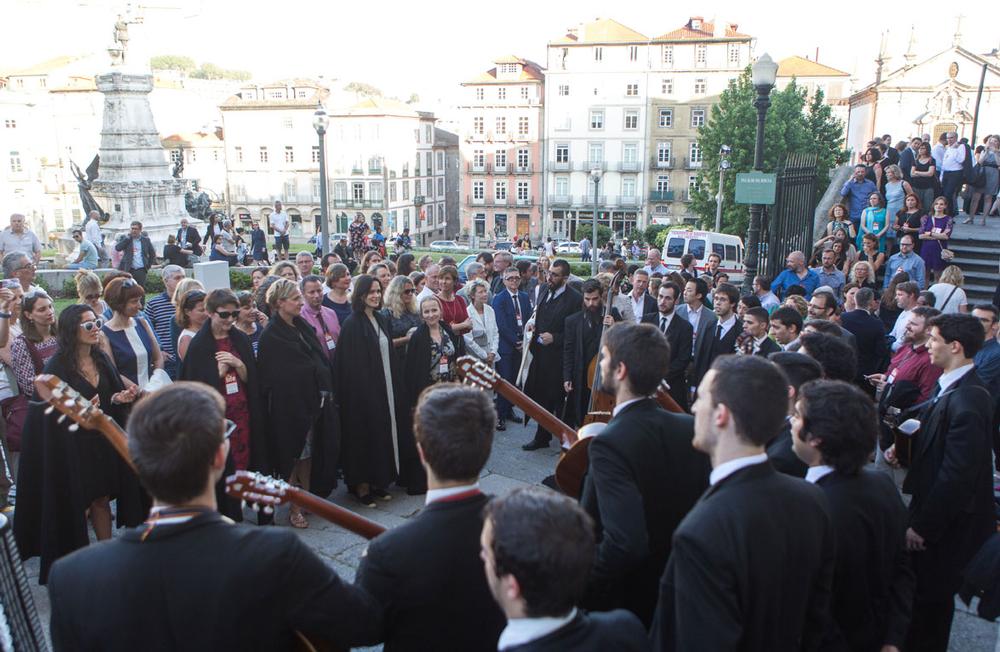
Ecsite, the European network of science centres and museums, which holds a conference on a yearly basis, was held in Porto, Portugal, from 15 to 17 June. It attracted 1,058 people from 52 different countries, attending 90 sessions informally based around the theme, Life Everywhere.
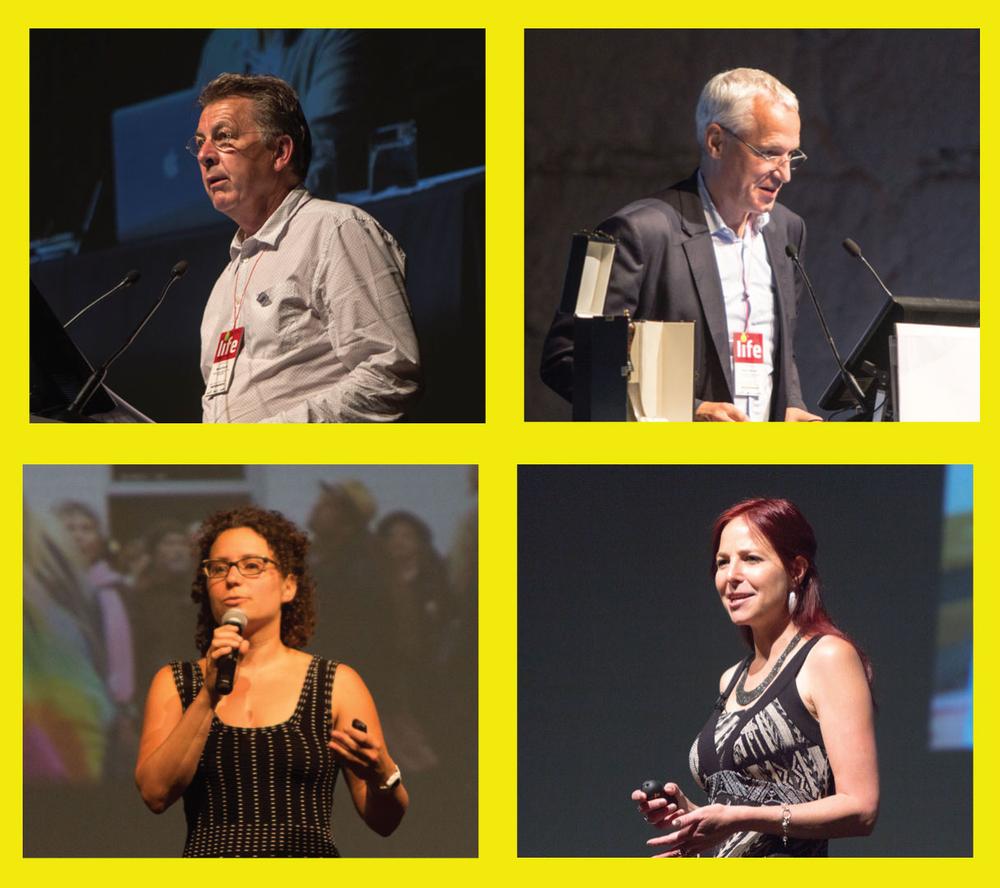
A number of high-profile guest speakers gave talks, including Manuel Heitor, Portuguese minister of science, technology and higher education; Dr Alice Roberts, science academic and BBC broadcaster; and Nina Simon, executive director of the Santa Cruz Museum of Art and History.
Politician Heitor spoke at the opening event, calling on the science centre community not to waver from its mission to educate, engage and increase public participation in scientific endeavour. Science communication, a profession in its own right, is vital to engaging people with some of the most pressing topics, he said.
“Science does not survive in social isolation. It is very important when we create science policy to clearly stress the mission of science centres, because they should not waver from their unique and very critical mission to promote science with passion, to promote science for all, in a very clear way, and to be straightforward and pragmatic in that mission.”
Break out the bubble
In her keynote, which took the audience on a journey through the study of human origins, Roberts also emphasised the role of public engagement, noting that there had been a culture change in higher education to better support academics to share knowledge more widely.
“There are challenges,” she said. “Can we free up researchers in our universities to do this job of science communication and work with people who are experts in that field, such as yourselves?”
She also said: “Public engagement is about mutual learning between academics and the public. It’s not just academics who have access to a body of knowledge and then share that with the rest of society. There’s important knowledge within society as well, and the opportunity to discover different world views.”
Roberts warned against the dangers of the science community living in its own “bubble” without understanding how society sees it. “It’s extremely important to break out of that bubble and engage effectively.”
Earlier that morning, a panel session debated different statements about science engagement in the post-truth context. Operating under the Chatham House Rule to facilitate free discussion, a number of interesting points where raised, including that science centres could:
• teach visitors about checking and verifying to better understand the process of science and why it is robust
• teach visitors to ask themselves whether the things they hear and read are true and objective
• address the fact that facts rarely change people’s opinions or convictions
• help scientists communicate their research and engage with the public
• understand some people fear science will threaten their way of life
• address the role of social media and the Internet in the post-truth context
Be actively inclusive
This edition of Ecsite, the 28th, provided the backdrop for the first session held dedicated to LBGT diversity in science and science attractions. The panel asked why the LGBT community is quite well represented in the arts, media and elsewhere, but often barely visible within the science communication sector.
The convenor, Andrea Bandelli, executive director at the Science Gallery International in Dublin, Ireland, said this inclusivity is important, not just to provide broader representation in programming and reach out to LGBT visitors, but also to ensure science is approachable to LGBT students and the science centre sector appears welcoming to LGBT staff.
The panel noted that visibility is key. It’s not enough to do nothing. Attractions need to be “actively inclusive” at the organisational level, within their exhibitions, and with networking and programming. Try not to take a “heterosexual approach” to everything – that’s a good place to start.
“This is a topic we should be addressing in terms of content,” said Antonio Gomes de Costa, an independent science communication consultant.
Hands on, feet in
Another session featured panelists from a number of Mediterranean facilities and the topic of biodiversity loss, invasive species and high-impact environmental problems toccurring on a local level. One initiative that was discussed was that of the Centro Ciencia Viva do Algarve in Faro, Portugal, which has adopted a “hands on, feet in” approach with school trips – taking children to the local nature reserves and teaching them to not only observe, but also “do things”. For example, they can monitor water quality and take sediment samples.
With controversial or challenging topics, especially where there may be stakeholders with different priorities, the experts said science centres could explore crowd production and field activities.
While many workshops talked about engaging children, there was a contrasting session. The speakers in an afternoon discussion – titled Give Natural History Museums Back to Grown-Ups! – wondered if there might be a trend towards refining target audience groups, something that’s been seen in London, Chicago and Berlin.
Raphael Chanay, exhibitions and interpretation manager at the Natural History Museum in London, said it was time to challenge the perception of the attraction as a “dusty dino museum”.
Chanay has been targeting two adult groups – “contemporary cultured”, who are 18 to 34-year-olds, social and have no children; and “learned liberals”, who are 45-plus and driven by an interest in learning. It’s challenging, he said, to change people’s perceptions, but one thing that adults do enjoy is being surprised.
SUSTAINABLE CONFERENCE
The Ecsite conference strives to reduce waste and encourage environmentally friendly choices where possible. In Porto, each attendee was given a small reusable water bottle to fill from the water dispensers around the conference centre, eliminating the need for disposable plastic cups. At social events, water was served from glass bottles and food was sourced locally, with reduced meat options. Attendees were also invited to make their own way round the city on foot or by bike, rather than supplying shuttle buses.




Designed to restore neglected land and renew the identity of Iraq’s capital city, Baghdad Sustainable Forests promises a new way of living surrounded by nature. Gensler’s Ian Mulcahay tells us why he thinks the project could become a model for the repair and enhancement of urban centres