Innovation
Stadiums of the Future
A new report from Deloitte argues that the sports industry is moving towards a model in which the stadium becomes a technological and commercial platform



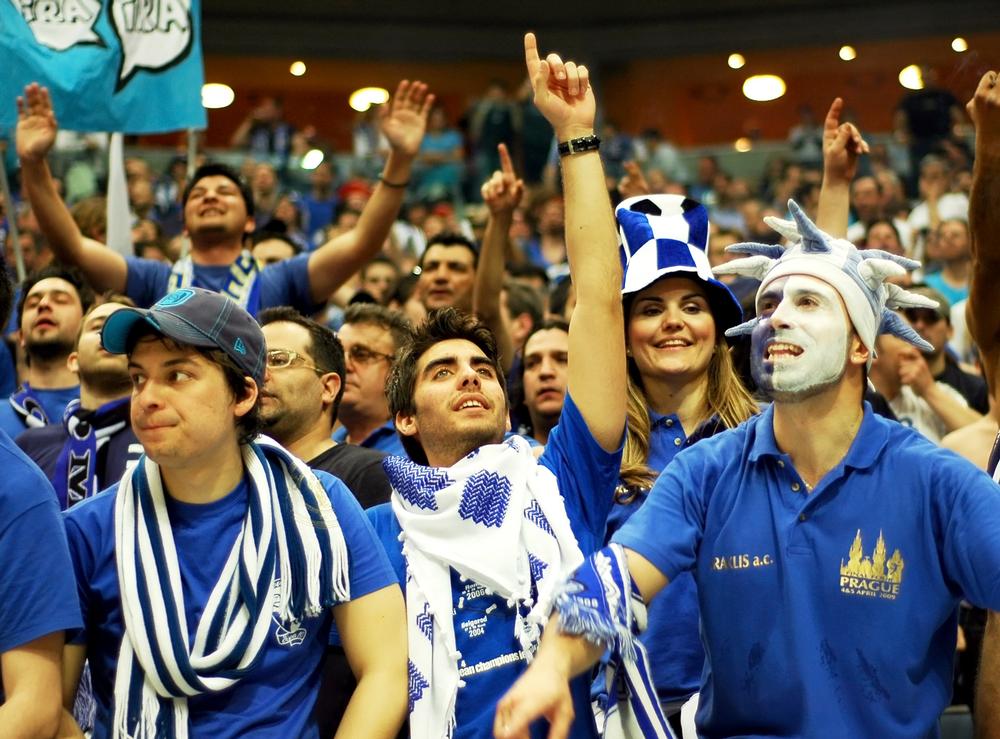
The stadium experience is changing and it‘s no longer enough to simply consider the role of sightlines, seat widths and the price of beer. Sports teams need to encourage fans and event-goers to shape their own experience.
The idea of viewing the stadium as a platform requires an organisational and operational shift in mindset for both sports teams and stadium operators, those who embrace it will be offering fans the chance to experience the stadium of the future.
The stadium as a ‘platform’
Bringing the latest advances in consumer technology into the stadium sounds incredibly appealing, however, stadium operators need to be conscious of the changes that are needed when it comes to both operating mindset and organisational behaviour.
When considering how stadium technology will change the fan experience, we use a definition attributed to Bill Gates: “a commercial platform exists when the economic value of everybody that uses it exceeds the value of the company that creates it.”
Transforming the stadium into a platform means ‘opening up’ the stadium to third parties, including developers, sponsors and advertisers. This results in significant changes for the stadium business model.
The economics of a platform are very different from those of selling a stadium experience for the price of a ticket – for example, an event which is surrounded by concessions and retail. In the new model, the stadium owner is not just the operator of the venue, but also the architect and manager of the platform.
While this shift carries risks for the facility owner/operator, there is also a significant opportunity to create new sources of value for fans and partners alike.
There are three primary components to designing and maintaining the stadium platform:
1. Development ecosystem
While we use ‘platform’ to refer to the entirety of the stadium business model, at its core is a technology ecosystem; the collection of hardware, software and tools that allow people to access and build on top of the stadium’s core infrastructure and systems. Stadiums can foster the development of new experiences by creating tools like APIs, libraries and software development kits (SDKs) and providing support to developers.
2. Business and value drivers
The primary economic force that differentiates platforms from standalone products is network effects. This is because the benefit of using a platform increases with the number of other users on the platform. The strongest example is Facebook, where the value of the social network increases for each user as more of the user’s real-world friends join. Additionally, as the number of users on a platform grows, it becomes increasingly attractive for developers to build applications for the platform or for companies to advertise on the platform.
The more applications written for a platform, the more attractive it will be to users.
3. Rules and governance
Opening up a platform for third-party development can be risky, as it means allowing other entities to access core infrastructure and manipulate information in order to build new experiences for guests. This loosens the venue’s control over how fans engage with it and means the experience can no longer be fully controlled through proprietary software and team-created applications.
Therefore, it’s the stadium operator’s responsibility as the ‘architect’ and owner of the platform to create the rules which dictate which data and systems can be used when, how and for what purpose. This requires not only guidelines and policies for developers, but also the creation of commercial guidelines to determine how transactions are managed in the stadium and how revenue is shared between the team/stadium and its partners.
In addition, the stadium operator must define and clearly communicate how misuse of the infrastructure will be addressed and then –importantly – consistently enforce these rules.
Implications for teams and operators
Teams building new venues are best positioned to think about creating this new set-up from the ground up.
From day one of planning the design and construction of a stadium, think about the technology infrastructure required to create the experiences you want fans to have. Consider this in relation to three timescales – what is possible today, what is likely to be possible by the time the stadium opens and what might be possible in the future and how it will work throughout the stadium’s lifetime.
When it comes to retrofitting, existing stadiums can build platform design into their technology upgrade investment cycles so they can better address the needs of fans. Competition between new stadiums means that each opening sets a new target for subsequent stadiums to surpass. As a result, fans’ preferences and expectations are constantly changing.
Staying up-to-date in a changing world
For an already operating stadium, it’s still possible to use the platform concept to go further towards meeting fans’ changing needs.
All technology upgrades within the stadium – such as installing beacons or introducing mobile ticketing – should be considered through the lens of how they will integrate with other parts of the stadium and how they can be opened up to outside development. Additionally, advances in cloud infrastructure and mobile technology have made it possible to improve stadium technology without substantial on-site investment. This means that older stadiums can use newly devloped technology to offer new experiences that meet fans’ needs and expectations and compete with more recently opened venues.
As we’ve said, the value of a platform increases exponentially with the number of users and developers on it. Stadiums, teams and leagues have already seen success in encouraging fans to use their devices at the stadium, meaning there’s a readily-available potential user base for a stadium platform. Developers, however, are more scarce. Concerted efforts must be made to attract and encourage them to build new applications. Creating development tools and seeding them widely to developers is the first step to tapping into the potential of others to create new, unique third-party experiences.
The interaction between fans’ devices and stadium operational and commercial systems generates a treasure trove of data which can be used to make operations more efficient. Other data will give insight into fans’ behaviors and preferences that could be of value to the team and its partners and sponsors.
Pete Giorgio

Pete Giorgio leads the team at Deloitte which produced the report: The Stadium as a Platform – a new model for integrating venue technology into sports business