Olympic Dreams
West Ham
The Premier League club waved an emotional goodbye to Upton Park, trading it in for the modern surroundings of the Olympic Stadium. Matthew Campelli assesses the move



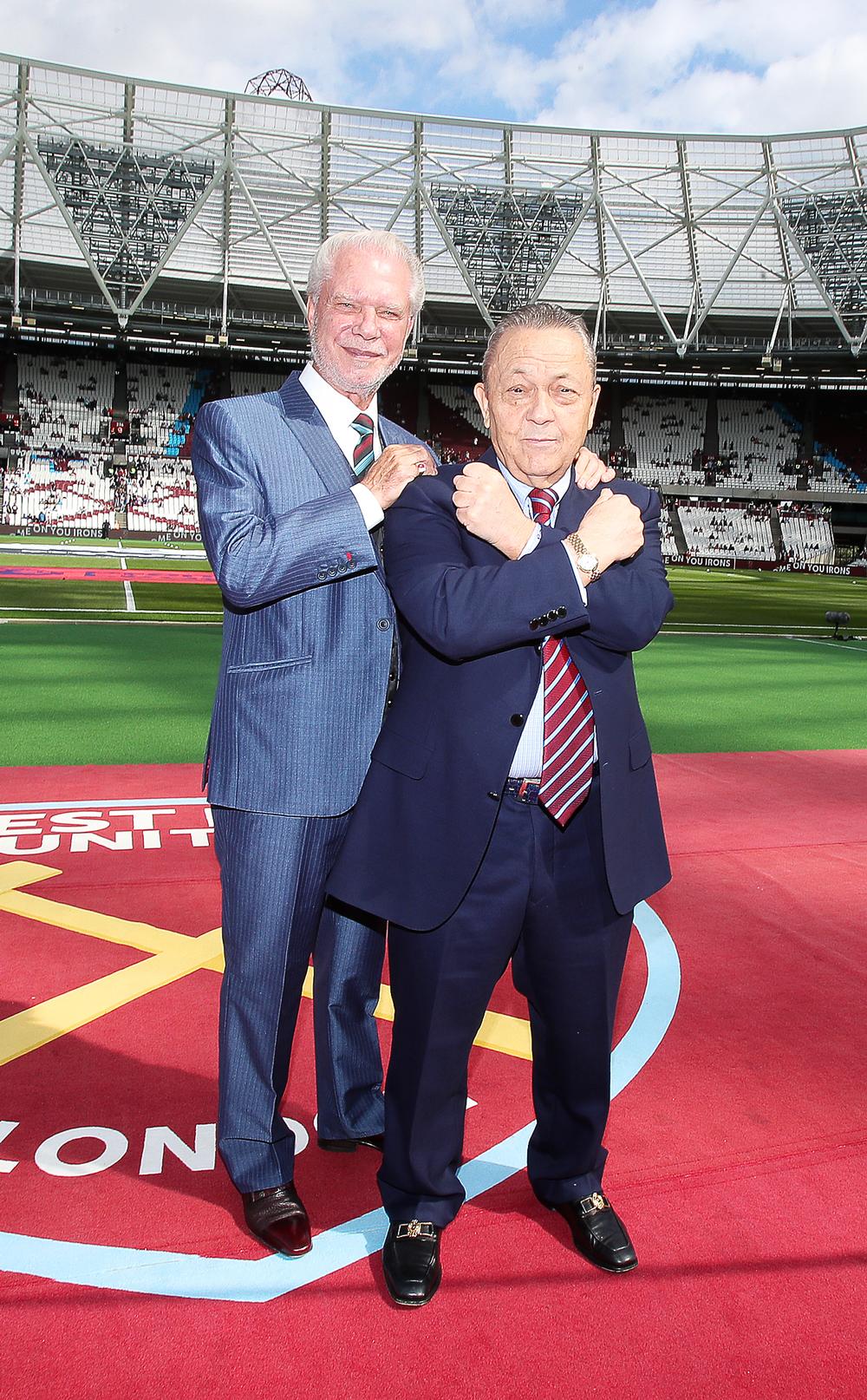
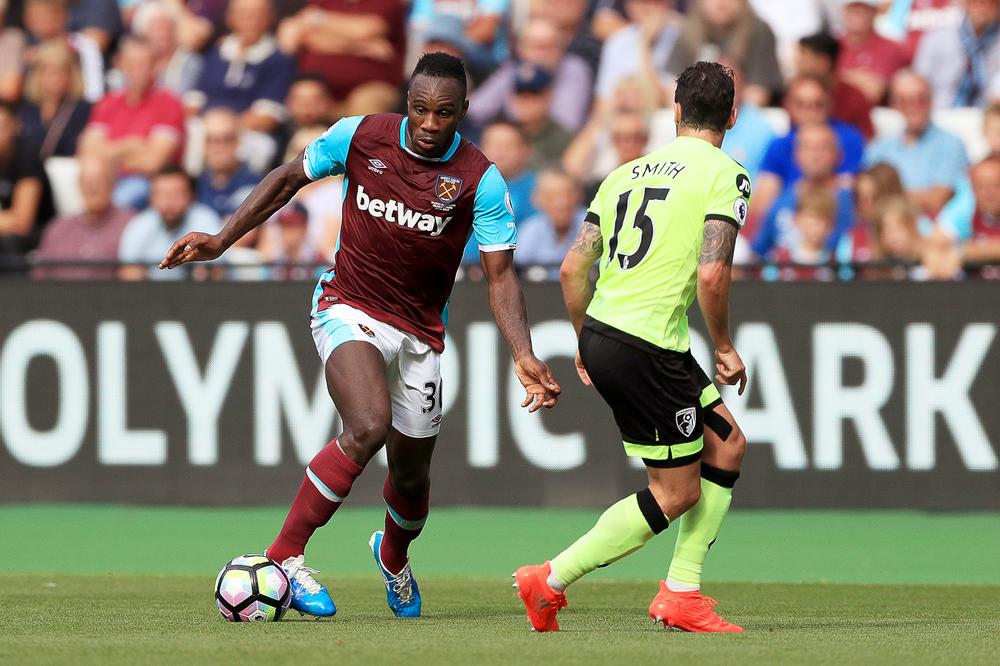
In several decades time, when football fans look back and reminisce about some of the greatest games to have occurred during the Premier League’s ‘golden generation’ – when the division was awash with money and world-class talent – few will spare a thought for West Ham United’s sluggish 1-0 win over AFC Bournemouth which opened the 2016-17 Premier League season.
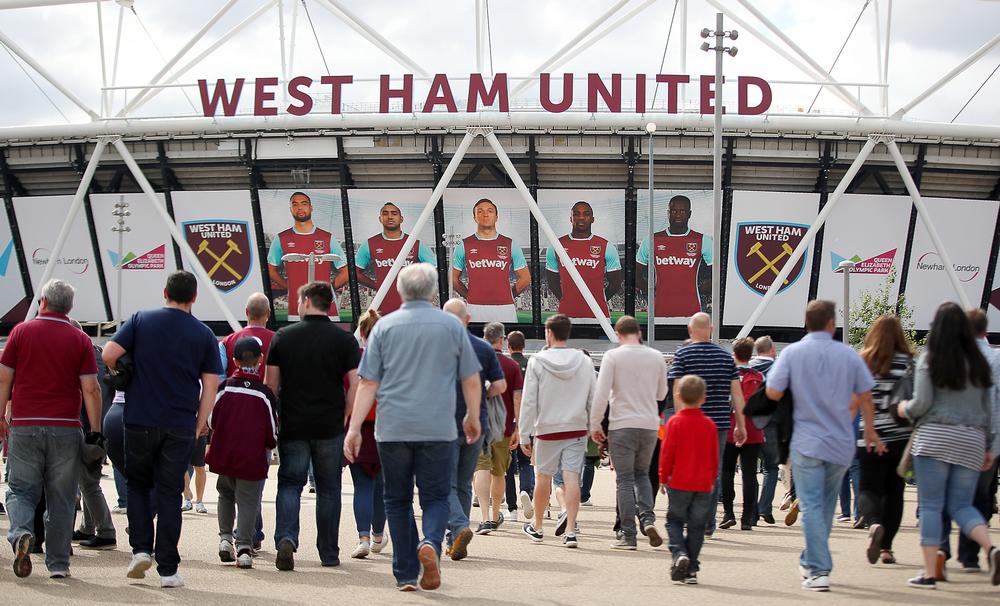
That particular match, however, is likely to remain poignant for fans of the East London club for many years to come. It was, after all, the team’s first home league match away from Upton Park since 1904.
Upton Park – also known as the Boleyn Ground – was considered one of the jewels of English football. An imperfect, gritty jewel, but a jewel nonetheless. Its pitch provided a stage for the likes of England World Cup winners Bobby Moore and Sir Geoff Hurst, the homegrown talents of Trevor Brooking, Joe Cole and Rio Ferdinand, as well as foreign stars such as Paolo Di Canio and Carlos Tevez, over the years.
Iconic moments such as the Italian’s unbelievable scissor-kick volley against Wimbledon, the 1-1 draw that foiled Manchester United’s march to the title in 1995, and several satisfying league, cup and European wins were witnessed inside the old ground, which is set to be demolished and replaced with 700 flats.
The victory against Bournemouth may not live long in the memory like those moments, but it gave a glimpse of the potential for success on and off the field for one of London’s best supported clubs.
For a start, the ground’s capacity of 57,000 – which West Ham is trying to upgrade to 60,000 – is a significant increase on the 35,000 spectators who packed into Upton Park every week. The stadium’s size, structure and location mean the club stands to benefits from a significant commercial uplift.
Controversy
Although the future looks increasingly bright for West Ham, its journey to the stadium – which was built to host the London 2012 Olympics – was far from smooth, with very public opposition from a number of stakeholders.
The details of the deal the club struck with the stadium operators, London Legacy Development Corporation (LLDC), caused significant controversy when it emerged that West Ham was paying just £2.5m per season in rent and only £15m towards a total of £272m worth of renovations to turn the stadium into a football ground – despite the club taking a significant slice of the Premier League’s record-breaking £5.1bn domestic television deal from 2016.
While a fans’ coalition and former Leyton Orient chair Barry Hearn cried foul and called the deal an insult to the taxpayer – whose money built the stadium originally – West Ham co-owner David Sullivan labelled the naysayers “jealous” and said it was a good deal for everybody, including those living in the surrounding areas and taxpayers in general.
No matter what side of the fence you sit, West Ham’s occupation of the Olympic stadium at least means it won’t become a white elephant and will be able to sustain some form of legacy following the Olympic Games four years ago.
Making it football-ready
Populous, the architect that designed the arena, was brought on board by the E20 Stadium LLP – a joint venture between the LLDC and Newham Council – in 2013 to transform it into a modern, fit-for-purpose football stadium suitable for the Premier League.
However, the venue is still expected to host various other events, including rugby matches and high-profile concerts and music events, making the logistical practicalities challenging to say the least.
Track and field will also be accommodated to keep the legacy of the 2012 Games alive, with the stadium becoming the national competition centre of athletics.
Annual Diamond League meetings will be held at the venue, and it’s also scheduled to host the IAAF World Athletics Championships in 2017.
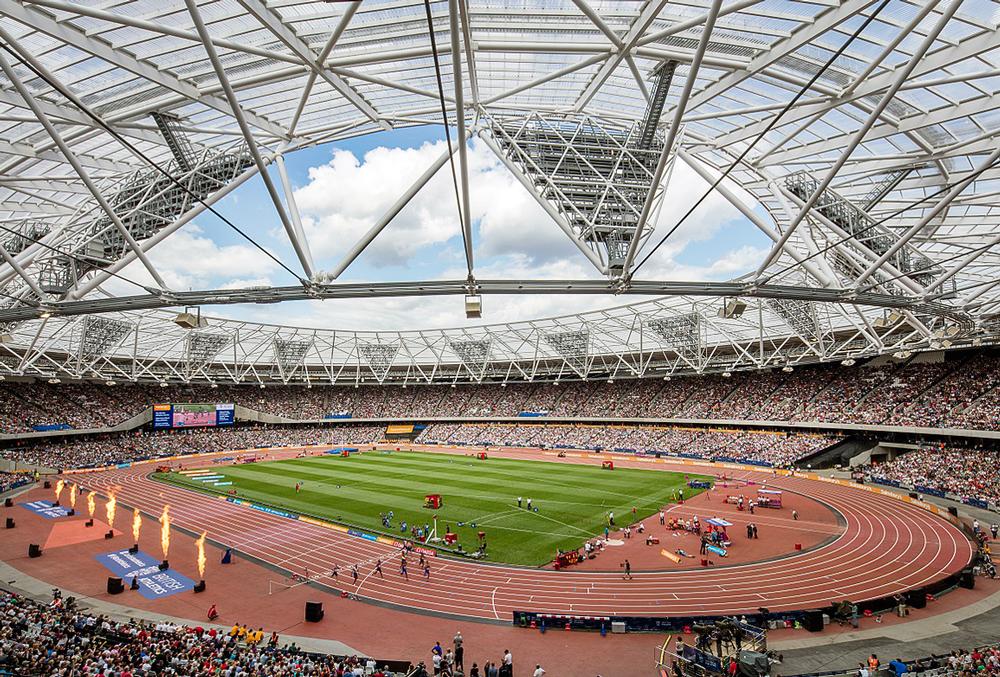
For the football, spectator seats have been moved forward onto the track area, which was graced by Jessica Ennis-Hill and Mo Farah during Team GB’s Super Saturday at London 2012. The closeness creates an atmosphere akin to traditional football grounds – to sacrifice this, for a club like West Ham which made Upton Park a cauldron of noise at times, would have been a great loss.
To accommodate fans sitting closer to the pitch, the stadium roof was completely replaced, and is twice the size of the original, complying with FIFA guidelines to cover every seat. At 84m it is the largest-spanning roof of its type in the world.
“The roof is designed to enhance the atmosphere,” Populous principal Mark Craine tells Sports Management. “As well as keeping the fans dry, it also keeps the sound inside the bowl. The atmosphere inside is amazing, but the new roof also keeps the noise from leaking out into the residential areas that are part of the 2012 Games legacy.”
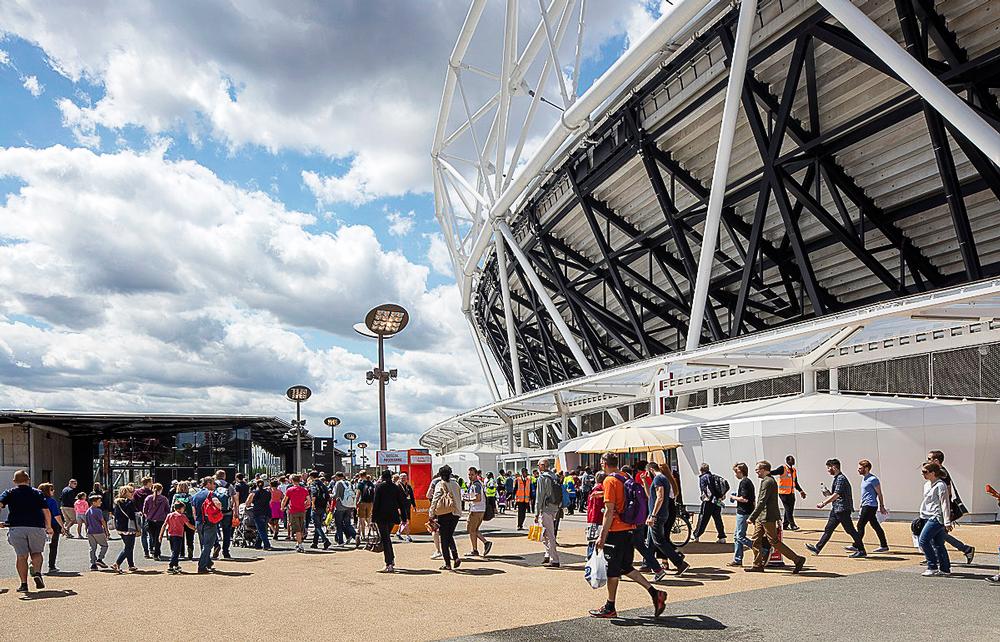
The surrounding area of the stadium is more conducive for a pleasant matchday experience than the tight residential streets that surrounded the club’s for Upton Park home. Supporters can travel to the ground from five train or tube stations and wander up the vast spaces of the Olympic park.
Towards the end of last season, violence marred West Ham’s final match at Upton Park against Manchester United when supporters damaged the visiting club’s coach with glass bottles and various other objects. During this year’s Daily Telegraph’s Business Conference, West Ham co-owner David Gold said the episode demonstrated the need to move to the Olympic Stadium, claiming infrastructure problems had a bearing on the scenes.
“It was clear evidence of what we’ve been saying all along – to fans that are saying ‘we want to stay at Upton Park, let’s develop it’. You can’t develop West Ham any further,” he said during the May conference.
“It was completely at its capacity – 35,000 is all it can cope with, and you saw that. There were 45,000 fans there and they gridlocked the East End of London. I’m sure that was a contributing factor.”
Despite the move away from its traditional East London roots, Craine stresses that community is still at the heart of the project, and claims that West Ham’s move to the new stadium has the “ability to transform and reenergise” the entire community.
Money spinner
Some doubted that West Ham could fill a stadium double the capacity of its previous abode. However, the club confounded the critics by selling more than 50,000 season tickets and selling out all its corporate seats. There’s also a waiting list developing for future season tickets, which bodes well for the future.
As well as the extra revenue from ticketing, the move has created opportunities for the club to generate income from increased food and beverage sales and wider sponsorship opportunities.
Of the latter, the club recently signed a “record” three-year deal with gaming firm Betway – the largest sponsorship agreement in its history – with the extra space for signage within the Olympic Stadium cited as a key factor in the successful conclusion of the deal.
The agreement didn’t include a naming rights clause, and at time of writing West Ham has so far declined to finalise such a deal, despite much speculation. If any naming rights deal was concluded the LLDC would keep the first £4m (and a subsequent 50/50 share), although deals of this nature can hit the £150m mark – like Arsenal’s tie-up with Emirates – and could mushroom further to mirror the growing interest in Premier League football globally.
LLDC also takes a share of F&B sales, with the operator benefitting from the first £500,000 of catering profits and a 70/30 split thereafter. But West Ham will still benefit as a result of the increased footfall, not to mention the opportunity to exploit retail sales with up to 40 tills in operation in the club shop on match days.
West Ham vice chair Baroness Karren Brady has gone on record to say that the extra revenue generated will be ploughed back into the playing squad to make the club competitive at home and in Europe. If that commitment is fulfilled, then the Hammers faithful can hope for many more happy memories in its new home.