Interview
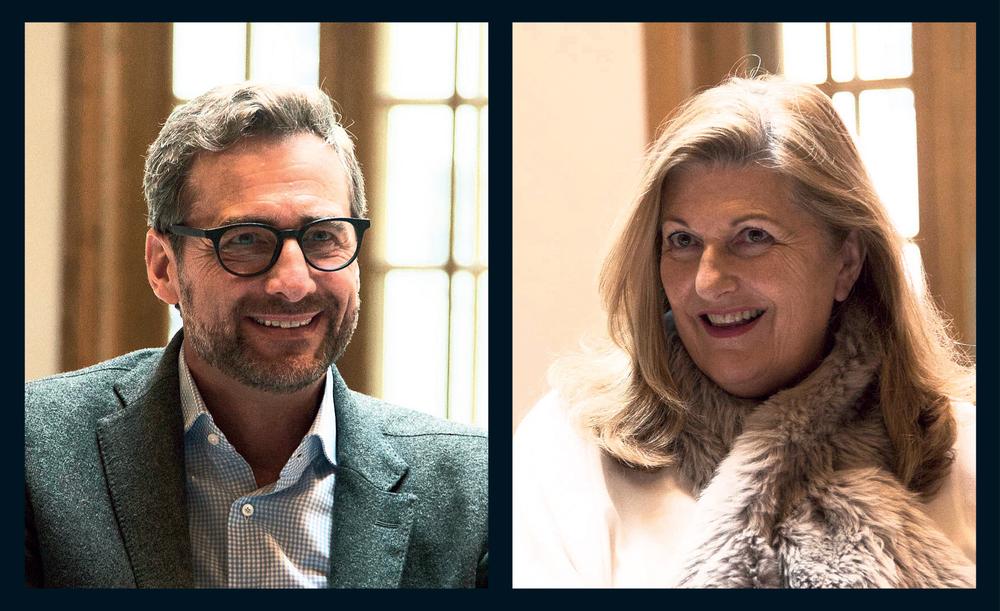
Franz Linser & Susan Harmsworth
In October the Global Wellness Summit will celebrate its 10th anniversary. Spa Business talks to this year’s co-chairs to find out what they’re planning for the milestone event in Kitzbühel, Austria



What’s going to be different about the summit this year?
Harmsworth: We want to shine a spotlight on Europe and we’re keen to open the summit to more professionals in this region, especially in eastern Europe, who may not be as familiar with the event.
Linser: Every summit is unique to its location and what we’ll be doing is not for the sake of being different, but because we want to give delegates a notion of wellness as it’s been developed in Europe.
The golden ages of ‘the cure’ – when medical-led health programmes were delivered using natural resources – go back at least 100 years in Europe. And not just in Austria, but in the thermal/mud baths in Italy, and also in Czechoslovakia, southern Germany and Hungary.
Harmsworth:The famous FX Mayr detox cure, which is based on gut health, originated in Austria about 40 years ago and I’ve been visiting a Mayr facility there annually for the past 10 years. The visits are a necessity for me to continue work at the pace I do. They allow me to completely detox physically and mentally and I leave with renewed energy, clarity of thought and usually a few pounds lighter!
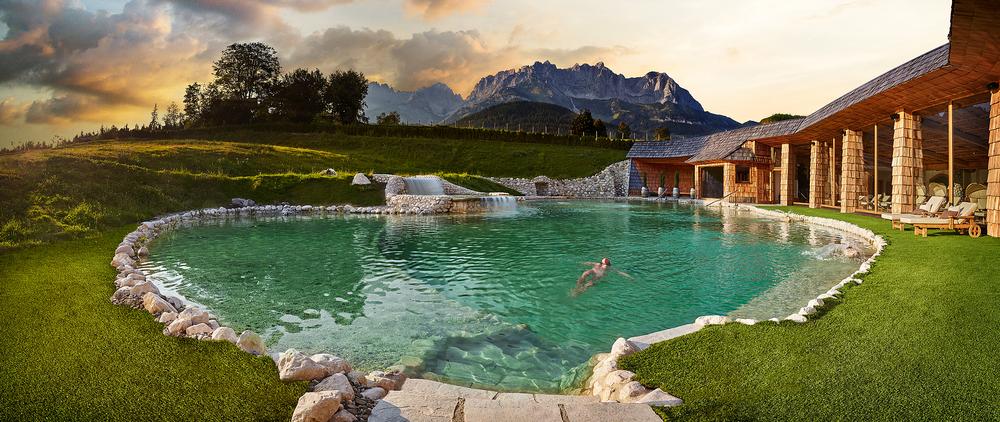
Linser: Kitzbühel is in the Tyrol, which is a small Austrian province that accounts for only 8 per cent of the country’s population but which attracts 40 per cent of its tourists (10 million visitors) each year. It was the first region to adopt wellness tourism on a wider scale. The origins of our hotels are very different – they’re sports-based and focused on things like hiking, golfing and even tennis. The first wellness hotel corporation was founded here 26 years ago.
With millions of cubic metres of fresh snow every year, with lakes and rivers of fresh drinking water, we not only have hundreds of wellness centres in Tyrol, I would even dare to say that Tyrol is a wellness centre in its own right.
How will ‘Austrian wellness’ be reflected in the programme?
Linser: If you’re touching on a new topic in what we call ‘wellness’, I think it all starts just by drawing attention to what the philosophy is. The step from spa to wellness is much greater than most people are aware of. Spa means operational units, management, staffing, products and logistics. Wellness is a philosophy. It’s a way of living which embraces the outdoors, nature and social health, where people leave a facility somewhat changed and that’s what we want to focus on.
Harmsworth: Many of the delegates will be from Europe and eastern Europe so by that very nature the summit will be more wellness and spa focused. Plus we would like to have longer sessions this year so that we’ll have time to thoroughly discuss important topics such as ‘what wellness is’.
At the same time, we’d also like more interaction so that we can get conversations going about how spas are going to deliver wellness – and how they deliver it successfully.
Linser: Another way we’ll be getting across a flavour of European wellness is by how we’re hosting people. Delegates will be in small, cosy hotels where wellness isn’t necessarily about the spa or treatment rooms, it’s about the 10-minute walk they’ll have to the main venue. They’ll breathe in healthy fresh air, see the beautiful surrounding mountains, will come into to contact with people and really connect to the culture and destination. We’re hoping that some of the sessions may be outdoors too.
How will the agenda incorporate this year’s theme of Back to the Future?
Linser: We’ll be looking back to see how far we’ve come, but also looking forward to see what the next 10 years might look like. Ten years ago, we could have not predicted that life would be as fast and as intense as it is today. Spas are finding it hard to keep up as they’re not yet thinking about life as a whole – the next stage is honest, authentic wellness delivered ‘as one’ and not as separate components and I think it’s our duty to get this message across.
Ten years from now, I see psychiatrists and priests joining us and I’d also like to approach representatives from other spheres such as architects and constructors of healthy buildings who might not realise the role they have to play in delivering wellness.
As co-chairs, what do you bring to the table and how will you influence the summit?
Harmsworth: I founded ESPA, the spa product, training and consultancy company, over 40 years ago and it’s grown into a very commercial enterprise – we’ve got 600 spas in 60 countries. But we’ve always tried to keep it authentic and not let the numbers rule the [spa] offering.
One of my passions is integrative medicine and now the industry is moving into a different [wellness] era, I want to bring more of this into the programme and focus on prevention and lifestyle.
Doctors in Europe are recognising the benefits of complementary health, many of them study it as part of their medical training. And we want to put them on the same panel as those from the allopathic medical world. I’ve never thought one is right and one is wrong – you need both: medicine when you’re sick, but preventative medicine to keep you well So we want to look at the intersection of medicine and wellness and to get those things moving in an integrative way.
Linser: I was a professional athlete and then coached Austria’s national ski team, so I have a strong background in health and wellness. For more than 20 years my consultancy has helped over 60 hotels and organisations across Europe in wellness/business branding, positioning and programming.
What’s unique about hotels in central Europe is that 95 per cent of them are private, family-owned businesses. Previously, the summit has been dominated by the big hotel chains, so we want to have an exchange of ideas between the two to see what they can learn from each other. Hotel groups are more professional when it comes to financials, strategic planning and operating procedures. But they don’t have the autonomy or flexibility of the independent hotels.
What takeaways will there be?
Harmsworth: We want people to apply what they learn to their own businesses, so we’ll have a session dedicated to wellness that’s deliverable and viable. Realistically, it’s difficult to replicate wellness destinations like Vana and Miraval and make them commercially successful. You need to think about the cost of specialist staff and equipment for things like blood infusions or MRIs if you go down the semi-medical route. The last thing our industry needs is lots of things coming along and failing in the name of wellness.
Linser: We’ll highlight successful wellness case studies in the Tyrol and openly talk about mistakes so people can learn from that. We’re currently collecting facts and figures to prove there’s more revenue in wellness than in normal leisure hotels – spas can help with length of stay and make a seasonal business a year-long one.
Harmsworth: We’re also planning on having an investors panel again.
What other major threads can we expect?
Harmsworth: I want to bring it back to education as I think training standards around the world have dropped. Because there was so much demand and not enough therapists, short courses were introduced as a quick fix. In the UK, you can do a three-month massage course and then go out into the marketplace. People don’t realise that in Austria and [mainland] Europe there’s still a high level of training in anatomy, physiology, kinesiology, complementary health and massage which underpins the quality of work they do. So I want to have a panel looking at this and I want to moderate it.
Linser: Sue’s exactly the right person to moderate it. She’s travelled the globe and seen the training of therapists first hand. If she comes to the conclusion that therapists in this part of the world are some of the best then that carries a lot of weight. I’d like to see a big panel of educators from Austria and Europe and also from the US and the UK to really get some heated discussions going!
To sum it up, what’s your ambition for this milestone summit?
Linser: To focus on wellness as it was meant to be. How does that sound?
Harmsworth: That’s absolutely relevant to our theme, ‘Back to the Future’. I think our ambition is to get back to authenticity, integrity and real spa and wellness.
Meet the co-chairs
Franz Linser
A Tyrolean native, Linser has run a spa and wellness consultancy for over 20 years and prior to that was a professional athlete and national sports coach
Susan Harmsworth
Founder of spa brand ESPA, Harmsworth started her company more than 40 years ago and today it has a portfolio of 600 spas in 60 countries
Save the date
Global Wellness Summit 2016
17-19 October
Kitzbühel, Tyrol, Austria
Katie Barnes is the editor
of Spa Business magazine
Email: katiebarnes@
spabusiness.com
Twitter: @SpaBusinessKB