Interview
Marty Sklar
Disney Legend Marty Sklar reveals the secrets of Imagineering, the legacy of the 1964 World’s Fair and the lessons he learned from Walt Disney



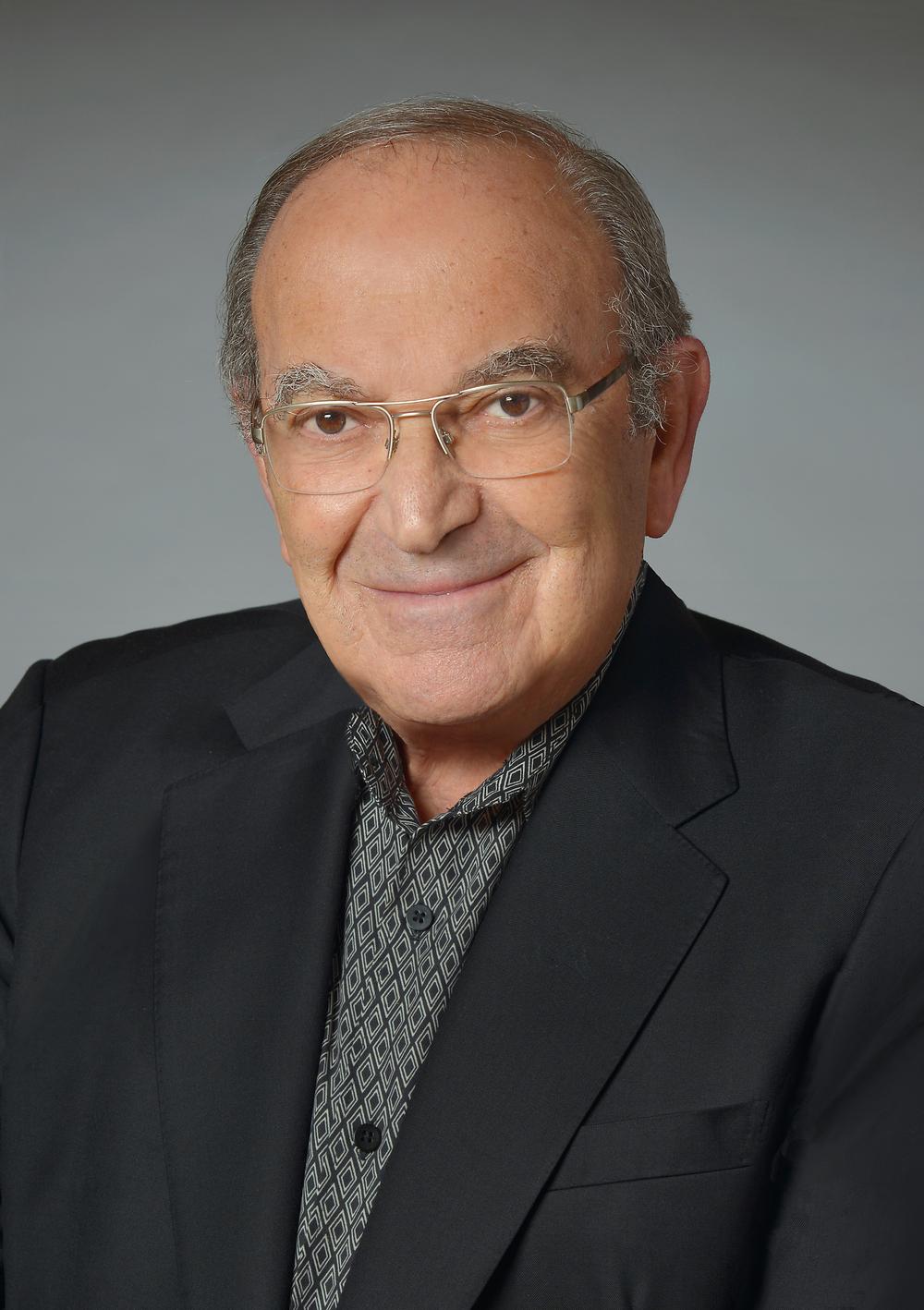
Discounting the great man himself, there can be few people who’ve played such a key role in Disney’s success as Marty Sklar. During a 54-year career, in which Sklar started out as the writer of Walt Disney’s narratives and ended as the realiser of his visions, the IAAPA Hall of Famer played a hand in the opening of all 11 Disney parks around the world.
When he retired from his position as head of Disney Imagineering in 2006, after more than 30 years in the role, former Disneyland International chair Jim Cora referred to him as the “keeper of the keys” – someone who understood the Disney way because “he learned it at Walt’s knee.”
Sklar was hired to write Disneyland marketing materials in 1955, when he was still a UCLA undergraduate. Working closely with Disney helped instil in him a sense of the “Disney DNA”, which he circulated to his Imagineers through the doctrine of “Mickey’s Ten Commandments.”
“As I began to learn to write things that sounded like Walt Disney, I found a little book called Words to Live By. It was from the 1940s,” says Sklar. “There was an article from Walt in there called ‘Take a Chance.’ I realised that was Walt’s model – take a chance. He was a big risk-taker.”
“Everybody thought Disneyland was going to be a disaster and that it wouldn’t work. But Walt believed in it so strongly and he convinced people that it was going to work – including the bankers – and ultimately, that’s why we’re all in this industry today.”
“Walt was never interested in what he did yesterday. He was only interested in what he was going to do today and tomorrow. So we all had to grow all the time to keep up with him and that was a great challenge and a great opportunity,” Sklar says.
Having excelled as a writer, Sklar quickly rose through the creative ranks at Disney and became head of Imagineering in 1974. From there, he presided over unprecedented expansion, taking the number of Disney theme parks from two to 11. Throughout this period, Sklar maintains that motivating his fellow creatives was the most important aspect of his job.
“It was vital to instil self-belief and imagination in the team,” says Sklar. “I always said there are two ways to look at a blank piece of paper – it’s either the most frightening thing in the world or the greatest opportunity. You need to get people to see it as a chance to let their imaginations run wild and create a new thing.”
When the magic happens
As for the creative process, Sklar believes a key framework of goals and objectives is essential in keeping a team focused.
“Sometimes we had a blank piece of paper and we had to turn that into a theme park. When we started on Epcot, we had Walt’s concept of a city, but turning that into the park was a huge challenge that took eight years,” he says.
“You have to figure out where you’re going and motivate people to help you get there. As a creative leader, I was focused on getting people to follow the foundation that we had set up and getting them to buy into and understand it. If you have a team of talented creative people, once they understand where you’re going, they really respond. That’s when the magic happens.”
Despite the fact that the Imagineering team were effectively creating theme parks from scratch, there wasn’t any room for egos or resting on personal laurels. Sklar would encourage risk-taking and innovation, but at the same time would remind his colleagues that at Disney “there’s only one name on the door” and if they wanted their name in lights, they’d need to look elsewhere.
It wasn’t like showbusiness, adds Sklar. There was no individual glory – Imagineers had to take their satisfaction from contributing to a successful team.
But there was one major pay-off. “What we all enjoyed more than anything was watching the people coming to the parks and having a great time with their families,” Sklar says. “Boy! That’s a great satisfaction, witnessing people taking such great enjoyment from something you helped to create.”
A true world stage
Disney was able to expand its empire extensively after the launch of Walt Disney World in 1971 thanks to the capital it was able to raise through commercial partnerships.
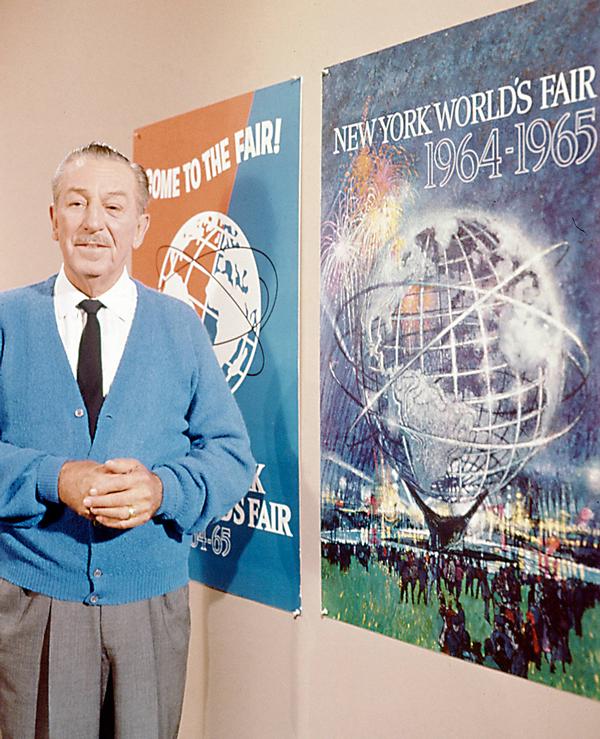
The seeds for this strategy – which was revolutionary among attractions at the time – were sown through Disney’s starring role at the 1964 World’s Fair in New York.
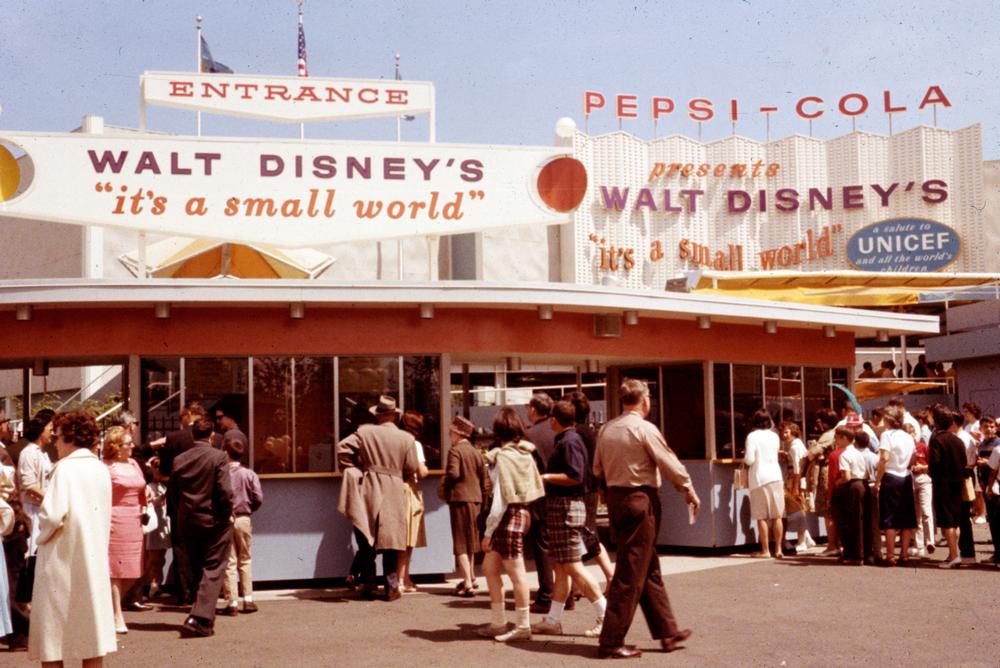
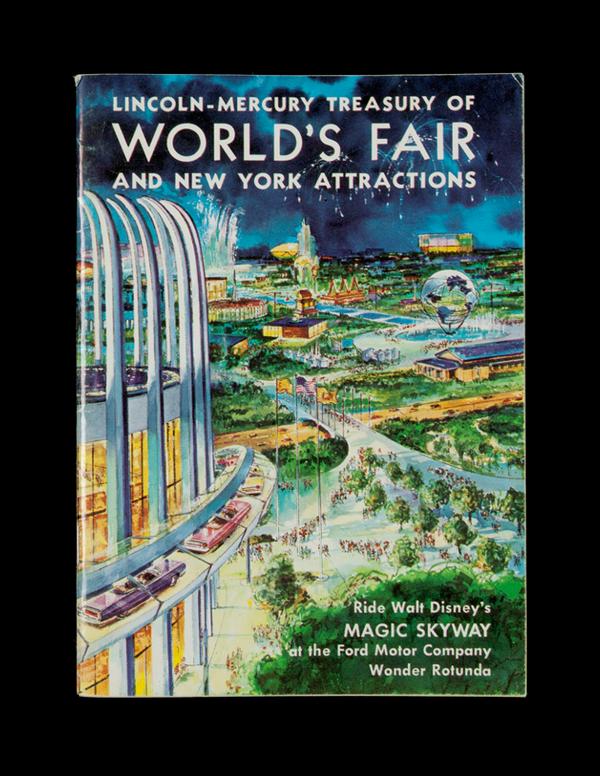
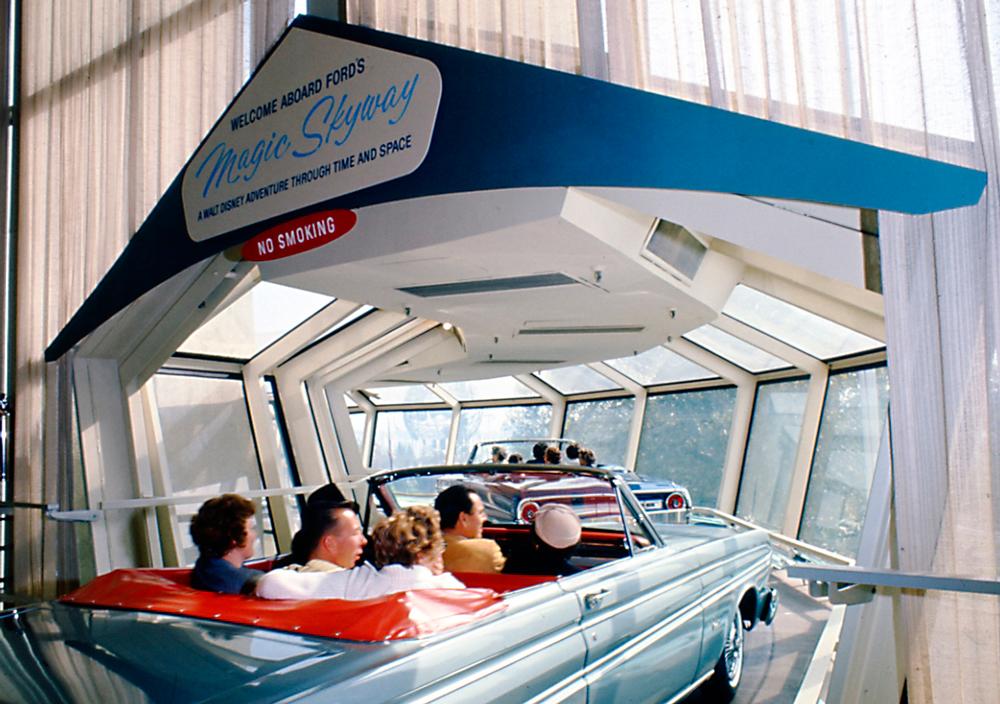
As Sklar recounted at the IAAPA 2014 Legends Session commemorating the Fair’s 50th anniversary, the Imagineering team produced four major pavilions for corporate sponsors – Ford, GE, Pepsi and the State of Illinois – all of which were launched on the same day, using previously untried technology.
Walt Disney took a huge gamble and diverted the entire Imagineering team’s efforts from Disneyland towards the World’s Fair projects, hoping to showcase the famous Disney magic on a true world stage.
“The World’s Fair was extraordinary as it was a stepping stone to Walt Disney World in Florida and brought huge growth for Disneyland. We didn’t know the details of the deals Walt made with the companies, but here we were stopping work on Disneyland for five years. We later found out that as part of the contract, Walt owned everything we produced for the World’s Fair, so everything we developed – even the troughs for the boats for It’s a Small World at the Pepsi pavilion – all came back to Disneyland as new attractions. It was brilliant marketing on Walt’s part,” says Sklar.
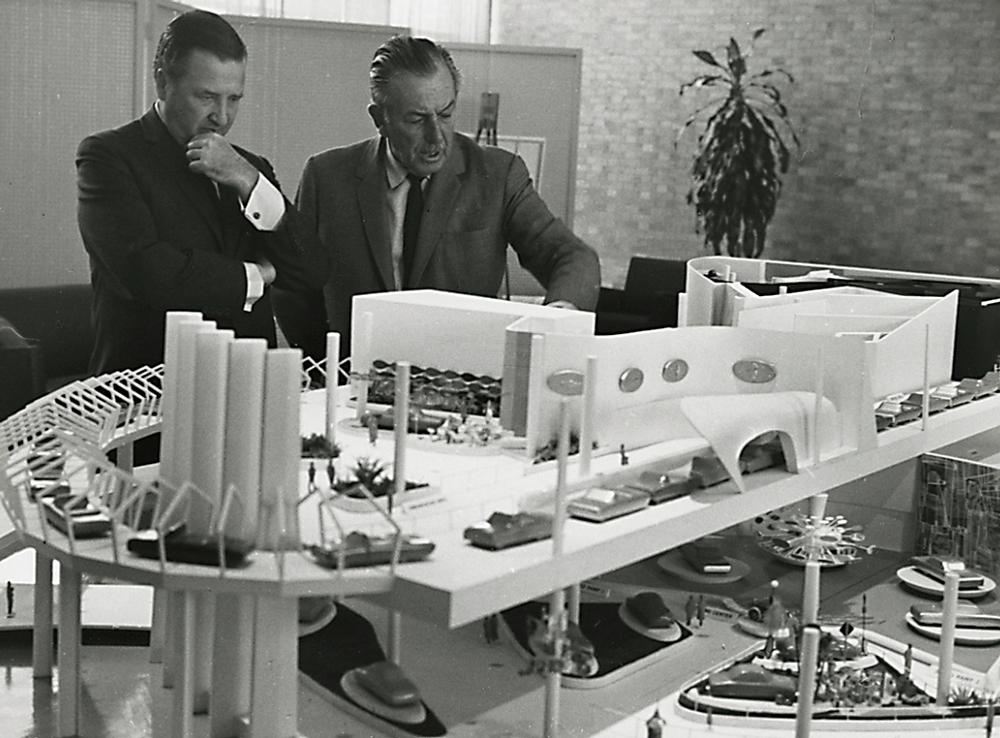
As well as being involved in the writing for the World’s Fair – Sklar scripted Walt Disney’s narrative for the Ford World exhibition – he was Disney’s main liaison to the major corporate sponsors. As part of the process for creating the Ford Pavilion, he spent three weeks touring parts of the Ford Motor company trying to understand what they wanted to communicate. “Show us as an international and innovative company” was the message, and Sklar was tasked with communicating this in a 3D format.
The results – and the World’s Fair overall – were viewed as a huge success and laid the foundations for Disney’s later commercial partnerships. The legacy of these early partnerships can be seen today in the prominent brand experiences being created by firms like BRC Imagination Arts – which, incidentally, has just completed an immersive factory tour experience for Ford.
“With Epcot we had to get sponsors to help defray the cost. When we opened in 1982, we had many big companies as sponsors: GM, Exxon, Kraft Foods and AT&T.”
“The 1964 World’s Fair was where we got that foundation for understanding what we had to do to sell Epcot,” says Sklar. “We got the understanding of how to work with big companies – and firms could see from the World’s Fair what we could do for them.”
Love what you do
Despite the valuable collaborations with big business, there was never confusion as to which company was calling the shots.
“We made sure people understood that, in Disney parks, Disney creates everything and the sponsors present the show. So the system we developed, at the beginning of Walt Disney World, was we’d put the name of the attraction, followed by ‘Presented by...’. We never put the name of the company first – we always wanted people to know that it’s something Disney created.”
The 81-year-old Sklar is still involved in a number of projects. He recently published his autobiography, Dream It! Do It! and will release its sequel, One Little Spark!, later this year. He also wrote the introduction for fellow Disney legend Bob Gurr’s book. Sklar remains president of Ryman Arts, which he co-founded 25 years ago. The organisation has provided 6,000 scholarships to high-school students in Southern California through the Ryman Program for Young Artists.
Sixty years since he met Walt Disney, what advice does Sklar pass on to those creating the next generation of attractions?
“You have to be truly passionate about what you do as you’ll be happier and what you design will be better,” he says. “Most important is to do what you love and love what you do. That still holds true.”



















Designed to restore neglected land and renew the identity of Iraq’s capital city, Baghdad Sustainable Forests promises a new way of living surrounded by nature. Gensler’s Ian Mulcahay tells us why he thinks the project could become a model for the repair and enhancement of urban centres