Conference Report
SATE 2014
From emotional landscapes to communal experiences, the annual SATE conference provides plenty of food for thought



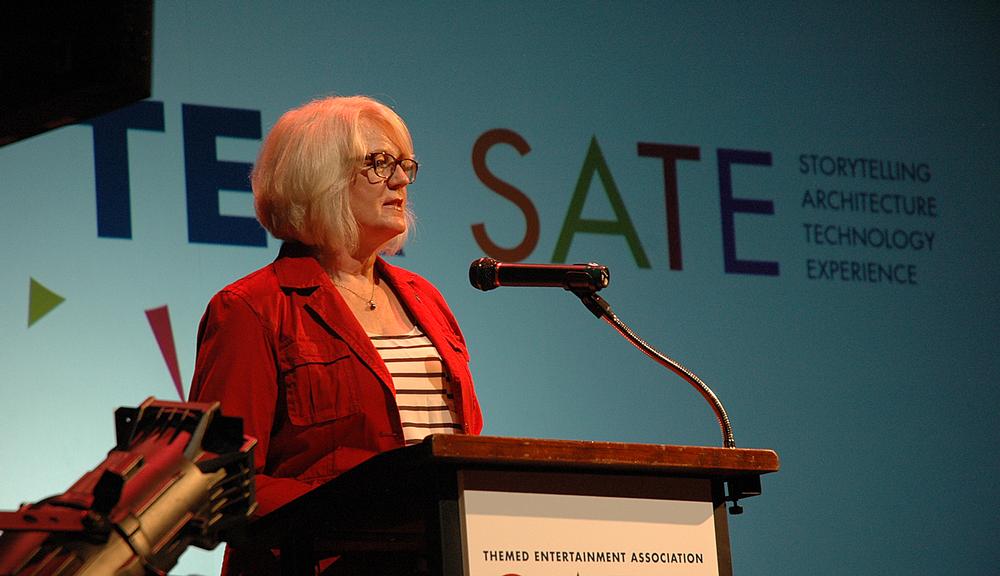
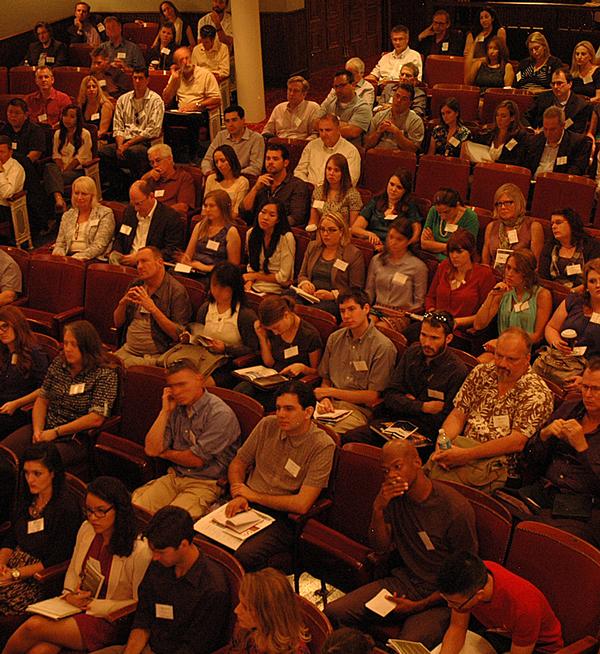
This year’s TEA SATE conference (Storytelling, Architecture, Technology and Entertainment) inspired and tested the attendees, regardless of their backgrounds or work. A common theme revolved around the definition and use – or overuse – of the word ‘story’.
The idea of community and shared experiences echoed across discussions and the opportunity and challenges technology represents was a returning theme. Creating end-to-end experiences for guests, that start before they arrive and continue after they leave, blurs the lines between what’s typically been the marketer’s role and merges into the realm of experience design.
STORYTELLING
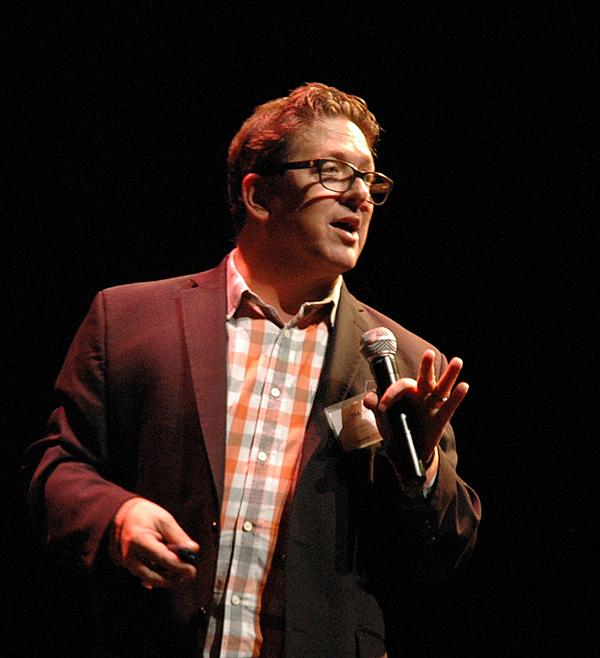
The Storytelling segment started with Phil Hettema of the Hettema Group challenging delegates by saying “story” was the elephant in the room. He suggested it had replaced “interactive” as the most over-used word in the industry.
Raul Fernandez from Walt Disney Imagineering continued on this track with a deconstruction of story in the world of experience creation. He referenced an essential truth of storytelling: that story is what the character wants to happen, while plot is what the author wants to happen. Fernandez presented story as being comprised of five elements – theme, premise, promise, storyline and plot. He emphasised the importance of simplicity in developing all of these elements in order to be understood by the guest in the context of their overall visit to the attraction or event.
According to Fernandez, the theme is the reality that the elements of the story represent, while the premise is situational – and should be summed up in one sentence. The promise represents what the guests expect and it’s made up of an explicit promise – what’s printed in the park map and guide, for instance. Add to this the implicit promise that creates expectations, which you might have no control over because they come from the guests’ own interpretations.
The plot should be uncomplicated, he said and it’s important to remember that guests want to make meaning out of everything they see – so don’t include things that will distract from this. Plot can give an experience a broader appeal, provide an opportunity for wish fulfilment, build on pre-existing desires and immerse you to the point that you believe you’re doing what you’re actually only pretending to do. If all of these things are in place, participants will experience a deeper range of emotions because the storyteller is leveraging the guests’ own expectations with a truly shared story context. Ultimately, it’s about the guests’ stories – how they will make their own stories out of the stories we tell. One final comment was critical – whether it’s a story based on historical events, an existing brand or IP or an original premise: design as if people know nothing.
Next, Denise Chapman Weston of Cool Inventions, Apptivations and WhiteWater West said guests’ experiences are linked to how guests tell their own stories. Weston used the example of making a video to record a personal story and document a shared experience.
A conversation between Hettema and Kenneth Feld, chairman and CEO of Feld Entertainment explored Feld’s 30-year career and the evolution of his company, from working for his father as a young man to the reported billion-dollar entertainment company he leads today. Feld’s stories of the traditions of Ringling Brothers Barnum and Bailey Circus to how he secured the first Disney on Ice contract, through to the production Marvel Universe Live – the group’s most ambitious arena show to date – held the audience rapt.
ARCHITECTURE
Launching the Architecture segment of the conference, chair Al Cross of PGAV Destinations introduced the thinking of Philip Johnson, the 20th-century architect whose goal was to focus on “what a building feels like” as a way to set the stage for an exploration of architecture beyond the typical aesthetic thinking. Dr Timothy Parker from Norwich University, Vermont, provided some wonderful context through a presentation that journeyed through time looking at how space and scale contribute to the emotional impact of iconic and recognisable structures. Layering natural light and decoration builds impact and demonstrates the resourcefulness of the great architects of the ancient and more recent past.
Lighting designers Abigail Rosen Holmes of NYXdesign and Zack Zannoli of Fisher Marantz Stone presented thought-provoking examples of using light – or the absence of light – to create unexpected results. Holmes shared a series of possible approaches to a recent Las Vegas project before showing the final design – more impactful in the clutter of the glitter of the Vegas strip because of its effective use of the absence of light.
Zannoli presented an illustration clearly depicting natural light streaming into Grand Central Station in New York City before any of the surrounding buildings were constructed. The image was powerful because it depicted something that was clearly intended by the architect and is simply no longer possible. Zannoli also discussed the lighting design for the 9/11 Memorial – as sensitive and emotional a project as one might ever work on.
The architecture segment concluded with a presentation on emotional landscapes. Jeff Sugar, who trained as a landscape architect, reminded us that landscape is a constant, and it’s a guide to the guest experience. Sugar shared his perspective on the contribution of shapes, colours and textures which planted materials bring to the overall design and storytelling of any project.
TECHNOLOGY
Technology chair MK Haley, WDI and FSU Entrepreneur-in-Residence, and the segment’s panels offered new perspectives to SATE attendees. One panel discussed technology in Las Vegas and how new technologies and developments can be transferred into the creation of experiences for theme parks, museums and other attractions. Moderated by Martin Palicki of InPark, the panel included Tommy Bridges of ATI, Stephan Villet of Smart Monkeys and Eric Cantrell of Medialon. They focused on trends in integrated media experiences in Las Vegas and beyond – at clubs and in previously mundane places such as hotel lobbies or airports.
The new control systems are driving the trend in creating intelligent environments – controlling media and audio. From an audio perspective, there are new technologies that provide the ability to better control outdoor amplification, enable the creation of quiet zones and design for optimal speaker placement using better quality speakers. For theme parks and attractions, the applications are far-reaching, from background music to rides, retail and restaurant spaces and, of course, media-based attractions.
Building on this, they shared some examples of integrated media systems that manage and deliver dynamic content to create seamless and immersive environment. Villet talked about the complex technology and content that make up the new experience at the new Tom Bradley International Terminal at LAX. The control system is integral to the built environment, connecting thousands of square feet of LED tiles, hundreds of LCD screens, and more than 50 ultra-high-resolution multimedia content segments. The show is comprised of more than four hours of original, high-resolution, multimedia content in seven display areas. Imagine the possibilities for theme parks, museums and other attractions to use networked infrastructure to manage and deliver content that enhances and customizes the guest experience by creating or layering in a dynamic visual and audio environment.
EXPERIENCE
Experience segment chair Adam Bezark of the Bezark Company drew together the ideas and themes shared across storytelling, architecture and technology, to look at experience from various perspectives.
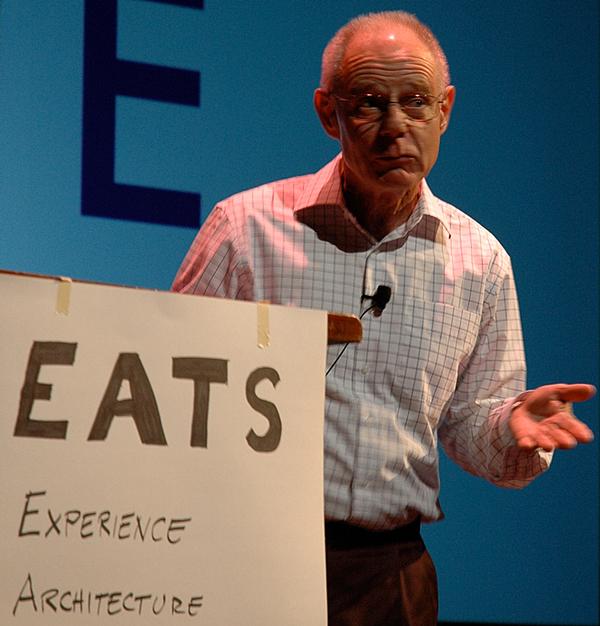
Joe Garlington, retired Walt Disney Imagineering Interactive Studio vice-president, suggested the acronym should be EATS, not SATE. Not everything is about story, he said. He suggested play is just as important and that we’re stuck on stories as a holdover from the film industry. He went on to share with the delegates that not only is play older than story, but mammals are the only species that play. Garlington talked about how in a story the protagonist is controlled by the author, but in play scenarios the protagonist is controlled by the user. He explained it as “showing” versus “doing” and suggested the word interactive – while overused – is code for personalisation.
James Anderson and Matthew Dawson from Forrec talked about what they have learned about the context of experiences. Having worked on projects and with clients outside of North America for more than 20 years, they had lots of great insight to share on how to understand the experience clients really want when there are cultural and language barriers. They emphasized careful listening and total immersion in cultures as being critical to success. And they also talked about their secret weapon – being really Canadian.
Narrative experiences present the perfect opportunity to expand on the idea of living characters by building a world and the community in it. Cory Rouse from Walt Disney Imagineering shared the background on a project that was based on a simple premise – what if Frontierland was a real town? A construct where guests assume roles and interact within the land, guided and inspired by a group of actors cast in key roles? The resulting interactions are more meaningful because the guests were part of the story, writing it in real-time as part of the action, not just as observers. The idea was to see what would happen if Frontierland was a real town and the sense of community was evident. In being presented with a problem and then being given permission to solve it, guests built relationships with each other and deeper connections with the place. They created a community within the park, connecting place and content to create a memorable experience.
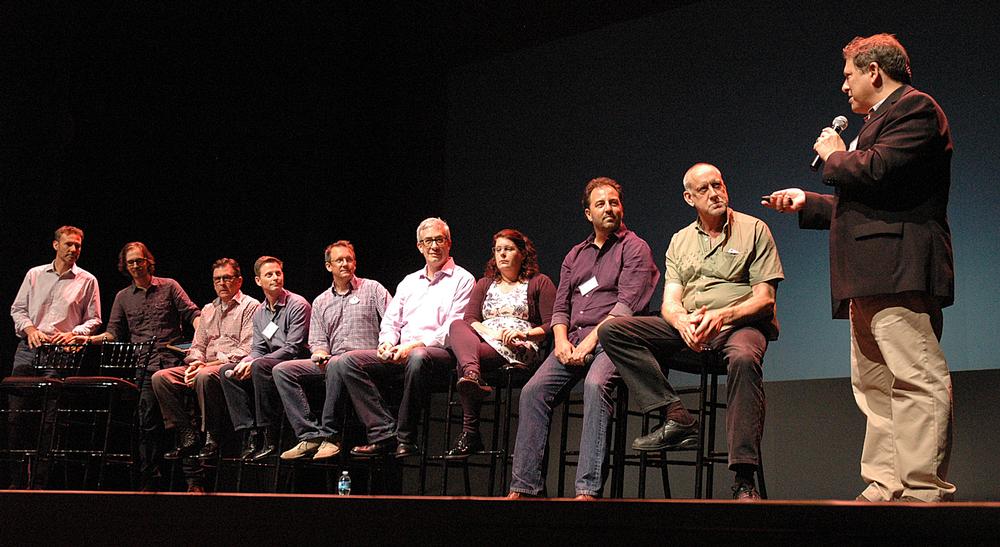
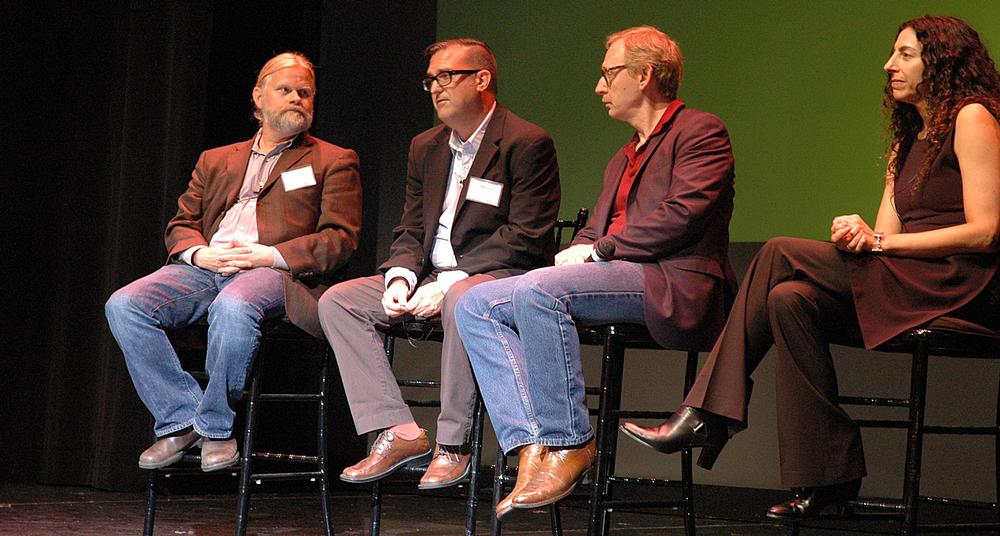
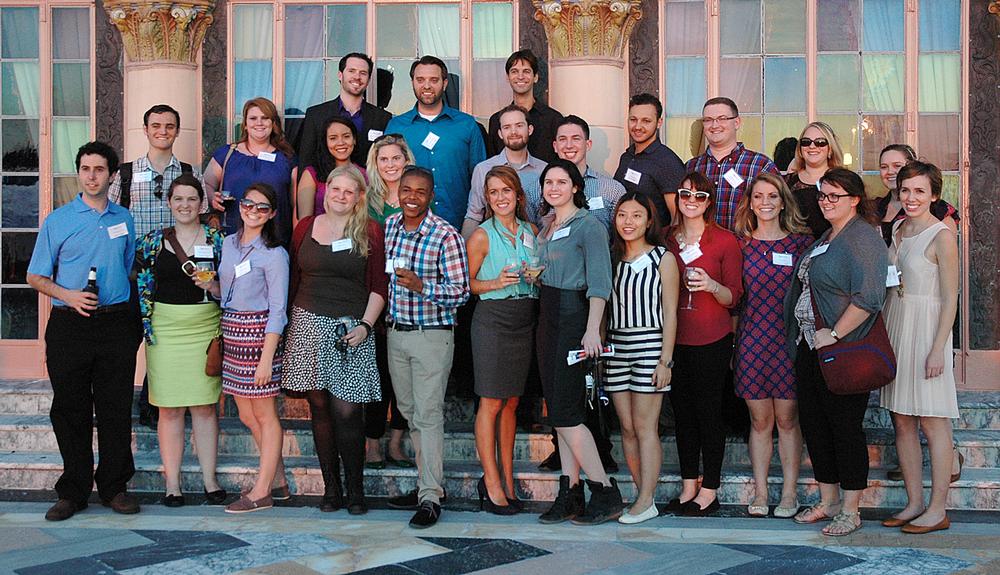
Conference co-chairs Aram Ebben of exp and Stephan Lawrence of ReThink Leisure Entertainment reunited the team of segment chairs from SATE 2013 in Savannah, Georgia. As the finale to the conference, they joined the chairs and many of the speakers onstage to draw out conclusions from the group on how storytelling, architecture, technology work together to create experiences.
Out of this conversation, clear themes emerged. All agreed extraordinary experiences change the way we feel, even if we’re also focused on having an impact on others. This emotional impact is critical. The other key to creating great experiences is that they’re shared. Whether you’re part of a large group sharing something exciting and emotional in person or you’re using technology to share, you’re part of the story – with your larger community of friends and family.




Designed to restore neglected land and renew the identity of Iraq’s capital city, Baghdad Sustainable Forests promises a new way of living surrounded by nature. Gensler’s Ian Mulcahay tells us why he thinks the project could become a model for the repair and enhancement of urban centres