Interview
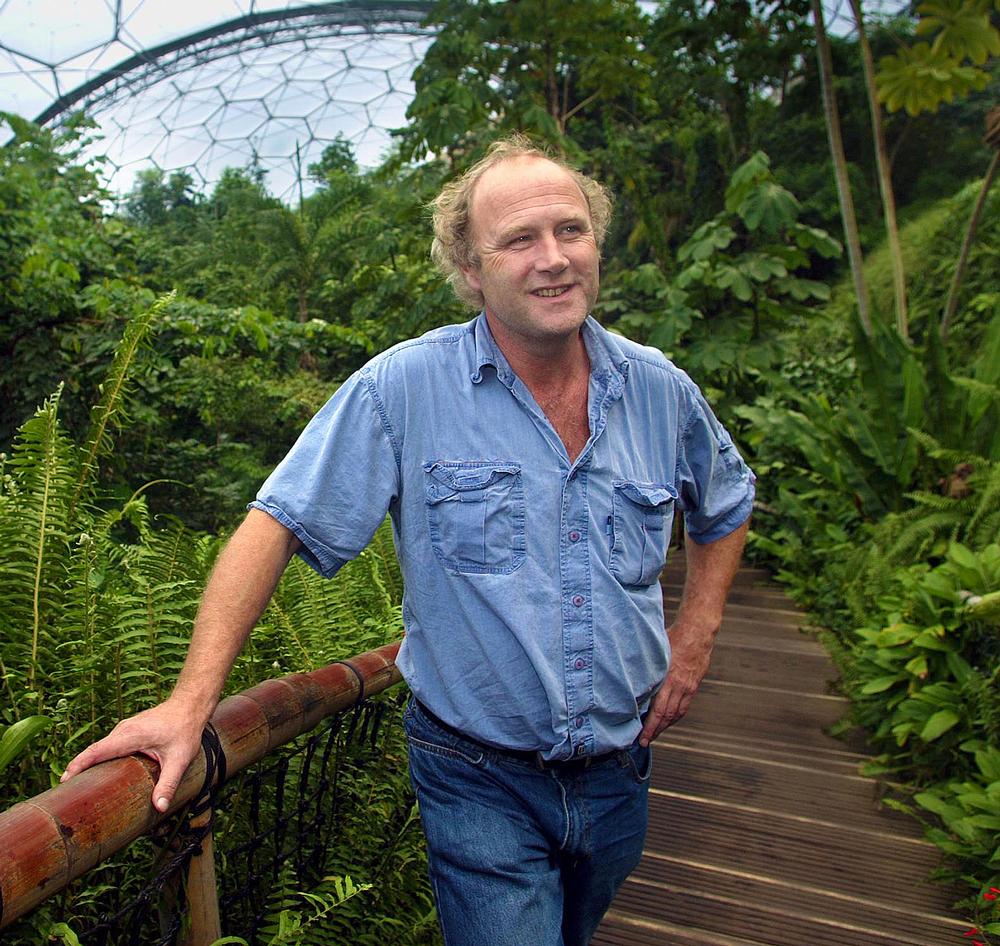
Tim Smit
Thirteen years after launching the Eden Project in the UK, the team is proposing Eden-style attractions around the world. Its founder, Dutch-born entrepreneur Tim Smit, tells us what’s happening



The Eden Project was a badly needed shot in the arm for the tourism industry in Cornwall, UK, when it opened in 2001. It gave the southwest county new vigour and found it a fresh audience.
Now, the ideas behind the project are being exported to an international market.
In New Zealand, where an earthquake hit Christchurch in 2011, proposals for an Eden-like attraction suggest it would also bring tourists and boost the economy. Projects are under way in China, where Eden’s green credentials and ability to educate could make a major difference in the world’s most populous country.
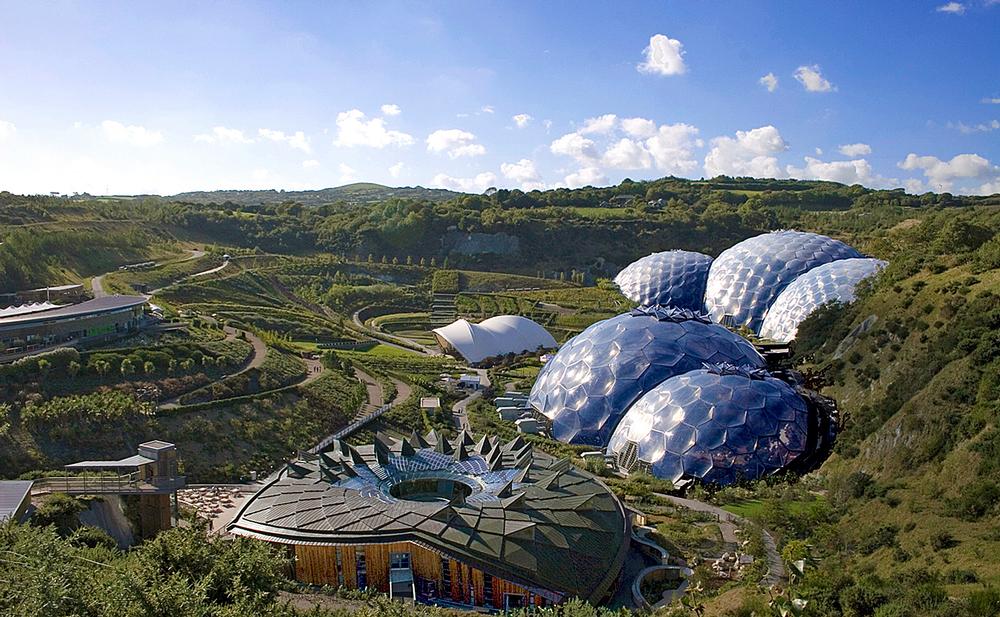
To date, more than 16 million people have visited the original Eden Project and many local businesses have benefitted from the knock-on effects of having a high-profile attraction on their doorstep. Eden – conceived by Sir Tim Smit and designed and built by architects Nicholas Grimshaw and engineering firm Anthony Hunt and Associates – has thus far contributed more than £1.2bn ($2bn, €1.5bn) to the Cornish economy.
It’s a story of transformation: of bringing an opencast mine pit, left like a derelict lunar landscape by the china clay industry, back to life. Its two transparent domes – steel and ETFE plastic biomes housing plants from the Mediterranean and the tropics – have iconic status globally.
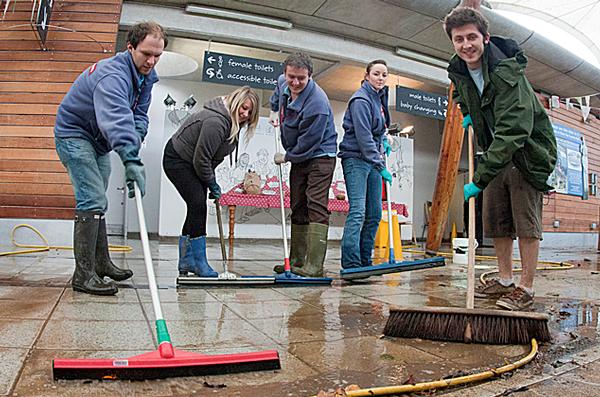
However, it hasn’t always been easy. As a consequence of the recession, poor weather and the Olympic effect, there have been some tough years. Visits were down by around 20 per cent in 2012, with prospects of further public funding weak, and for the first time, Eden was forced to make redundancies – a difficult move in a rural location, which led to local criticism. Sixty-eight jobs were cut and 50 people left voluntarily and were not replaced.
The attraction bounced back with two good years, and the low points sparked changes which will help it weather future storms. “It’s now on a sound financial footing and I think it’s well run. Visitors are voting with their feet to come and we’re making ourselves more secure with different revenue streams,” says Smit, executive chairman of Eden Regeneration and co-founder of the Eden Project. “If there’s another summer like the Olympic year, when everyone stays glued to their televisions, we’ll be able to take the pain.”
Today, with an exciting development pipeline both locally and overseas, the Eden Project has got its mojo back.
HOME DEVELOPMENTS
One of the difficulties with Eden is the seasonality of the attraction, combined with the pressure from funding bodies to provide year-round employment. To counteract this, Eden is this winter scheduled to open 58 modern en-suite bedrooms – made from repurposed shipping containers – capable of sleeping up to 228 people. These developments are in partnership with the Youth Hostel Association and Snoozebox. A campsite opened in summer 2014 and is expected to run next year, and Eden is talking to German sustainable house-building company LiWood about creating accommodation to cater for conferences.
“Organisations don’t want delegates staying in different hotels. On-site accommodation is going to help us develop Eden quite a lot,” says Smit.
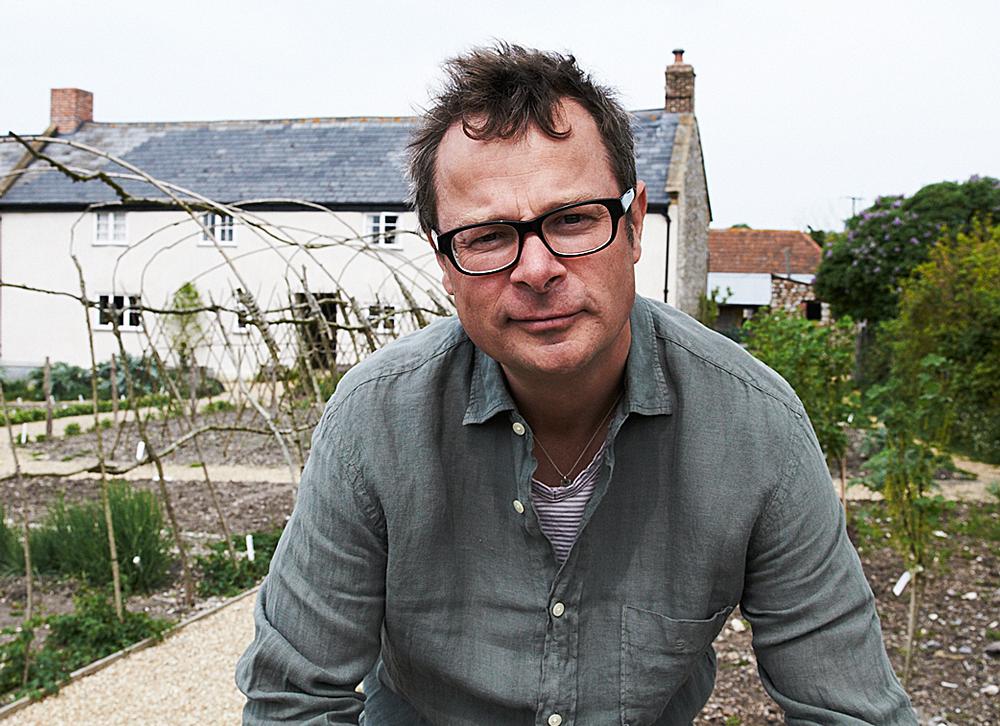
An initiative with Cornwall College involves Eden developing apprenticeships and foundation degrees with various partners, including Hugh Fearnley-Whittingstall’s “real food” and cookery venture River Cottage, and Jamie Oliver’s social enterprise restaurant Fifteen.
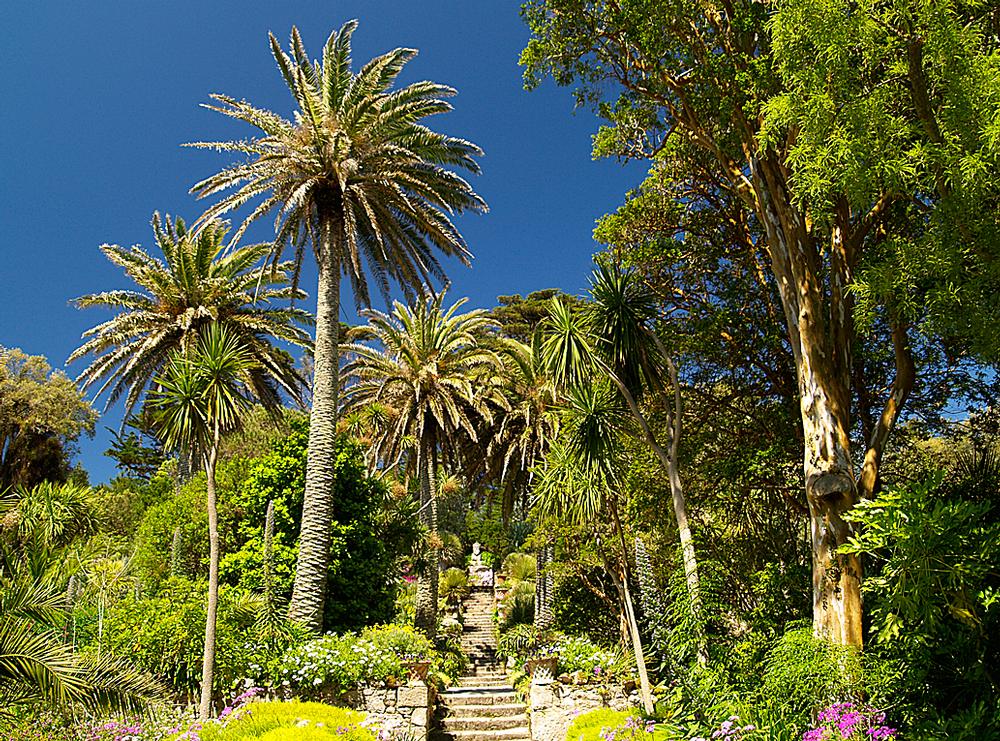
“The courses will cover holistic horticulture and holistic cookery, and include historic landscapes, entrepreneurship and food production,” says Smit. “We’re really excited about it. We’ll be partnering with Tresco in the Isles of Scilly, the Lost Gardens of Heligan and some of the other world-class gardens in Cornwall, so students will have the chance to work in unbelievably varied circumstances and get real training in the best places.”
It’s not just higher-level students who’ll benefit: local independent primary school Roselyon has also approached Eden about running a free school at the site, which would be informed by the Eden approach.
Additionally, the Building Research Establishment has brought its solar business to Eden and the Cornwall Sustainable Buildings Group is also relocating to the site, building on Smit’s vision of a hub for environmental activities.
Despite all this activity, Smit says Eden is first and foremost a visitor attraction and, as the team prepares to delve into other businesses worldwide, it’s important the Eden brand stays strong. In 2013, he established a new business, Eden Regeneration, a wholly owned subsidiary.
EDEN ABROAD
Anthony Kendle, Eden’s creative director, is one of a number of Smit’s Eden colleagues who has moved to Eden Regen, which helps to fund new projects. Smit’s excited about the challenge: “It’s my favourite thing to see the people I work with, who thought that their big adventure was behind them, getting that smile in their eyes that they’re on another one.”
The Eden Regen team currently has six projects on its books: three in China, one in New Zealand, one in Canada and one in central Europe. All the partners are embedded in their respective communities and each project will have Eden as the cultural glue, without being carbon copies of the UK project. And they won’t necessarily be about plants – each will reflect its local geography and culture.
Smit says Eden gets invited at least once a month to open other Eden Projects, but it’s always said no. As an educational charity and social enterprise, it has to be choosy about who it associates with.
“We’re not interested in copying what we’ve done in Cornwall. What we’ve recoiled from is people who say, ‘Give us your business model and run it for us and we’ll give you a percentage of the turnover.’ That doesn’t make us want to get out of bed in the mornings,” he says. “We have two ambitions: to create a global chain of major Eden-type projects which share a culture yet transfer their different cultural perspectives; and, we want to influence as many people as possible that there’s another way to run the planet.”
Many of the projects are in the early stages and still under wraps. The most advanced project is in Beijing – a partnership with Vanke, the world’s biggest house builder, to create a botanic institution. Feasibility studies are under way, central government approval has been given and work is expected to begin early next year.
“Eden uses plants as a canvas to tell stories, illustrating that humans are part of nature. In Beijing we’ll use plants in a slightly different way,” says Smit, adding that the Chinese projects will all be different, but each will reflect aspects of Chinese culture. “We’re going to China because it’s the biggest country in the world, with the biggest environmental problems. They’re about to confront those problems with a force no other industrial nation could muster. We want to be part of that journey.”
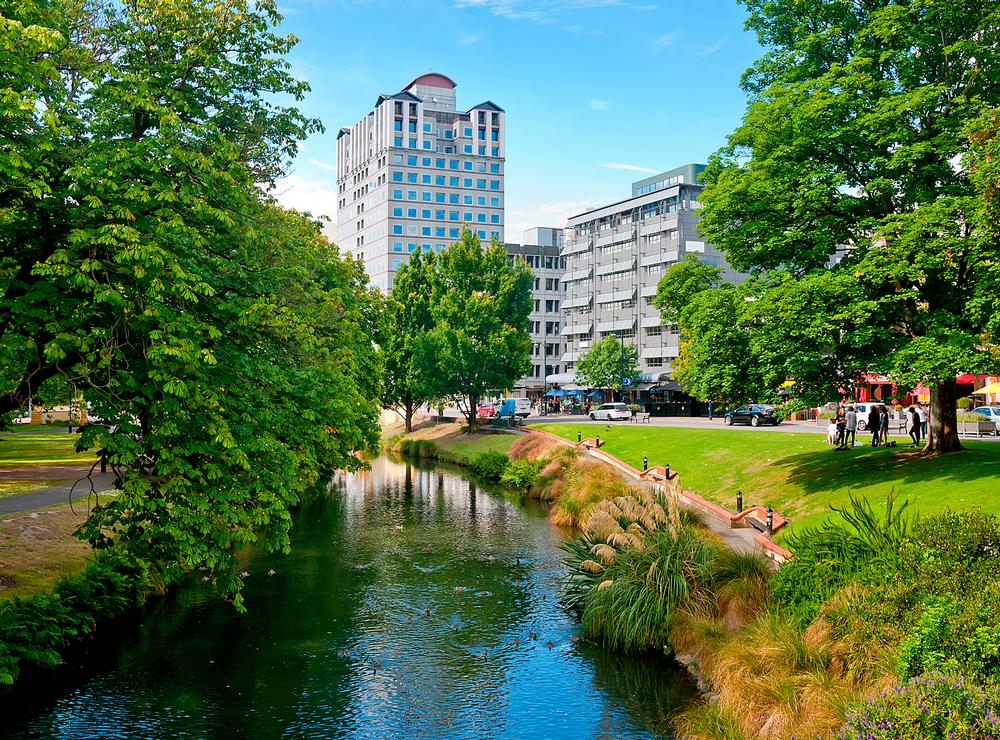
Ki Uta Ki Tai, meaning “from the mountains to the sea”, is the New Zealand project that’s on the table. It’s part of efforts to regenerate Christchurch after the devastating earthquake. The aim is to create an attraction of global standing, drawing visitors and making the city a destination in its own right.
A riverside site has been identified and themes discussed, but at the time of our interview, Eden Regen was waiting for the New Zealand elections before progressing the project further in order to make sure the government would still support it.
Ki Uta Ki Tai is being led by the Maori community and will reflect Maori culture, explain how the landscape has been shaped by snow, ice and water, and show the relationship between humans and the land. “It will discuss the meaning of living life in a place where the fragility of nature is always on view,” says Smit. “And we’ve been talking to universities to provide a facility which adds value to them.”
Although Eden Regen is going to take Smit abroad frequently, he doesn’t want to be away from his beloved Cornwall for too long. The success of overseas attractions relies on Eden. “As we take it around the world, the Eden brand remains dependent on how good the mothership is,” he says.
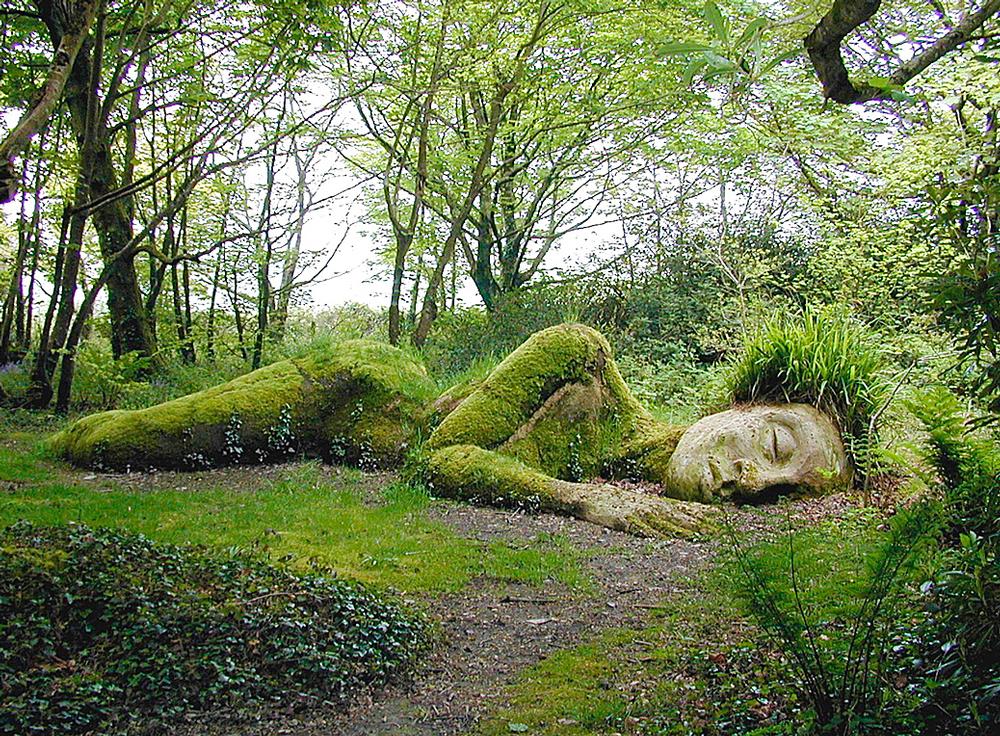
The Lost Gardens of Heligan, also in Cornwall, were the precursor to Eden and Smit’s first project after leaving the music industry (when he worked with Barry Manilow and the Nolans). He moved to Cornwall in 1987 and was soon involved with Heligan, charming Victorian gardens that over the years became lost beneath the overgrowth. Smit was part of the restoration team. “Heligan gets stronger all the time and our ambition is to make it the best productive garden in the world.”
As Smit starts on an exciting new journey – or journeys – he reflects on the past 16 years working on Eden as being extraordinary. “There have been a heck of a lot more high points than low points, but the low points have actually made us stronger. I’ve learned a lot from them.”
Key facts
• In 2002, Eden featured in the James Bond film Die Another Day
• Since 2005, Eden has hosted an ice rink between October and February
• 4.85 million people took part in the Big Lunch this year, an outreach programme that fosters community spirit by encouraging people to hold street parties with their neighbours
• Eden is the 2nd-most trusted environmental brand, after the WWF
• In 2007, the project failed in its bid for £50m ($81m, €63m) from the Big Lottery Fund, losing out to green journey charity Sustrans
• 87 per cent of Brits recognise the Eden domes
• Sited 30 metres below the water table, Eden was extensively damaged by a flash flood in November 2010
• Eden has attracted 16 million visitors since opening in 2001, and brought £1.2bn into the Cornish economy
• Eden has won the Best UK Leisure Attraction Award three times and, at the time of going to press, was in the running for a fourth time






Designed to restore neglected land and renew the identity of Iraq’s capital city, Baghdad Sustainable Forests promises a new way of living surrounded by nature. Gensler’s Ian Mulcahay tells us why he thinks the project could become a model for the repair and enhancement of urban centres