Museums

Virtual Visits

Three concepts shared at the recent MuseumNext conference illustrate how technology can reimagine the future, recreate the past and preserve a collection once decommissioned


Eyeing the future

A method of drawing the next generation to museums and galleries was offered by freelance artist and digital guru Adam Clarke at the MuseumNext conference in Newcastle in June. He said that Minecraft – a sandbox indie game which allows players to build constructions out of textured cubes in a 3D-generated world – could be used to educate children and promote their interest in museums worldwide.

A forefront creator within the online Minecraft community, Clarke has instigated numerous groundbreaking Minecraft projects and is widely involved in the use of Minecraft within cultural, heritage and educational settings.

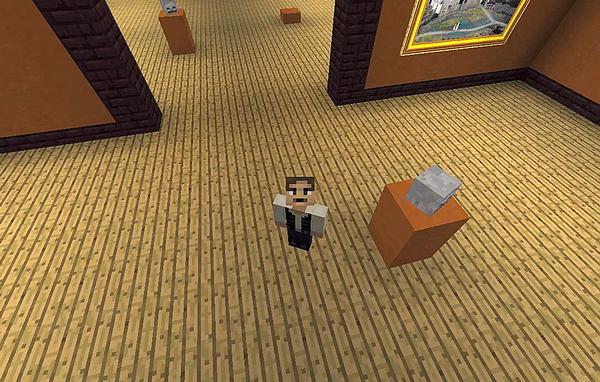
Clarke suggested using Minecraft to teach young people about museums, artefacts, science and archaeology. Among the innovations created by Clarke in the game, one of the most outstanding is Tatecraft – a project shortlisted for the Tate Britain IK Prize, which celebrates talent in the digital industry. In Tatecraft, Tate Britain is recreated in-game, with players able to enter the works of art, explore the scene and see “behind” the image depicted.

“It’s an adventure in art and culture – not learning in the traditional sense, but kids are making these connections from gameplay,” Clarke says. “If you look to the side there are a lot of opportunities to turn games like Minecraft into learning.”

Objects created in Minecraft can now be 3D printed in the real world, bringing virtual creations to life.

This also benefits learning institutions such as science museums, who find hi-tech tools like this appeal to a young generation of visitors to their attractions.
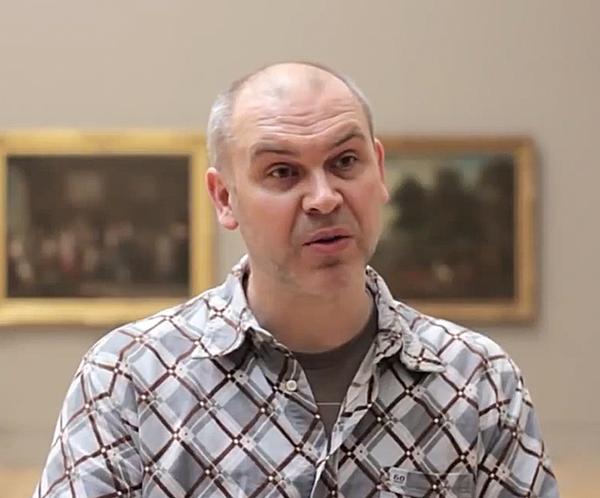
Adam Clarke
Adam Clarke
Tatecraft is a Minecraft-rendered representation of the Tate Britain, which players can explore
In Tatecraft, players “walk in” to gallery works. For example, one can explore the streets of this painting ‘Liverpool Quays By Moonlight’

Reliving history

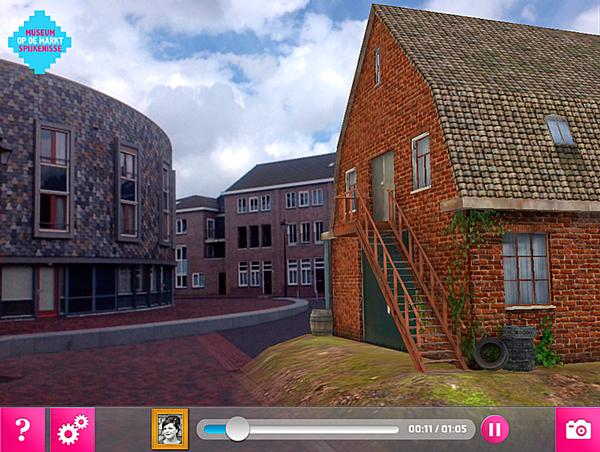
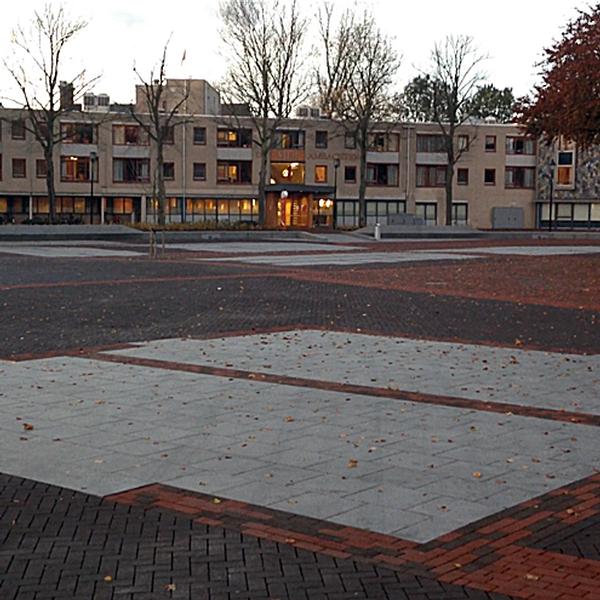
An entirely virtual museum was presented at MuseumNext. The De Museum op de Markt Spijkenisse – an augmented reality museum – operates as an app, and uses a marketplace in the town of Spijkenisse in the Netherlands as the backdrop on which it creates the “museum”.

Using the app, visitors walk around the market place and observe the virtual museum, which asks your height and then uses floor mechanics to activate sensors reacting with the device. Full-size three-dimensional objects and long-demolished buildings seem to appear.

“We worked with two groups,” says app creator Ferry Piekart. “The older group who are nostalgic and the tech-savvy children who like the app. When you look at things, an audioguide will tell you the story of what you’re looking at and the app will pop up further images.”

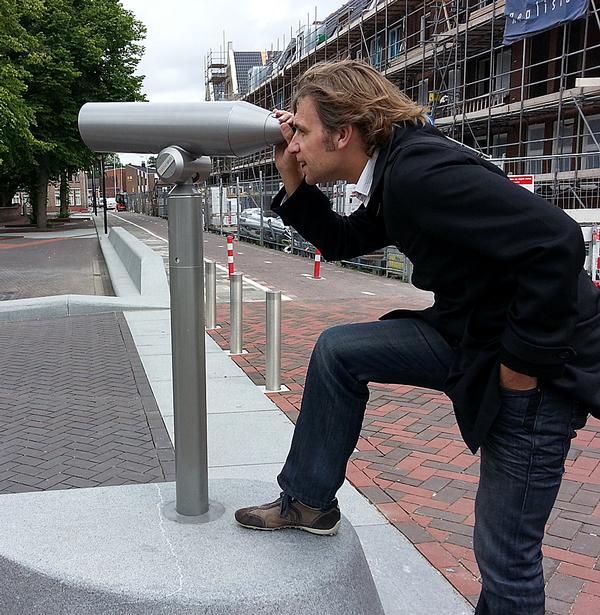
For those without an android device, fixed telescopes have been introduced around the marketplace with the same augmented reality technology installed for what is at present a one-of-a-kind experience.
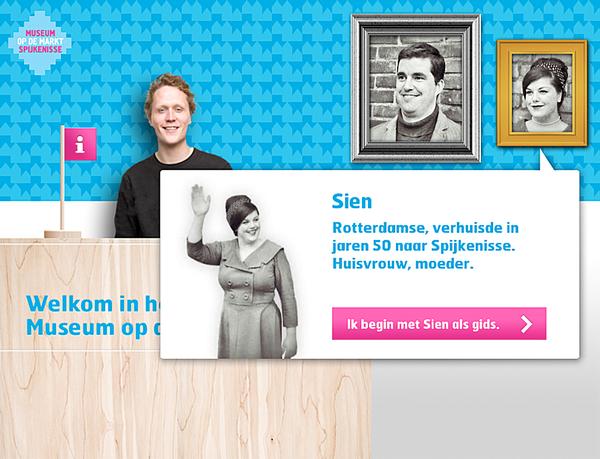

An app created by Dutch firm Twnkls Augmented Reality reconstructs an old village square in 3D as it would have appeared in the past. The experience, for a tablet or smartphone, is accompanied by an audio narrative
Ferry Piekart uses the on-site telescope to view the market

Preserving Past Collections

Using a different tactic, Scanlab and the Science Museum in London used cutting-edge 3D laser-scanning technology to 3D scan an entire area of the museum before it was decommissioned, preserving the exhibits for generations to come.

The museum’s shipping galleries, which originally opened in 1963, closed in 2012. They formed the largest gallery in the Science Museum. The entrance was a huge floor mural of a compass rose and beyond this was a two-tiered exhibition space of hundreds of exhibits ­chronicling maritime technology. Hundreds of incredibly detailed models of various sea vessels were included.

Scanlab’s Matthew Shaw and William Trossell told MuseumNext how they used two Faro Photo 120 terrestrial laser scanners. Rotating mirrors recorded 1 million reflections per second in a 360o scan at sub-millimetre resolution. Over five nights, 275 scans made 2 ­billion precise measurements to build a 3D model called a “point cloud” composed of 256GB of data that took 16 weeks to process.

Colour was later added to the scans by means of a digital camera on top of the scanner taking panoramic images. The colours from these images were mapped on to the monochromatic model.

Because of the size and scope of the scan it has so far only been used to produce a three-dimensional video fly-around of the gallery representing just one-tenth of the data collected, though in the future the museum hopes to find a way to make the data readily available for anyone who wishes to use it.
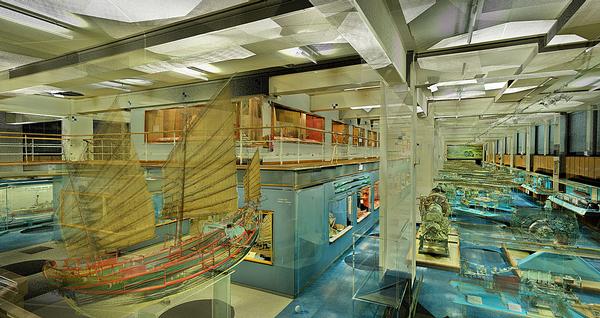
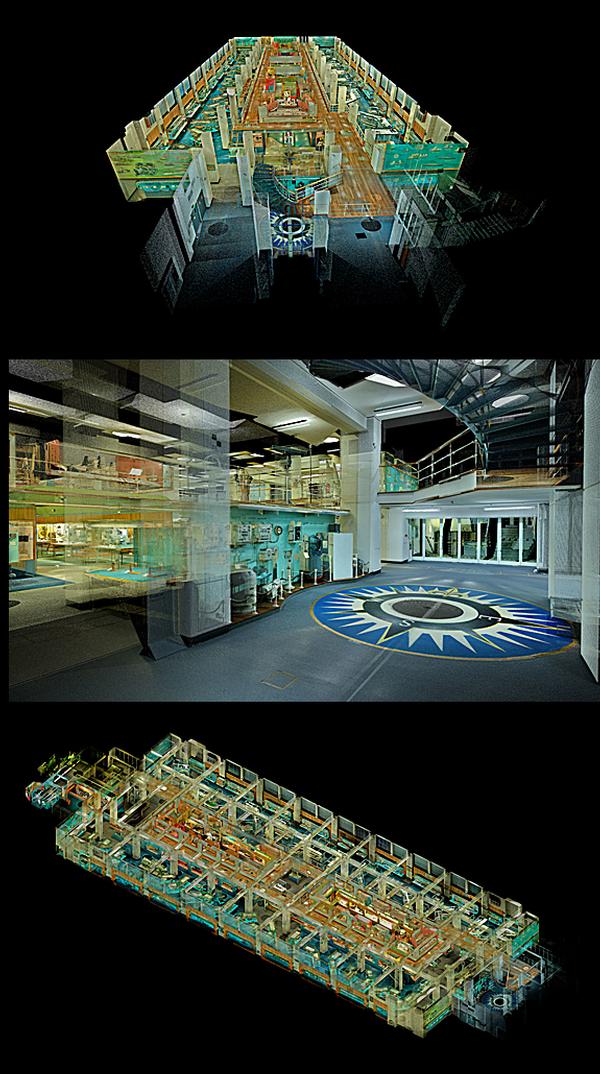
Scanning the Shipping Galleries at London’s Science Museum meant they were digitally captured before they were decommissioned
Scanlab’s William Trossell

About MuseumNext

MuseumNext is Europe’s largest conference dedicated to museums. Making its debut in 2009, the event asks what the future holds for museums, ­showcasing tech innovations and best practice for the museums of tomorrow. For 2014, keynote speakers debating the hot topics included museums expert Koven J Smith, Colleen Dilenschneider of market intelligence analysts IMPACT and design agency founder Jason Minyo. The networking and seminar event took place this year at Newcastle’s Sage Gateshead, UK, with next year’s host to be announced in August. The conference covered everything from how Minecraft can get more kids into museums to how love affects how we view a museum.

For more details go to www.museumnext.com

company profile
Company profile: Gharieni Group
At the heart of the group is Gharieni – its legacy brand, globally renowned for exceptional quality, engineering, and intuitively ergonomic design for both guest and practitioner. Made in Germany, every detail is meticulously refined to deliver exceptional comfort, ease of use, and understated luxury.
Try cladmag for free!
Sign up with CLAD to receive our regular ezine, instant news alerts, free digital subscriptions to CLADweek, CLADmag and CLADbook and to request a free sample of the next issue of CLADmag.
sign up
Catalogue Gallery
Click on a catalogue to view it online
To advertise in our catalogue gallery: call +44(0)1462 431385
features
Design-led projects are bringing the glamour back to train travel
The project reimagines neglected land as a new green urban district
"Culture is the beating heart of this project"

Designed to restore neglected land and renew the identity of Iraq’s capital city, Baghdad Sustainable Forests promises a new way of living surrounded by nature. Gensler’s Ian Mulcahay tells us why he thinks the project could become a model for the repair and enhancement of urban centres


cladkit product news
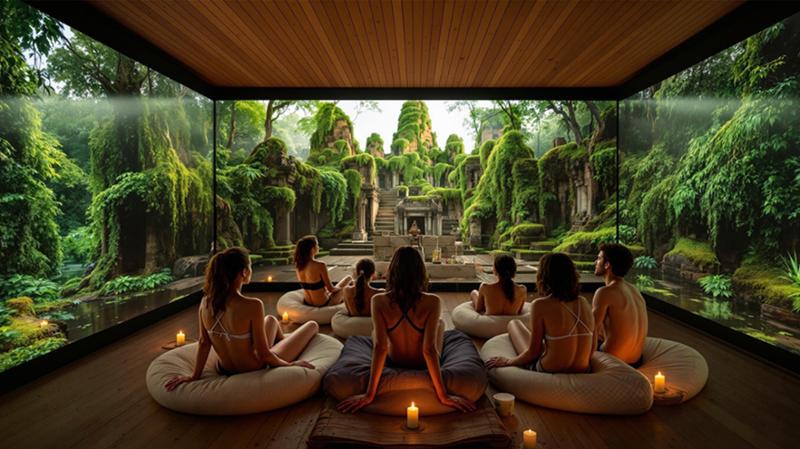
LivinGlobe introduces redesigned adaptable Vidarium
LivinGlobe can install ultra short throw projections or premium LED panels, as well as the surround sound system and video server
Helen Andrews
Founded more than 10 years ago, LivinGlobe was one of the first companies in the immersive wellness space with its ...
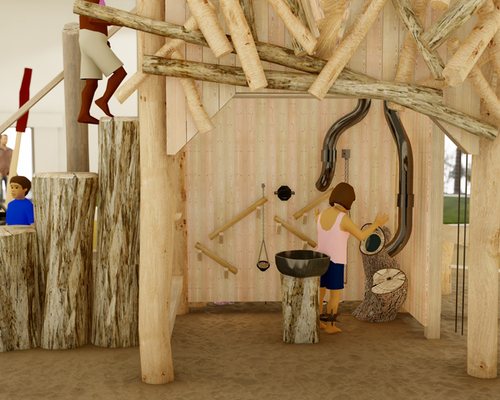
TouchWood Play designs new kids’ club for Dubai’s Zuhha Island
The new club aims to connect children with nature
Magali Robathan
Bespoke play environment design and manufacturer TouchWood Play has announced that it is responsible for the creation of a new Kids’ ...
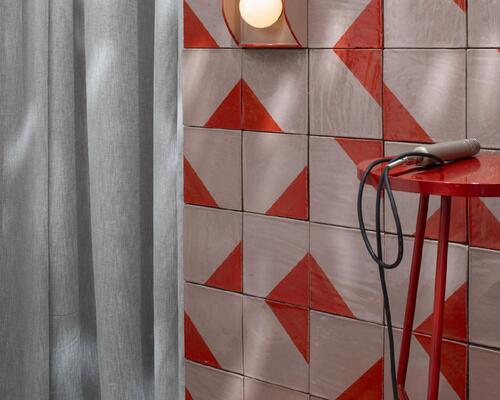
New Balera collection embeds lighting in 
tiled feature walls
Studiotamat has teamed up with Ariana de Luca to create the Balera range
Magali Robathan
The new Balera Collection sees design studio Studiotamat team up with ceramic artist Arianna De Luca and lighting designer Ninefifty ...
cladkit product news
Lucas Zito aims to show 3D printed lamps can be timeless design objects
Lucas Zito’s practice specialises in the design of lights through 3D printing
Magali Robathan
A collection of lighting from Paris-based designer Lucas Zito aims to reframe the idea of 3D printed objects as cheap ...
Porada launch retro-inspired coffee table
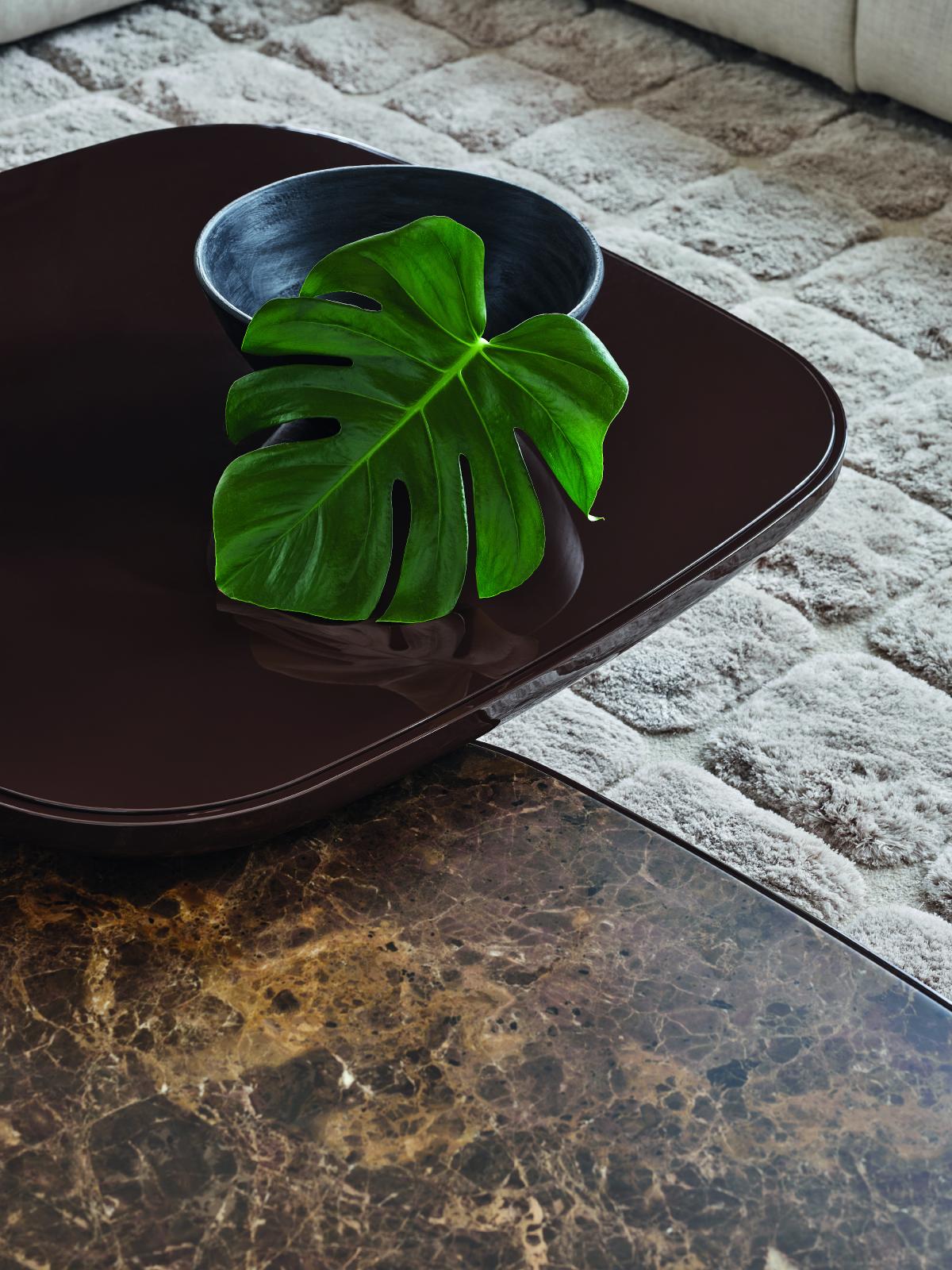
Porada's new Enook Brillo coffee table
Magali Robathan
Maurizio Marconato and Terry Zappa have created the Enook Brillo coffee table for Italian design studio Porada – a retro-inspired design ...
Effe introduces sauna and hammam collection Baluar by Patricia Urquiola
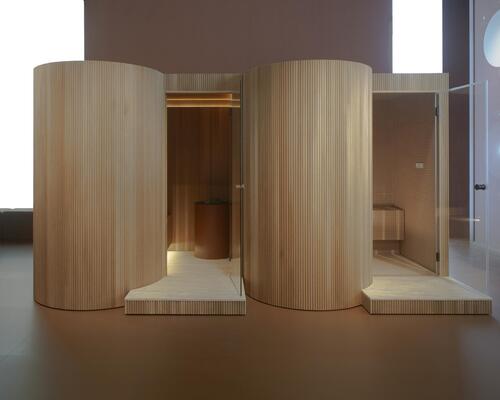
The system uses heat-treated lime wood cladding, available in either a dark or light tone
Helen Andrews
Sauna specialist Effe (formerly Effegibi) has introduced its new sauna and hammam collection, Baluar, designed by architect and designer Patricia ...
cladkit product news
Heatherwick Studio and lighting brand Tala collaborate to create sleep light called Wake
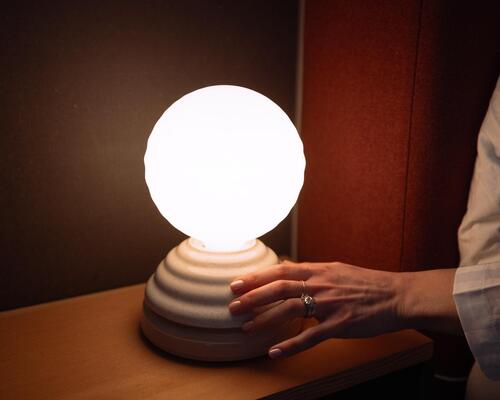
Wake is crafted from hand-spun ceramic and pressed glass, behind which a gentle light emanates to improve sleep routines and wellbeing
Helen Andrews
Design firm Heatherwick Studio and British lighting brand Tala have teamed up to create a sleep light called Wake. The ...
OpenSeed launches private multisensory Iris Meditation Pod
The Iris Pod features vibro-acoustic technology, aromatherapy, light therapy, music, guided meditations and soundscapes
Helen Andrews
OpenSeed has launched its multisensory Iris Meditation Pod, designed in collaboration with Fuseproject – a design and innovation company founded ...
Snow’s holistic cool-down: Embracing inclusivity in post-sauna rituals
Megan Whitby
In the world of wellness, the age-old tradition of sauna bathing is synonymous with relaxation, detoxification and rejuvenation. But, a ...