Interview
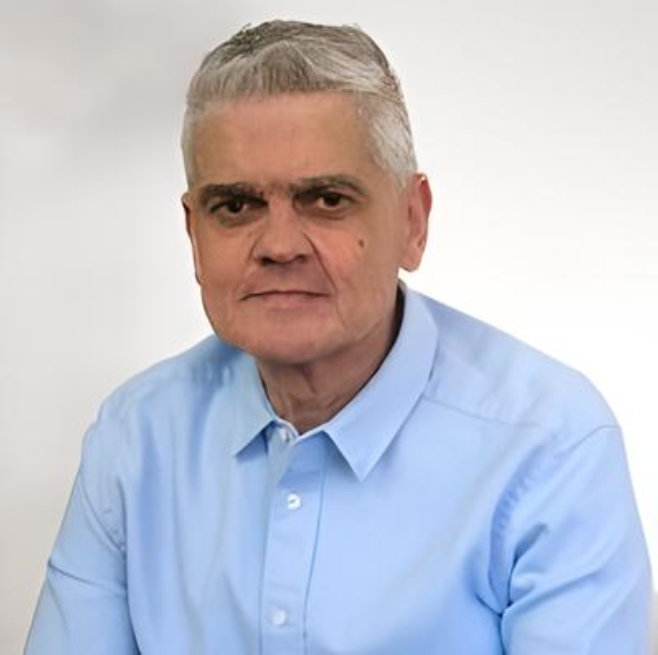
David Stalker
The UK is in the middle of an obesity epidemic, driven in part by rising levels of inactivity. Jak Phillips speaks to Dave Stalker, CEO of ukactive – formerly the Fitness Industry Association – which aims to turn the tide of inactivity



Despite their similarities, it’s fair to say the sport and fitness industries have found fulfilling their collaborative potential fairly hard. The fragmented nature of the sectors – with tangled combinations of private, public and voluntary operations, plus myriads of associations – has meant meaningful co-ordination has often been frustrated.
But as purse-strings continue to tighten and Britain’s waistbands expand further, the makings of a sea change are starting to take shape. Riding the crest of this new wave, ukactive (formerly the Fitness Industry Association) is strategically placed to co-ordinate the efforts of the health, sport and fitness industries in tackling the UK’s inactivity epidemic. With obesity taking a heavy toll on the NHS, the statistics highlight the need for action.
At present, 37,000 deaths in England could be prevented each year if everyone were sufficiently active, according to Public Health England. The financial cost of inactivity currently stands at £10bn ($16.7bn, €12.1bn) a year – set to grow to £50bn ($83.7bn, €60.7bn) by 2050 if unchecked – while a study in the October 2013 edition of the British Medical Journal found that exercise was equally or more effective than drugs in treating leading causes of death like heart disease, stroke and diabetes. With so much at stake, there is clearly a golden opportunity for the sport and fitness industries to take the burden (and a healthy chunk of funding) from the NHS, by presenting themselves as credible public health delivery partners.
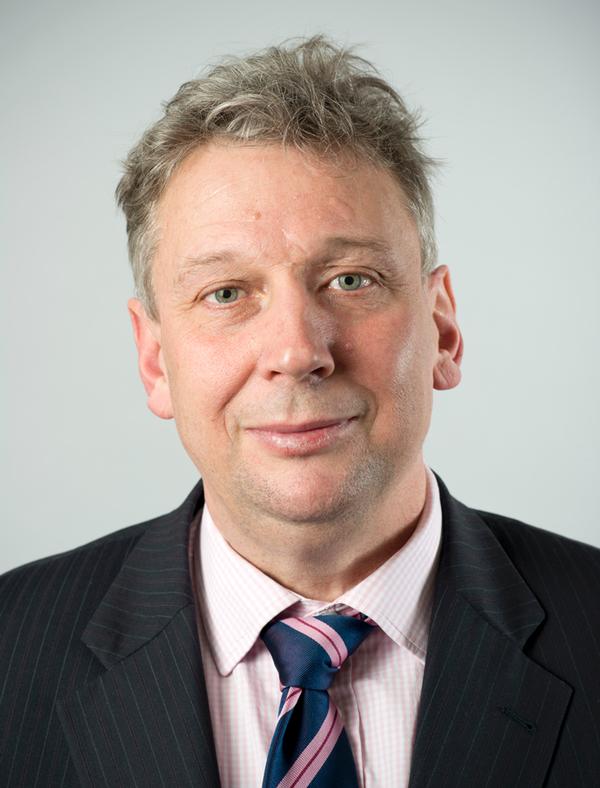
Step forward ukactive CEO David Stalker, whose organisation hopes to tap into the need for a delivery partner for physical activity. A rugby player in his youth, Stalker’s imposing frame is offset by a light disposition.
Having started out as a part-time fitness instructor, Stalker has been well-placed to observe the fitness industry’s meteoric rise. The married father-of-two grew up in Kenya, before moving to the UK and taking up his first instructor role at the Royal Berkshire Club in 1989.
He quickly climbed the ladder and held senior roles at Bladerunner, Leisure Connection and First Leisure prior to joining ukactive. Since becoming the not-for-profit body’s CEO in April 2011, Stalker has played a key role in widening ukactive’s scope for promoting physical activity and oversaw the organisation’s name change.
Rebranding fitness
When the FIA announced its rebranding as ukactive in November 2012, many in the industry saw this as a shrewd move. By shifting its focus from the crowded and overstretched Department for Culture, Media and Sport (DCMS), towards the Department of Health (DoH), ukactive was suddenly in the thick of the action.
The body and its 3,500 members – which include public and private facility operators, local authorities, training companies and equipment suppliers – we're now well-placed to engage in debates surrounding physical inactivity, and by extension, the obesity crisis it had sparked. Others also believe that the move meant ukactive and its members were in a better position to attract government/public funding for physical activity schemes promoting healthier lifestyles, although Stalker contends that this wouldn’t be a fair assessment of ukactive’s motives.
“Funding was irrelevant in the whole thinking,” he says. “It was a really bold move by ukactive and we talked to a lot of people asking whether it was right to be moving into the whole physical activity fold.
"But through time, we’d gone from representing the private sector to having members and partners within the public and the third sectors and even big businesses, such as Asda and Coca-Cola. All these people have funds and charities, and they were looking to be involved in physical activity, so we felt our attention should lie with the DoH.”
According to Stalker, the DoH recognises the term ‘physical activity,’ while ‘fitness’ is a word it tends to shy away from as the focus is simply on getting people more active. “Does it give us the opportunity to bid for more funding?" asks Stalker. "I think it gives us the opportunity to position our members and stakeholders in bids; it gives us reasons to help them be involved in bids, but I don’t think it really has opened the door – there isn’t exactly a flurry of money coming through.”
Working together
Stalker is also mindful of treading on the toes of bodies already working in the physical activity arena and says ukactive is determined to work with, rather than against them. He says it's important that it “earns the right” to take part in these discussions. “We have to say we’ve got something to bring to the table, some knowledge about physical activity, and we think we can help. But actually we’d rather be in the background helping them beat their drum harder and be more successful than be in the foreground on those particular things.”
In terms of how the fitness and sport industries actually go about working together, Stalker believes jointly investing in people, through training and developing defined career paths, should be the focus. He says the Chartered Institute for the Management of Sport and Physical Activity (CIMSPA), of which he is a trustee, has a key role to play in this, although admits the institute has had a “stumbling start.”
The institute, seen as essential for ensuring industry-wide standards of professionalism, probably wouldn’t have received its charter mark if it wasn’t for the London Olympics, Stalker admits. It subsequently failed to hit the membership numbers required to be a sustainable entity, prompting a trustee review which sought advice from 300 industry professionals about the best way to proceed.
The industry was unanimous that having a chartered institute was the “right thing to do” according to Stalker, who says that CIMSPA's transitional management team are in the process of turning things around while the board seeks a new CEO and chair for the institute.
“There is lots of enthusiasm and that’s been reflected in the industry, because membership has now started growing again,” Stalker says. “All the big operators of fitness and leisure and sports facilities have made commitments, not just commitments in 'yes, Dave, we’ll follow it', they’ve actually put their hands in their pockets, while Sport England has agreed to help us in driving that forward.”
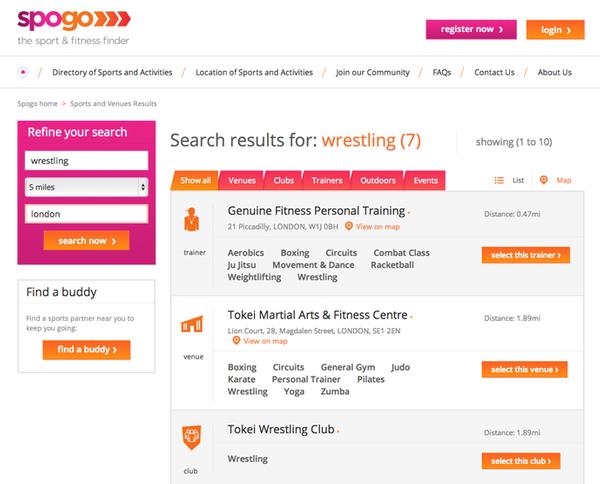
Another area where sport and health and fitness have combined with mixed results has been SPOGO, which was launched to much fanfare by Sport England and ukactive in July 2012 as the ‘digital legacy’ of the Olympics. The customer-facing online service, estimated to have cost £2m ($3.3m, €2.4m) in lottery funding, was designed to make searching and finding physical activities simple, with plans for the service to offer digital access and booking processes to every sports club, leisure centre, playing field and community centre.
Heralded as the key to boosting physical activity, particularly among youths, the service has drawn criticism for its lack of visibility and effectiveness.
“It has been as successful as I thought it would be but I would’ve thought by now we would hopefully have decided which way we were going in terms of the consumer and funding,” says Stalker, who describes it as an "outstanding concept". “My view is that SPOGO can never really fulfil its potential until it is really exposed to the consumer, so we need to do more consumer marketing working with key cities. I think Sport England agrees with that entirely and the team here have been doing more things like that, but it needs significant funding to do some really big consumer things.”
The turning tide
One area where ukactive has enjoyed resounding success is with its recent Turning the Tide of Inactivity report, which outlined the extent of England’s inactivity pandemic in shocking detail. The hard-hitting report reached an estimated 24 million UK citizens thanks to extensive media coverage, combining existing figures with freedom of information (FOI) requests to illustrate the extent of physical inactivity.
According to Stalker, the report, and particularly the FOI requests, was borne out of the dearth in currently available data. The industry as a whole, he says, needs to be able to make a case for funding through evidence-based arguments, and show exactly where it can make a difference and by how much.
“I see Turning the Tide going on to work with partners like Public Health England, DoH, Sport England and various others, saying how do we get more data to substantiate the situation we’re in and the differences that can be made?”
The report highlights how English local authorities spend, on average, 2,000 per cent more on sexual health than on promoting physical activity. It also claims that increasing physical activity levels by just 1 per cent a year would save the UK economy £1.2bn ($2bn, €11.5bn) over the next five years.
With an eye on the upcoming 2015 general elections, Stalker adds that the objective was to demonstrate how small percentage changes can lead to substantial figures. This is essential if they are to persuade all political parties of the need to tackle inactivity and ensure it appears on their election manifestos.
“We’re in touch with the political parties on an almost daily basis,” he says. "We have to stop the hyperbole and become evidenced-based – here’s the fact, here’s the difference, here’s the number; this is the difference it’s going to make and here’s the evidence. And then we can be a public health delivery partner.”
Background to ukactive
Founded as the Fitness Industry Association in 1991, ukactive is a not-for-profit advocate of physical activity. It comprises of more than 3,500 members, including fitness facility operators, local authority leisure centres, leisure trusts, outdoor fitness providers, trainers, sports providers, education and training providers, lifestyle companies, equipment suppliers and charities. With a motto of ‘More people, more active, more often,’ the body exists to serve any organisation with a role to play in, or benefit to be gained from getting more people, more active.