Wellness architecture
Building for health
US real estate developer Delos has created the first set of building standards based on health and wellbeing and Leonardo DiCaprio has reportedly bought one of its new homes. Katie Barnes talks to founder Paul Scialla about pioneering a whole new way of building



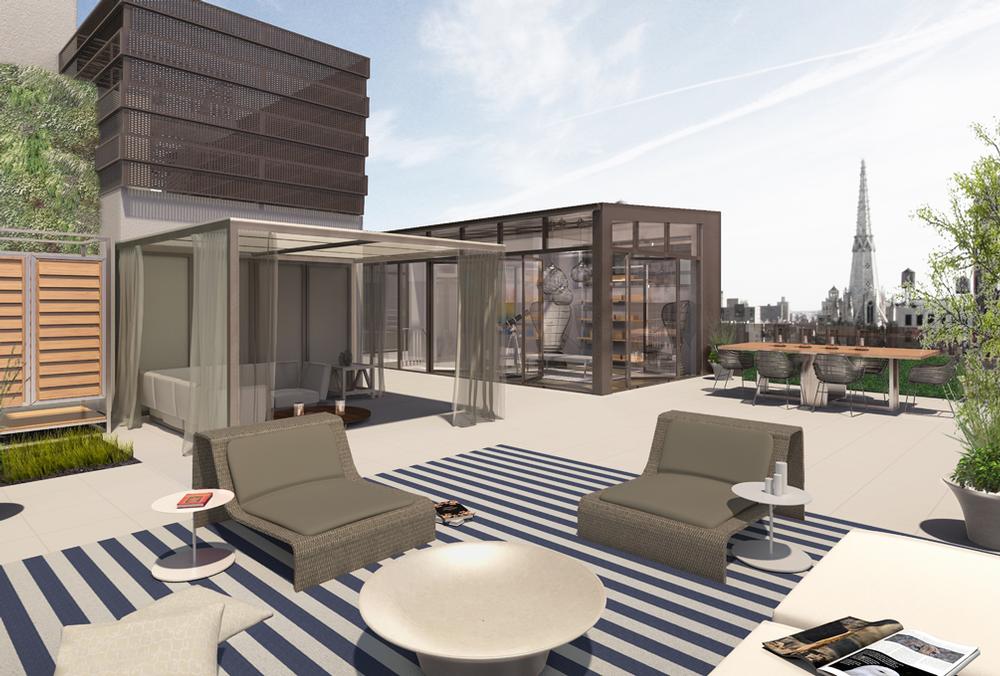
In late November, actor Leonardo DiCaprio invested in Delos, the US real estate company, which has created the first building rating system focused not just on the environment but also on human health and wellness. He also became an advisor to the board. It’s an obvious fit for the actor who’s a staunch supporter of sustainability. He says: “Delos’ wellness designs will change the way living spaces are built and will have a profound impact on the green building movement. Together, we are creating a better, more sustainable future for our planet.”
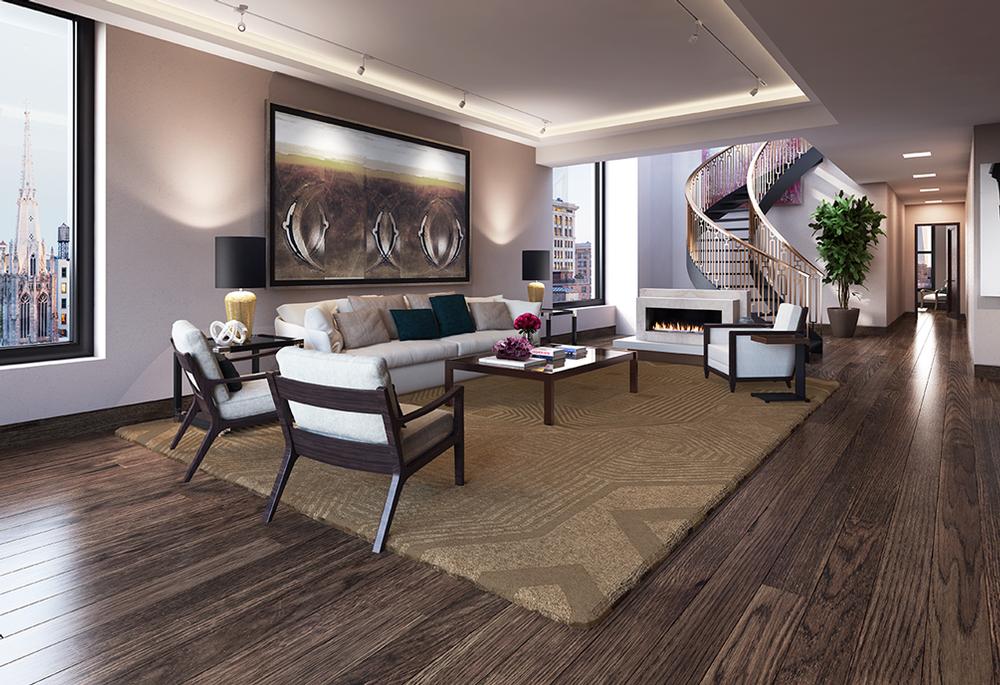
This news follows DiCaprio’s reported purchase – Delos will neither deny nor confirm speculations – of one of Delos’ first homes in New York City. The five new 66 East 11th Street residences offer over 50 amenities dedicated to aiding the owner’s wellbeing – from water purification systems and showers infused with vitamin C that neutralises chlorine, to floors that promote better posture.
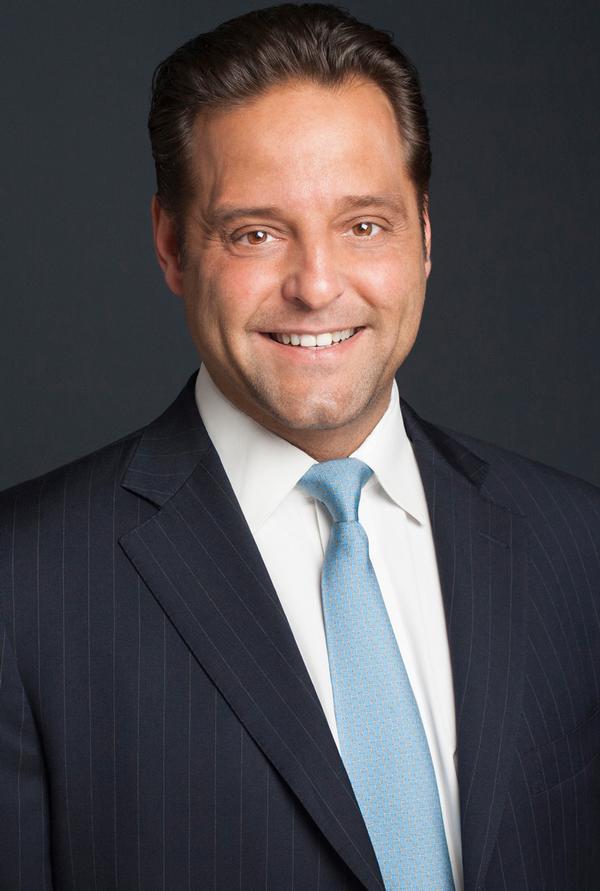
The actor’s involvement has brought even more attention to the company that’s already connected to a string of well-known names from Donna Karan and will.i.am to Bill Clinton. But founder Paul Scialla is adamant that Delos’ developments aren’t only for celebrities and the high-end luxury market. “Everyone cares about their own health,” he says. “Whether it’s because they’ve been brought up differently or are more exposed to wellness: it’s not just water anymore is it? These days, it has to be vitamin water.”
He’s excited about the possibilities ‘wellness building’ presents, saying: “Real estate is the largest asset class in the world – it’s worth US$150trn – and we’re looking to combine that with one of the fastest growing and, arguably, one of the most important industries in the world: health and wellness. More than US$2trn a year is spent on preventative medical intervention, so obviously – for Delos – there’s a massive economic play.”
Biological sustainability
There was no major trigger point for setting up Delos says 40-year-old Scialla, whose career had previously centred around banking – first in bond trading on Wall Street, then as a partner at Goldman Sachs. “Around five years ago, as a kind of an aside, I started getting interested in this notion of sustainability and real estate. Lots of great things had gone on in green building and I simply wondered if we could push the envelope so the focus wasn’t only on environmental sustainability, but also on human or biological sustainability when we build things.
“The fact is we spend 92 per cent of our time indoors, so if we can introduce preventative medical intentions into the very spaces that we’re spending our time in, it’s a huge win.” His interest was shared by co-founder Morad Fareed, a former Starwood Hotels & Resorts executive who helped to initiate and develop one of the industry’s first green hotel brands: Element by Westin.
Early on, the pair knew they needed some of the best academic, political and medical minds involved in Delos – along with a dash of celebrity influence – to tackle something so formidable. Luckily “the story sells itself,” says Scialla. “Everyone we speak to wants to get involved. This is an obvious way to finally deliver preventative medicine in a passive way to people on a daily basis.”
Over the course of four years, architects, designers and engineers collaborated with doctors and scientists from leading institutions such as the Mayo Clinic, Cleveland Clinic and Columbia Medical School – as well as wellness guru Deepak Chopra – to review more than 4,500 studies to work out how a building could deliver optimal health. “First and foremost we wanted to offer an evidence-based approach,” says Scialla. “With half of these things you can touch or feel them and know that something’s happening, but the other half are working on your body without you necessarily realising it.”
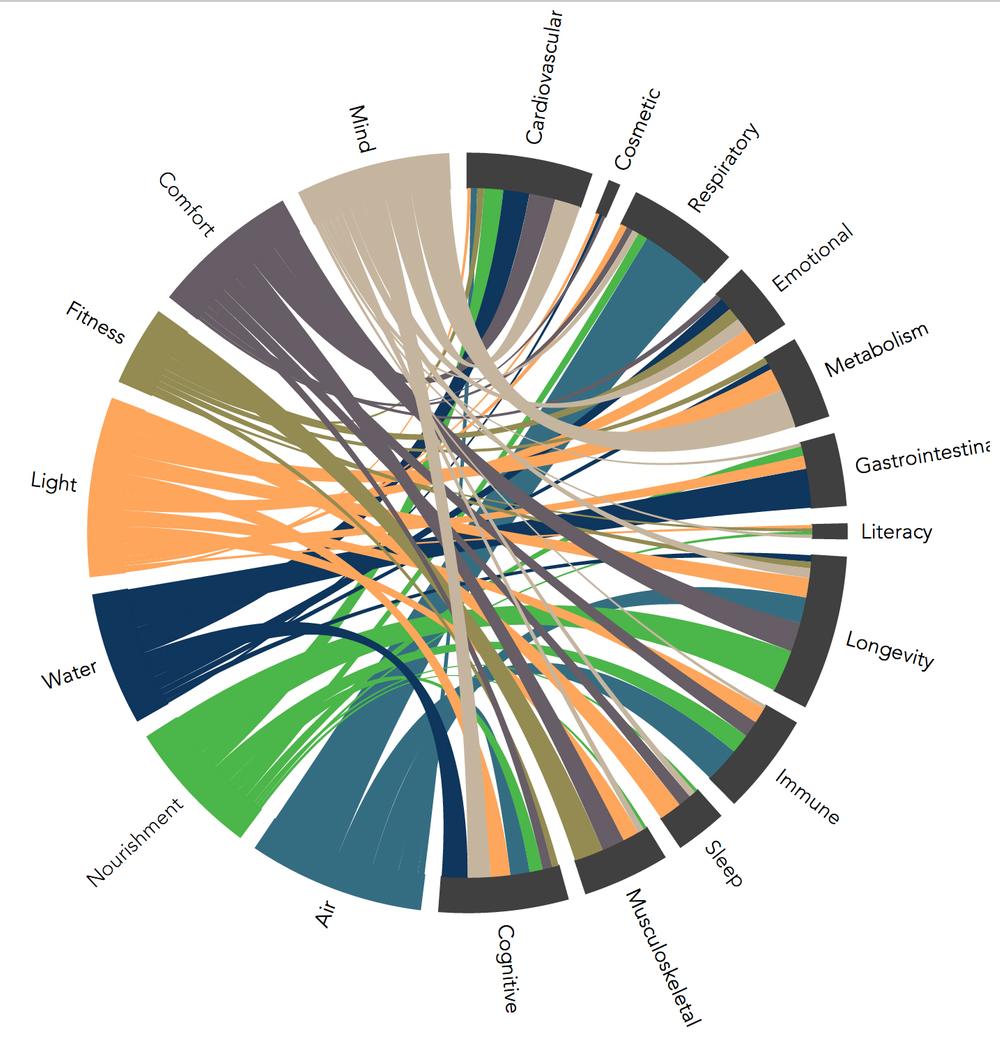
The result is the Well Building Standard™, a framework based on seven elements such as fitness, good quality air, water and light. These impact on 12 domains of health identified by Delos, which range from cardiovascular, immune and sleep health to emotional and cognitive function (see Diagram 1, p82). The standards – which are designed to sit in line with existing green building certifications such as LEED – can be applied to homes, offices, public buildings and hotels, with one of the key ambitions being to create built environments that promote movement.
The framework is currently still in pilot, but Delos has completed four projects over the past three years and has another 15 in the pipeline. In addition, Scialla and his twin brother, who’s also a partner in Delos, converted their own home to trial the Well Building Standard three years ago and have seen the benefits first-hand. “Since completing the renovation, my energy levels are through the roof, I’ve rarely been sick and my sleeping patterns have never been better,” says Scialla. “I’m a healthier person.”
Setting standards
In total, there are around 50 possible amenities in the Well Building Standard, with some of the less obvious including shielding from harmful electromagnetic fields and photo-catalytic coating for surfaces to break down bacteria, viruses and volatile organic compounds. Even the lighting system mimics our circadian rhythms. The lights provide a softer, yellow hue in the evenings to stimulate production of the sleep hormone melatonin, while brighter blue hues during the day boost cortisol production and energy levels and reduce or even eliminate jet lag.
Interestingly, the new standards pay just as much attention to emotional and psychological wellbeing as physical health, with complementary elements such as aromatherapy, acupressure and sound-wave therapy incorporated because they’ve been proven to work. Nevertheless, physical health and fitness is an important part of the concept, with a number of elements being trialled at the 66 East 11th Street development in New York City – albeit at a luxury end of the scale that may not be specified in the final published version of the standards.
For example, Donna Karan’s wellbeing foundation Urban Zen offers a wellness concierge service at 66 East 11th Street, which will make customised arrangements with leading personal trainers, physical therapists and yoga, pilates and martial arts instructors for sessions both within the home and elsewhere in the city, as well as co-ordinating fitness class appointments for residents.
Adequate space for various forms of exercise will also be incorporated and designed to minimise sound, reduce microbial growth and odours. Staircases will be enhanced through lighting, design and biophilic elements, making them more inviting and pleasant to use. Space will be allocated for bike storage. And flooring will be comfortable underfoot yet still strong enough to improve lumbar support.
Healthy hotels
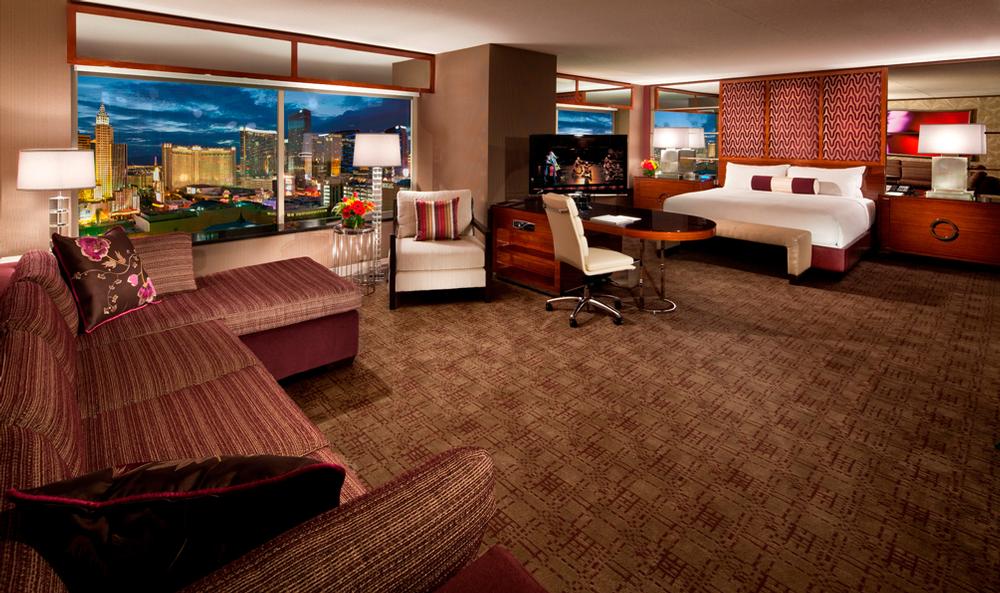
Meanwhile, in Delos’ Stay Well® hotel rooms – which launched at the MGM Grand Las Vegas in 2012 – guests have free access to the Cleveland Clinic’s sleep, stress, nutrition and fitness programmes, which are delivered online over six months and usually cost upwards of US$140. They also have access to the ‘Let’s Move It’ app, which offers aerobic challenges and exclusive Cleveland Clinic exercise videos and information.
In total, the 42 original rooms incorporate 17 health and wellness elements, including Vitamin C-infused shower water, an LED dawn simulator alarm clock to awaken the body gradually, a 24-hour room service menu based on natural/organic food, and exposure to short periods of blue-shaded lighting to increase energy and decrease the effects of jet lag. This enables MGM to add 30 per cent onto standard room rates and, while Scialla doesn’t disclose how much MG M invested, he does reveal that it broke even within six weeks.
“The guest feedback has been outstanding,” he says revealing that even though the rooms have only been open for just over a year, MGM has already quadrupled the offering: the extra 129 Stay Well rooms, which opened in January this year, have taken over the entire 14th floor of the hotel’s main tower.
Enhanced features include a smartphone app to guide guests around the room’s amenities, as well as allowing them to input details of their flight so the Cleveland Clinic can come back with a more accurate prescription for light therapy to help reduce jet lag. “We’re really trying to make it an entire experience, as opposed to just enhancing a special component of the room,” says Scialla.
Broad appeal
Individually some of the amenities included in the Well Building Standard aren’t necessarily groundbreaking. However, it’s the way Delos has packaged them that’s captured the attention of US media – which has responded with everything from articles in the LA Times and The Wall Street Journal, to coverage on CNN, Bloomberg and CNBC.
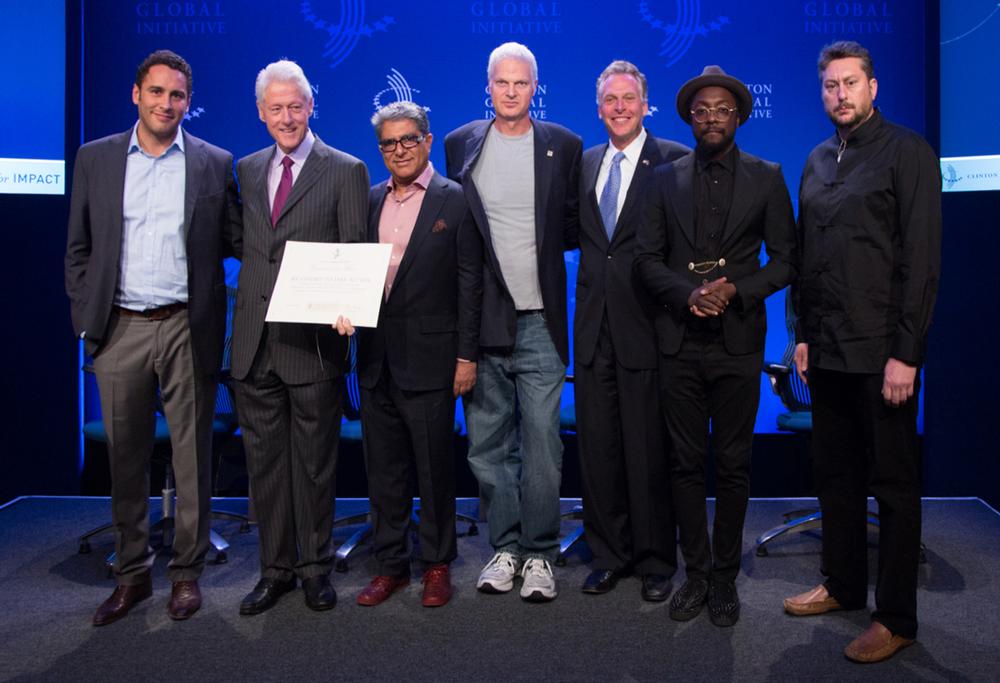
Even Bill Clinton is an advocate. “These healthy building standards will literally change the way we live and work in a very positive way,” said the former US president at the 2012 annual conference for the Clinton Global Initiative (CGI), which brings together global leaders to create and implement innovative solutions to some of the world’s most pressing challenges. Interestingly, Delos is also a member of the CGI.
Delos faces two significant challenges. Firstly, the price of its ‘well buildings’ could be a barrier for growth, given that the 66 East 11th Street residences range from US$16m–US$50m. Secondly, wellness real estate hasn’t taken off as well as anticipated in the past: a number of residential spa communities, including Canyon Ranch Living in Washington DC and Chicago and Pritikin Living in Houston, have struggled (see Spa Business 2011, issue 1, p30).
However, Scialla is confident that neither issue gives cause for concern. He believes Delos’ developments are significantly different, saying: “A lot of these residential developments anchored the real estate with a great spa, but they didn’t introduce those elements into the homes or rooms.”
He also feels the market has changed, with it no longer just being baby boomers who are interested in longevity and quality of life in later years. “We carried out extensive demographic studies early on to assess our target categories, demand and potential premiums,” he says. “We found that what we were offering appealed, and had significant value, to every single person regardless of gender, age or income level. It was very clear to us that more people today are focused on health and wellness.”
Of the cost, he says that US$4,000 per square foot “is not expensive based on current New York City real estate prices. Plus, when you think about having a home that’s working on your body 24 hours a day just by living in it, we think it’s worth the price”.
Scialla also remains adamant that Delos isn’t just focused on luxury residential projects. The company has just certified its first wellness offices at the 4,274sq m (46,000sq ft) CBRE global corporate headquarters in Los Angeles and is also working with the healthy restaurant chain Lyfe Kitchen to certify 250 of its facilities over the course of the next five years.
In addition, Scialla cites mid-level rentals and school projects as possibilities in the future, and points out that Delos is working with the US Green Building Council on an orphanage in Haiti and with will.i.am on an affordable housing project in Boyle Heights – a low-income neighbourhood in Los Angeles. In collaboration with the singer’s philanthropic organisation i.am.angel, Delos is also implementing its Well Access programme, a subset of the Well Building Standard that will see core components such as quality air, water and antimicrobial coatings added to 1,200 homes.
Working with health clubs
So which segment does Scialla think has the potential to grow the quickest: residential, office or hospitality? “It’s so interesting, because I’d like to pick one, but I actually see a massive opportunity with every single one of them,” he says. He even hints that other verticals such as assisted living and senior housing could be on the cards for development.
Scialla is also open to the idea of working with health club operators. “Wellness is the fastest growing consumer industry in the world, and we’ve received tremendously positive feedback from individuals who are looking for healthier, wellness-orientated experiences at home, in the office or travelling,” he says.
“Currently, Delos’ wellness designs are being implemented in homes, offices and hotels through the brand’s Stay Well offerings, but health clubs are a natural area of expansion. We’ve received great interest from health club operators who are enthusiastic about the potential to infuse our wellness elements and technology into their fitness centres to provide members with a healthier gym experience.”
For now, with the Well Building Standard still in its pilot phase, any company looking for certification would need to partner with Delos. However, the idea is that eventually an independent, but for-profit, corporation – the International Well Building Institute – will govern the standards as they open up to the market.
Scialla concludes: “We hope to achieve similar penetration to the LEED certification and Green Building movement. The Well Building Standard is already applicable to any type of real estate that will help us achieve this ultimate goal.”
A version of this feature first appeared in Spa Business issue 1, 2014
















Designed to restore neglected land and renew the identity of Iraq’s capital city, Baghdad Sustainable Forests promises a new way of living surrounded by nature. Gensler’s Ian Mulcahay tells us why he thinks the project could become a model for the repair and enhancement of urban centres