Architect Focus
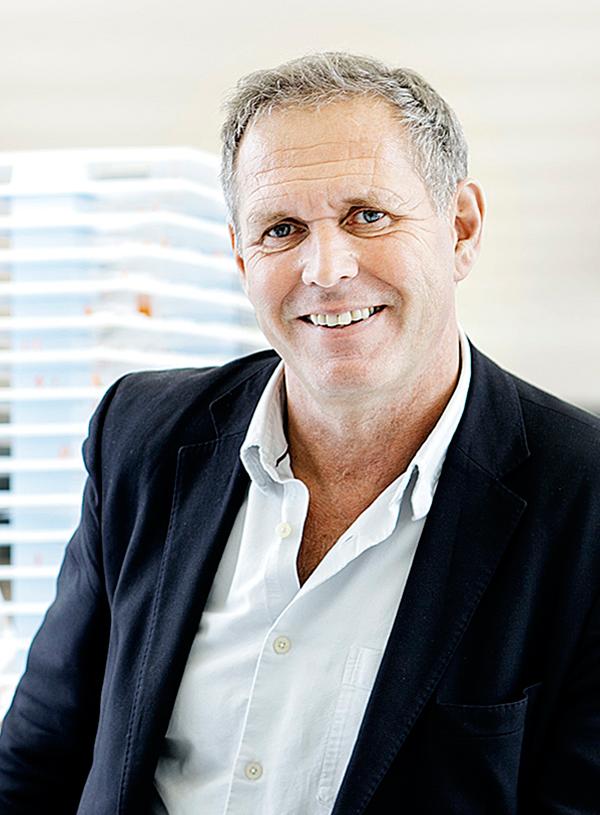
Kim Herforth Nielsen
Denmark's iconic new national aquarium, The Blue Planet, has won awards for its design. 3XN's Kim Herforth Nielsen tells Kathleen Whyman how the project took shape



Can you describe the design?
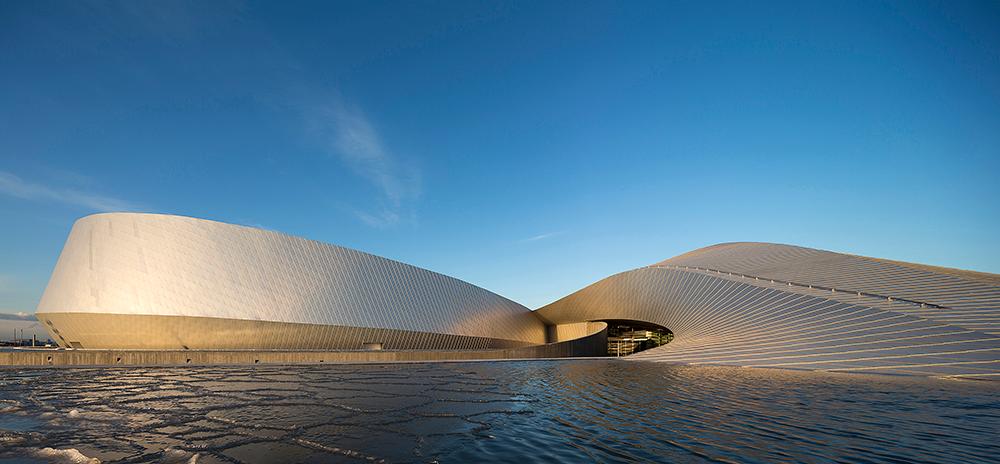
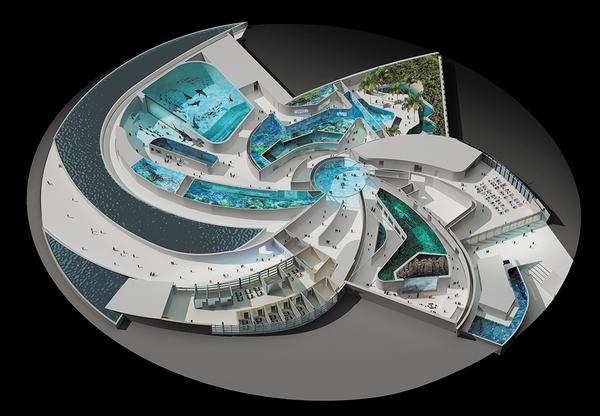
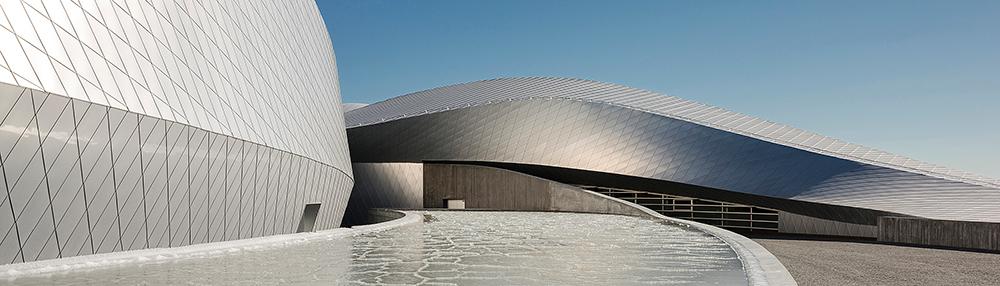
Our inspiration for the design was water. We worked for seven weeks on the competition and spent the first five weeks coming up with the right concept. We eventually decided on the idea of shaping the building like a whirlpool, pulling people into a world beneath the surface of the sea.
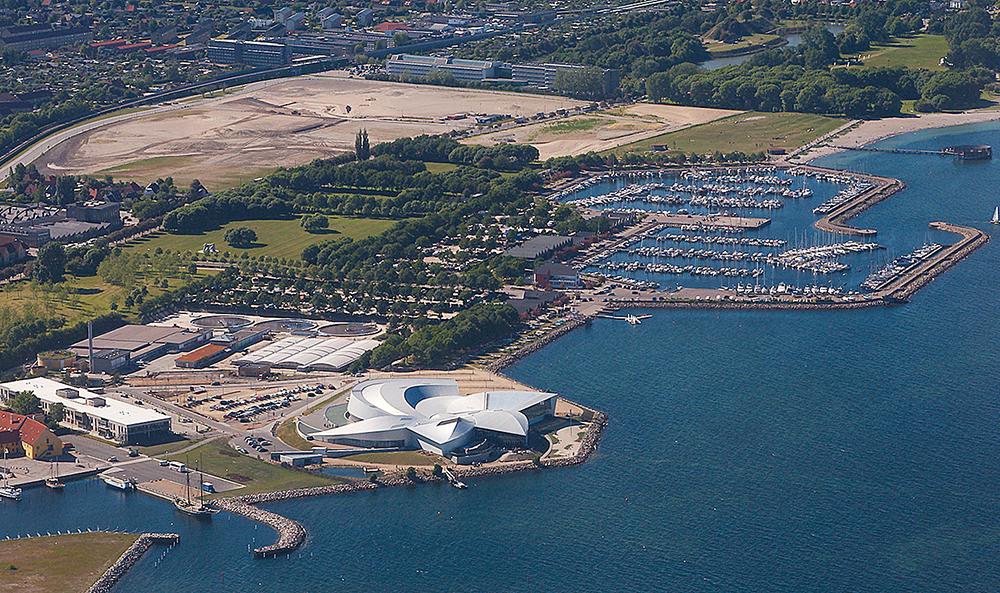
As it’s located next to Copenhagen Airport, people look down on the roof when they land and take off, so how it looks from above is very important. From a distance, the building has the same propeller shape that a whirlpool has, but it's an abstract shape that takes on other images, such as that of a whale, when you get nearer.
The façade is covered with small diamond-shaped raw aluminium plates, known as shingles, which resemble the scales of a fish.
What’s the internal design?
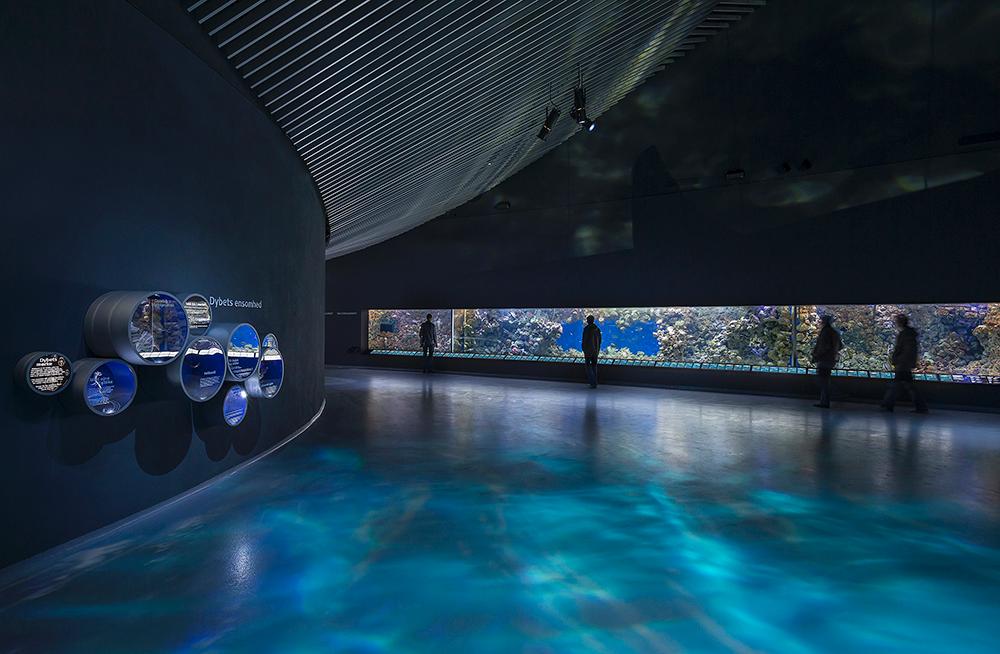
The inside is the same shape as the outside. We have used light on the walls and ceiling to simulate reflections, and have used sound to add to the feeling of being underwater.
Visitors come into a circular foyer in the centre of the building, then choose which river, lake or ocean to explore in the aquarium.
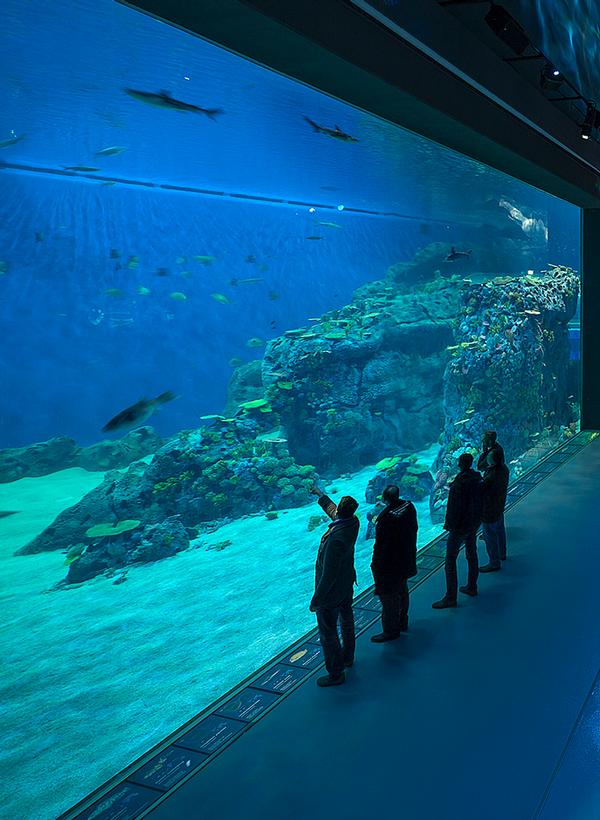
Attractions include a large hot water tank for the tropical fish and the sharks, with a tunnel where visitors can walk through the water.
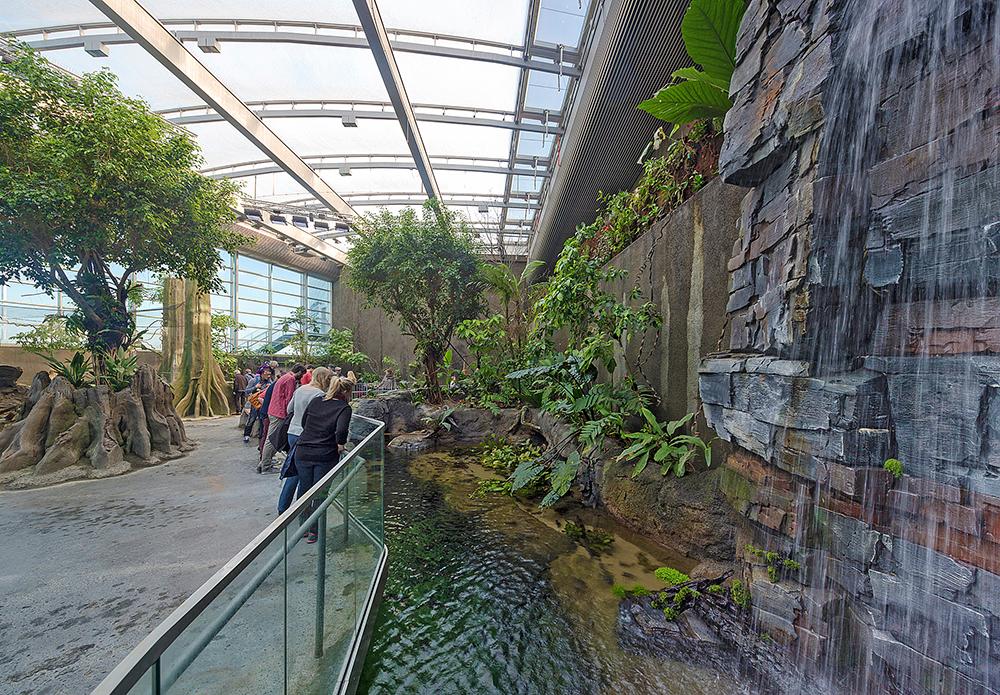
Most of the areas are fairly dark, as the only light comes from the aquariums, but there’s a lot of light in the tropical Amazonian forest area. Visitors can walk under the forest and look into the water to see the piranhas and other fish.
What was your original brief?
To create an interesting, iconic building for the sea elements. We won because we had a very clear story about what we wanted the building to be – it’s not just a big home for fish.
The operators wanted to be able to extend the building by at least 30 per cent in the future, as at some point they will build a large tank for whales. With our whirlpool shape, they can just add on to it as much as they want to because it never ends.
We won the bid four years ago, so it’s been quite a speedy process. We had two years to do the drawings and tendering and then two years to build. It’s been a very smooth process. The date for the opening was 21 March 2013 because it was the first day of the Easter holidays and the Queen of Denmark came to open the aquarium. We couldn’t really be late for her.
What were the biggest design challenges?
There are 53 aquariums and displays, containing seven million litres of water and 20,000 sea animals. Also, there’s so much technology in the building and as many square metres underneath and on top of the public spaces, which are laboratories for cleaning the water and preparing it. It was a big challenge to contain all this within the building.
So much has been done to get the animals' environments right. We’ve worked with specialists AAT Advanced Aquarium Technologies to ensure they have the correct lighting, amount of water and sized tanks.
Another difficulty is that it’s a very aggressive environment with salt water and damp, so it was difficult to make a construction that could be upstanding and sustainable for a long time, both inside and out. The building is on the tip of the water, and in winter it’s freezing and very windy, so it was a challenging place to build in.
What’s in the outdoor areas?
The design didn’t stop with the building – it spread to the outside. Moe & Brødsgaard designed the overall planning and layout of the external areas. The building extends beyond the original coastline, so visitors can look out across the sea from inside the aquarium. There’s a lake with carps and sea lions and a 15m (49ft)-high display of the Faro Islands’ bird cliff, which is home to many birds including puffins, while siki sharks, halibuts and catfish swim in the sea beneath. There are also outdoor play areas for children, picnic sites and a pond.
Bushes have been planted around the car park, so in time the cars won’t be visible. The building is lifted up from the landscaping around, to ensure it gets all the focus.
What materials did you use?
The building is clad with raw aluminium shingles, which reflect the sky in the same way water does. When you see the building from the air it looks white because it reflects the sunlight. From ground level it’s the colour of the sky. In the evening it becomes yellow with the sunset.
Inside the building we used very simple concrete and plaster in dark grey so that the surroundings don’t compete with the aquariums – the focus should be on the fish.
What have been the construction challenges?
Because the building’s a morph shape, we couldn’t put any radius or diameters into it, so there’s no repetition in the shape. We tried many different building methods before we settled on a fairly traditional method of creating a few frames that have the outside shape, in the same way a wooden boat is built. We then clad it with the aluminium shingles.
What are you most proud of?
I’m particularly proud of how flexible and unusual the shape is and how it takes up all the different challenges. We borrowed the whirlpool shape from nature and there’s a reason nature makes its shapes the way it does. Nature is very flexible.
A good building needs a good client. The foundation that sponsored the aquarium has been really collaborative and professional. That’s why this project has been a success.
Blue planet zones
The content – from the tropics to the poles
Ocean tank
The largest aquarium is a four million-litre basin hosting hammerhead sharks, rays, moray eels and hundreds of small fish. Visitors can experience the animals at close range through a 16m- (52ft)-long acrylic tunnel below the water and from a 16m x 8m (52ft x 26ft) amphitheatre.
Africa’s lakes
Showcasing the diversity of life in Africa’s greatest lakes – Victoria, Tanganyika, and Malawi. The aquariums’ granite rock, sand, and canoes have been selected and collected in Africa. In addition to colourful fish, visitors can see dwarf crocodiles, sump turtles and the big Nile crocodile.
Coral reefs
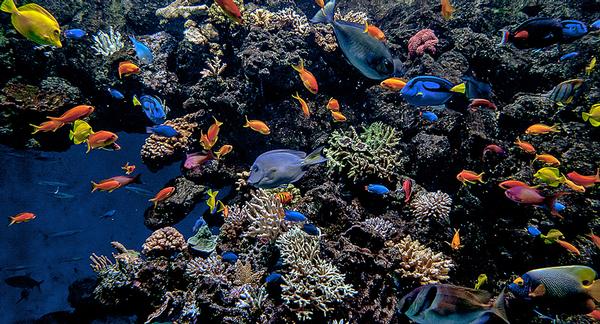
This huge aquarium displays colourful fishes of many species living in and by the corals. The animals are separated into four aquariums, which are invisible to the human eye. In the centre are the living corals, on either sides are coral-eating fish and at the back are reef predators, such as bass, Napoleon fish and sharks.
Faroe Islands
A 15m (49ft)-high Faroe Islands’ bird cliff display is home to puffins, siki sharks, halibuts and catfish.
Sea lion
A lake features carp and sea lions, which can be viewed both inside and outside.
Amazonas
The world’s longest river, the Amazon, holds an incredible variety of wildlife, which is on display in the large rainforest hall. As well as free-flying birds and butterflies, the rainforest hall has four large aquariums, which house giga arapaimas, red tailed catfish and a cousin to the piranha, the omnivorous pacu. Europe’s largest colony of 3,000 piranhas inhabit the area close to the great waterfall.
The Cold Waters
Sea animals from cold environments around the planet are featured, including a school of herring.


Designed to restore neglected land and renew the identity of Iraq’s capital city, Baghdad Sustainable Forests promises a new way of living surrounded by nature. Gensler’s Ian Mulcahay tells us why he thinks the project could become a model for the repair and enhancement of urban centres