Urban renewal
Green shoots
A million-tree forest frames a series of culture, wellness and leisure-led villages in a bold new vision for Baghdad. Gensler’s Ian Mulcahey tells Magali Robathan about the plans for the transformation of a former Iraqi military campsite



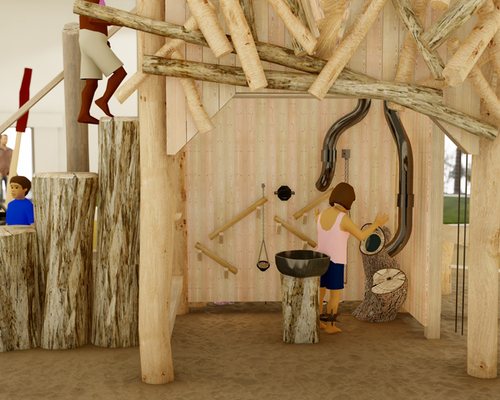
Architecture and design firm Gensler have unveiled details of a new masterplan that sees more than 10 million square metres of neglected land transformed into a forward-looking ecological and urban district for Baghdad. Part of the rehabilitation of the Iraqi capital, Baghdad Sustainable Forests will feature an expansive network of forests, parks and green corridors. Early proposals outline a series of themed forests – including arts and culture, health and wellness, kids and entertainment, and sport and fitness – each designed to cultivate unique experiences and support diverse community needs.
The development aims to restore a site previously used as a military encampment and filled with 45 million tonnes of waste. In its place, Gensler proposes a constellation of mixed-use ‘lifestyle villages’ woven carefully into the landscape. These villages will be connected by shaded streets and pedestrian-friendly plazas that encourage walking, cycling, and e-scooter use, creating an accessible and human-centred public realm. Collectively, the villages are planned to deliver around 1.5 million square metres of commercial and retail space, offering hubs for business, education, and leisure.
A sequence of architectural gateways will define key entry points to the district. The most prominent is the 260-metre-high Al Rasheed Gateway tower, envisioned as a striking vertical marker with a tapered, curved form rising from a rounded square base. Another significant intervention, the River Gateway, will reopen a previously inaccessible stretch of the Tigris River, reconnecting the site to one of Baghdad’s most historic natural assets. Additional landmarks, such as the 110-metre National Pavilion, signal the project’s ambition to become a symbol of renewal for the city.
Here Ian Mulcahey, global director of cities at Gensler, outlines the plans:
How would you sum up the Baghdad Sustainable Forests masterplan?
Working with Emkanat, Gensler designed a comprehensive masterplan to transform a long-neglected site, into a thriving district, injecting new life into the city through the creation of mixed-use villages and urban clusters, all set within an urban forest. The vision is guided by three principles: creating a new destination for the city, embracing innovation to tackle future challenges and healing the city’s ecosystem with restorative environments.
How would you sum up your experience working on this project?
It’s been a journey of discovery, working collaboratively with Emkanat to shape a masterplan that brings together and harmonises the area’s unique ecology, culture and social life. The biggest challenge for this site is its scale, comprising 1,000 hectares of disused land at the heart of the city.
The masterplan process enabled us to develop visualisations and animations to communicate the scale of ambition and share the positive change that can be achieved for the people in Baghdad.
What are the main challenges and opportunities of the site?
The existing landscape created specific challenges; it was arid, contaminated land within a harsh climate. Yet we saw an immense opportunity; a blank canvas for bold urban design. By blending the expertise of our urban designers and landscape architecture team, along with engineers and forest strategy consultants, we were able to quickly spot and mitigate challenges. What began as a degraded site now has powerful potential to economically renew the city.
Were Baghdad residents involved in the development of the masterplan, and if so, how?
From the start, we have been working closely with Emkanat and their local consultants, who are residents of the city. There has also been close consultation throughout the design process with the local authorities. Their insight has been invaluable in shaping the masterplan to feel authentic and locally grounded.
What role does culture play in this project?
Culture is the beating heart of this project. Baghdad’s rich artistic and intellectual heritage has always been a source of identity and pride, and the design aims to amplify this spirit. At its core is the National Pavilion, a powerful symbol of the city’s cultural roots. In addition, the scheme includes a Creative Village and the International Conference Centre, which will bring striking new architecture and is designed to be open and alive, inviting people to gather, connect or simply pause.
Why are leisure and culture important in the rebuilding of post-conflict cities?
Culture and leisure are at the heart of Baghdad’s identity and history and are both intrinsic and celebrated by people in the city. We wanted to reflect this in our masterplan. The forests and parks will provide a new space that connects the villages and will be safe spaces where people can cycle, run and walk under the shade of nature. Overall, by integrating leisure and culture in the parks and gathering spaces, the plan seeks to support wellbeing and communal healing.
The plan includes villages for wellbeing, arts and community life. What can you tell us about these?
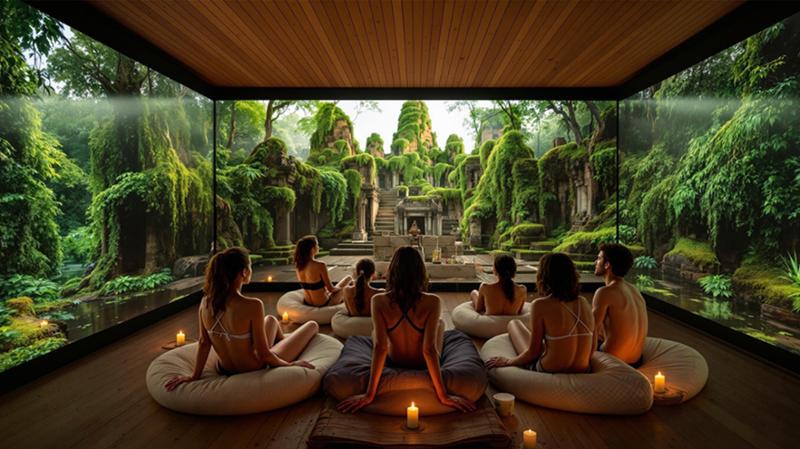
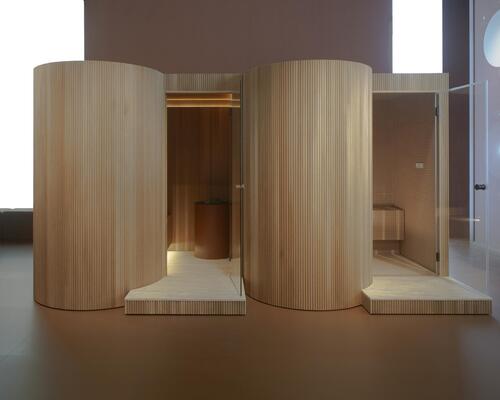
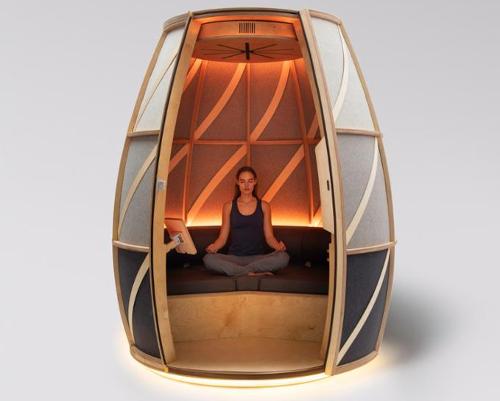
The masterplan incorporates thematic villages, including science and education; technology and innovation; as well as creativity, vitality and resort villages designed for families. Each village is designed to offer specialised amenities and educational and collaborative hubs. The Vitality Village, for example, will be at the forefront of a flourishing and innovative community, where you might find a cross-section of valuable services and facilities to bring the community together – including preventative care clinics, a spa hotel, dance studios and co-working spaces.
Did you think about the role of healing in this project? How was this taken into consideration?
Healing is embedded as a key principle, both for the land and for the people. The masterplan focuses on restoring the environment through extensive planting and ecological restoration while simultaneously creating spaces where communities can be immersed in the forests and parks, which will become new green lungs for Baghdad.
What are you proudest of with this project?
The opportunities this project could bring to Baghdad and its people are really exciting. This extraordinary site on the banks of the River Tigris has the potential to become a world-class destination for recreation, emblematic of the regeneration of the capital city of Iraq. With its ambitious scale and forward-thinking design, the scheme is well-positioned to become a model for the repair and enhancement of our urban centres, and it reflects our deep commitment to achieving this thoughtfully and sustainably.








Designed to restore neglected land and renew the identity of Iraq’s capital city, Baghdad Sustainable Forests promises a new way of living surrounded by nature. Gensler’s Ian Mulcahay tells us why he thinks the project could become a model for the repair and enhancement of urban centres