Wellness
Space to connect
As social spas hit the mainstream, a new Stockholm hotel offers a unique concept within Sweden’s largest spa. We speak to Windgardhs’ Helena Toresson about how the wellness area was designed to foster connection



Opened in November 2025, wellness destination Hagastrand is situated in Stockholm’s royal park, Haga, and features Sweden’s largest spa. Housed in a historic building on a hilltop overlooking the Brunnsviken lake, Stockholm is visible in the distance.
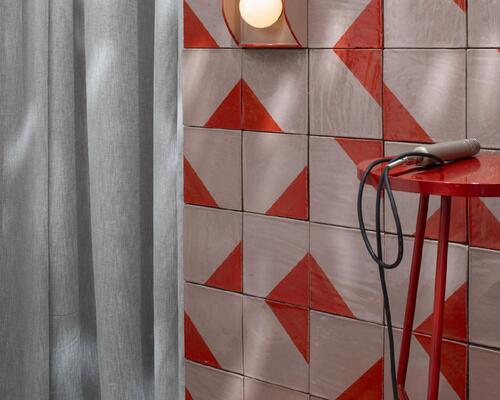
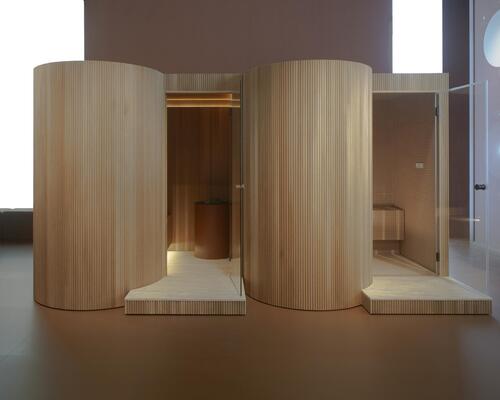
Designed by Scandinavian heavyweights Windgardhs Architects, the hotel and spa mirror the Nordic landscape with warm woods and stone, soft lighting and flowing lines creating a natural feeling of calm.
The key aim of the huge new 2,500sq metre spa is connection. Guests hand over their phones, which are locked in magnetic pouches, before entering for a three-hour social wellness experience led by certified saunamasters – who are all also artists, musicians and performers. The journey begins in the spa lounge next to the 18m pool, where a bar serves drinks and ‘seasonal nibbles,’ card games on the tables encourage interaction among guests, and impromptu music and artist performances take place around the pool.
This project became an exercise in resisting the urge to start from scratch
The lounge leads into a 100 square metre event sauna, which can accommodate up to 60 guests. Here, ‘music-driven, storytelling rituals’ are led by the saunamasters – all incorporating their own artistic disciplines. Musicians might incorporate live music into the sauna session, while textile artists use self-designed ribbons, fans and billowing pieces of fabric to move the hot air around the room. Each session is different, with the saunamasters acting as ‘placeholders’, deciding what each group needs, when to start the sauna session, and when to direct guests to the calmer areas.
Windgardhs were tasked by client Nobis with creating a spa with distinct areas designed to foster interaction, to cocoon and to encourage a sense of calm.
As well as the pool and lounge area and the sauna, the spa has four treatment rooms, a wellness suite for private group experiences and a private spa area with a duo of suites for holistic treatments as well as a thermal bathing circuit that includes a snow room by TechnoAlpin Indoor for cyrotherapy.
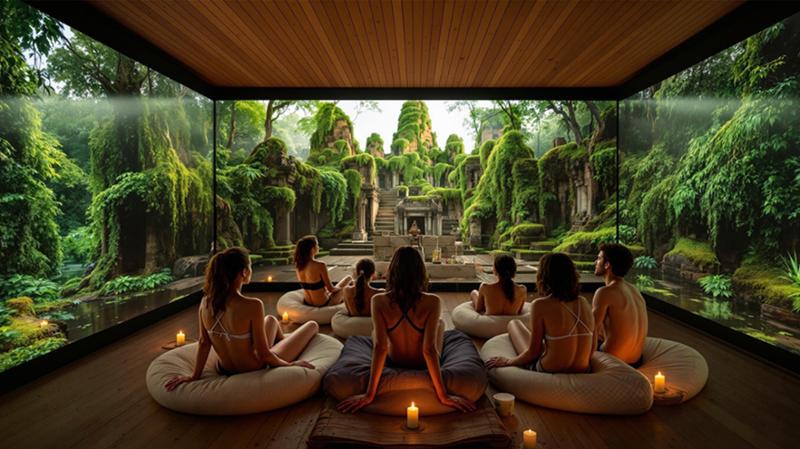
The session ends in an immersive sound and light experience called Gongmatic that takes place in a dark cocooning room featuring ceramic heated loungers by traditional Austrian ceramics producer Sommerhuber. At the heart of the space is a beautiful, self-playing titanium gong created by the founders of gong manufacturing company Grotto Sonora. Madhava Carrara and Margherita Cioffi worked with art technologist Simon Morris to design the experience, which they hope to bring into more spaces ‘where sound, art and wellbeing intersect.’
Our work was about revealing and refining rather than demolishing and rebuilding
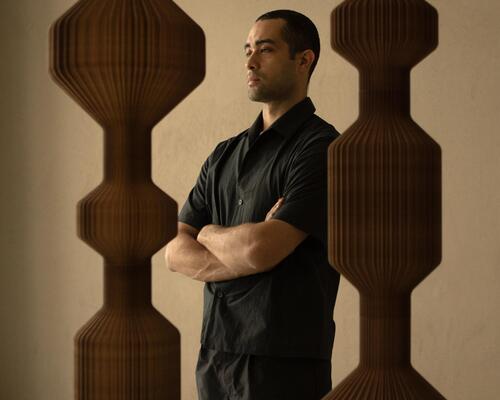
CLADmag spoke to Windgardhs’ vice president Helena Toresson about turning a tired nineties complex into a contemporary, wellness-focused hotel.
How would you sum up the design of Hagastrand? What makes it special?
Our assignments for Nobis always begin with the same brief: ‘Create an interior that will last for at least 25 years.’ Nobis has no design manual or brand guidelines dictating how a project should look or feel. The goal is always to create unique high quality places with distinct expression.
Together, we’ve developed a shared method: to start with the context – the unique building and its surroundings. This approach has led to hotels with very different characters, from the elegant Miss Clara in Stockholm to the refined Nobis Hotel Palma in Mallorca, Spain.
With Hagastrand, the context was a somewhat weary 1990s complex with limited contemporary relevance in today’s saturated hotel market.
This project became an exercise in resisting the urge to start from scratch – to hold back from erasing what might be considered aesthetically challenging and instead uncover the intrinsic qualities of the buildings beneath the layers added over time.
Our work was about revealing and refining rather than demolishing and rebuilding. The result is quite a transformation, from the expressive lobby with postmodernist touches, to the calm and functional hotel rooms, and the soft, tactile spa.
How did you approach the design of the spa?
Nobis’ spa brief described a sensory journey – between activity and rest, light and shadow, warmth and coolness.
We envisioned a softly flowing spatial sequence, with rich, muted colours and tactile materials. The social areas would be lighter and more outward-facing; the thermal zone deeper and more introspective. The spatial planning and furniture layout support the intended activity. In the social areas, sofas and armchairs are arranged facing one another. In the thermal zone, the furniture is oriented outward as solitary pieces or grouped in pairs. The flowing floor plan in the thermal bath area naturally slows your pace, while the more open social space gives you an overview and the opportunity to meet someone else’s gaze.
The new spa would be the property’s defining feature. What existed – a pool, gym, and boxing ring placed in a former garage – was far from sufficient. Natural light was scarce. We understood that a few, strong spatial gestures were needed to add true quality. Enlarging an existing skylight and excavating a new spa garden would allow daylight and a connection to the outdoors. Through this sunken garden, a direct link to Hagaparken and Brunnsviken could be created.
What is your personal favourite aspect of the spa?
The focus: the art of sauna – the shared experiences and smaller intimate sessions. From the moist and light hammam, to the dark Nordic Sauna.
I really appreciate the contrast between the Nordic sauna and the snow room – the finale of the sauna journey. In the sauna, you experience intense heat and the tactile materiality of dark ash wood. In the snow room, you cool down in icy air and snow, where the crisp light and metal surfaces amplify the sensation of cold. A fitting end to a truly unique and sensory journey. Another favourite part is the Gongmatic room. A vibrant experience that leaves no one indifferent.
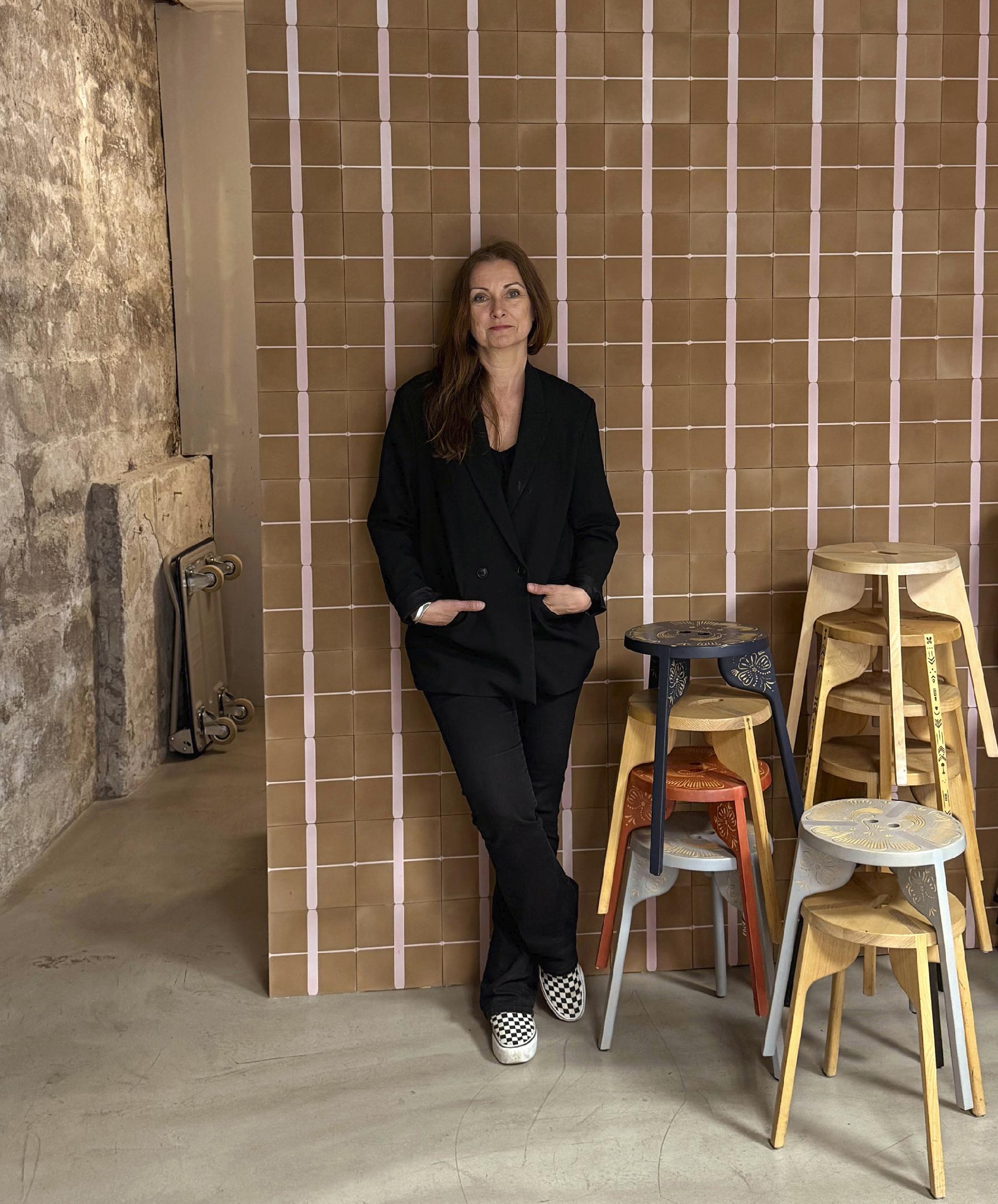
The flowing floor plan in the thermal bath area slows your pace, while the open social space gives you the opportunity to meet someone else’s gaze
– Helena Toresson







Designed to restore neglected land and renew the identity of Iraq’s capital city, Baghdad Sustainable Forests promises a new way of living surrounded by nature. Gensler’s Ian Mulcahay tells us why he thinks the project could become a model for the repair and enhancement of urban centres