Hospitality
Dream spaces
As sleeper trains make a comeback, we take a look at some design-led projects bringing the glamour back to train travel



Driven by concern about the impact of flying on the environment and a surge in interest in slow travel, sleeper trains are making a surprise comeback, particularly in Europe. Existing operators are bringing back neglected routes and creating new ones, while new entrants are shaking things up.
Just as in the golden age of rail travel, the journey is as important as the destination, and these trains are designed to evoke a sense of luxury and romance. Here are a few to look out for.
Designer: Albion Nord
Launched August 2025
Launched in August 2025 by Belmond, the Britannic Explorer offers three night ‘quintessentially British’ itineraries departing from London to either Cornwall, the Lake District or Wales.
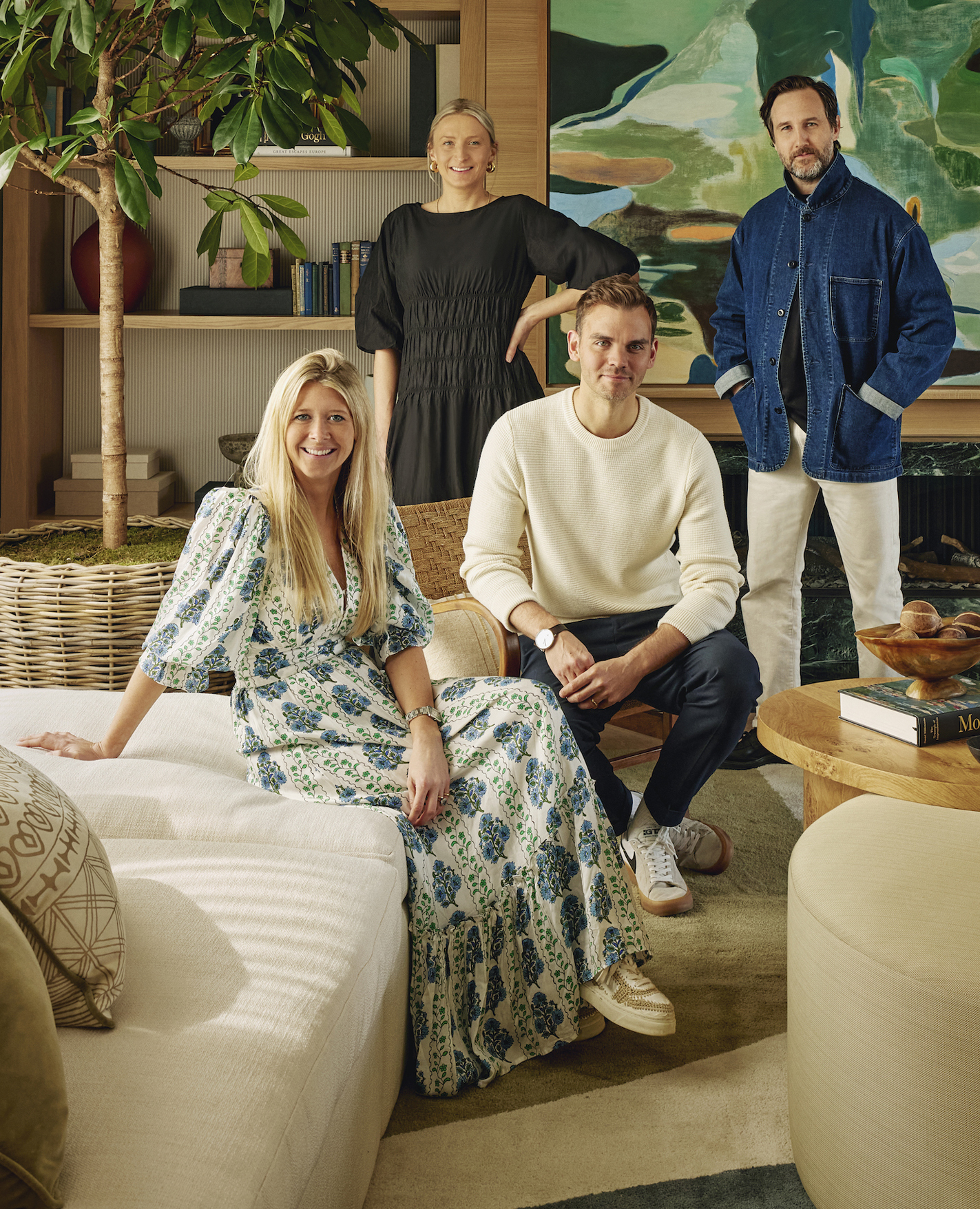
The train’s interior design is by London-based studio Albion Nord, in collaboration with Luke Edward Hall, Mel Campion and Olly Fathers. The train has 18 cabins, comprising three grand suites and 15 suites, as well as two restaurant cars, an observation carriage, a bar car and a wellbeing carriage.
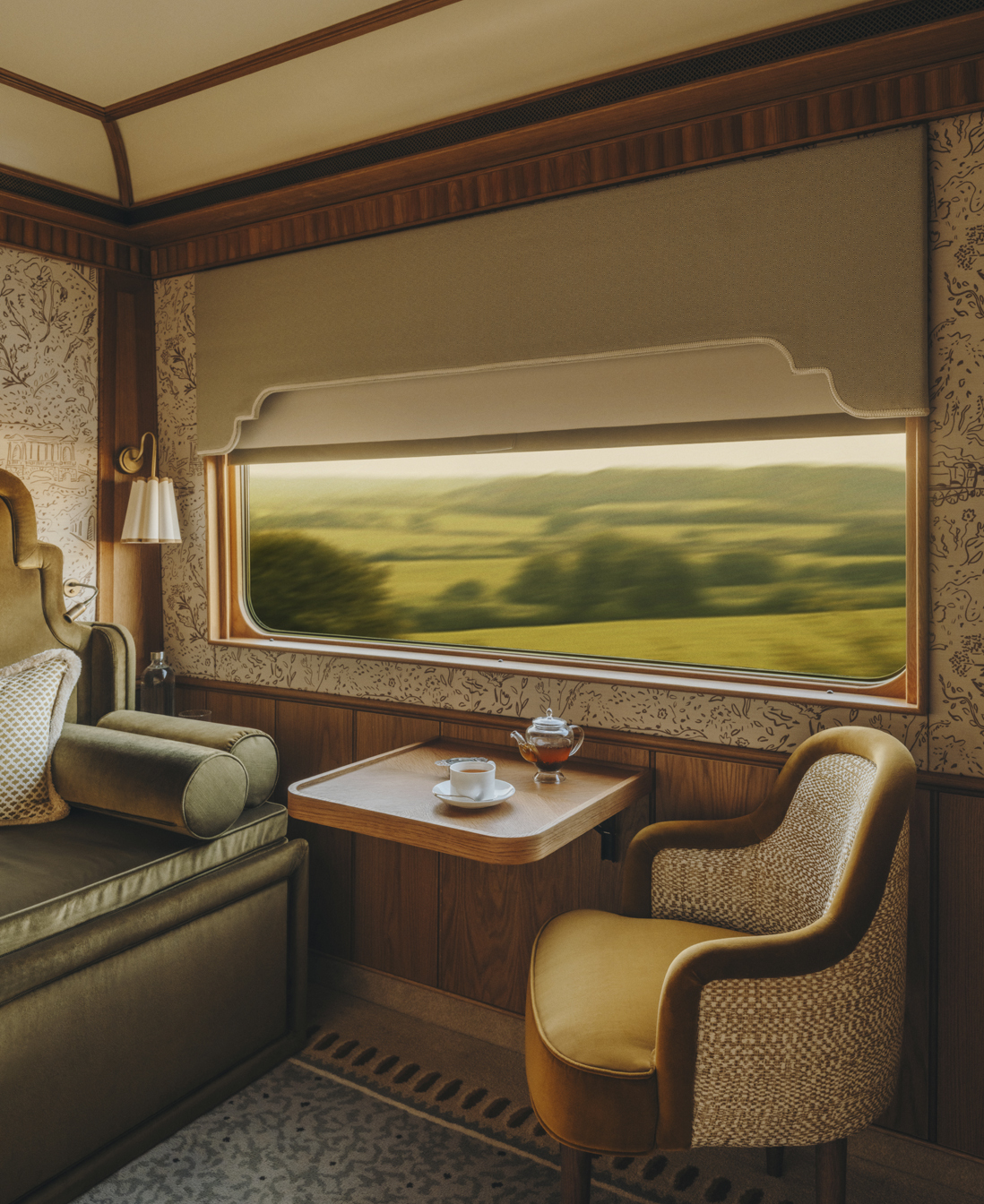
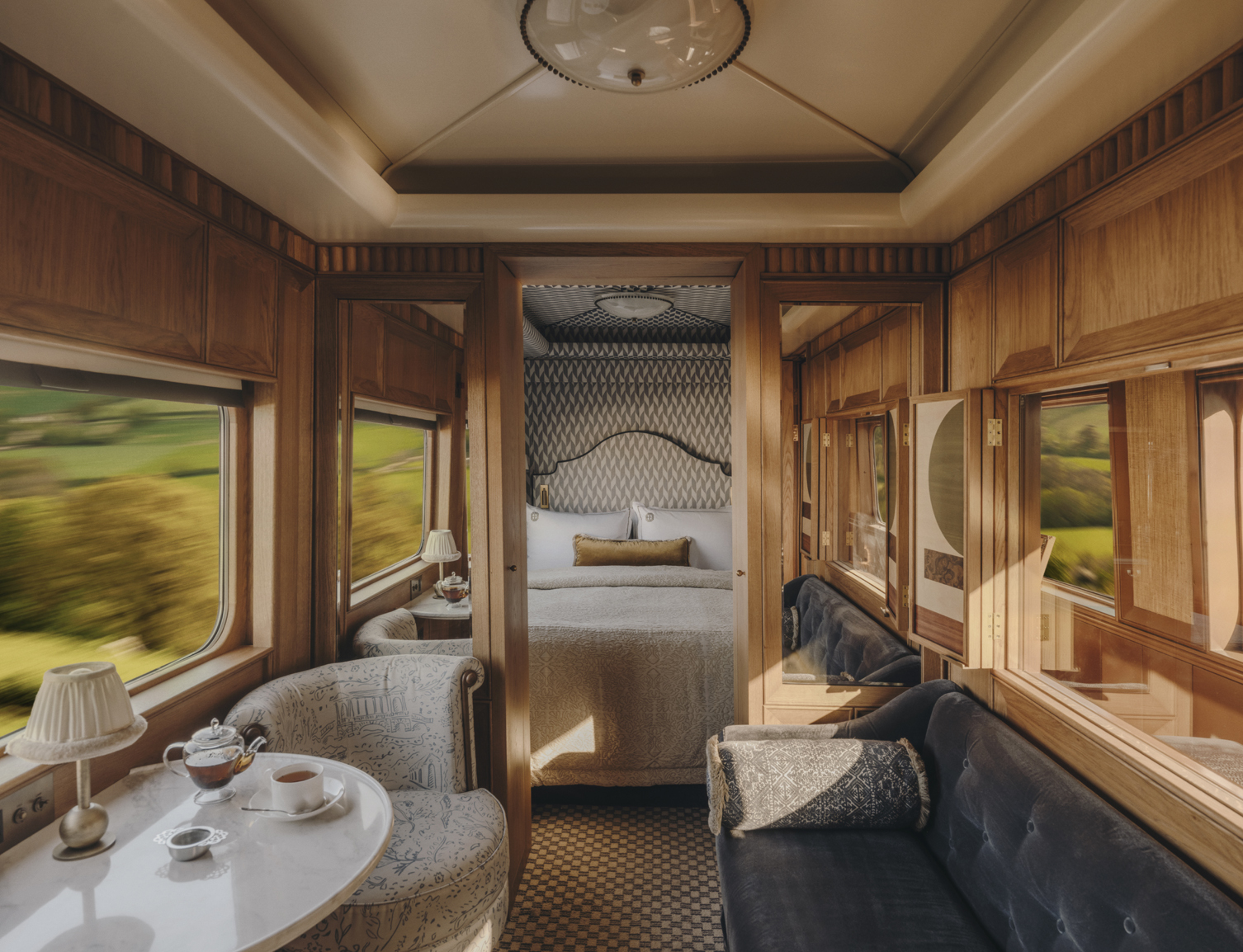
Albion Nord used the British countryside as a starting point for the design, with native botanicals used as references for colour, texture and patterns, particularly in the grand suites, which are named Valerian, Juniper and Elder. Oak panelling and the use of luxurious materials including velvet and marble create a high end feel.
The cabins feature illustrated textiles by designer Luke Edward Hall, hand-picked antique furniture, earthy colours and natural materials including wood, stone and wool. South London-based artist Olly Fathers has created striking contemporary panels for the grand suites, which also feature artwork by Marcus James.
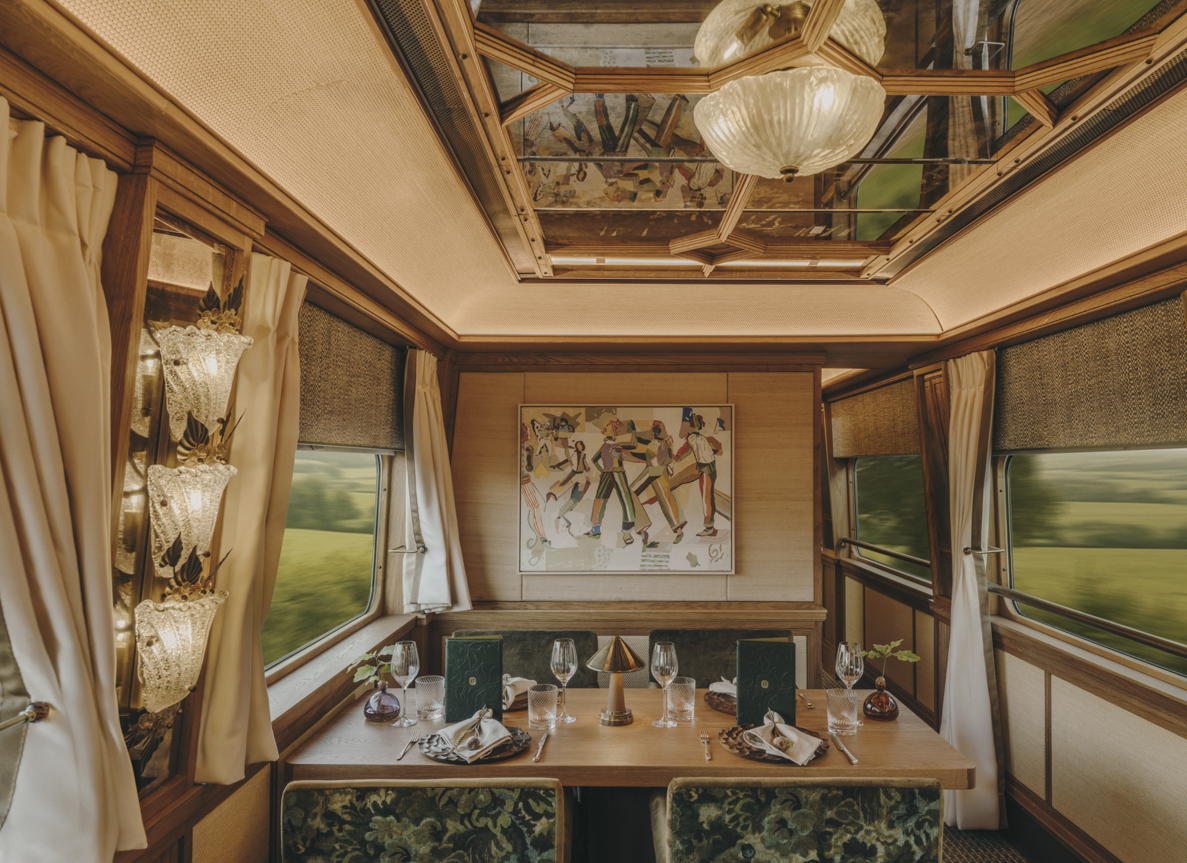
A wellbeing carriage offers spa treatments and features a calming green colour scheme, as well as artwork by painter and printmaker, Sarah Woods. The Victorian apothecary-inspired observation carriage features burnt orange velvet banquettes, bespoke patterned carpets from Ulster Carpets and large windows to watch the scenery go by. The design of the two restaurant cars is again inspired by the countryside, with potted herbs, botanical tapestries, limed oak joinery, woven finishes and a trellis-inspired mirrored ceiling.
“This was a one-of-a-kind project, focusing on creating compact yet detailed interiors.” says Ottalie Stride, creative director at Albion Nord. “Trains are like jewellery boxes filled with timeless elegance and playful charm.’
Architect: Maxime d’Angeac
Launching: 2027
In 2015, industrial history researcher Arthur Mettetal was watching a YouTube video when he spotted a carriage in the background, painted the distinctive blue shade of the Orient Express.
Mettetal was carrying out a worldwide inventory of the Orient Express for the SNCF as part of his PhD research. Using Google Maps and Google 3D view, he managed to work out the location of the carriages, which were sitting abandoned on a railway siding near the border between Poland and Belarus. Surprisingly well preserved, the 17 carriages dated from the 1920s and 1930s, and were formerly known as Nostalgie-Istanbul-Orient-Express
We eliminated anything trendy, so it’s timeless
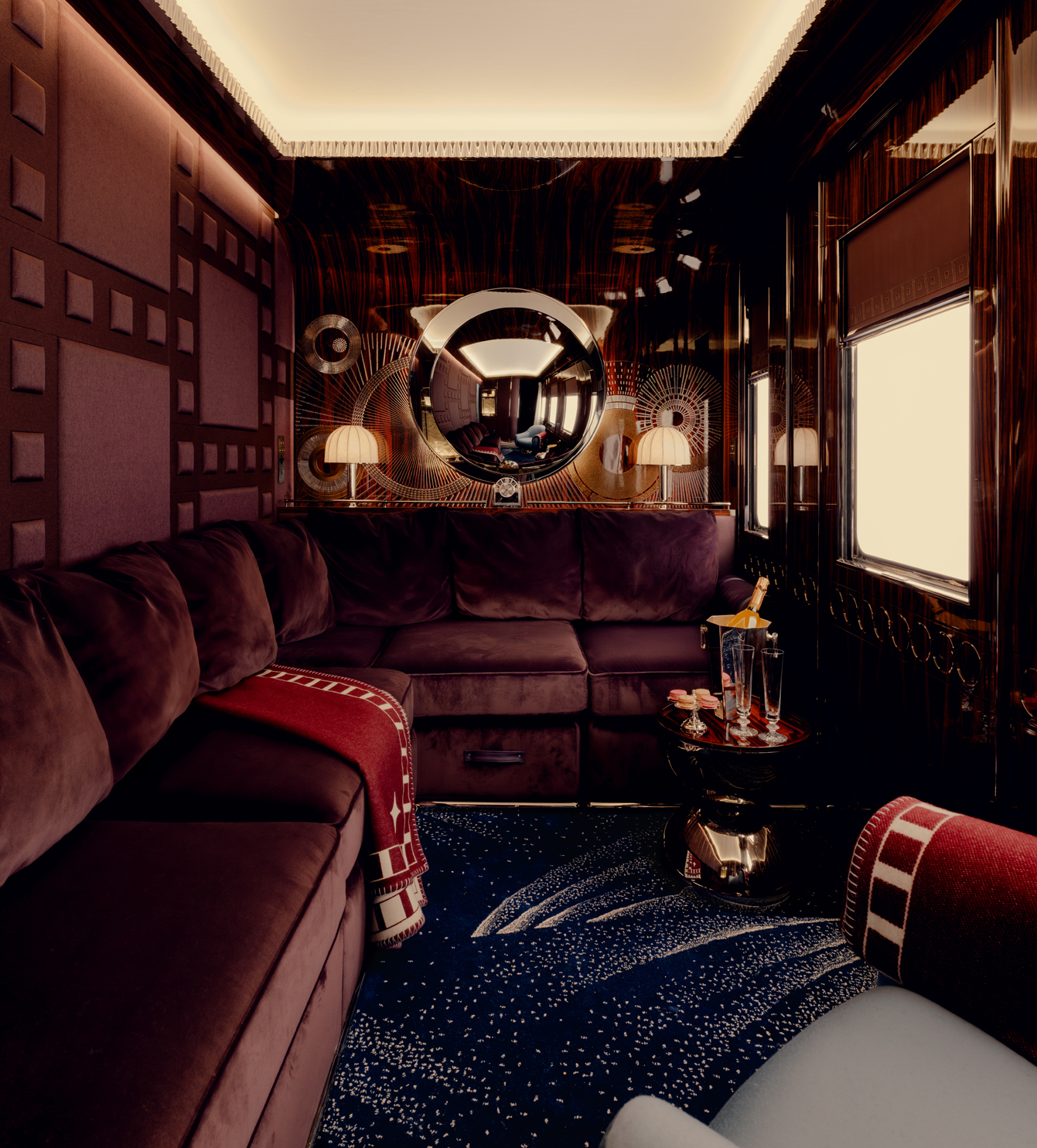
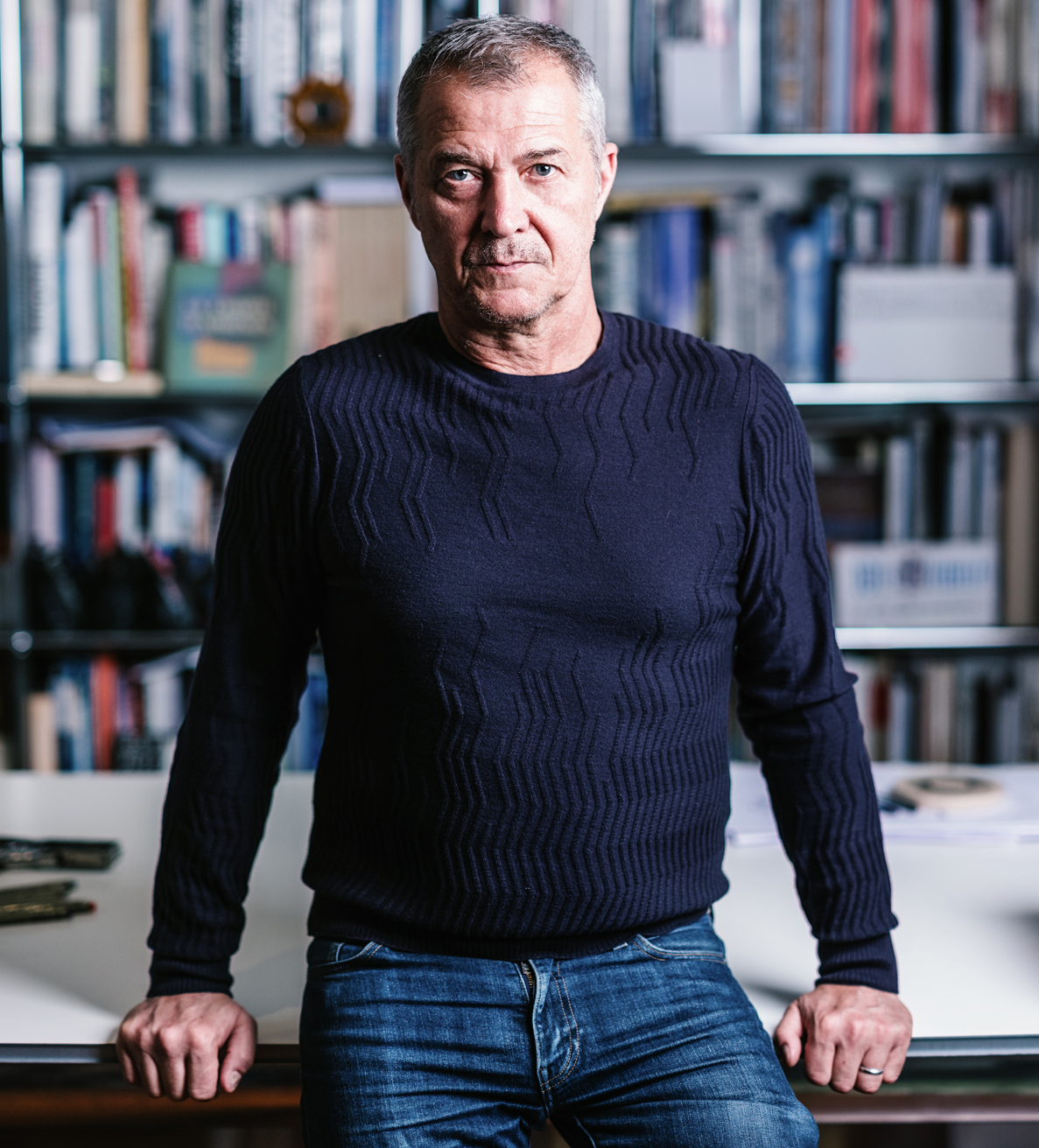
French hospitality company Accor Group acquired the carriages in 2018, and transported them to France, enlisting the help of French architect Maxime d’Angeac to restore them. Known for his meticulous restoration and design projects for luxury brands including Guerlain and Hermès, d’Angeac knew from the outset that he didn’t just want to create a replica of the original Orient-Express. Instead, he wanted to recreate the atmosphere of the historic train, in order to convey the same spirit in a 21st century version.
“Everything started with drawings, sketches and models made by hand,” he says. “By slipping into the shoes of its creators, from René Prou to Suzanne Lalique, I tried to reinterpret the history of this legendary train, without nostalgia, but with the desire to extend its history; to transport us elsewhere.”
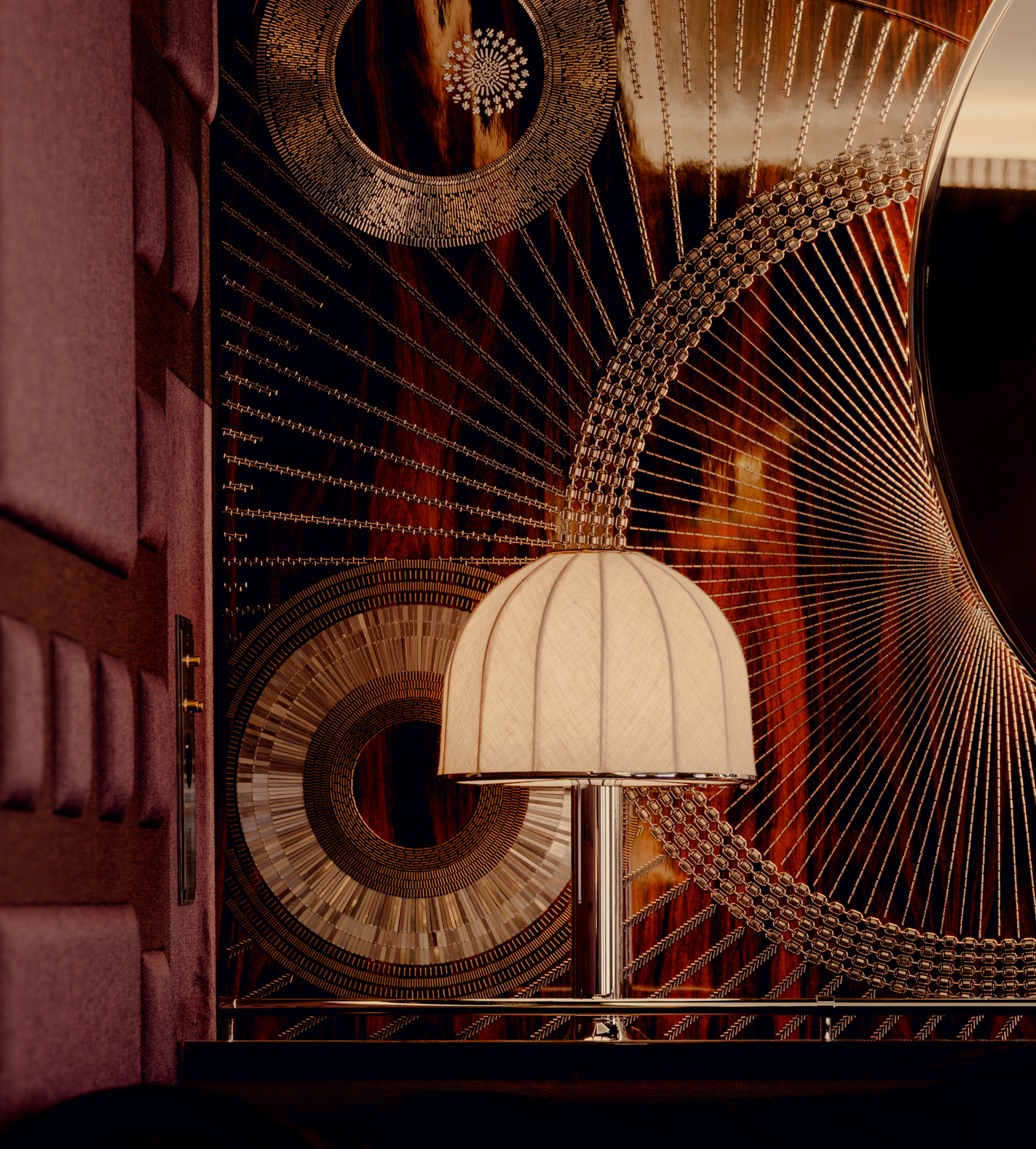
In order to bring his vision to life, d’Angeac brought together more than 30 French artisans, including upholstery makers Ateliers Jouffre, traditional wallpaper manufacturers Ateliers d’Offard, and cabinet-makers Rinck and Paul Champs. The train features restored glasswork by René Lalique, with clocks by Cartier.
The new Nostalgie consists of 12 sleeper cars – three of which have been transformed into suites – one restaurant car, three lounge cars and one van. Luxury materials including velvet, silk, mahogany, marble and crystal have been used throughout, and d’Angeac has used a palette of deep greens, bronze, purple and gold.
“We eliminated anything trendy, so it’s timeless, extremely well thought out, well drawn,” says d’Angeac.
“If we’ve succeeded, I’d hope that in 25 years, people won’t be able to date this train more than any other.”
Lifestyle interior models of several of the carriages are currently on display in Paris, at Musée des Arts Décoratifs, as part of the 1925–2025: A Century of Art Deco exhibition. The train is due to be launched in 2027.
Interior design: Dimorestudio
Launched: April 2025
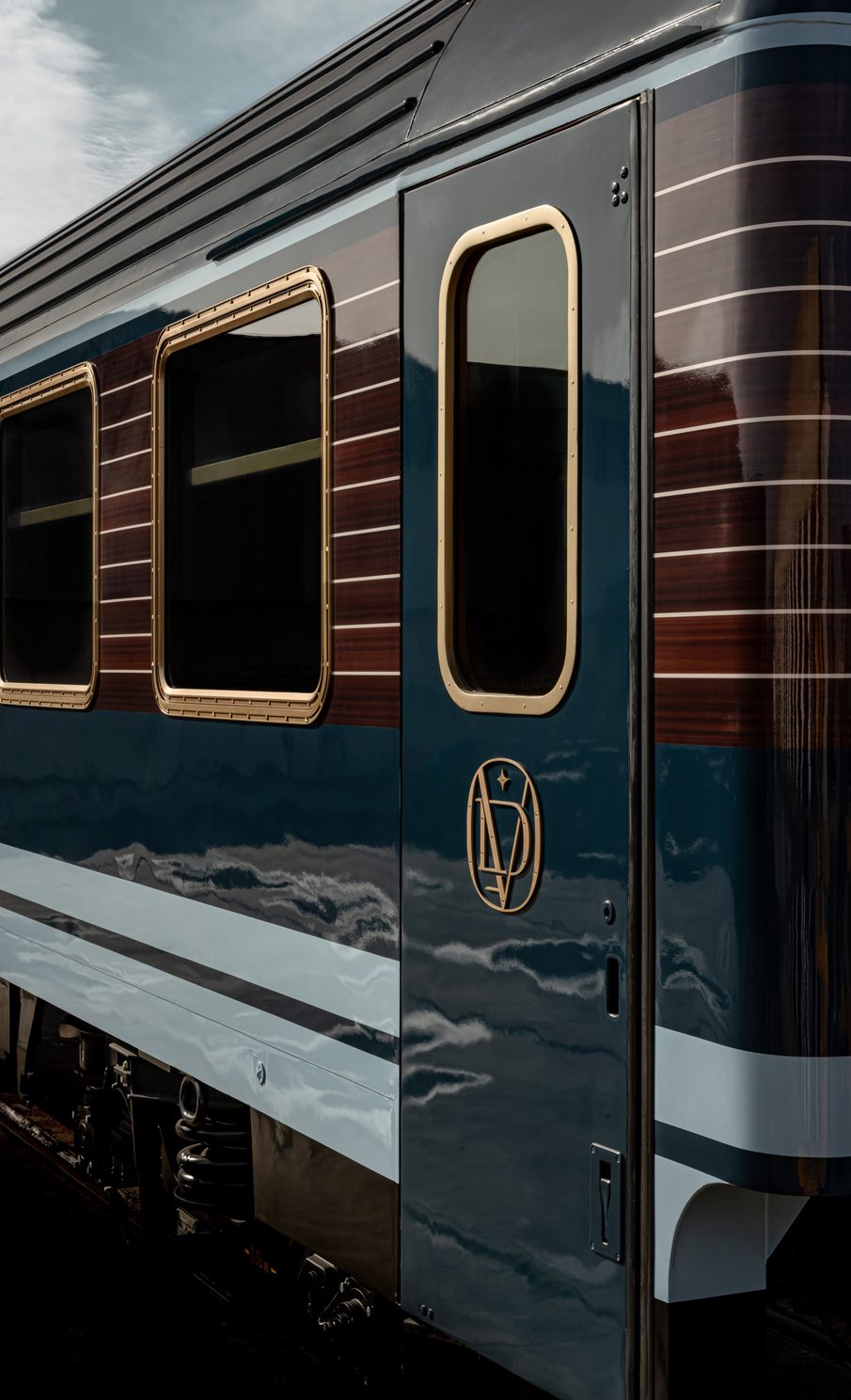
Another Orient Express project sees Accor team up with Italian luxury hospitality firm Arsenale to create La Dolce Vita – a collection of six new trains, each with 12 carriages that will transport guests through Italy, connecting to Paris, Istanbul and Split.
The first in the fleet – La Dolce Vita Express – launched in April 2025 in conjunction with Italy’s state railways, Ferrovie dello Stato, offering guests eight different itineraries that cover 14 Italian regions, including Tuscany, Sicily, Veneto and Liguria.
Guests spend the night at the new Hotel Orient Express Minerva in Rome, designed by Mexican-French architect and artist Hugo Toro, before relaxing in the stylish new Orient Express Lounge at Roma Ostiense Station – also designed by Toro.
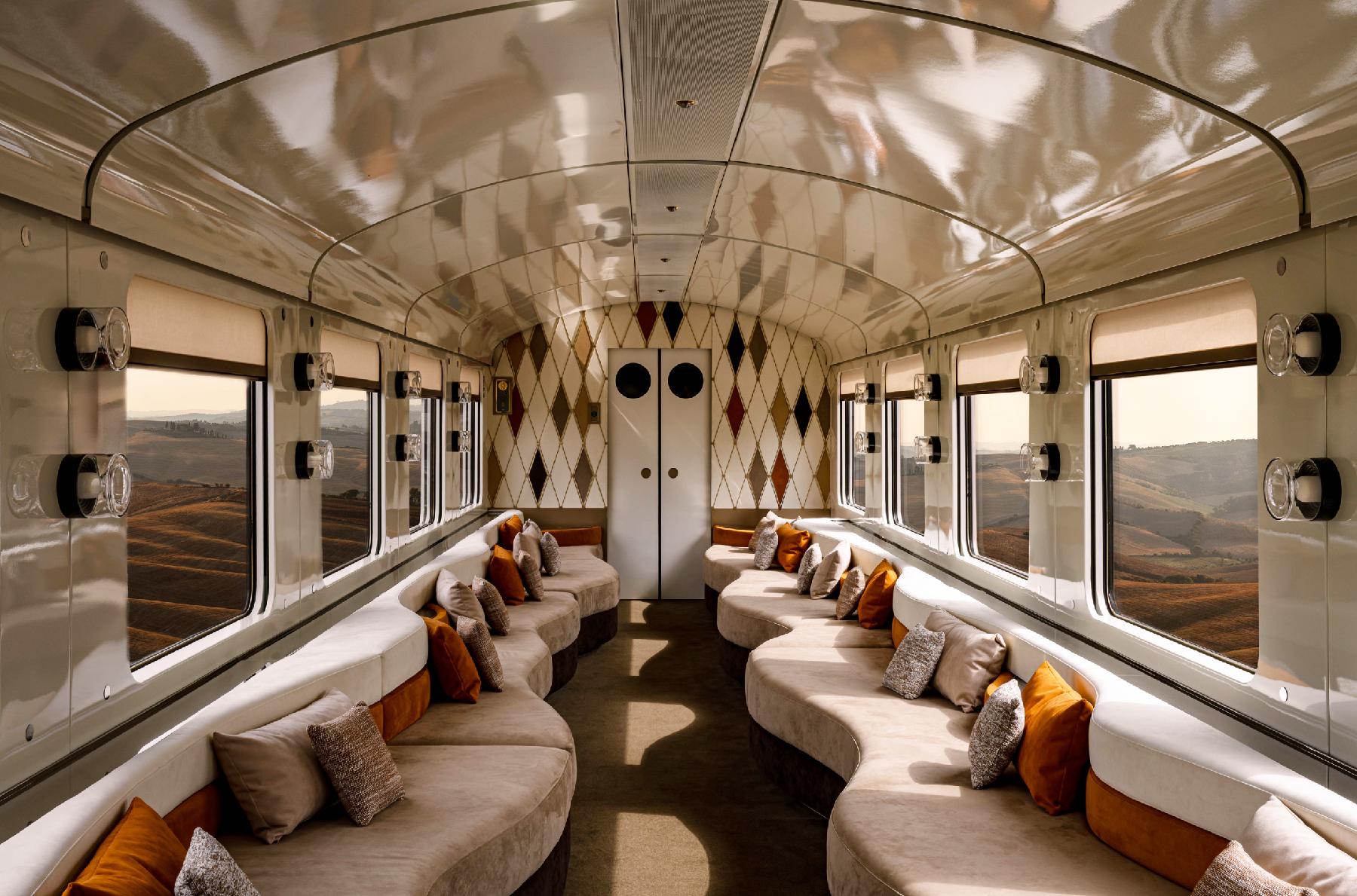
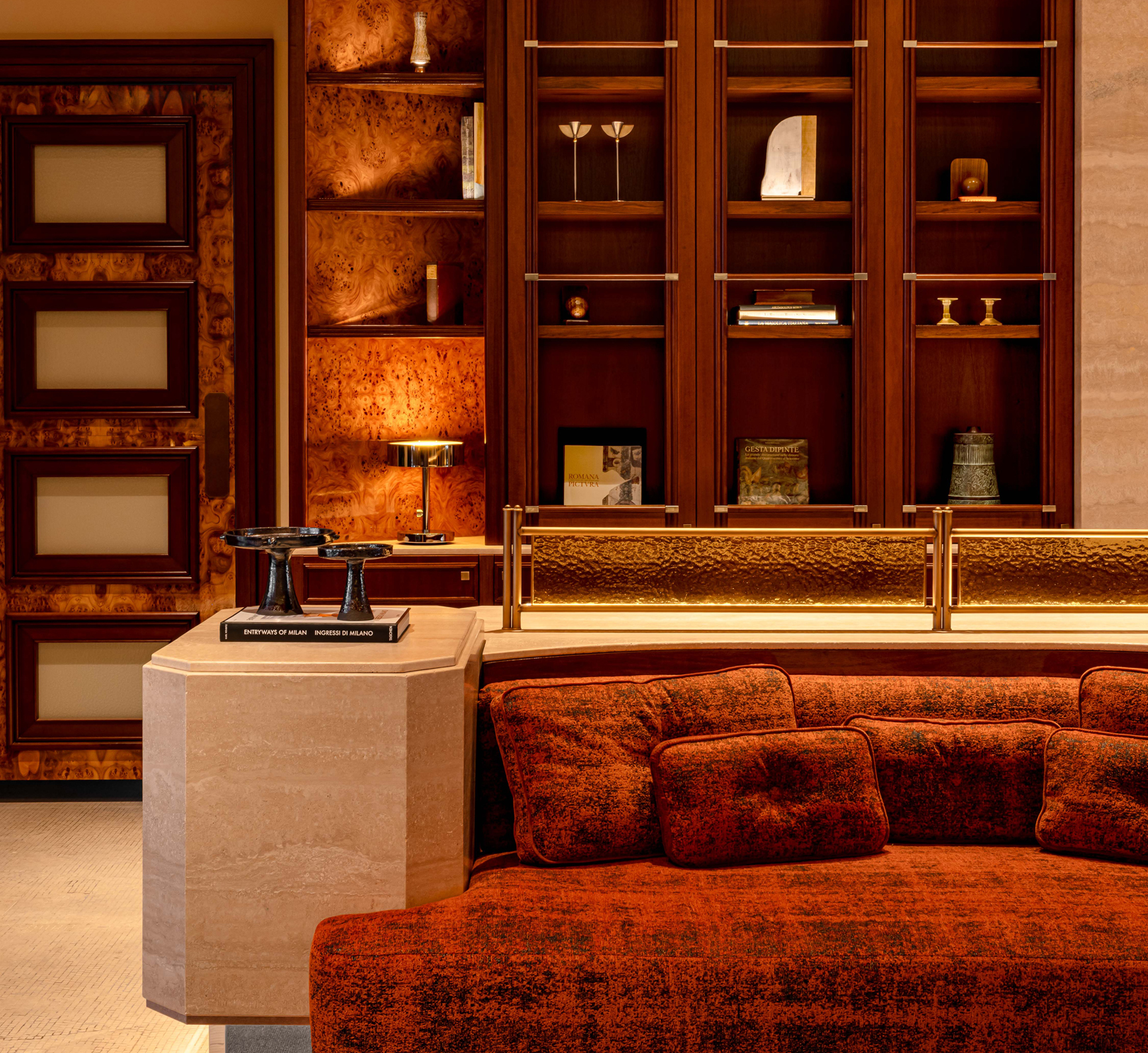
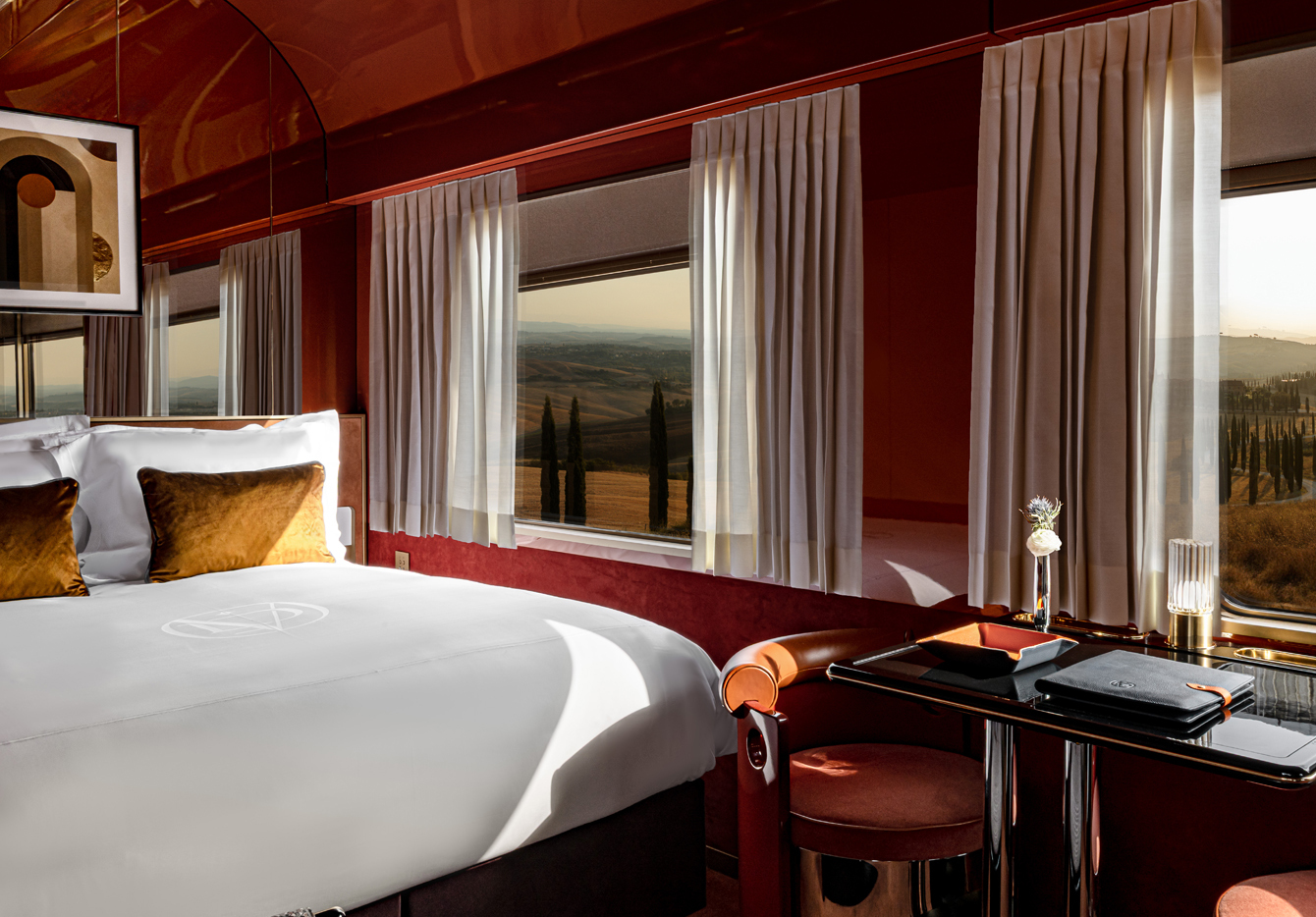
The train itself consists of meticulously restored Z1 Italian model carriages, and features 31 cabins, 18 suites, 12 deluxe cabins and the signature La Dolce Vita Suite. Interiors were designed by Dimorestudio and were inspired by the ‘golden age of Italian design’ in the 1960s and 1970s, with furnishings referencing designers including Cini Boeri, Claudio Salocchi, and Mario Marenco, as well as artists Giuseppe Capogrossi, Agostino Bonalumi, and Enrico Castellani.
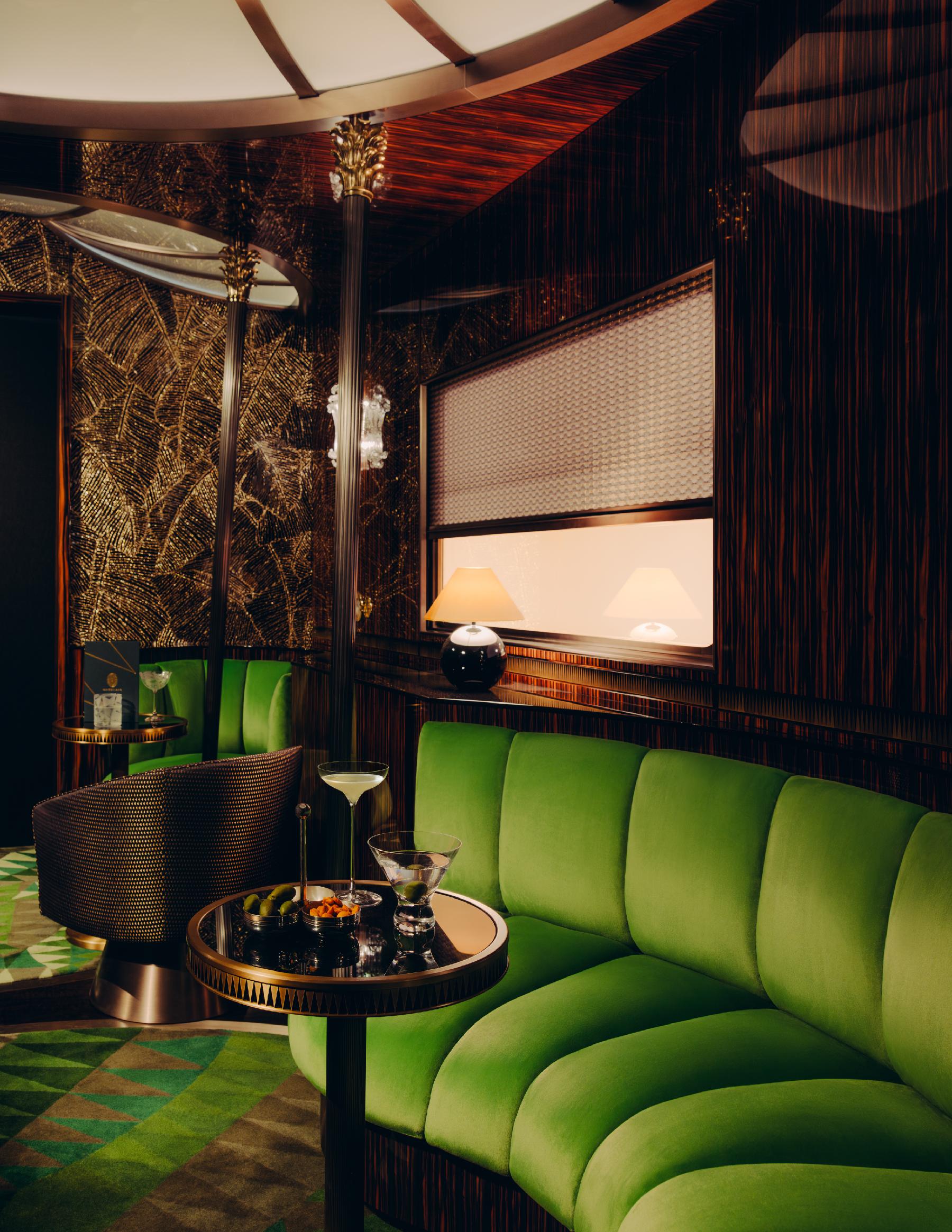
The interiors feature polished brass, smoked glass, lacquered wood and velvet in deep jewel-like tones. In the dining carriage, burnt orange leather chairs contrast with gleaming green walls.
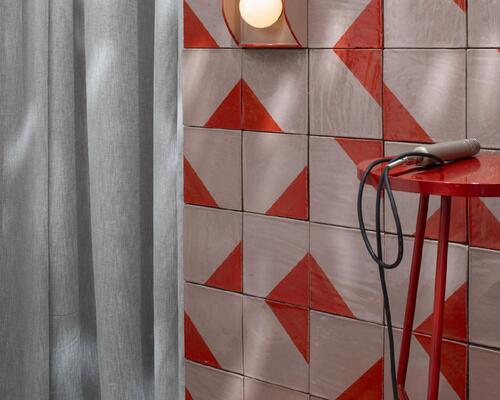
The harlequin print and undulating velvet seating in the bar car creates a fun, 1970s feel, while the suites feature red velvet walls, lacquered ceilings and sofas upholstered in a vintage Orient Express-inspired fabric.
The cabins’ mirrored walls make the rooms feel larger than they are, and they feature a cooler colour palette of blues, browns and muted oranges.
The design team was keen to use the project to showcase Italian craftsmanship, including porcelain tableware from Ginori 1735, Rivolta Carmignani table linens and custom-made mid-century light fixtures designed by Dimorestudio.
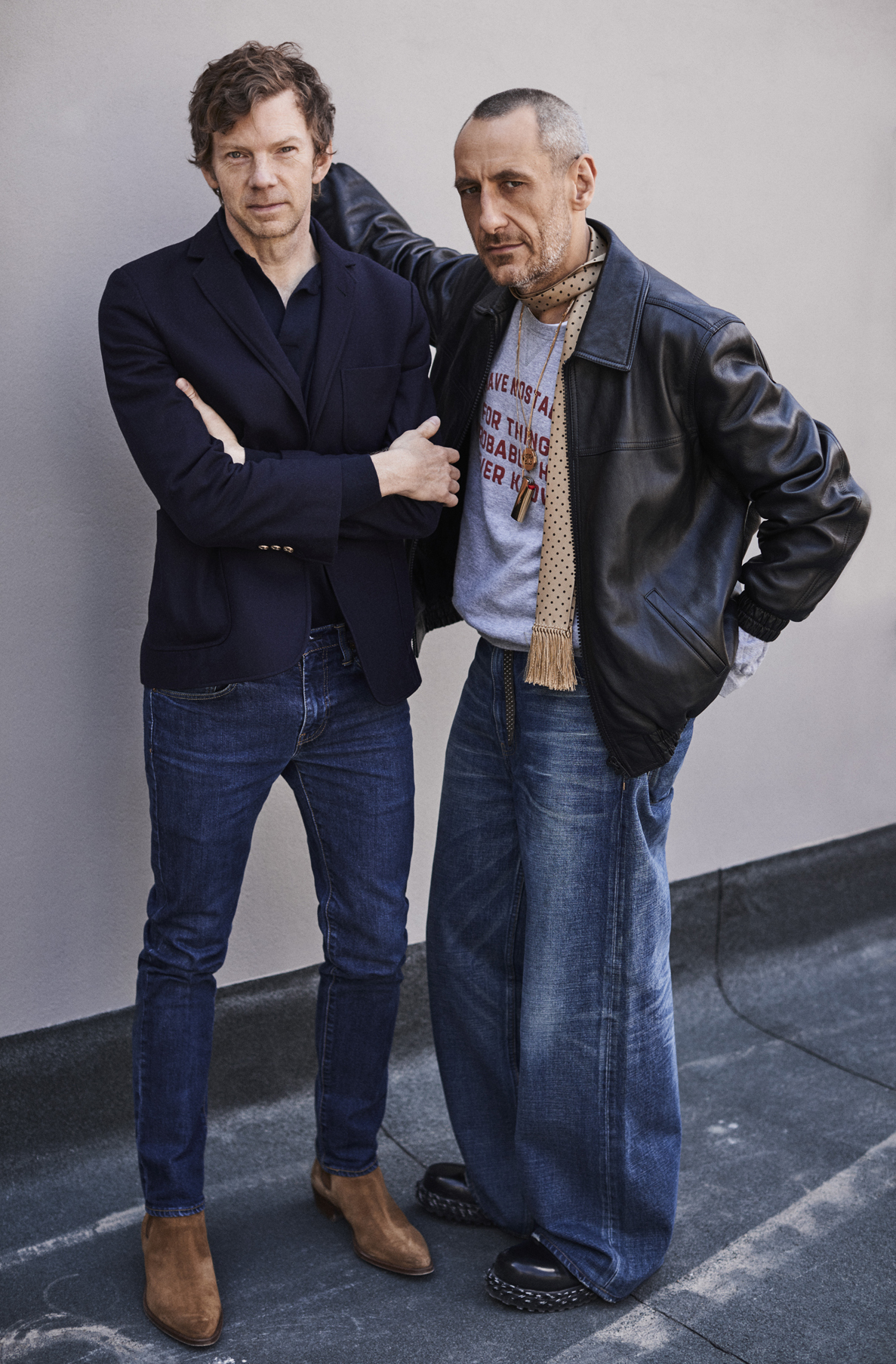
“Our vision for La Dolce Vita Orient Express was to create a design that feels inherently timeless –an understated blend of historical and contemporary, without losing its authenticity,” say Dimorestudio founders Britt Moran and Emiliano Salci.
“Each space is curated to feel as though it has always belonged, with subtle details and layers that invite discovery and evoke exclusivity.”
Design: Puy du Fou
Launching: 2026

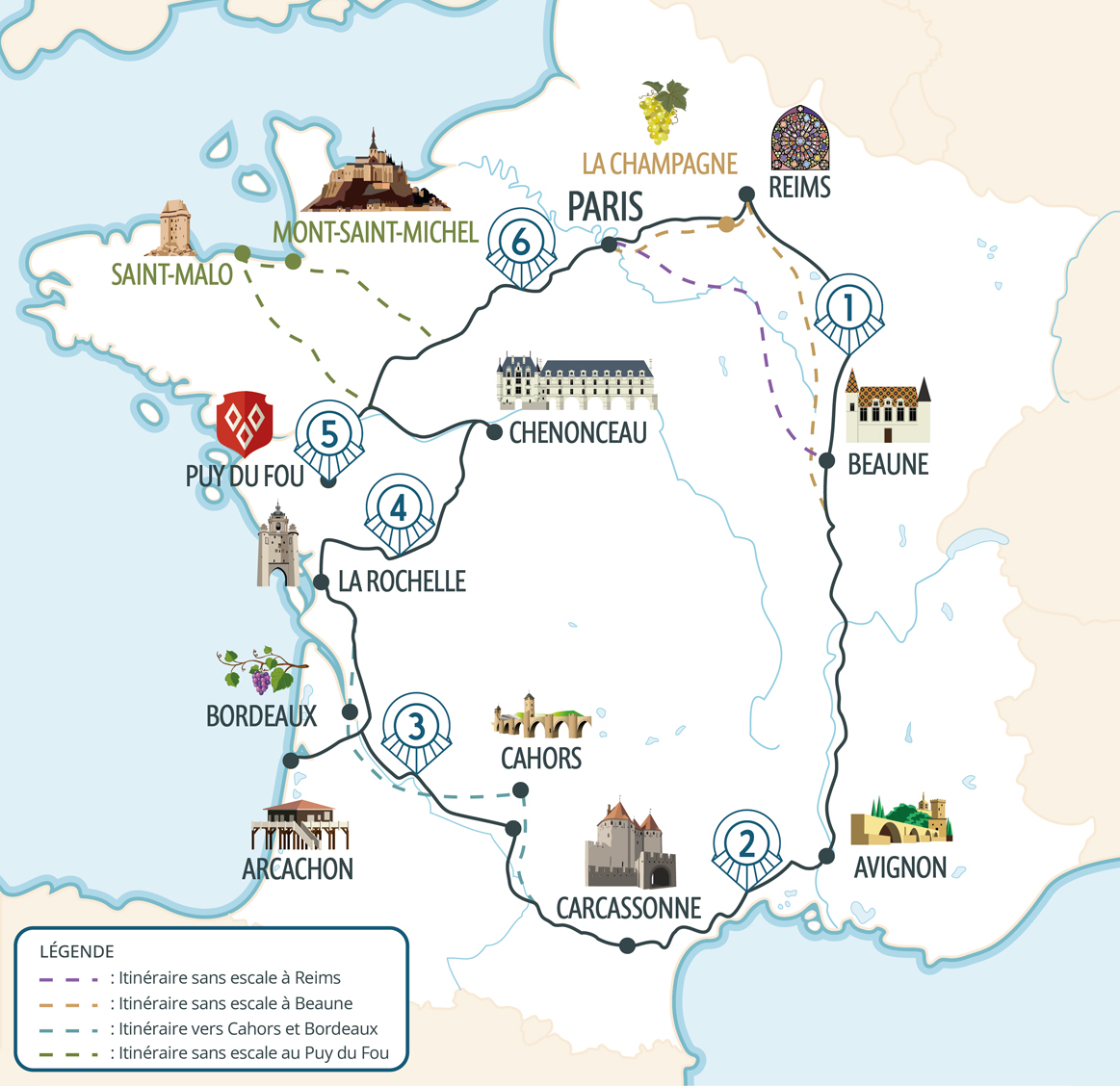
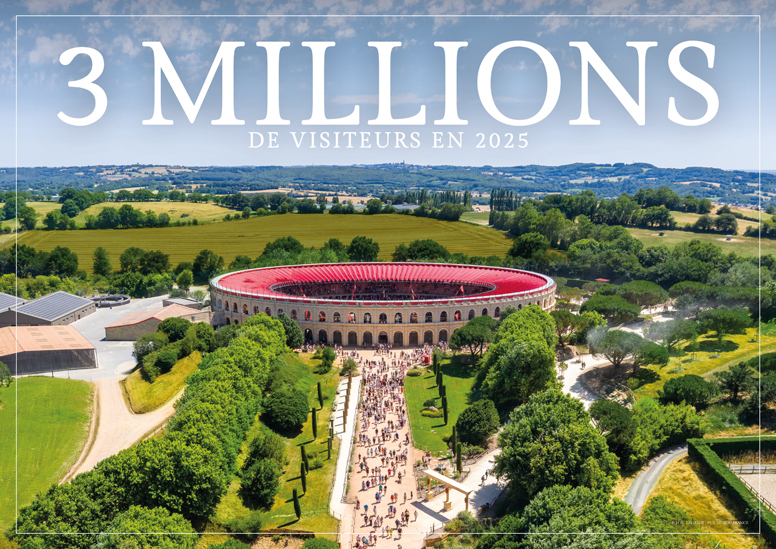
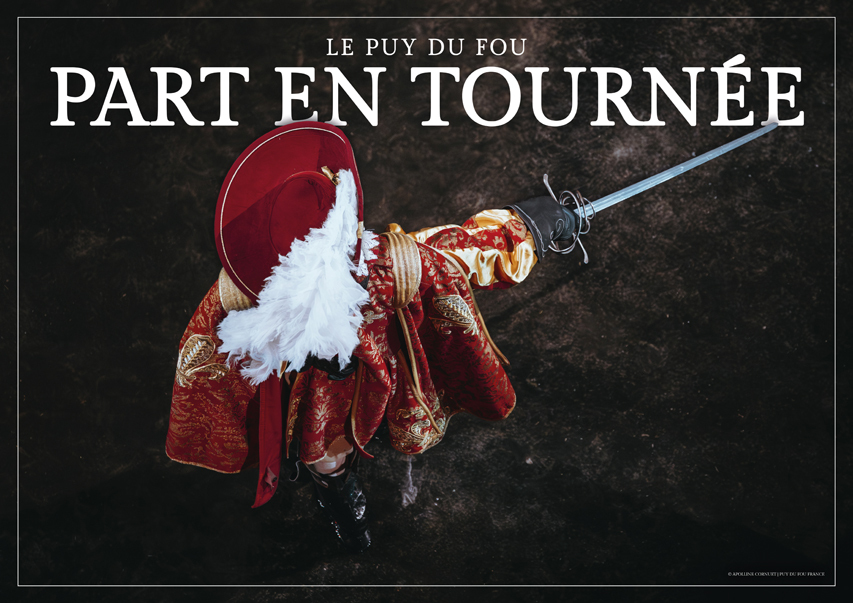
An ambitious new venture by French theme park company Puy du Fou, Le Grand Tour is set to launch in 2026, offering an immersive five-night, six day theatrical luxury train experience starting from Paris and taking in 2,500 miles of France. The trip will host up to 42 passengers, and will follow the path of historical grand tours, experiencing French history, culture and arts in regions including Champagne, Burgundy and the Loire. It will finish with a VIP visit to the Puy du Fou theme park, with private dinners, evening shows and tours of the park.
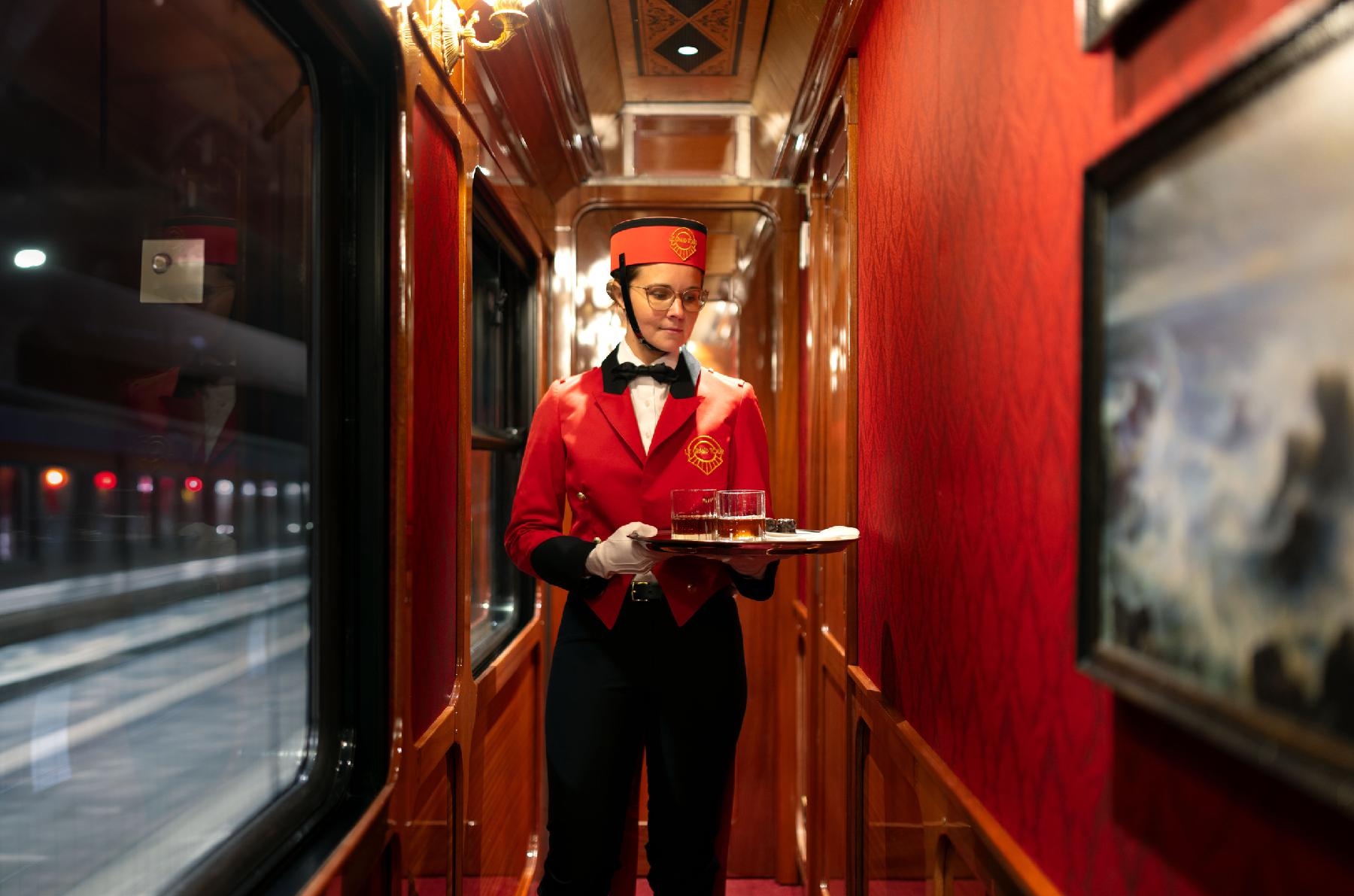
Puy du Fou theme parks don’t feature rides – instead they focus on historical re-enactment spectacles, with shows telling the stories of the places they are set in, from First World War re-enactments to Gallo-Roman gladiator battles. Le Grand Tour will see the company aiming to recreate the romance and glamour of the ‘Golden Age’ of train travel, with the train itself a key part of the historical performance. The train will be designed in Belle Epoque style, designed to feel like a ‘theatre in motion,’ with luxurious furnishings and cabin crew dressed in uniforms from the Belle Epoque era.
Stories must always be a surprise and a journey
Ateliers de Fabrication Ferroviaire (AFF) – a French company specialising in the design and renovation of rolling train stock – has been hired by Puy du Fou to create the 350m-long train.
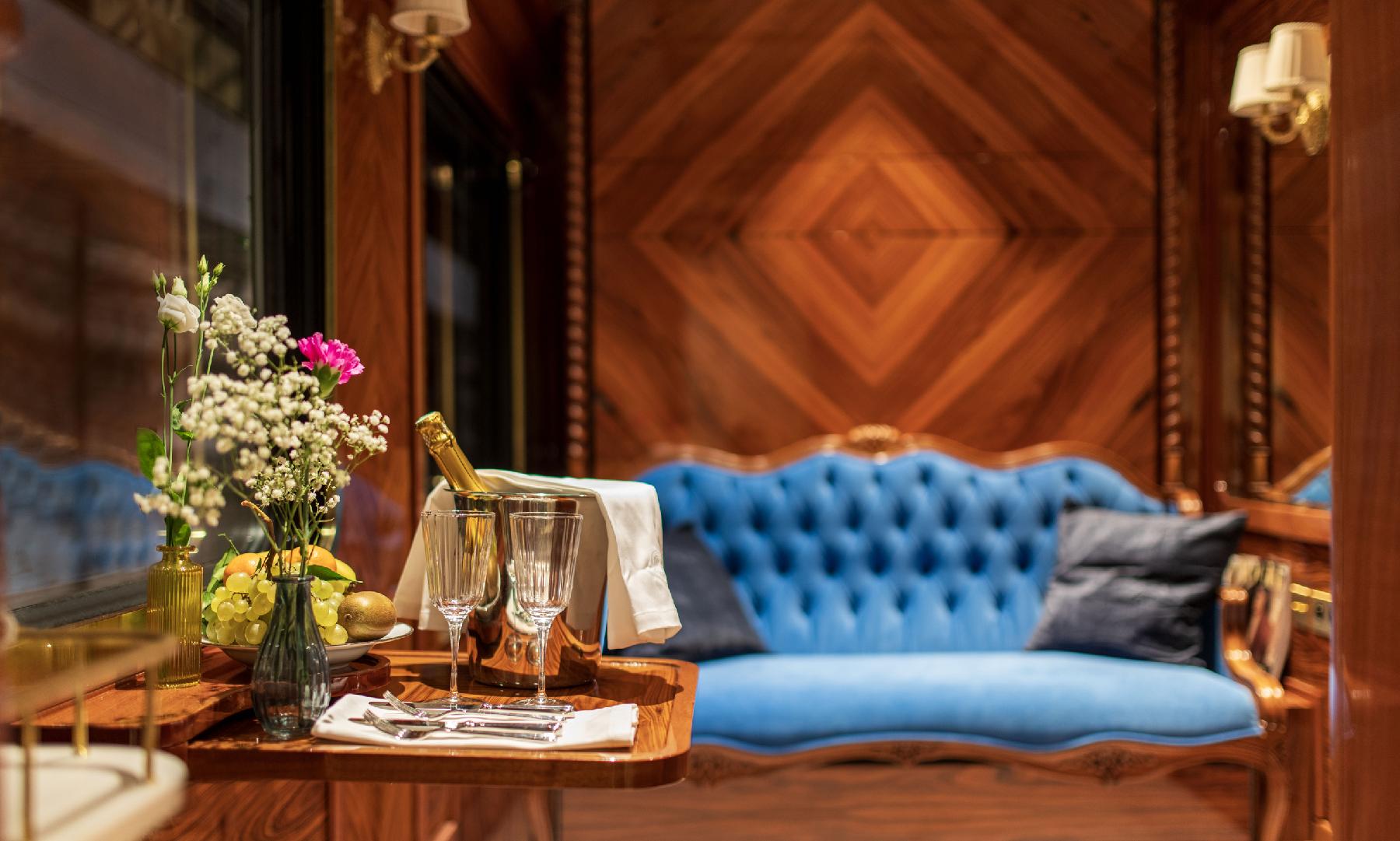
AFF acquired railway rolling stock from the 1960s to renovate – the train will consist of 12 cars, and 22 cabins – of which seven are suites. Cabins range from 10 square metres to 25 squares metres, and will serve as private lounges during the day, before being transformed into luxurious bedrooms each night. They will feature lacquered wood walls, rich blue upholstered sofas and brass detailing. Elsewhere, the train will feature deep red panelling and velvet curtains, ornate ceiling frescoes, and fringed, vintage lighting.
“This is a completely new project that has taken us to a whole new level,” says Willy Snauwaert, technical director at AFF. “The company has suddenly transformed from a railway carriage maintenance service into an haute couture workshop.”
Before taking on the project, the business employed just 15 people, and focused on the maintenance of freight wagons and passenger carriages. For the project, AFF has hired 70 new employees from a variety of trades – including industrial designers, engineers, mechanics, plumbers, heating engineers, electricians, joiners, and industrial designers.
Puy du Fou CEO Nicolas de Villiers says that the company is approaching the design of Le Grand Tour in the same way that it approaches the design of its shows.
“It’s all about the way you take the hand of the visitor to bring them into the story you want to tell,” he says.
“Stories must always be a surprise and a journey.”